icon-globe
Search Connect with us

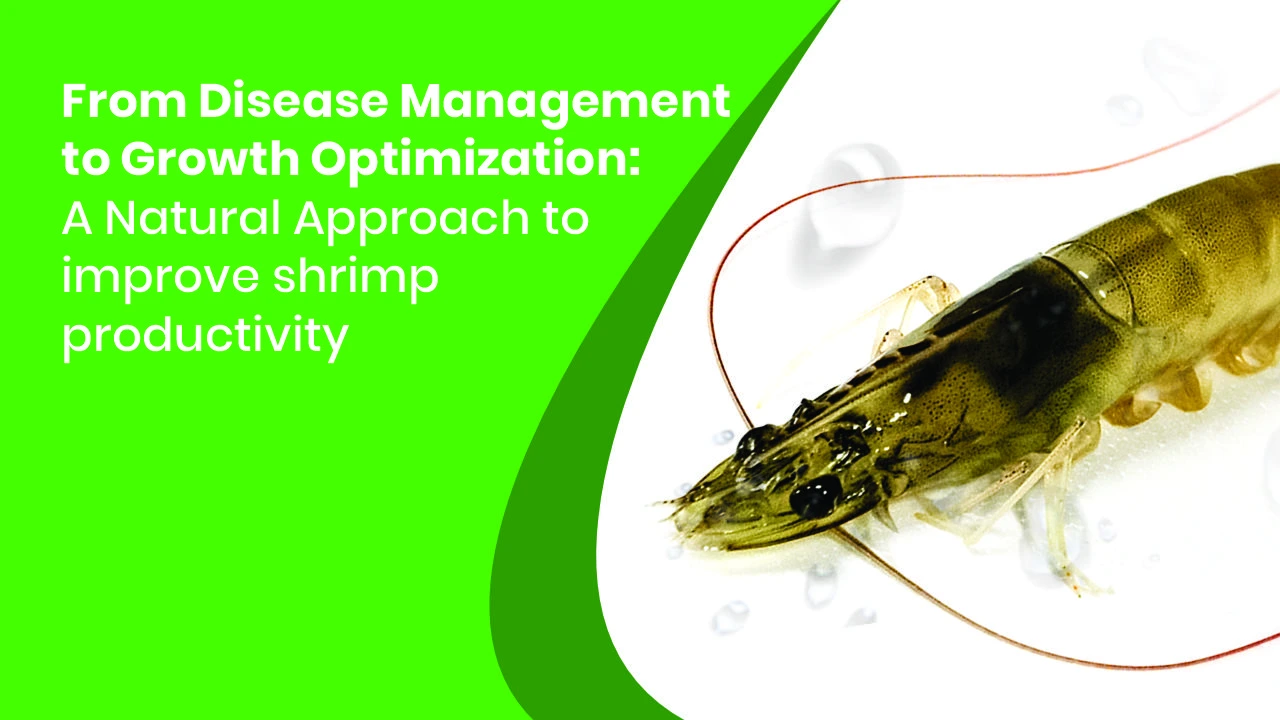
From Disease Management to Growth Optimization: A Natural Approach to Improve Shrimp Productivity

Disease Management to Growth Optimization A Natural Approach to Improve Shrimp Productivity

Shrimp is one of the most commonly consumed seafood around the world. Considering the population growth, there is an increase in demand for shrimp-based food products and shrimp farming plays a crucial role in meeting them. According to the FAO report 2008, the world shrimp catch is about 3.4 million tonnes per year, with Asia as the most noteworthy area for shrimp farming. World production of shrimp, both captured and farmed, is about 6 million tonnes, out of which about 60% enter the world market. Traditional farming methods are improving recently and new extensive as well as semi-intensive farms are being established at a rapid pace.

DISEASE: THE THREAT TO SHRIMP FARMING SUCCESS

The disease is a major limiting factor affecting the global production of cultivated shrimp. Intensive shrimp farming is commonly associated with disease outbreaks and is responsible for production loss due to either stunted growth in shrimp or mortality. Infectious diseases have affected shrimp farming industries drastically, and the majority of diseases are of bacterial and viral origin with few important diseases of protozoa and fungi. High stocking density can be considered as a major factor aiding the easy transmission of pathogens.

Shrimp diseases such as White feces syndrome (WFS), Hepatopancreatic microsporidiosis (HPM), vibriosis, and necrotizing hepatopancreatic (EMS/AHPND) impact shrimp farming to a greater extent.

Impact of shrimp diseases on production and economic losses in India – Vinayak Ingredients.

ENTEROCYTOZOON HEPATOPENAEI (EHP) AND ITS IMPACT ON SHRIMP AQUACULTURE –

The hepatopancreas is an important organ for the absorption and storage of nutrients in shrimps. Hepatopancreatic microsporidiosis (HPM) is a common shrimp disease caused by Enterocytozoon hepatopenaei (EHP) which infects the hepatopancreatic cell. It is an intracellular microsporidian that replicates within the cytoplasm of the affected epithelial cells in the hepatopancreas.

Host cell mechanism of EHP (Enterocytozoon hepatopenaei) infection in shrimp – Vinayak Ingredients.

Life cycle of EHP and routes of transmission

Life cycle of EHP (Enterocytozoon hepatopenaei) and its routes of transmission in shrimp – Vinayak Ingredients.

EHP in combination with other enteric pathogens and environmental stressors can lead to White Faces Syndrome (WFS), which refers to the presence of a floating white fecal string in ponds rearing shrimp. The main clinical sign of EHP is growth retardation, which results in an increased variability in size. In a more advanced stage, EHP-infected shrimp typically display soft shells, lethargy, reduced FCR, and an empty gut.

The use of synthetic antibiotics in shrimp farming is banned in some countries due to the potential for harmful effects on human health and the environment. Hence, natural products can be considered as the suitable and effective alternative. Due to the diverse and rich sources of active compounds in plants, they are highly influenced to control various pathogens. Phyto compounds can be utilized to improve immunity and prevent disease propagation during shrimp farming.

HEHPAVAX –A NATURAL AMINO ACID OPTIMIZER FOR HEALTHY HEPATOPANCREAS

HEHPAVAX is an aqua feed supplement that helps to protect hepatopancreas in shrimp by controlling EHP infection and white Feces Syndrome (WFS), and helps to prevent retarded growth in shrimp.

How HEHPAVAX works?

HEHPAVAX prevents the adhesion of the EHP spore wall to the epithelial cells of shrimp hepatopancreas. It helps to control infection by either killing spores outside the gut lumen or inhibiting polar tube extension by digesting polar tube components. It helps in the recovery of shrimp’s digestive system and improves gut health. It also helps to prevent white Feces Syndrome (WFS) in shrimps.

Mechanism of action of specialized feed additives for animal health – Vinayak Ingredients.

If the amino acid profile is poorly correlated to the requirement of the shrimp, then it leads to lower retention of synthesized protein. HEHPAVAX acts as an amino acid optimizer in shrimps that optimizes the utilization of protein depending on the optimal dietary amino acid profile of a species for protein synthesis. It improves the retention of the synthesized protein from the feed leading to higher growth rates and low protein turnover.

HEHPAVAX is a natural supplement to increase shrimp count leading to the economic growth of the farmer.

“Maximize shrimp health and improve your farm’s productivity with HEHPAVAX”uaculture with Pelletovin’

*References on request*
The Role of Natural Feed Supplements in the Management of Swine Diarrhea

Swine diarrhea, also referred to as pig diarrhea, is a common condition that can affect pigs at any stage of life, from piglets to adults. A healthy Gastro-Intestinal Tract (GIT) of pig performs various functions such as digestion, nutrient absorption, and regulation of intestinal barrier function. However, the GIT is a direct path for disease-causing organisms (pathogens) to enter the pig and cause disease. Swine diarrhea is the most apparent symptom of intestinal dysfunction. It is among the most important problems due to their negative effect on productivity and profitability in pig production. Estimated costs for pigs affected by diarrhea with a mortality of 10% can be as high as 134 € per pig per year, as per some estimates from the EU.

Diarrhea in pigs is of many types like neonatal diarrhea, post-weaning diarrhea, porcine epidemic diarrhea, swine dysentery, coccidiosis, salmonellosis, porcine proliferative enteropathy, and rotaviral diarrhea.

Causes of pig diarrhea

  • Parasites, such as coccidia, roundworms, and whipworms.
  • Viral pathogens, like porcine epidemic diarrhea (PED), transmissible gastroenteritis (TGE), rotavirus types A, B, and C, and even porcine respiratory and reproductive syndrome (PRRS).
  • Bacterial causes, such as E. coli, Salmonella, and, occasionally, Clostridium perfringens or C. difficile.
  • The stress of weaning can often trigger an enteric challenge in the nursery, allowing these organisms to affect piglets negatively.

How do pigs get infected?

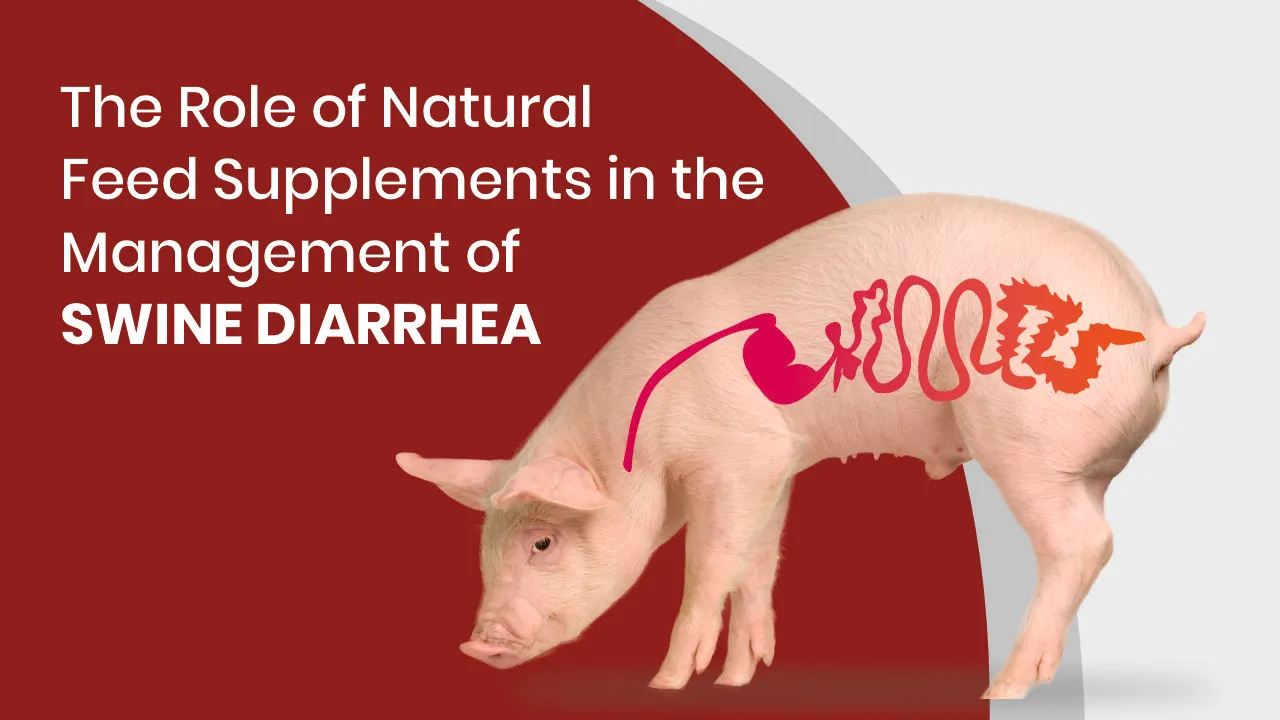
Pig diarrhea is majorly associated with the proliferation of enterotoxigenic pathogens in the pig’s intesne

Pig diarrhea is majorly associated with the proliferation of enterotoxigenic pathogens in the pig’s intesne

1.   It starts with ingesting pathogens from the surroundings, followed by colonization in the jejunum and ileum of the pig’s intestine.

2.  It damages the intestinal villi, which leads to the loss of water, electrolyte, and nutrient absorption in the pig’s body.

3.  It causes diarrhea, weight loss, and economic loss.

Cut off the use of antibiotics:

Historically, antibiotics as well as high doses of zinc oxide and copper sulfate have been commonly used to control diarrhea in pigs, but their contribution to the issue of antibiotic residues and/or antimicrobial resistance remains significant. As a result, the EU has banned the use of antibiotics in pigs. The high level of zinc oxide used to prevent and reduce the development of diarrhea can lead to toxicity in animals, and bioaccumulation. It may contribute to the development of antimicrobial resistance. Due to the prohibition on the use of antibiotics, producers are turning towards natural alternatives.

Plant-based solutions are an effective natural alternative to antibiotics and can greatly prevent the harmful effects of antibiotics on pig health.

Roles of Phytoactive Ingredients :

Using phytoactive ingredients reduces the occurrence of pig diarrhea by more than 30%

  • Phytoactive Ingredients possess direct microbiocidal action and avoid the proliferation of pathogenic bacteria in the gut, during the colonization stage and stress disruptors. They do not kill the beneficial  bacteria in the intestines
  • They can stimulate the growth of favorable bacteria. This is associated with an improvement in digestive and immune functions.
  • Some phytoactive molecules are able to stimulate the production of digestive enzymes, leading to better feed use and a significant increase in growth.
  • These natural components also stimulate the immune system, making the animals more resistant to diseases.

DIAHALT

DIAHALT is the mixture of appropriately selected herbs and their blends, which positively reduce diarrhea in pigs. It is a natural solution for pig diarrhea. The phytomolecules present in each herb help to treat diarrhea in pigs by stimulating the natural defence mechanism of the intestinal epithelium, without any side effects on the pig’s health. They are responsible for the antidiarrheal activity, by increasing colonic water and electrolyte reabsorption and inhibiting intestinal motility. Natural fibres present in   help relieve mild-to-moderate diarrhea. It soaks up a significant amount of water in the digestive tract, making stool firmer and slower to pass.

Diahalt: Rapid relief solution for diarrhea management in livestock – Vinayak Ingredients.

                                     Pigs with healthy guts have healthier lives.


*References on request*
Enhancing Egg Yolk Color with Natural Pigments

Enhancing EggYolk Colour with Natural Pigments

The physical appearance of the food is of great importance for its acceptance and demand in the market for consumers. While considering eggs along with shell color, taste, and appearance, yolk color is one of the most important factors in consumer perception of food quality, it influences consumer behavior and preferences for eggs. Carotenoids act as natural color pigments in a wide variety of organisms, including plants, algae, and some animals. They are responsible for the yellow, orange, and red hues found in fruits, vegetables, flowers, and even animal products like egg yolk and salmon fish.

With the well-known functional properties of carotenoids such as antioxidant and anti-inflammation, fortification and enrichment of edible eggs with carotenoids can increase the content of carotenoids in egg yolk and improve the appearance of eggs. The principle of egg yolk pigmentation relies on carotenoid-rich diets, efficient absorption, and deposition of these pigments into the yolk. As the content of carotenoids in the feed increases, their concentration in the egg yolk rises in direct proportion.

Producers usually control and enhance yolk color by managing and optimizing the hen’s diet to meet consumer preferences and standards.

Yellow and Red Carotenoid Pigments: 

Yellow and red carotenoid pigments for enhancing coloration in aquaculture and poultry – Vinayak Ingredients

Absorption spectra of carotenoid pigments and La Roche scale :

Absorption spectra of carotenoid pigments and La Roche scale for color measurement – Vinayak Ingredients.

The wavelengths of the colours of the carotenoids used for egg yolk pigmentation fall between 400–500 nm (blue-green region) within the visible range of the color spectrum. To the human eye, such compounds are yellow to red. Yellow and orange carotenoids have a wavelength range of 445 to 450 nm, whereas red carotenoids have a wavelength range of 465 to 470 nm.

Absorption and transport of carotenoids to egg yolks:

Like other animals, dietary carotenoids are absorbed by birds through the intestinal mucosa, where they are built into lipoprotein particles and transported via the blood to peripheral organs and tissues including the reproductive system during oocyte development, which results in pigment deposition in the egg yolk.

Key challenges of using synthetic pigments:

Synthetic pigment like apo-ester is most commonly used as a commercial source of color. However, some research data suggest that these substances can negatively affect human health. Hence, a demand for natural alternatives to synthetic pigments, for use in egg and broiler chicken skin colouring, is increasing to mitigate the harmful impacts of synthetic ingredients on consumer health.

Natural Pigments:

Natural sources of carotenoids such as marigolds, lutein, paprika, etc. promote a higher carotenoid concentration, increasing carotenoid deposition in egg yolk and improving egg quality. Natural pigments can be used as a way to substitute the use of synthetic pigment in the diet without affecting performance and the poultry egg quality.

Depending upon the requirement of the intensity of yellow and red color deposition, we have a natural feed additive specifically for poultry, supporting both egg yolk and broiler skin pigmentation.

‘Vin-Yellow’ is obtained from marigold flowers and provides a bright yellow color to egg yolks. These carotenoids are absorbed and deposited in the yolk, giving it a natural yellow shade.

Vin-Red is obtained from Paprika extract and provides a reddish or orange hue to the egg yolk. These carotenoids are absorbed and deposited in the yolk, giving it a natural orange-red shade.

By incorporating ‘Vin Yellow’ / ‘Vin Red’ in the poultry diet, producers can consistently achieve the desired skin and egg yolk color regardless of seasonal changes in raw material availability, ensuring a reliable and appealing product that aligns with the market expectations.

Vibrant Outcomes of Natural Shades in Poultry

*References on request

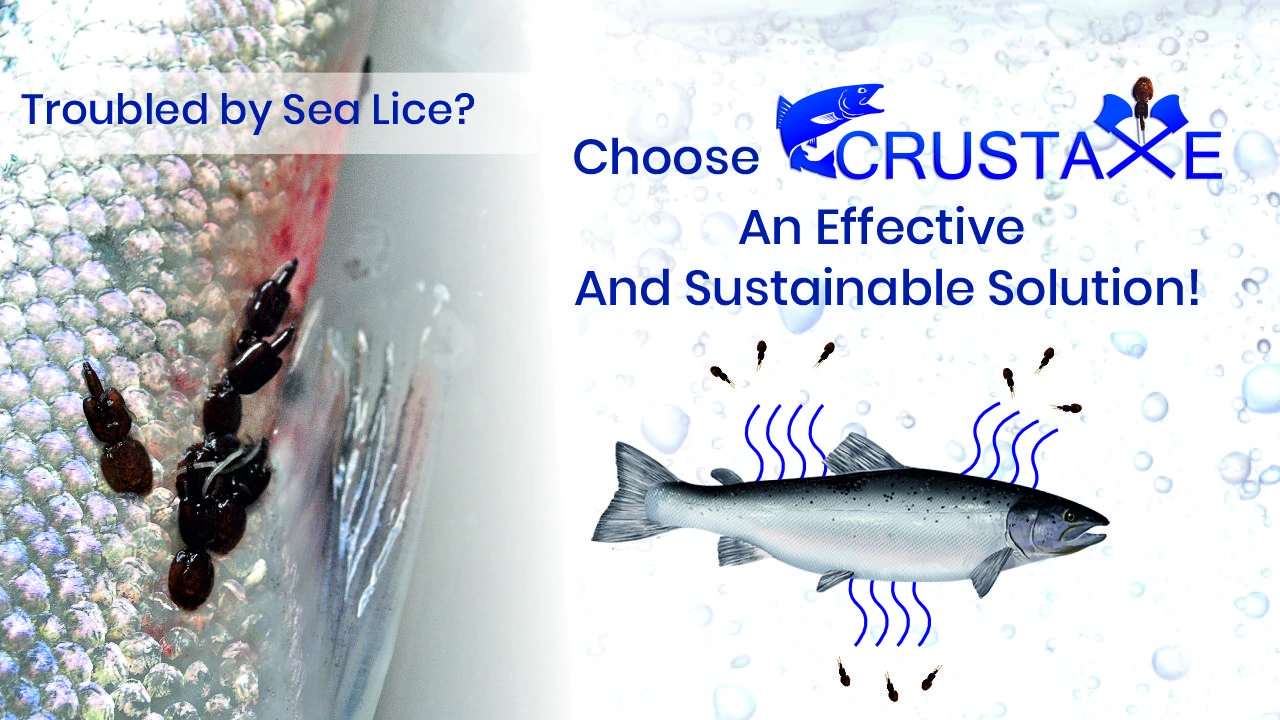
Troubled by Sea Lice? Choose CRUSTAXE – An Effective and Sustainable Solution!

Troubled by Sea Lice Choose CRUSTAXE – An Effective and Sustainable Solution!

Salmon are among the most successful aquaculture species, and the production has grown drastically over the decade. This has been possible due to the ability of innovative aquaculture technologies to increase product diversity and trade while lowering production costs. However, these high-density food production environments are particularly susceptible to the spread of pests and diseases that are likely to generate economic damages. Parasitic sea lice infestation is one of the most important factors affecting salmon-producing countries.

WHAT IS A SEA LICE?

Sea Lice are a group of invertebrate crustacean copepods, of the family Caligidae, found world-wide. Out of many species, the two most highly parasitic species are:

  • Caligus rogercresseyi, which infests over eighty different species of marine fish,
  • Lepeophtheirus salmonis (the salmon louse), which primarily infests salmon species.


CRUSTAXE: Advanced solution for enhancing shrimp health and immunity – Vinayak Ingredients.

HOW IT ATTACHES TO THE FISH?

At the intermediate copepod stage, sea lice use their hooked antennas and frontal filaments to latch onto the fish. While they feed on their host, they remain too small to cause significant harm. However, as they mature into more mobile pre-adult and adult stages, sea lice shift their attachment method to suction, making them more lethal. They mostly feed on host mucus, skin, and underlying tissue.

IMPACT OF SEA LICE INFESTATION ON FISH-

Primary host responses include reduced appetite and growth. The increased stress, external wounds, and reduced vitality due to lice infection are also likely to increase host susceptibility to secondary infections of viral or bacterial disease. Although lice are rarely observed to directly induce host mortality, secondary health impacts resulting from infestation may increase mortality.

ECONOMICAL IMPACT OF SEA LICE

Abolofia, Asche and Wilen (2017) estimated that the cost of sea lice damage to the Norwegian salmon industry alone was USD 436 million annually.

STRATEGIES FOR SEA LICE MANAGEMENT –

Effective strategies for sea lice management in aquaculture – Vinayak Ingredients.

The cost of treating sea lice infestations is generally high, regardless of the time and number of treatments. Among the most popular management strategies used, chemical overuse can lead to resistance, while mechanical treatments often induce stress in the fish, raising mortality rates. Out of the various management options available, using a feed through repellent can be a coordinated approach for prevention and control of sea lice.

‘CRUSTAXE’ is a synergistic combination of plant derived semio-chemicals that precisely targets the planktonic copepod crustaceans by avoiding all the unintended negative effects to the ecosystem. It can be incorporated into the functional feeds as a feed additive to repel the copepods. The bioactives of ‘CRUSTAXE’, even at a very low concentrations, have the ability to interfere with the host location and disrupt copepodid settlement on salmonid fish.

Mechanism of action of Crustaxe for controlling sea lice and improving shrimp health – Vinayak Ingredients

CRUSTAXE is an eco-friendly, natural solution for controlling sea lice in salmon farming, reducing reliance on chemical treatments. It meets food safety requirements of consumers and avoids harmful bioaccumulation, ensuring safe, sustainable aquaculture.


CRUSTAXE – The Ultimate Solution to Sea Lice Infestation!

*References on request

Antibiotic- Free Approach for Promoting Growth in Poultry

Antibiotic- Free Approach for Promoting Growth in Poultry

Growth promoters have been used in the poultry industry for decades to enhance production, promote growth performance and body weight gain, and protect birds from pathogenic microbes. This improvement is observed by increased feed conversion efficiency, stimulation of the immune system, increased overall health, and regulation of the intestinal microflora. Antibiotic growth promoters are also used to fight against infectious pathologies such as necrotic enteritis, coccidiosis, etc. There are different types of growth promoters that have been used in poultry birds, some of them are listed below

Types of growth promoters in poultry:

Probiotics:

These are live microbial feed supplements that are used for balancing the population of microbes in the intestines, preventing digestive problems, and improving the overall health of poultry.

Prebiotics:

Prebiotics stimulate the growth of harmless bacteria by providing energy and other limited nutrients to the intestinal mucosa.

Phytogenic Feed Additives:

Also known as PFAs or botanicals, phytogenic feed additives are added to animal diets to improve performance and productivity. Phytogenics include essential oils, spices, and herbs. These are natural growth promoters.

Organic Acids:

These acidifiers help to lower gut pH in the birds, which in turn reduces the presence of pathogenic organisms.

Vitamins and minerals:

These are used to improve growth as well as feed utilisation, which in turn helps in better production. Certain vitamins also have the ability to reduce weight loss in birds caused by heat stress.

Antibiotics:

Antibiotic Growth Promoters (AGP) involve the use of antibiotics in poultry feed to improve overall growth and feed conversion. It promotes growth by reducing growth-suppressing metabolites caused by microbes.

But these chemically synthesized antibiotics have certain harmful side effects on poultry, environment as well as consumer health.

Side effects of using antibiotic growth promoter:

  • Antibiotic Resistance: Overuse of antibiotics in animals leads to the development of antibiotic-resistant bacteria, which can spread to humans and animals, making infections harder to treat.
  • Public Health Concerns: Resistant bacteria from poultry farms can enter the food chain and environment, posing serious risks to public health.

Spread of antibiotic-resistant bacteria:

Spread of antibiotic-resistant bacteria

Ban on Antibiotic Growth Promoters

Due to the above-mentioned reasons, the World Health Organisation (WHO), along with the World Organisation for Animal Health (WOAH), encourages the health, agriculture, and veterinary sectors to reduce the injudicious use of antibiotics as growth promoters and further decrease the spread of resistant bacteria. The rapid spread of drug-resistant pathogens as well as the emergence of antibiotic-related environmental pollutants is of global concern.

Alternatives to Antibiotic Growth Promoters:

To minimize health risks, poultry farmers have great preferences for antibiotic residue-free chicken, resulting in a shift to antibiotic-free broiler meat production around the globe.

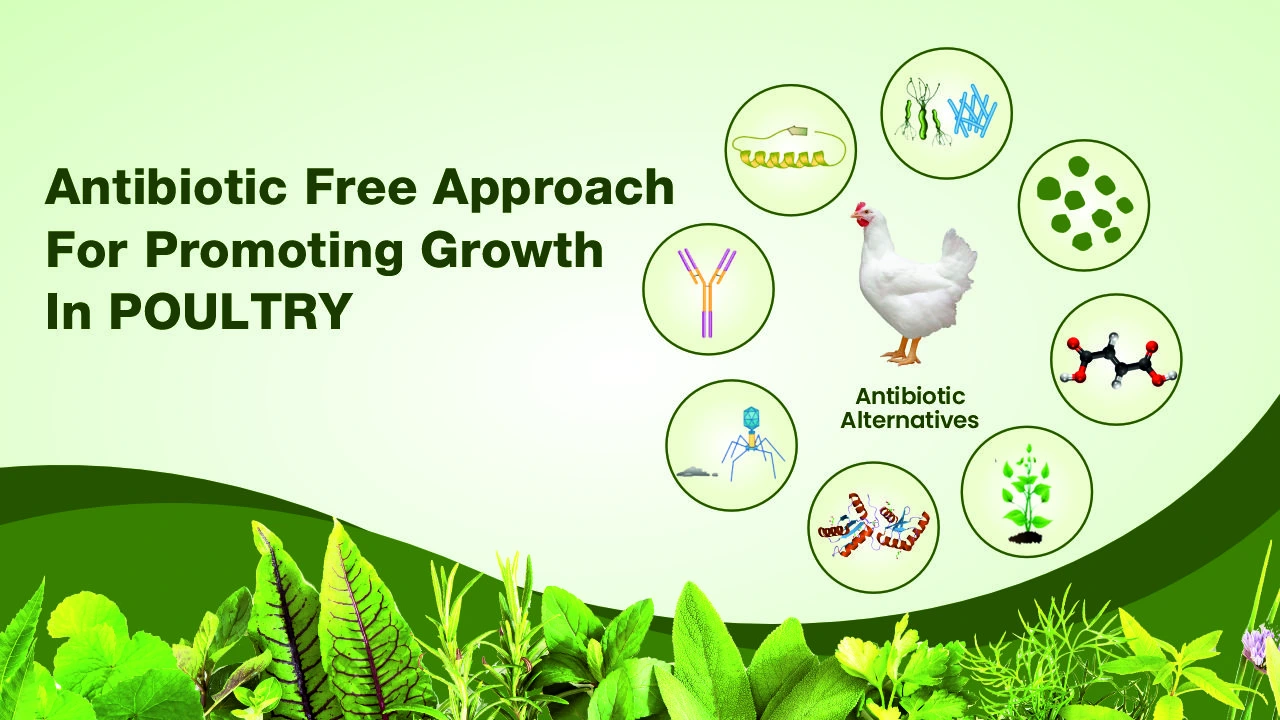
The natural antibiotic alternatives, including probiotics, prebiotics, symbiotics, organic acids, and phytogenics (phytobiotics), including herbs, botanicals, essential oils, and oleoresins, are the feed additives that acquired popularity in the poultry industry following the ban of antibiotic growth promoters (AGPs).

An Effective NATURAL GROWTH PROMOTER:

HERBOFLOXIN

It is a promising alternative to antibiotics in poultry. A unique micro-emulsified formulation of phytoactive ingredients such as Thymus vulgaris, Eucalyptus, Syzygium, and Citronella. Our natural formulation not only helps to prevent the antibiotic resistance but also ensures healthy meat production for consumers. Hence, it effectively replaces the antibiotic growth promoters.

How Does Herbofloxin Work? 

Herbofloxin-Work-Natural-Growth-Promoter

Gut immune response:

It improves the gut’s immune barrier and reduces pathogenic bacteria like Salmonella and E. coli in the gut. The improved gastrointestinal microclimate favors digestibility and uptake of nutrients.

Immune stimulant:

Herbofloxin contains phytomolecules with immunomodulatory effects that stimulate immune organs such as the spleen, thymus, and bursa, improving the number and function of lymphocytes, macrophages, and natural killer cells.

Haematopoietic cell production:

Herbofloxin exhibits a positive effect on the haematopoietic system and improves blood parameters and feed conversion by promoting the activity of digestive enzymes.

Reduces microbial load:

The addition of Herbofloxin to drinking water supports digestion and metabolism in the body, stimulates the growth and development of a useful microbiome, limits the multiplication and adhesion of pathogens, and changes the morphology and functioning of enterocytes. It also helps to reduce harmful intestinal loads and ultimately prevents meat contamination.

Natural growth promoter:

Improves the overall health of poultry by enhancing its nutrient utilization capability.

Benefits:

  • Acts as a natural growth promoter in poultry
  • Improves gastrointestinal microflora by reducing pathogenic bacteria
  • Stimulates immune cell production and immune response
  • Improves blood parameters
  • Balances the pH of gut

For Sustainable Antibiotic- Free Production

*References on request*

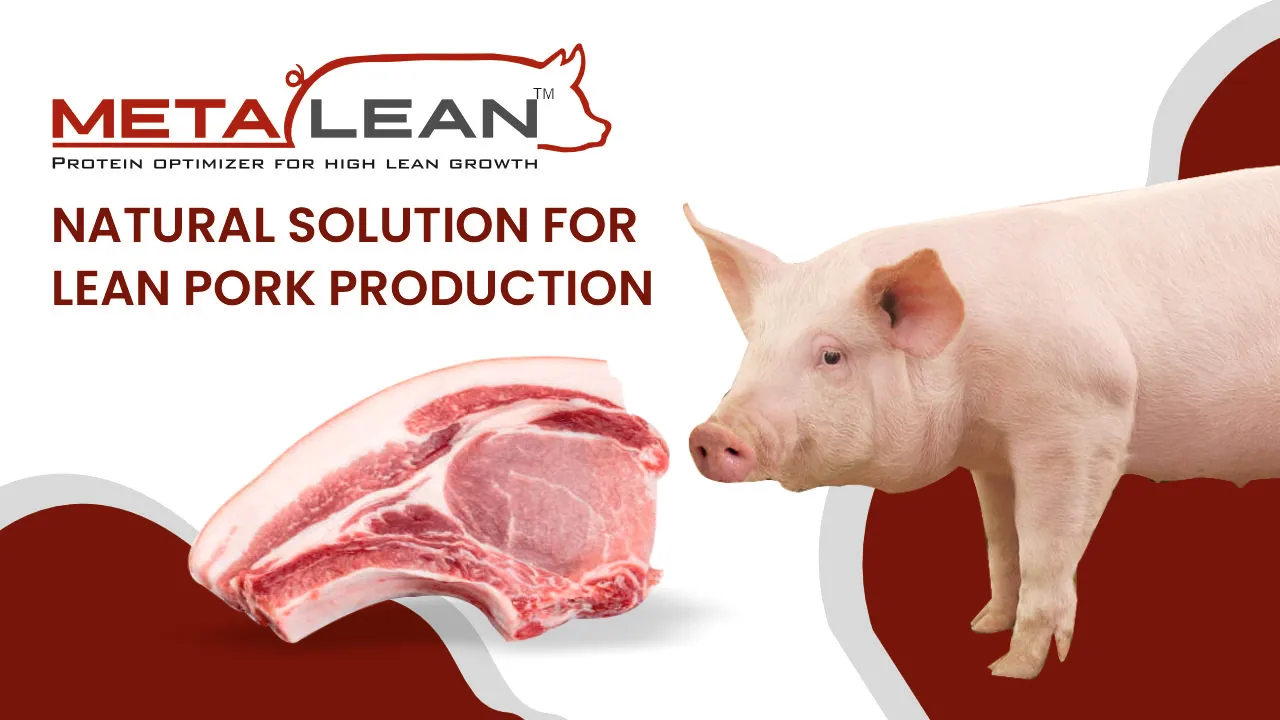
NATURAL SOLUTION FOR LEAN PORK PRODUCTION

Natural Solution For Lean Pork Production

Pork is one of the most extensively consumed meat globally. It is a vital source of animal protein for humans because of its nutritional value, distinctive chemical composition, and well-balanced protein content. Fat content and composition, water holding capacity, color, oxidative stability, and uniformity are the main attributes determining pork quality.

Attributes Determining Pork Quality

While it is true that exponential human population growth has occurred over the last few decades resulting in a significant rise in the demand for meat and its products. In the past, when the pork producers were paid strictly on a live-weight basis, it was to their advantage to optimize average daily gain and feed conversion ratio, this often resulted in carcasses with excess fat. But today’s modern consumers are increasingly critical of the food they eat hence for producers who market on a lean value-based system, carcass parameters are equally important along with growth performance.

WHY THERE IS INCREASE IN DEMAND OF LEAN PORK?

High levels of fat in the human diet can lead to excessive weight gain which increases the risk of the occurrence of health problems. Therefore, consumers are concerned about reducing the quantity of fat consumed in their diets and consequently prefer meat that is lean and has less visible fat. A major focus of the pork industry in the past few decades has been to increase lean tissue deposition to produce pig carcasses with a higher lean-to-fat ratio.

Lean pork is a nutrient-dense source of protein and several other nutrients such as thiamine, vitamin B6, phosphorus, niacin, potassium, riboflavin, and zinc.
Lean Pork Is a Nutrient-Dense Source of Protein and Several Other Nutrients

WHY SUPPLEMENTATION IS PREFERRED TO ENHANCE PORK QUALITY?

Nutrition is one of the most influential factors that have an effect on pork quality and the overall profitability of pork production. Numerous feeding strategies can be used in growing-finishing pigs like manipulating the quantity and composition of the feed given, which will be effective in achieving desirable carcass composition and muscle characteristics per consumer demands in cost effective manner.

In an attempt to meet consumer demand for lean meat, synthetic additives like ractopamine (RAC) have been used in swine feed. Ractopamine (RAC)  is known to promotes muscle mass development, limit fat deposition, and reduce feed consumption. However, it has several undesirable behavioral side effects including restlessness, agitation, excessive oral-facial movements, and aggressive behavior. This leads to increases in necessity of alternatives to attend lean pork in swine.

Innovative feed additives and supplements can be used as alternative to synthetic additives like ractopamine. They are designed to enhance nutrient absorption, promote muscle growth, and improve overall meat quality.  ‘METALEAN’ is a leading example.

Enhancing Pork Quality with METALEAN: A Lean Meat Feed supplement

‘METALEAN’, a phytogenic lean growth supplement for pigs. It promotes uniform growth performance, improves feed efficiency and carcass characteristics.

The back-fat thickness in pigs could be considered as a primary index for predicting the yield of lean meat. The higher back fat thickness can impact lean meat quality adversely, ‘Metalean’ helps to lower back fact thickness and improves dressing percentage.

HOW METALEAN WORKS?

‘METALEAN’ can be efficiently used as a lean meat feed additive in pigs. The phytoactives in METALEAN influence insulin-like growth factors, which are one of the potent growth factors associated with a wide range of metabolic processes. The biological actions of IGF I are controlled mainly through the stomach, duodenum, and muscle tissue. METALEAN triggers the IGF-targeted gut-brain axis, which controls the fat and protein metabolism. It also upregulates fatty acid breakdown and limits fatty acid synthesis. Additionally, components from Allium and Piper species enhance diet-induced thermogenesis, further supporting fat reduction and muscle development.

Metalean when used in feed improved the quality of pork.

Supplementation with METALEAN not only promotes a leaner meat profile but also enhances key pork quality parameters such as color, firmness, marbling, and water-holding capacity. These improvements make the pork more attractive to consumers and increase its marketability.

Choose ‘METALEAN’ for an effective, natural solution to meet consumer demand for leaner pork!

*References on request


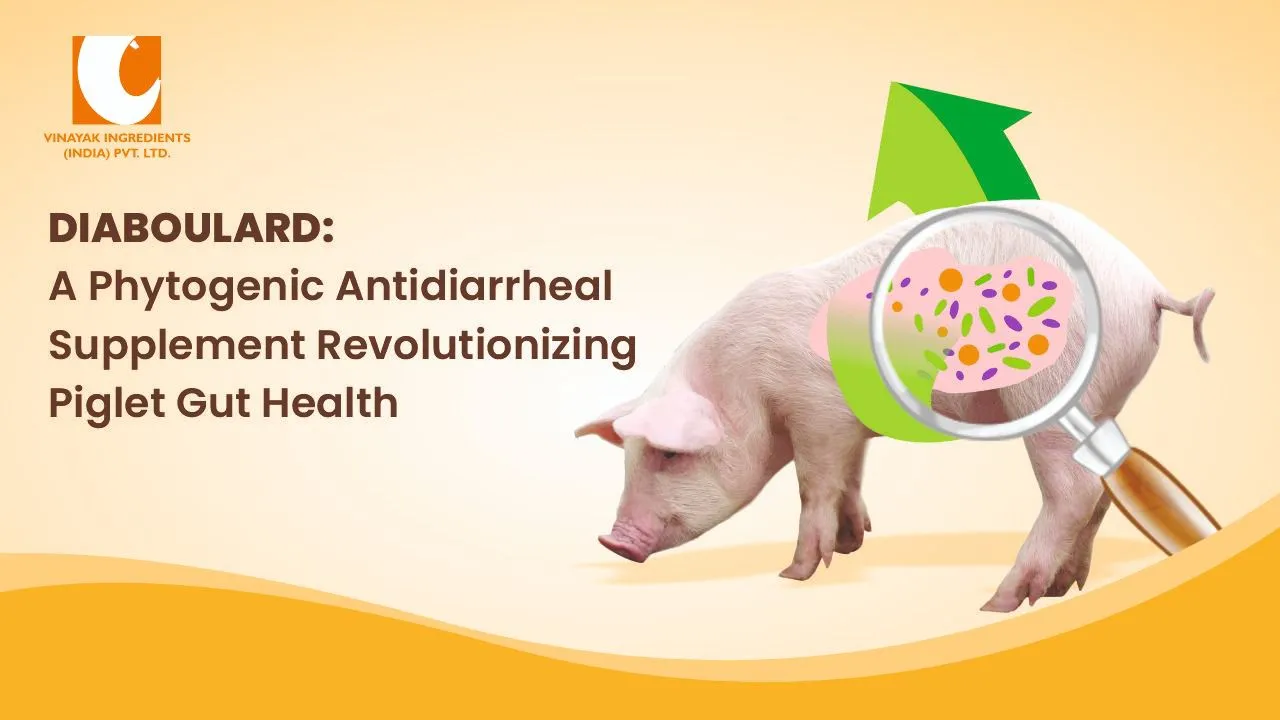
DIABOULARD: A Phytogenic Antidiarrheal Supplement Revolutionizing Piglet Gut Health

DIABOULARD A Phytogenic Antidiarrheal Supplement Revolutionizing Piglet Gut Health

The pig intestine is home to a dynamic microbial community that has a symbiotic interaction with the host and forms a complex ecosystem that is critical to the pig’s nutritional, physiological, and immunological functions. To meet production goals in the swine industry, piglets are weaned early and abruptly, which imposes enormous stress, that causes perturbations in the gut microbiota, host physiology, and immune function which lowers the defences against pathogen entry, leading to an increased risk of enteric diseases like neonatal diarrhoea (ND) and post-weaning diarrhoea (PWD)). Common causes leading to development of enteric diseases includes Escherichia coli (E. coli) , Clostridial enteritis, Coccidia , transmissible gastroenteritis (TGE and Porcine Epidemic Diarrhoea), salmonellosis, other causes include rotavirus, cryptosporidiosis and Brachyspira hyodysenteriae.

Clinical symptoms depend upon the type of diarrhoea involved, age of the piglet and severity diarrhoea that includes yellow- watery diarrhoea, shivering, vomiting, dehydration, sunken eyes, leathery skin, and mortality.

The high level of zinc oxide used to prevent and reduce the development of diarrhoea can lead to toxicity in animals, bioaccumulation and may contribute to the development of antimicrobial resistance. Managing dietary changes, avoiding sudden transitions, and ensuring feed quality can contribute to improve gut health in piglets, reducing chances of digestive issues. Given low drug residual contamination and low environmental pollution, feed-related measures are being highly used. In pigs, supplementation of organic acids, probiotics, and essential oils via feed can improve performance, and reduce infections due to enteric pathogens.

DIABOULARD is phytogenic antidiarrheal supplement for pigs which can help suppress diarrhoea-causing bacteria and their enterotoxins. It  contains chosen medium-chain fatty acids with anti-diarrheal effects and Saccharomyces boulardii which acts as probiotic. These components work together to prevent and treat conditions like ND and PWD caused by bacterial overgrowth or viral infections along with nutritional diarrhoea and improves gut health in piglets.

DIABOULARD is an innovative biotherapeutic option for piglet diarrhoea!

Diaboulard: Effective anti-diarrheal solution for livestock health – Vinayak Ingredients

*References on request

A Natural Revolution – Where Quality Meets Quantity in Milk Production

A visual representation of KiFAY, an amino acid optimizer by Vinayak Ingredients, improving protein absorption in dairy cattle to enhance milk production and quality.

A Natural Revolution – Where Quality Meets Quantity in Milk Production

Production of milk is carried out by about 150 million families worldwide. Smallholders produce most of the milk in developing nations, and Milk Production supports nutrition, food security, and household livelihoods. For cattle to maintain, grow, stay healthy, reproduce, and lactate, protein is an essential food. Protein provides the ammonia and nitrogen sources that rumen gut bacteria require to survive. These microorganisms break down food into Microbial Cell Protein (MCP) and Volatile Fatty Acids (VFAs), which cause digestion. Insufficient protein intake in calves results in a drop in microbial activity, which in turn lowers the pace of digestion. The stimulation of muscle protein synthesis is reliant on the adequate availability of amino acid (AA) precursors.

The increase in circulating AA concentrations in the blood serves as a signal to initiate synthetic processes. A sufficient increase in blood AA is required to overcome a concentration gradient that normally favors the intracellular space. Muscle protein synthesis and a positive anabolic state are directly related to the rate of appearance of AA in the intracellular space. Thus, only feeding amino acids with an optimal amino acid ratio is not the final frontier. Reduced digestive capacity means that the animal can absorb less nutrients. Even though these impacts are internal, you can see how a lack of protein would affect your cattle’s growth.

A milking cow’s diet deficient in calories can lead to low milk protein, low milk production, poor immunity, and poor fertility. The cow will become more prone to illness and metabolic conditions such as mastitis, ketosis, lameness, and loss of body condition as a result. By adopting sustainable and natural approaches, farmers can improve the quality of their dairy products while promoting the well-being of their herds.

KiFAY – An Herbal Supplement for Improving Protein Absorption.

KiFAY is an amino acid optimizer that improves protein turnover. It is a natural feed additive that maintains the anabolic state of the animal in isoenergic diets.

KiFAY, an amino acid optimizer, enhances protein synthesis by reducing protein catabolism and protecting the amino acids from degradation. KiFAY increases the retention of protein in the body which translates into improved production, live weight gain, and immunity.

Benefits of KiFAY

  • Improves milk protein

KiFAY can retain more proteins in the body which eventually results in higher protein levels in Milk

  • Improves milk SNF

SNF (solids-not-FAT) portion consists of protein (primarily casein and lactalbumin), carbohydrates (primarily lactose), and minerals (including calcium and phosphorus). An improvement in SNF indicates improved yield in value-added milk products

  • Enhances immunity

Proteins, an enhanced amino acid accretion results in disease preparedness, and better titers for vaccines drive immunity.

  • Increases palatability of food

KiFAY is also a palatability enhancer, it increases the feed consumption in ruminants and thus increases nutrient intake.

  • Improves Dung texture

Improved dung patty formation results from better ruminating behavior, which results in higher digestibility coefficients of feed

  • Improves Skin Coat Condition

Improved protein utilization improves the body condition score, especially for the coat/skin of the animal.

Why KiFAY? Because…..

Kifay

Action and Benefits

Kifay
“Boosted cattle performance through natural means”

Yeast & Propionibacteria Mix for Cattle Feed | Feeding Probiotics Significantly Improves Milk Yield & Productivity

Animal feed yeast rumen acidosis rumen fermentation Vinayak Ingredients

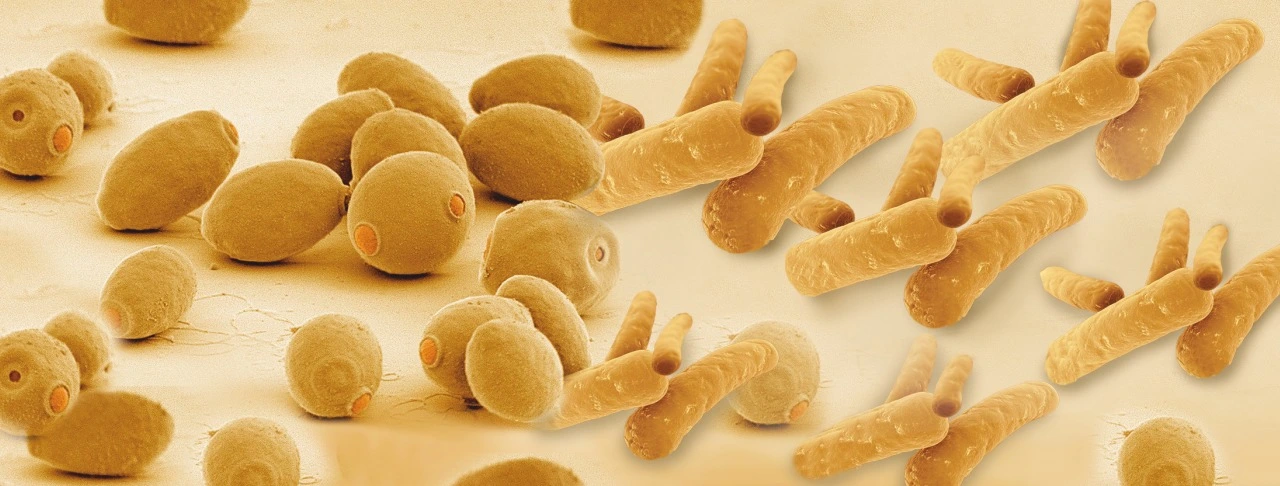
Conventional feed probiotic – Saccharomyces cerevisiae

Supplement for higher microbial protein in cows Probiotic for dairy Natural Cattle feed supplements vinayak Ingredients India Pvt Ltd

Animal feed yeast – is used to alter rumen fermentation to improve nutrient digestion, reduce the rumen acidosis risk, and improve animal performance. The use of yeast in animal feed improves the nutritive value of the feed due to its high energy, protein, and amino acid content.
Direct-fed microbial used in ruminant feed supplements include live microbial cells. (yeasts, moulds, and bacteria) and(or) their metabolites to alter the rumen and lower-gut microflora. Yeast is supplemented in dairy diets to improve animal performance and is considered a ‘natural’ alternative to antibiotics. When fed to lactating dairy cows, improved milk production is the most consistent benefit reported, however, increased dry matter intake (DMI) and milk fat percentage have been shown.

Less conventional feed probiotic – Propionibacterium freudenreichii

Propionibacteria are found naturally in the rumen and makeup 1.4% of the total ruminal microflora. Propionibacteria play a vital role in the production of glucose (gluconeogenesis), spare glucogenic amino acids and inhibition of hepatic lipid oxidation. Therefore, they have been used to improve energy metabolism for dairy animals, especially in the transition period from gestation to lactation.

Dairy propionibacteria have proven to possess many promising properties such as the production of nutraceuticals like vitamin B2, B12, K and conjugated linoleic acid, and their health-promoting effects could be attributed to one or more of the following modes of action: i) influence on gut microbial composition and exclusion of pathogens; ii) modulation of the metabolic activities of the microbiota and host, and iii) immunomodulation

The blend of Saccharomyces cerevisiae and Propionibacterium freudenreichii synergistically changes in the rumen microbial population, rumen fermentation, intestinal nutrient flow, and diet digestibility. It could be concluded that propionibacteria as feed supplements can play a vital role in the enhancement of ruminants’ productive performance.

VINYEAST-P, a novel blend of Saccharomyces cerevisiae and Propionibacterium freudenreichii

Balancing the rumen ecosystem is a balancing act. By maximizing fermentation, dairy cows obtain more volatile fatty acids for energy and microbial protein. Consecutively, more fermentation produces more acid and lowers the rumen pH. The lower rumen pH can depress fibre digestion and lead to metabolic acidosis.

Vinyeast-P enables the stability between enhanced rumen function and rumen ecosystem. Each probiotic has synergistic harmonious mode of action which ensures efficient stimulating effect on rumen metabolism and productive performance.

Vinyeast P

*References on request

Herbal and Probiotic Supplements for Addressing Mastitis and Improving Udder Health in Dairy

Recomast for holistic udder health management, offering effective mastitis control in dairy farming. Herbal solution by Vinayak Ingredients India to improve milk quality and udder immunity.

Vitamin D3, Alpha Vitamin for Poultry in its Most Active Formd antibiotics

Effective cattle feed supplements for mastitis control in cows and dairy herds. Solution by Vinayak Ingredients India Pvt.Ltd. to manage mastitis and improve dairy farm productivity.

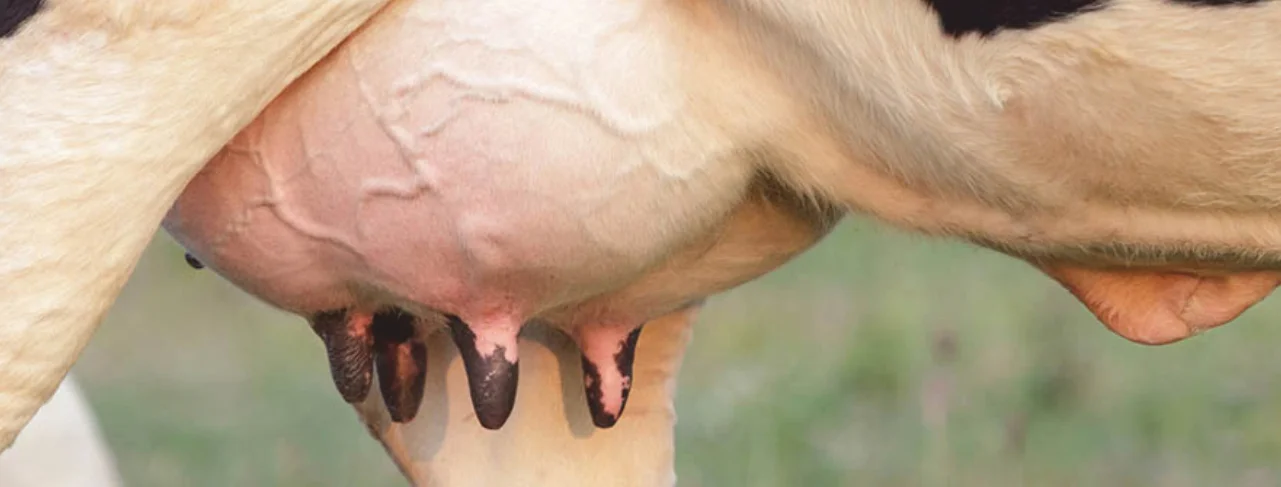
Bovine mastitis is the inflammation of the mammary glands in dairy cows. It usually occurs as an immune response to bacterial invasion of the teat canal by variety of etiological sources present on the farm i.e. pathogenic microorganisms, chemical, mechanical or thermal injuries to the udders.

Types of Mastitis

Prevent subclinical and clinical mastitis in cattle, control bovine inflammatory diseases, and improve dairy herd health. Solution by Vinayak Ingredients India for effective mastitis management.

Clinical Mastitis is an inflammatory response to infection-causing visibly abnormal milk (eg. colour, fibrin clots). As the extent of the inflammation increases, changes in the udder (swelling, heat, pain, redness) may also be apparent.

Subclinical Mastitis is the presence of a mostly asymptomatic infection without apparent signs of local inflammation or systemic involvement (fever, anorexia, shock). If the infection persists for at least two months, the infection is termed chronic.

Mastitis causes financial losses to dairy industries through reduced milk yield, poor milk quality, increased culling and also due to additional expenses on treatment and extra labor. The annual economic losses due to mastitis in India, United States, UK and worldwide have been estimated at $1.1 billion, $2 billion, $371 million and $35 billion (country graph with mastitis expenses), respectively.

The prominent bacteria responsible for causing mastitis include both gram-positive and gram negative bacteria. There is a need to explore alternative approaches for the treatment of mastitis because of their microbial resistance. Moreover, antibiotics in dairy milk have potential downstream effects on human health.

Somatic Cell count

In mastitis, the inflammatory reaction in the udder tissue causes changes in the biochemical composition of milk. Detection of subclinical mastitis is best done by testing milk for somatic cell count (SCC) (predominantly leucocytes) using either California Mastitis Test or automated methods. It is positively correlated with the presence of infection. Inflammatory changes and decreases in milk quality may start with SCCs as low as 100,000 cells/mL. Although variable, an SCC of ≥200,000 cells/mL in a cow indicates a high likelihood of infection.

Herbal therapy is a promising area in treatment of mastitis as no adverse effect is associated with it. Medicinal plants can be used as an alternative therapeutic option or as an adjunct agent in managing bovine mastitis.

Control somatic cell count in milk production with Recomast, improving milk hygiene and quality. Solution by Vinayak Ingredients India Pvt.Ltd. to support dairy health and mastitis management.
 RECOMAST improves ruminal health, maintains osmolarity, and neutralizes acid content in the rumen. Solution by Vinayak Ingredients India for better rumen stabilization and overall cattle health.

How does Recomast cure Mastitis ?

The phytochemicals like Berberine, Tinosporine, Diterpenoid lactones, Glycosides and Curcumin derivatives derived from Tinospora cordifolia and Curcuma longa protect udders against pathogens and its toxins, stopping the progress of infection. Recomast reduces the expression of several pro-inflammatory cytokines and necrosis factors indicating the anti-inflammatory activity. It reduces the pain, swelling and inflammatory discharges which protects udder tissue and assists faster healing. Its analgesic activity of the herbal extract is comparable to that of NSAID’s.

Herbal preparation of Recomast gives analgesic effect along with anti-inflammatory action. It helps in curing inflammation of udder and minimizing oxidative stress systemically.
Recomast contains probiotic Lactobacillus strains which have potent immunomodulatory activity produced by stimulating local and systemic immune response. The direct fed microbial leads to large up-regulation of cytokines, chemokines and neutrophils capable of eliminating mastitis pathogens.

The trace mineral and nucleotides maintain the healthy keratin layer, prevents the entry of pathogen in the udder. Mixture of nucleotides are responsible to build new cells when millions of healthy cells are damaged due to the infection. It accelerates recovery from mastitis and prevents fibrosis formation.

  • It is beneficial because it promotes:
  • 1. Faster regeneration of the lost milk producing tissue in the udder
  • 2. Reduces the somatic cell count of the milk and improves milk quality in 3-5 days
  • 3. It reduces pain, swelling, and clinical signs of the mastitic udder
  • 4. Reduces lactation stress and builds udder immunity after parturition
  • 5. Prevents and cure mastitis without withdrawal period
  • 6. Supportive to antibiotic therapy and rumen compatible
  • 7. Saves extra medicinal costs. Recomast is a holistic preparation for maintaining udder function, improving milk quality and preventing mastitis. It is used at 20 grams per animal per day or 1 kg per MT of feed. Use Recomast and cure mastitis in a scientifically proven and cost effective way.
Organic antimastitis supplement for cattle, a phytogenic natural feed solution to improve udder health and prevent mastitis. Recomast by Vinayak Ingredients India for sustainable dairy farming.