icon-globe
Search Connect with us

Enhancing Nutraceuticals with Soyabean Oil Fat Powder

The Rise of Soyabean Oil Fat Powder in Food & Nutraceutical Industries

With a health-conscious population, there is a huge demand for novel and sustainable ingredients today. Powdered fat is one of the revolutionary products that can satisfy the demand with versatility and functionality. The novel nutritional fat powder has gained significant attention in nutraceuticals and the food industry and thus has a high demand. Fat powder manufacturers in India are playing an important role in delivering such innovative products. Let’s explore the science, applications and benefits of this innovative plant-derived oil powder.
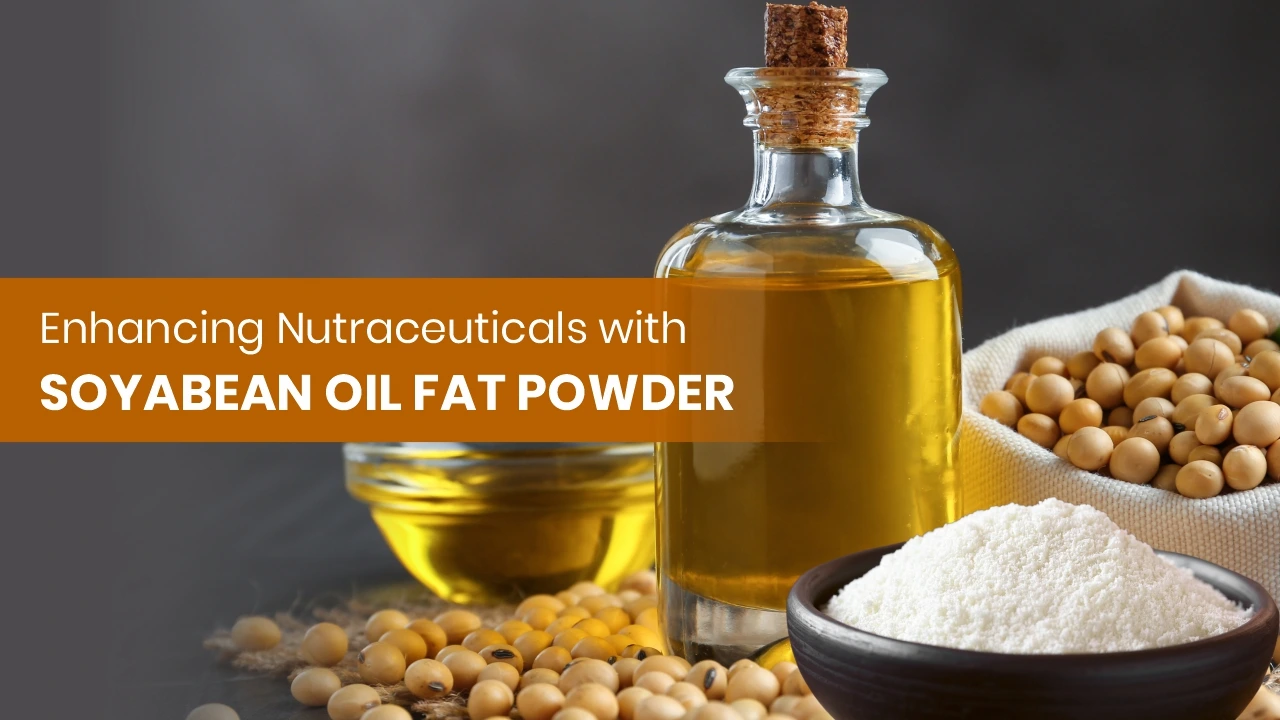
Soyabean oil fat powder with soybeans by Vinayak Ingredients - Manufacturer and Exporter in India

What makes soyabean fat powder special?

Soya bean fat powder is spray dried product derived from fully neutralised, bleached & deodorized Soyabean oil. Here, soyabean oil is encapsulated in a fine, dry and stable powdered form. This powdered fat compared to conventional liquid oils is stiffer in stability, easy in usage and has a longer shelf life. It is rich in vital omega-3 and omega-6 fatty acids, acting as an integral part of several formulations across industries.

Did you know?

Omega-3 and omega-6 fatty acids in lipid powder help to support cardiovascular health, brain function and skin vitality.

The Functional Benefits of Soyabean Oil Fat Powder

Nutrient: This dry fat is an ultimate nutrition powerhouse; it contains the required fatty acids in a stable form, which makes it one of the highest-demand functional fat for nutraceuticals and dietary supplement products.

Improved Shelf Life: This Powdered fat avoids all the mess and complexity attached to the handling of liquid oils; it is easy to mix because of its powdered form and, therefore, in food and nutraceutical industries.

Sustainability: It is a plant-based oil powder, adhering to consumer’s increasing need for more sustainable and environmentally friendly products. Versatile applications from baked goods to nutritional fat powders for supplements, lipid powder has applications across industries that improve texture, flavour and nutritional value. Fat powder manufacturers in India are playing a key role in maintaining sustainability by providing more sustainable ingredients.

Applications of Soyabean Oil Fat Powder in Nutraceuticals

Nutritional Supplements: Functional fat is a staple ingredient in protein shakes, energy bars and dietary capsules. Its ability to enhance stability and deliver essential fats makes it ideal for functional fat powders for nutraceuticals.

Meal Replacement Products: contributes to the high energy density and creamy nature of meal replacement powders and drinks. Its presence ensures these items will meet the needs of consumers, who are more often becoming health-conscious.

Applications of Soyabean Oil Fat Powder in the Food Industry

The application of Soyabean Oil Fat Powder in the food industry is enormous and far-reaching. In bakery products, it results in improvement in texture, the retention of moisture, as well as crumb softness leading to a final sensory quality of cakes, cookies, and pastries. It gives the creaminess and texture that has long been associated with dairy fats. In snacks and beverages, the lipid powder provides creaminess and emulates the mouthfeel of traditional dairy fats.

Meeting Modern Consumer Demands

Increasing health awareness and concern for sustainability, along with a clean-label trend, make this versatile powdered fat increasingly important as the cornerstone of innovation in formulation across industries. This involves looking into how this nutritional fat powder would align with these emerging demands, in addition to why it may come off as that ideal addition for manufacturers looking to play above the curve.

Nutrition Meets Convenience

Demand has been picking up for the health and wellness trend as people clamour for nutrient-rich functional ingredients that blend well into busy lifestyles. Since this is a dry fat, it eliminates the problems brought about by liquid oils- mess and short shelf lives. The long shelf life ensures increased usage and less waste, therefore becoming a practical choice among manufacturers and consumers.

Catering to Functional Food Markets

At this juncture, demand for functional fat in food and nutraceutical applications has never been higher. Flavour and texture are important aspects of product functionality but do not have a bearing on health and wellness aspects for the consumer. Here again, Soyabean oil fat powder hits all these right spots in terms of blending nutrition, convenience, and functionality.

Final Thoughts

Soyabean oil fat powder is changing the face of the food and nutraceuticals industry. These are the features that make it a must-have for manufacturers: It is a rich source of nutrition, has good functionality and is sustainable. Whether you want to improve the quality of bakery products, work on new ideas for dairy-free products or create unique nutraceuticals, this nutritional fat powder is the most important ingredient for innovation. As fat powder manufacturers in India, Vinayak Ingredients ensures you get the best quality encapsulated fats that meet the changing needs of consumers in today’s world.
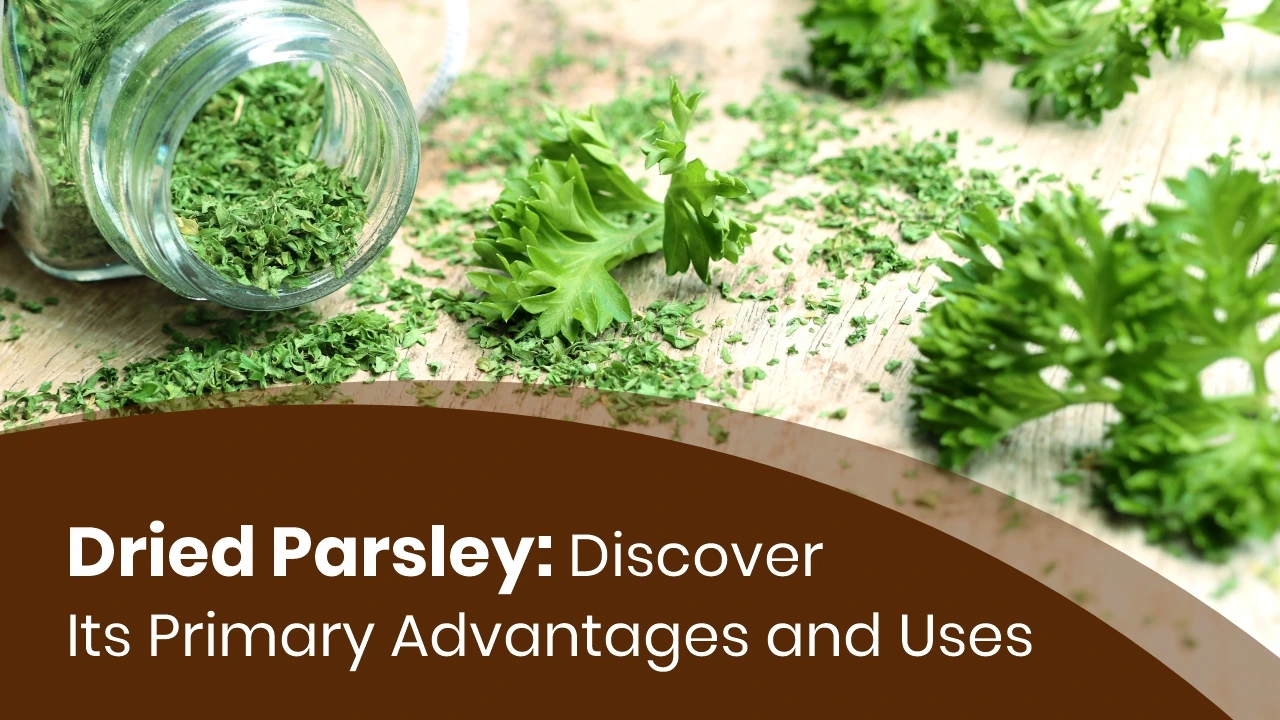
Dried Parsley : Discover Its Primary Advantages and Uses

Versatile Dried Parsley For Snacks, Sauces, Bakery & Instant Food Products.​

Dried parsley by Vinayak Ingredients: Top manufacturer and exporter of natural ingredients

What is dried parsley?

Dried parsley is the dried form of fresh parsley. Fresh parsley is a green herb which has a fresh flavour. To get its essence, fresh parsley dries up in the air; thus, it may last up to one year. It makes parsley very convenient as an ingredient, especially when used in food manufacturing and seasoning products. It retains much of its characteristic flavour and provides a reliable year-round supply for a variety of food applications.

What Is Dried Parsley Made Of ?

It is prepared from fresh green parsley. After Cleaning it of dirt and impurities present in leaves they are dried up using air-drying methods. This is to preserve the bright colour and flavour of the parsley and decrease the moisture content. After processing in this form, different types can further be made according to client requirements such as parsley flakes or parsley powder. Particles from air-dried parsley can either be milled into an excellent powder or passed to a pulverizer for reshaping the flakes. Afterwards, particles are sifted with the vibro sifter, so that they may become uniform in size allowing for a wider use in different processing ways.

What is Dried Parsley Used for ?

Potato Chips:

One of the most common uses of parsley flakes is to make potato chips, which adds aesthetic appeal and flavor. The green flakes add colour to the cream and onion seasonings to make the potato chips appear more appetizing. The crunchy, brittle texture of parsley flakes allows them to mix well with other seasoning ingredients so that the flavour is spread evenly throughout every bite. Parsley flakes make a well-balanced mix of seasoning that enhances the snacking experience.

Snacks:

Parsley powder goes really well with many of the snack foods. It adds an excellent taste to makhana mixes and namkeens. A sprinkle of parsley flakes gives earthy nuttiness in these mixes a touch of sophistication, which makes an ordinary snack stand out.

The mild, earthy flavour enhances the inherent taste of crackers turning a simple snack into something more enjoyable. In popcorn, the parsley is cut through the richness of butter flavour or cheese. It has an interesting depth that makes each of the bites even more appetizing. It works perfectly in seasoned popcorn and it brings this unexpected pleasure of flavour that is going to burst inside your mouth. The earthiness of parsley powder also adds complexity and balance to cheese puffs, onion rings, and savory puff snacks toward the richness of the basic flavours.

Herb mix and retail products:

The main ingredient in pre-measured herb mixes is air-dried parsley, so this product is very suitable for e-commerce retail. Parsley flakes come in a range of types, from whole dried leaves to finely powdered so the consumer can choose the type that suits their needs best. This is a convenient product for cooking enthusiasts and home chefs who like to choose the type of parsley they need for a specific recipe. Leading parsley powder manufacturers in India ensure that these products meet high-quality standards and retain their nutritional and aromatic properties.

Instant Food Products:

Parsley flakes have also been applied to instant food products. When the boiling water is added, this dried parsley rehydrates and releases its subtle citrusy and peppery fragrance, which is revitalized; this gives ready-to-cook meals an aromatic as well as flavorful element as it enhances the taste profiles of soups, gravies, and noodles. The fine notes of parsley provide a fresh contrast to the richness of prepared meals, offering that unexpected yet pleasing burst of flavour.

Sauce:

Air-dried parsley flakes bring their signature citrusy notes alive in sauces, adding them to creamy garlic or tangy tomato bases. Freshness is released from rehydrated parsley and adds complexity and depth as the freshness cuts through creaminess or acidity in the sauce giving a more balanced flavour and nuance. From a classic pasta sauce to a creamy dip, parsley enhances the taste experience overall, refreshing and vibrant.

Bakery Products:

Parsley powder can also be used in bakery products giving a savoury baked item a herbal flavour. It can be added to doughs for bread, crackers or rolls to create an enhanced flavour profile for each product. Its subtle yet quite distinct flavour complements such ingredients as cheese, butter or garlic and can be devoured for a meal or as an appetizer. Whether being used in savoury breadsticks or flavoured crackers with herbs, as a parsley powder supplier in Mumbai, we ensure that the ingredient provides added value in enhancing taste and aroma.

Conclusion:

Dried parsley is the most versatile and essential ingredient for the food industry; it gives a constant flavor, rich color, and availability all year round. Applications include everything from snack foods and instant meals to bakery items and sauces. Thus, dried parsley can play a vital role for a business seeking innovation in addition to adding variety to the products being sold.

We as a parsley powder manufacturer in India, we know what food manufacturers want to achieve and work hard to ensure that we deliver high-quality, customizable solutions, including parsley flakes and parsley powder. We ensure superior consistency, flavor retention and compliance with industry standards through our advanced processing techniques.

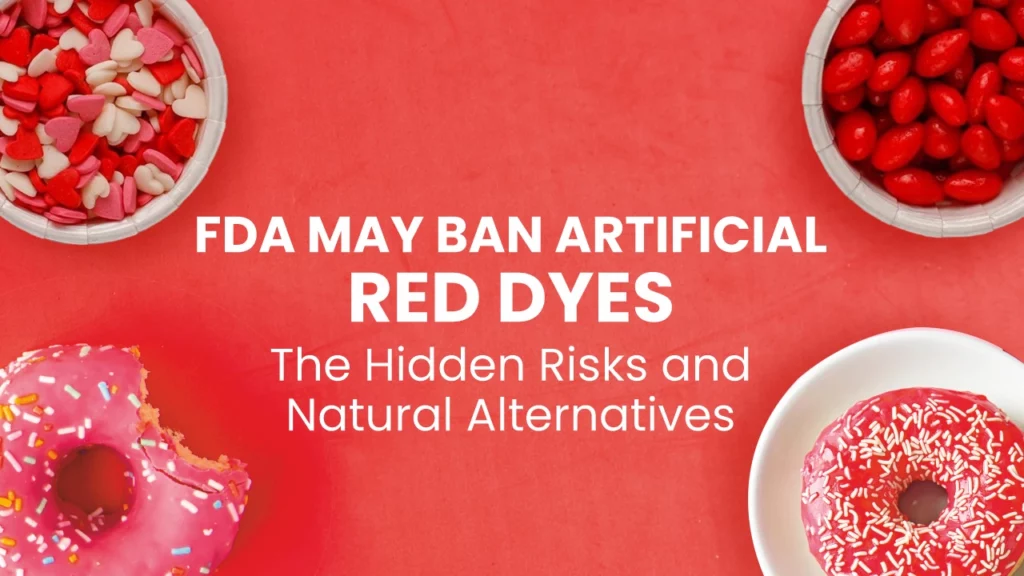
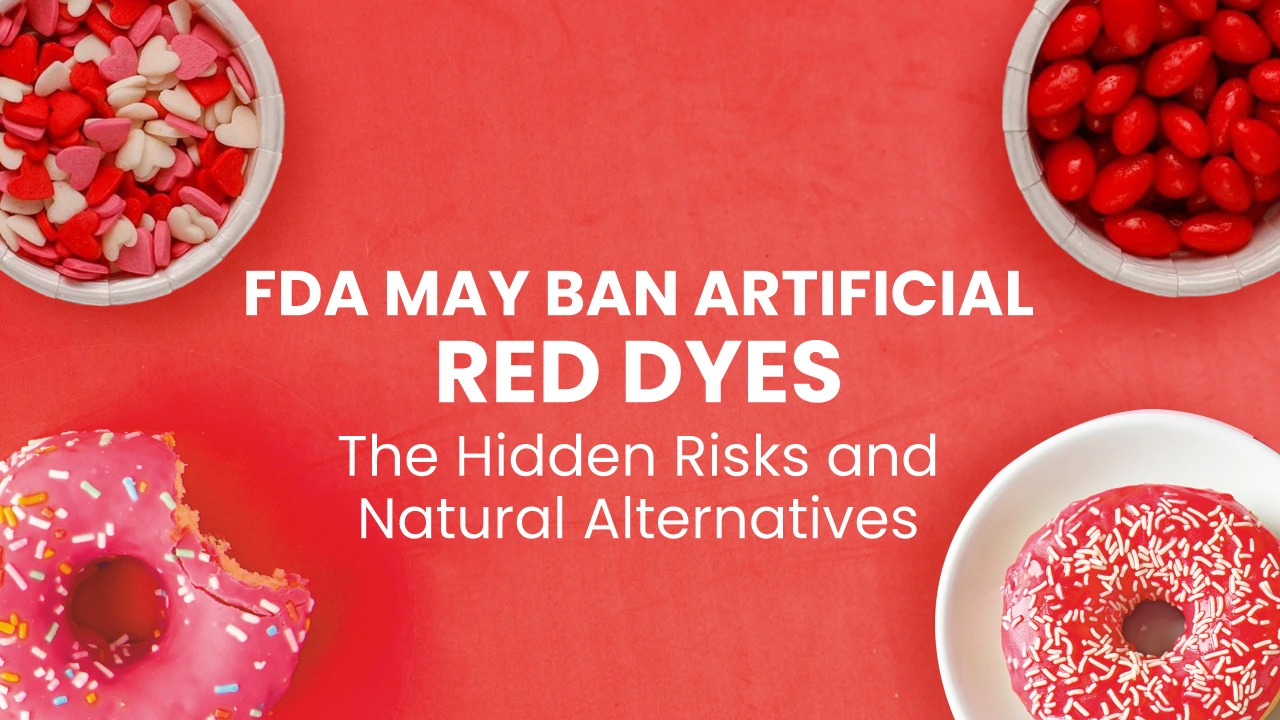
FDA May Ban Artificial Red Dyes: Hidden Risks & Natural Alternatives

FDA May Ban Artificial Red Dyes: Hidden Risks & Natural Alternatives

FDA May Ban Artificial Red Dyes: Hidden Risks & Natural Alternatives

Introduction

For decades, artificial food colours have been used in the industry to enhance product appearance. However, The trend is fading as consumers and the industry change its focus to health-conscious food. Clean-label trends find a way to change the food and beverage industry as society becomes increasingly sensitive to its reliance on synthetic dyes. Natural alternatives which promise both safety and vibrancy have emerged to lead towards a sustainable future for food innovation.

FDA Action Against Artificial Reds

These include the red dyes Allura Red or Red 40 and Erythrosine or Red 3 which have long been suspected of harming health. Most processed foods and beverages contain Red 40 which has been proven to trigger hyperactivity in children and allergic reactions. For example, red 3 used in candies and baked goods has been associated with thyroid tumours and is under consideration for a ban by the FDA.

Other Synthetic Colors

Other synthetic dyes include Yellow 5 also known as Tartrazine, Yellow 6 (Sunset Yellow), Blue 1 (Brilliant Blue) and Green 3 (Fast Green). These additives have been associated with allergic reactions, children’s hyperactivity and carcinogenicity among other potential health risks. Although some countries still allow them, others have put a ban or limitation on these dyes and these are some of the increased concerns over synthetic colours.

Negative Impacts on Human Health

Artificial food colours have been associated with a host of health problems from allergic reactions and headaches to gastrointestinal problems. Chronic exposure has raised questions on genotoxicity and carcinogenicity which is often a controversy starter in the debate over strict regulation.

The Trend is shifting to using Natural Colors from both the consumer’s and industry perspective. These colour alternatives made from plants, fruits and minerals address concerns over synthetic dyes complement clean-label and sustainability trends and therefore become part of a modern process of food production that is safer.

Natural Alternatives to Red Colour Substitution

Artificial red is under scrutiny by the FDA because of its adverse effects on health.  Substitutes for artificial red are vibrant and have extensive applications in industries as different as confectionery or beverage applications. A great alternative is Beetroot Extract – a clean-label solution providing a bright, natural colour appearance. One of the best alternatives where there is a need for a stable, deep red tone is from cochineal insects remains Carmine. Other shades that are gaining popularity are Gardenia Red and Rubra Red due to their innovative applications and unique shades created in food products.

These natural red substitutes not only ensure safety but also diversity so that manufacturers can get the required aesthetic without compromising on quality or consumer trust.

A Glimpse of Other Natural Color Alternatives

The substitutes for other artificial colours provide impeccable results and offer a natural twist to your offerings. For yellows and oranges, Annatto, Curcumin, and beta-carotene give a bright, plant-based alternative. Blues can be obtained from Spirulina, Butterfly Pea Flower and Gardenia Blue delivering rich tones perfect for beverages and desserts. Substitutes for artificial greens can be obtained utilizing Chlorophyll and Green Spirulina whereas the purples using extracts from Anthocyanins, Purple Carrot and natural pigments and whites can replace titanium dioxide with TiO2 replacer. All these alternatives allow one to get all shades possible without losing sight of parameters for safety and sustainability.

Conclusion

It is no longer a trend but a necessity, the push for natural food colors. The more evidence of the risks posed by synthetic dyes makes manufacturers accountable to safety, sustainability and transparency.  Embracing natural alternatives can make the food and beverage industry align with consumer expectations, comply with stricter regulations and contribute to a healthier, more sustainable future. The new era in food innovation has been marked by the shift away from synthetic dyes- a shift that prioritizes aesthetics and well-being.

At Vinayak Ingredients, we take pride in being a leading manufacturer of natural food colors in India. Our wide range of sustainable colour solutions cater to the diverse needs of the F&B industry, Cosmetics and healthcare industry. Whether you’re looking for vibrant reds, calming blues, or refreshing greens, we have the perfect solutions for your products.

References
The FDA May Finally Ban Red No. 3 Food Dye

The synthetic food dye, Red 40, causes DNA damage, causes colonic inflammation, and impacts the microbiome in mice – ScienceDirect

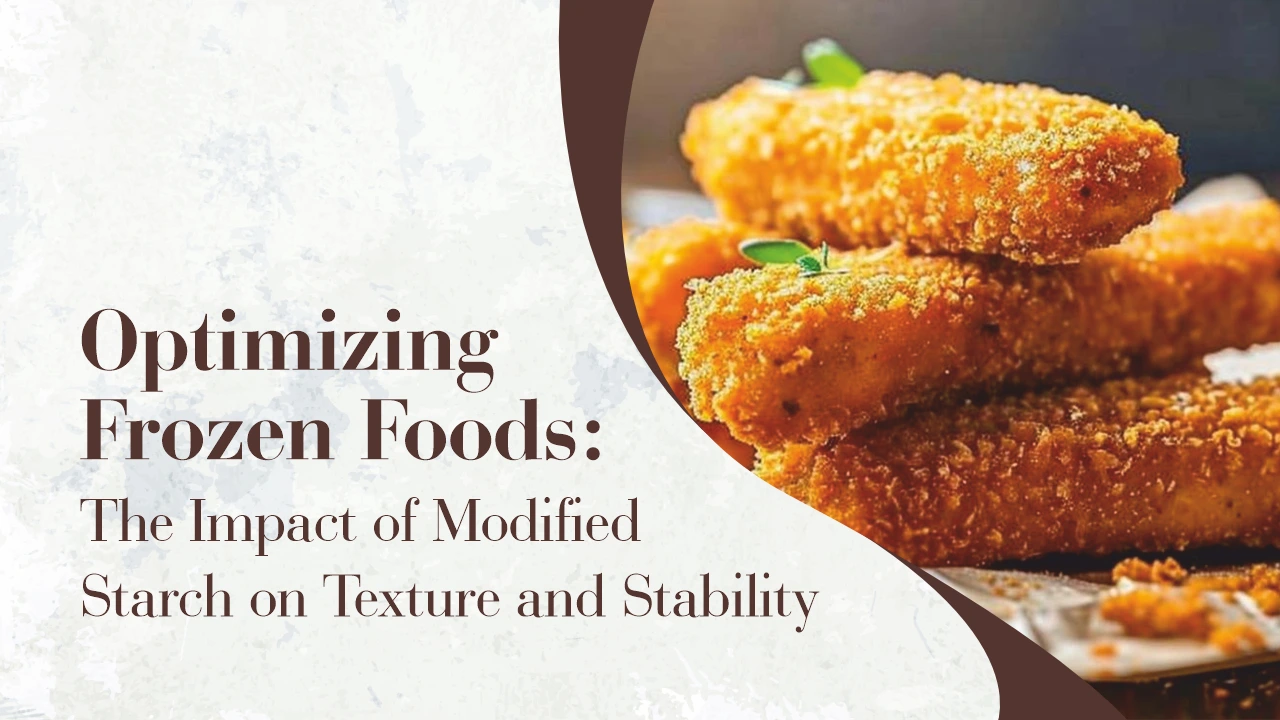
Optimizing Frozen Foods: The Impact of Modified Starch on Texture and Stability

Optimizing Frozen Foods The Impact of Modified Starch on Texture and Stability

Optimizing Frozen Foods: The Impact of Modified Starch on Texture and Stability

Frozen foods have become an indispensable commodity in today’s fast world, offering unmatched convenience, variety, and flavor. Quick-cooking foods save the day on such an occasion. However, the issue involved is very tricky: achieving quality, texture, and stability in frozen foods over multiple cycles of freezing and thawing. Modified starches for frozen food deliver the ideal way to effectively meet these requirements. They not only enhance the functionality and integrity of frozen foods but also present a wide variety of application areas like frozen nuggets, potato nuggets, burger patties, freezer-friendly ready-to-cook mixes, etc. In this blog, we’ll move across the applications and functionality of modified starch for frozen food, especially for frozen foods.

Frozen Food Applications of Modified Starch

Native starches, such as potato starch, tapioca starch, and maize starch, are commonly used but have limitations under extreme conditions; it’s modified to obtain improved functionality, ensuring good performance in food applications. These characteristics make them useful in the production of frozen foodstuffs, hence looking to have consistent quality for the consumer.

Starch Modification Types and Uses

Pregelatinized Starch

This starch is pregelatinized and spray-dried. It gels without cooking, which is beneficial for ready-to-consume frozen foods and can tolerate freeze-thaw stability cycles.

Crosslinked Starch

This starch cannot hydrolyze under acid and heat, thus safe in canned foods as well as in acidic sauce that consists of frozen salad dressing.

Esterified Starches

Esterified starches can improve the brightness and clarity of fruit fillings and confectionery. However, they are anti-retrogradation agents.

Oxidized Starch

While adding improved water absorption and increasing viscosity, oxidized modified starch offers a better texture for frozen bakery goods and fried snacks.

Acetylated Starch

Acetylated starch, known for its resistance to high temperatures and low pH, enhances the mouthfeel and consistency of salad dressings and dairy-based products.

Impact on Texture and Stability

Texture is considered to be an important factor in consumer satisfaction for frozen foods. Modified starch is the ingredient that ensures the texture of frozen food remains appealing after the freeze-thaw cycle. For example, in deep freeze dough, noodles, and dumplings, these starches prevent surface dryness and quality deterioration.

Freeze-Thaw Stability

The freezing and thawing process can lead to ageing and retrogradation of starches in food, resulting in increased hardness and moisture loss. Modified starch comes to the rescue by enhancing elasticity and reducing the degree of retrogradation, resulting in improved freeze-thaw stability. This is essential for maintaining the quality of freezer-friendly foods over time, addressing a common concern among consumers.

Innovations in Starch Modification

The innovation in this sector doesn’t end here. A notable advancement is the rise of modified starch for frozen food, gaining popularity for their clean flavor profile and improved solubility. These types of starches are versatile, finding applications in a wide range of products.

Conclusion

Modified starch for frozen food is revolutionizing the frozen food industry. From improved texture to stability and quality, each type of pregelatinized starch to acetylated starch will have its advantages in matching various frozen food applications.

Consumer expectations for better-quality and more convenient products are constantly on the rise, and therefore, starches that have been modified are essential for frozen foods. It overcomes syneresis, retrogradation, and degradation of texture for frozen foods to deliver an excellent eating experience. Research and development in the modified starch for frozen food sector have shown promising results in improving the properties of the frozen food category. With native starches as main ingredients, tapioca starch, potato starch, and maize starch modification give room for new high-performance product formulation. The manufacturer may continue to rise with such products that make frozen foods the first choice of contemporary fast-moving lifestyles while preserving quality and taste.

Explore possibilities with modified starch for frozen food and elevate your frozen food formulations today!