icon-globe
Search Connect with us

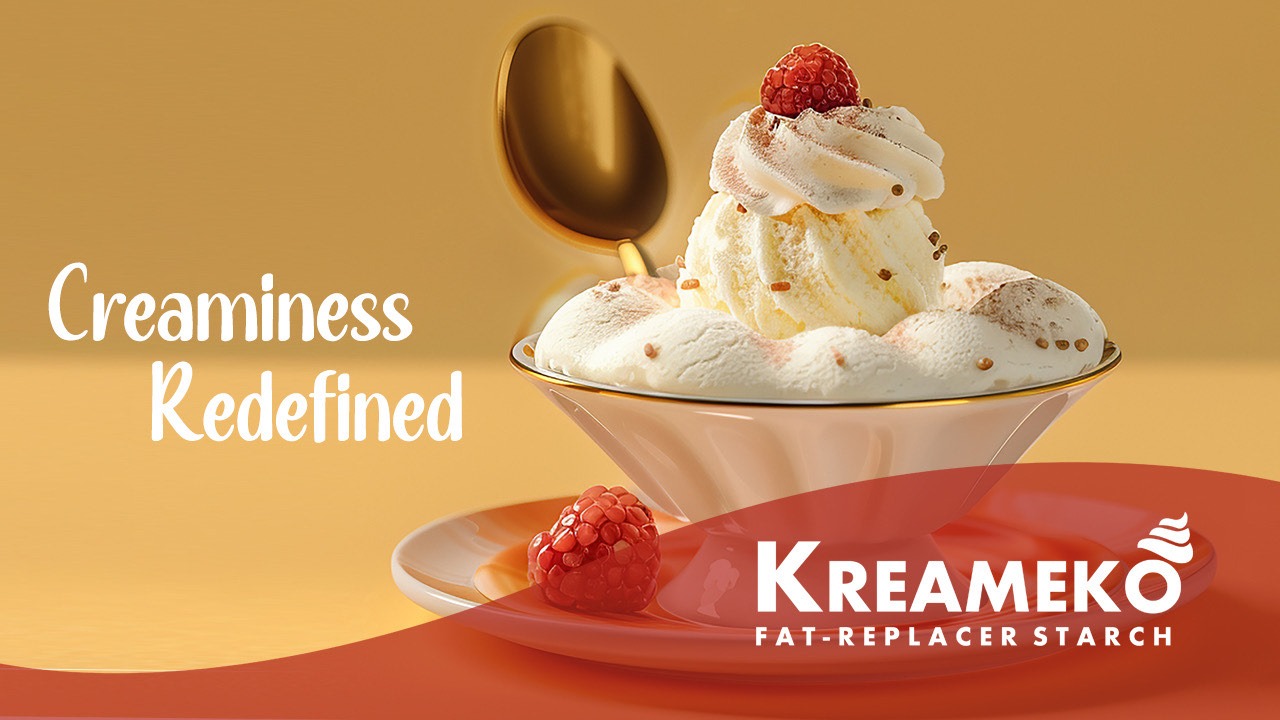
Kreameko: Redefining creaminess in low-fat products

KREAMEKO: The Ideal Fat Replacer for Creamy Low-Fat Food & Desserts

There is an enormous demand from health-conscious consumers for low-fat alternatives that do not compromise on flavour or texture profile compared to the traditional versions. Food manufacturers face a challenge in producing low-fat products that mirror the creamy mouthfeel people expect in traditional versions. It will be challenging to reduce saturated fats without suitable modified starches to replace them. While healthier, unsaturated fats are detrimental to desirable textures and flavors and can harm shelf life and quality in general. As such, the companies are left with a need to balance healthier choices with consumer demand.
Kreameko: Redefining creaminess in low-fat products

The Dynamic Alternative for Food Manufacturers

KREAMEKO is a starch that has been modified to enhance the mouth-coating properties of high-moisture food systems. Formulated for liquid-based applications and enriches the texture of various food products such as ice creams, kulfis, frozen desserts, thick shakes, non-dairy beverages, and some traditional Indian sweets like basundi, rabdi, and kalakand. It adds creaminess and enhances the viscosity, making it heavier on the mouthfeel. It emulsifies and co-texturizes like fats, so food developers can create low-fat products which preserve the body and the melt-away nature of their full-fat counterparts at an economically effective solution.

KREAMEKO also initiates the formation of viscosity within the aqueous phase of ice cream and inhibits ice crystal growth, resulting in a better texture in low-fat ice creams. Being taste-neutral, it seamlessly blends with other components, hence its applications are well-suited for flavor-sensitive food systems.

Market Trends and Health Challenges

The low-fat and low-carb food market is expected to grow to USD 5.2 billion in 2023 to reach USD 9.7 billion by 2033. Demand is primarily growing due to the increase in chronic diseases, convenient food adoption rates, and Ketogenic diets. North America dominates the market followed by Europe, and Asia Pacific is growing at a very high pace due to health awareness. Innovations in food technology and the introduction of functional foods are further enhancing the market potential. However, issues such as taste and texture changes and governmental restrictions on fat replacers may hinder acceptance and growth.

Demand for Low-Fat Ice Creams

Increasing health awareness among consumers pushed low-fat ice creams into the mainstream. All of the products are for those health-conscious people, who want indulgence without the accompanying guilt, offering fabulous choices in keeping with a host of diet-related goals.

No matter how wonderfully diverse healthy options become, the dessert aisle remains to be shallow. Entrepreneurs have upped their game to fill in the gap by indulging customers with over-the-top and more decadent desserts using healthier ingredients. This is not only in response to market demand but also contributes to a wider trend toward better nutrition and general well-being.

Applications: The Difference Added to Culinary Creations

KREAMEKO alters the texture and mouthfeel of foods, making it a delightfully creamy experience.

Ice Cream and Frozen Desserts

For frozen desserts, it should have a rich and creamy texture in the final form. KREAMEKO is great in ice creams and frozen desserts, with a mouthfeel that will bring customers back again and again. It is used to increase viscosity and retard the growth of ice crystals, allowing reduced-fat ice creams to have an appearance and feel comparable to full-fat versions, but without any icky crunch.

Beverages and Thick Shakes

KREAMEKO Drink Mix and Thick Shake Mix: Drinks and thick shakes are no longer a trade-off between fullness and creaminess. Whether in the guise of a rich chocolate shake or a refreshing fruit smoothie, it makes all the difference in an end that is velvety textured and balances the call in the drinking experience.

Indian Traditional Desserts

KREAMEKO impacts Indian traditional desserts very significantly. For desserts like basundi, rabdi, and kalakand, the starch modification brings just the right amount of creaminess and body to allow manufacturers to make low-fat versions without sacrificing the authentic taste and texture.

Cost Saving for Manufacturers

KREAMEKO is highly economical, producing the same quality but cutting production costs. The replacement of traditional fats with KREAMEKO lowers ingredient costs but increases shelf life, thereby boosting the profit margin.  This cost-saving and waste reduction ability with improved quality makes KREAMEKO a sure-shot winner in the marketplace at the top shelf position as a modified starch manufacturer.

Conclusion

KREAMEKO is revolutionizing the way food innovations happen, allowing food manufacturers to create great-tasting and textured products while still making satisfying lower-fat claims. This specialty starch improves ice creams and frozen desserts with greater viscosity and stability, thereby saving production costs and waste. Transform your products with the transformative potential of KREAMEKO. For further details and samples, contact Vinayak Ingredients today!
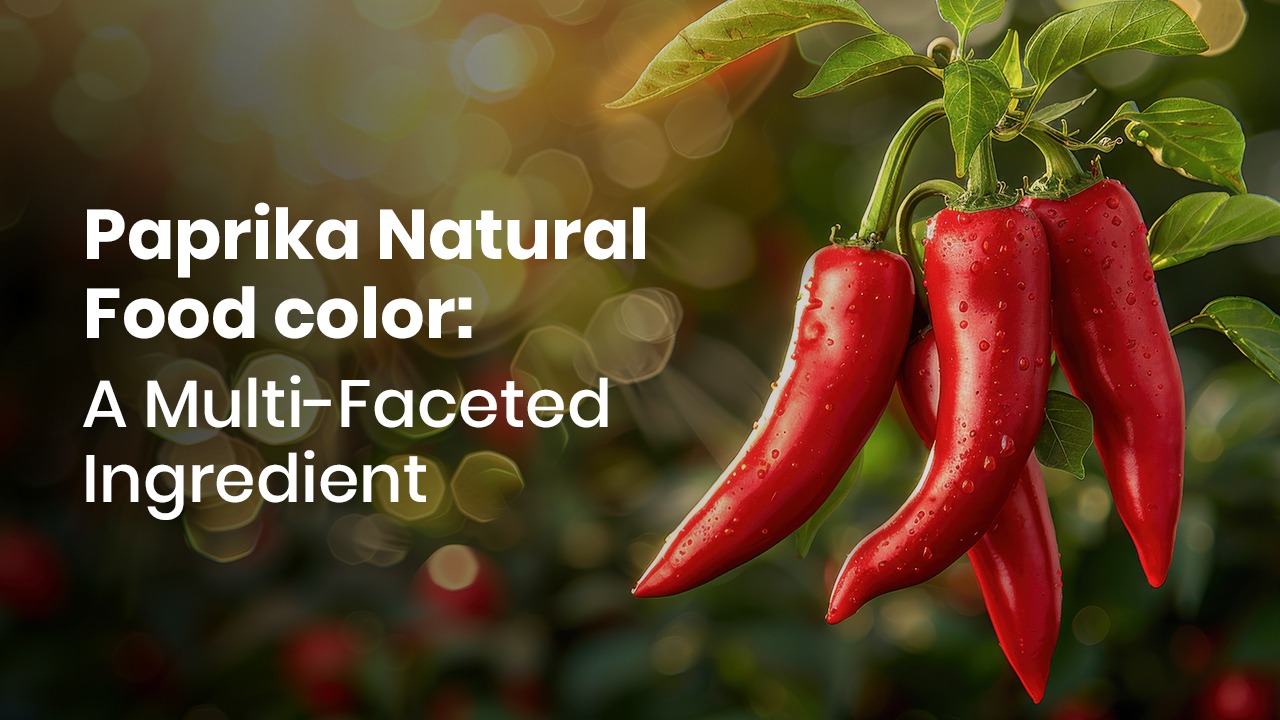
Paprika Natural Food color: A Multi-Faceted Ingredient

Paprika Natural Food color A Multi-Faceted Ingredient

Do you remember the reddish-orange color of that perfectly grilled paprika chicken or the glistening of a classic Hungarian goulash? The mystery lies not in artificial food dyes but in a single, really potent spice: paprika natural food color. This versatile ingredient has much history behind it and a surprising depth to its flavor, so much more than simple aesthetics. Derived from Capsicum annum, paprika lends that warm, inviting touch to your dishes. Depending on the type of paprika used, it may give an aftertaste which is often smoky. This makes it a versatile and natural alternative to synthetic colors.

Be it natural red food color for sausages or orange color for snacks, paprika colors can add that splash of color to your food without reducing the flavor. Vinayak Ingredients offers oil-based as well as water-soluble paprika oleoresin for different applications. 


A Spectrum of Tones: Exploring the Warmth of Paprika

Paprika, with its warm tones ranging from deep orange to rich red, enhances the visual appeal of meat products. As a natural colorant, it lends vibrant hues to sausages, smoked meats, and marinades, elevating product presentation. Its dynamic color enhances both visual and taste appeal, offering a natural alternative to artificial dyes. For meat manufacturers, paprika delivers not just aesthetics but solutions that meet consumer demand for natural ingredients. 


From Garden to Garnish: A Spicy Journey Through History

Paprika, a pepper extract introduced to Europe centuries ago, is now one of the most important ingredients in food production worldwide. Because of its long and proud history, it is widespread among commercial food industries. Such a common coloring agent is created as a natural alternative to other artificial colorants. Paprika is a clean-label solution for the food manufacturer: it enhances the vibrant hues of processed meats, adds depth to sauces, and satisfies consumers’ demands for more natural ingredients without compromising on flavor or appearance. 


Beyond the Rainbow: Possible Health Effects of Paprika

Paprika isn’t just about color and flavor. It also has notable potential for health benefits due to its rich content of vitamins A and C. These vitamins help maintain strong eyesight and a healthy immune system. Some even contain capsaicin, also known for its ability to ease pain as well as being anti-inflammatory. Thus, there is still much to be learned, but certainly, paprika is a very  flavorful, healthy addition to the cuisine. 

 
Paprika Oleoresin: coloring agent and  flavor enhancer

Paprika oleoresin is a natural, stable product that gives a natural boost to color and flavor without impacting the food adversely. The oleoresin, due to its capsanthin and capsorubin, has various bright shades that range from pale yellow to fiery reddish orange. More than aleuropein oleoresin, this has greater stability to acid, light, and heat; it is thus capable of all food applications with consistent look results throughout the range of dishes.

 Paprika fits into multiple lines of meat products ranging from sausages and hot dogs, through burgers, to processed meats. The deep colors enriched the color line of these meat products while a subtle paprika  flavor imbued earthly tones to the general taste. For soups and sauces, paprika adds flavor and color; from tomato soup to chipotle sauce, delicious smoky  flavors create a pleasing appearance in the dish.

Paprika adds color to seasonings and marinades. Vibrant colors add a sensory thrill before the first bite from a marinade, while rich tones are also flaunted in chips, pretzels, crackers, and pastry items in snacks and  savory baked goods. 

 Paprika also has potential applications beyond its usual  savory uses. It would be applied to pre-packaged foods and canning products. The stability of paprika ensures stable coloring in pre-prepared meals as well as in canned items, giving an appetizing appearance that lasts. Because it holds color very well across all applications, its flexibility makes it a suitable choice where color is a great requirement. 

 
Selecting the Right Form of Paprika Oleoresin

The proper form of oleoresin paprika will have to be selected to obtain the right effects. Water-soluble liquids and powders are useful in sauces, soups, and beverages to create a smooth animation of color. Oil-soluble liquids may be used in fat-based products including mayonnaise, processed cheese, and spreads. All forms of oleoresin stabilize in a variety of conditions where the product will finish with vibrant appearance and rich  flavor. 

 
Color Confidence in Food Applications

Paprika oleoresin has excellent stability in food products, showing vibrant color up to high processing temperatures. Highly resistant towards light and pH variation, it delivers consistent coloration applications like meat products, snacks, sauces. However, the depth of flavor is beyond the appeal of color; it comes with the nutritional benefits of vitamins A and C, aiding in immune function and anti-inflammation. We at Vinayak Ingredients specialise to offer you natural solutions like paprika oleoresin for the richness in color and flavor to enhance your products. 

Do you want to find alternatives to artificial colors? Try our paprika extracts for a beautiful, flavorful, and natural enhancement. Contact us today to explore how Vinayak Ingredients can transform your next culinary innovation.

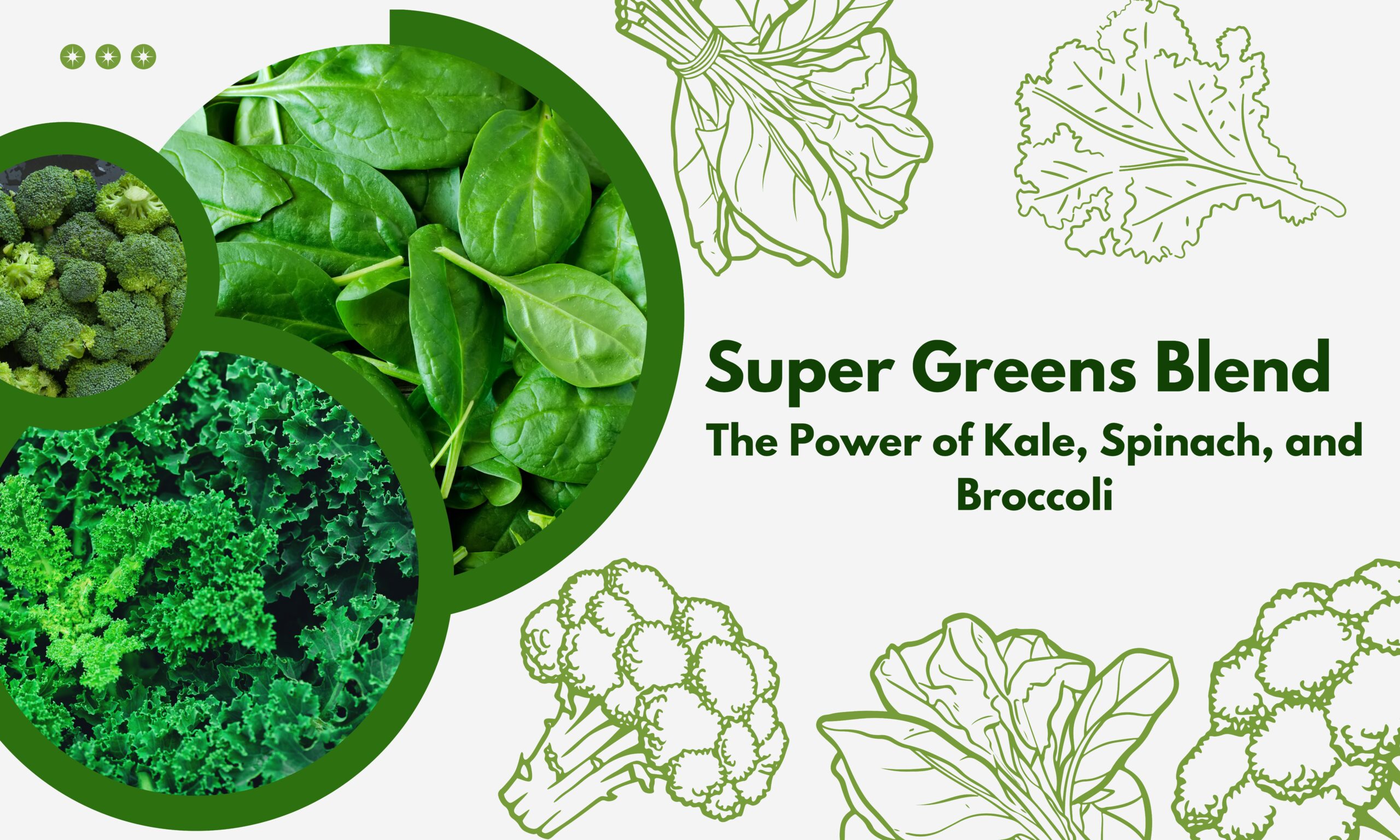
Super Greens Blend the Power of Kale, Spinach and Broccoli

Super Greens Blend the Power of Kale, Spinach and Broccoli

Ever wonder how a handful of greens can supercharge your health? The idea of super greens-kale, spinach, and broccoli is not about the average vegetable nutrient powerhouse but is packed with essential vitamins, minerals, and antioxidants, scientific research confirms. From immunity enhancement to fighting inflammation, they offer much more than just adding colour to meals. Given today’s fast-paced living, super greens are increasingly important in modern diets. During today’s fast-paced life, when almost everyone is trying to live a healthier life, super greens indeed present one with an easy, natural way to round up everyday nutrition. Whether blended into smoothies, added fresh in salads, or even mixed into snack bars, kale, spinach, and broccoli easily fit into many foods. Their versatility makes them accessible for many diets, including vegan, vegetarian, and gluten-free, answering demands for more plant-based nutritious choices.

It addresses the whole modern shift toward preventive health. Super greens are increasingly in the consumer’s psyche to fuel their bodies with wholesome ingredients that keep them healthy for the long term, rather than just bridging deficiencies with processed, synthetic alternatives. There are a variety of benefits super greens bring about: improving heart health, digestion, even skin health, and brain functions. They become an integral part of daily nutrition. How does one use super greens in their products or meals with their increasing popularity?

Nutritional Value of Super Greens 

Ever wondered how super greens can revolutionize the outlook of your health? Kale, spinach, and broccoli are a few of the nutritional foods. Kale houses glucosinolates, which may prevent cancer by detoxifying harmful substances in addition to lutein and zeaxanthin, both antioxidants that protect your eyes from blue light. Spinach is rich in nitrates, which have proved to reduce blood pressure and further advance vascular functions. It is also an excellent source of non-heme iron, which is very helpful in increasing energy and oxygen transportation.  Similarly, broccoli helps keep your eye health, cardiovascular functions, and detoxification processes intact. Adding superfood powders like Kale, Spinach, or Broccoli Powder to your meals will give you an added boost toward wellness with so much more ease. Welcome the super greens for a healthier and stronger life!

Dried and dehydrated super greens are ultimate in terms of convenience and versatility for health-conscious consumers and business into health foods. Advanced dehydration and spray-drying techniques preserve their nutrition and extend shelf life. Unlike fresh, this green dried variant is portable, lightweight, and can be integrated into foods and beverages with ease sans affecting texture or flavor. Scientific studies have shown most vitamins and minerals are retained with these methods for an effortless nutrition boost.

Dried super greens have also boasted several key health benefits. High in fiber, they help digestion and gut health. Anti-inflammatory phytochemicals lower inflammation due to flavonoids and carotenoids, while vitamins A, C, and E maintain and preserve immune and cardiovascular health.

Benefits of incorporating dried Super greens in your creations

Super Greens Blend the Power of Kale, Spinach and Broccoli


Incorporating Dried super greens into your offerings

Looking to raise the bar on nutritional value within your product offerings? In that aspect, incorporating dried super greens is just perfect! Adding Broccoli Powder to beverages enhances antioxidant activity without compromising taste. In snacks, Spinach Powder elevates the nutritional profile while maintaining flavour and shelf life. The use of dried greens increases the micronutrient density in meal kits, making your meal more than just calories. On that note, even in supplements, kale powder and broccoli powder provide concentrated antioxidants and essential nutrients, with research to back up their bioavailability. Understand how dried super greens can elevate your products and provide health-boosting benefits to your consumers.

Conclusion

Super greens – from kale, spinach, and broccoli- are the powerhouse of health benefits, ranging from support for cardiovascular health and immune function increase to good digestion and detoxification. Business-wise, adding dried and dehydrated super greens like Kale Powder, Spinach Powder, and Broccoli Powder into various products will elevate the nutritional value of the product and appeal to the health-conscious consumer. Whether beverages, snacks, meal kits, or supplements, the inclusion of these nutrient-rich super greens presents a great opportunity for value differentiation of your offerings in the competitive market. Vinayak Ingredients’ ECOFLAV brand provides spray-dried, freeze-dried, air-dried, and dehydrated super greens of the highest quality, which can fulfil varied application requirements. Ready to take your products to the next level with premium ingredients? Contact us today and discover how our super green solutions can turbocharge your product line and take your business to the next level!

MODIFIED STARCHES: Enhancing Quality and Performance

MODIFIED STARCHES: Enhancing Quality and PerformanceJust imagine how one ingredient alone could transform food products. Modified starch is changing the face of the food industry; here’s how: These specially altered starches, through chemical, physical, or enzymatic tweaks, are engineered to thrive under extreme conditions like high heat, acidity, and freezing. They’re more than ingredients-they’re problem solvers.

Modification of starches can make each loaf and pastry in bakeries perfectly soft and fresh, providing a longer shelf life. In snacks, they achieve the perfect crunch that keep people reaching for more. Ensures that every single bite of sponge cake is moist and tender. But that is not all; they provide richer mouthfeel and textures in beverages without altering the taste.

Think that cheese and meat products couldn’t get any better? Modified starch is very useful in enhancing texture and improving moisture retention in those products. And those crispy coatings on fried foods? Modified starch helps attain the exact crunch while keeping oil absorption to a minimum.

How would the magic of modified starches help your products? Find it all in this blog, how such versatile ingredients meet the challenges head-on, giving a boost to your food creations.

Modified Starch Solutions for Baking Needs


In the quest for baking perfection, many businesses encounter challenges such as texture and moisture retention issues, which can lead to staleness, a dry mouthfeel and the list just goes on. Gluten-free products in terms of consistency and structure are challenging to formulate . Additionally, achieving a good shelf life while maintaining freshness and quality is also a major challenge. Starch modifications offer solutions to all these challenges at bakeries. These are best known for their improved thickening features, hence enhancing viscosity in both batters and doughs to form strong structures for different baked goods. This excellent thickening is essentially important to achieve the desired consistency and to ensure that baked products retain a good shape.

Another great advantage of modified starch is the aspect of moisture retention. It acts as a moisture barrier to prevent baked goods from getting dry and crumbly while retaining an appealing level of moisture in the finished product. This will not only enhance mouthfeel but can also prolong the shelf life of such products. The other main role that modified starch will play in bakery products is the improvement of texture. It contributes to a soft, tender crumb with important structural support. Modified starch is applied to baked goods, such as bread, cake, and pastry, for the improvement of mouthfeel and palatability in appealing textures. It is an excellent replacement for people with gluten intolerance or vegans. It can imitate the wanted texture and structure that usually come with the traditional ingredient and provide varied options for diet.

Modified Starch Solutions for Beverage Manufacturing

Two of the major problems with beverage formulations are viscosity control and stability. These beverages can look unappealing when sedimentation or phase separation occurs , which makes them seem of a lower quality. This can be quite a challenge when trying to reach an ideal viscosity since one would not want to lose flavor or clarity. Modified starches might provide a very good solution for that kind of problem. They act by preventing sedimentation and phase separation over the shelf life of a product, giving good texture and appearance. The modified starches will also provide accurate viscosity control: modify mouthfeel without compromising flavor or clarity. They link together water and fat molecules into a homogeneous mixture which is stable to provide emulsification and stabilization at the molecular level. This further prevents undesirable phase separation and sedimentation. Modified starches are a real treasure for the manufacturers, who seek solutions to a host of problems relating to stability and the improvement of texture; these become invaluable in ensuring maximum performance in drinkable yogurts, protein shakes, and premixes.

Modified Starch solutions for Snacks industry

Snack production presents unique challenges, particularly in achieving the desired crispiness and expansion in extruded snacks. The problem of excessive oil absorption during the frying process is one that producers frequently deal with; this could result in a subpar finished product that consumers might not find appealing. By precisely altering the starch’s behavior during processing, modified starches will provide the appropriate response.

These modified starches improve the extrusion cooking process’s gelatinisation, which encourages expansion and results in a crispier-textured product. The mechanism works by making starch more capable of binding water; as a result, more steam is efficiently captured during cooking, making the snack lighter and more airy.

Modified starches create a critical barrier on a snack’s surface during frying especially in applications like coated crispy peanuts. Because of the structural alterations in the starch, the barrier increases its impermeability to oil and decreases oil penetration. This results in a snack that absorbs less oil, maintains its ideal texture, and gives consumers a lower-fat, healthier option.

According to science, modified starches prevent starch from retrograding and gelatinising. This crucial procedure controls how fried foods absorb oil and how their texture is formed. By refining these methods, modified starches guarantee that snacks are light and have a balanced crunchiness, making them an essential component in the creation of high-quality fried meals that satisfy the demands of health-conscious consumers.

Modified Starch Solutions for Cheese and Meat products

One of the biggest challenges in the production of low-fat types of cheese and meat is maintaining proper texture and moisture. While consumers increasingly seek healthier options, the absence of fat too often gives way to dry, hard-to-chew products that are not as satisfying to the mouth. Modified starches act very effectively as fat replacers, helping to solve this problem by mimicking a number of the functions of fat, while improving the texture in low-fat cheese and meat products. Even from those positioned as healthier options, the consumer still expects a creamy or tender result.

Other significant roles of modified starches relate to water retention during processing and cooking. The loss of moisture makes many products dry and tough, which is not good for quality. Modified starches are extremely good water binders, maintaining the juiciness of meat and the creaminess of cheese in cooking. Their properties of water binding give more juiciness and help to raise the overall quality and shelf life of the product.

These modified starches, at a technological viewpoint, interact with water molecules to form a stable network and, therefore, lock the moisture inside. Under high temperature, they keep the moisture within. This will ensure that the products are uniform and attractive, without defects such as dryness or poor texture.

Modified starches represent the practical response to emerging demands related to healthy foods. Thus, being fat replacers and water binders, modified starch helps maintain low-fat cheese and meat products, keeping the quality of the products while bringing the perfect texture with moisture retention.

Conclusion: 

In the evolving food industry, modified starches have come to the fore as an indispensable ingredient that drives innovation and overcomes challenges throughout various sectors. Whether chasing perfection in the texture of low-fat cheese and meat products, maintaining fresh moisture in baked goods, or crispiness with oil control in snacks, modified starch offers versatile solutions. These specially engineered starches not only replace functions of fat but also serve as very strong water binders, thus allowing the making of products to respond to demands from health-conscious consumers without losing quality.

From bakeries and beverages to snacks, dairy and meat products, the role of modified starch would be pretty clear: to maximize product performance and texture, to extend shelf life. With continuous innovation, food manufacturers can understand and make use of the potential of modified starch for healthier but also more-pleasurable-to-consume products.

Apart from being an ingredient, modified starches are solvers of two of the most difficult problems that face food production today. Moreover, its bright prospects seem limitless with the growth in demand for healthier, high-value products.