icon-globe
Search Connect with us

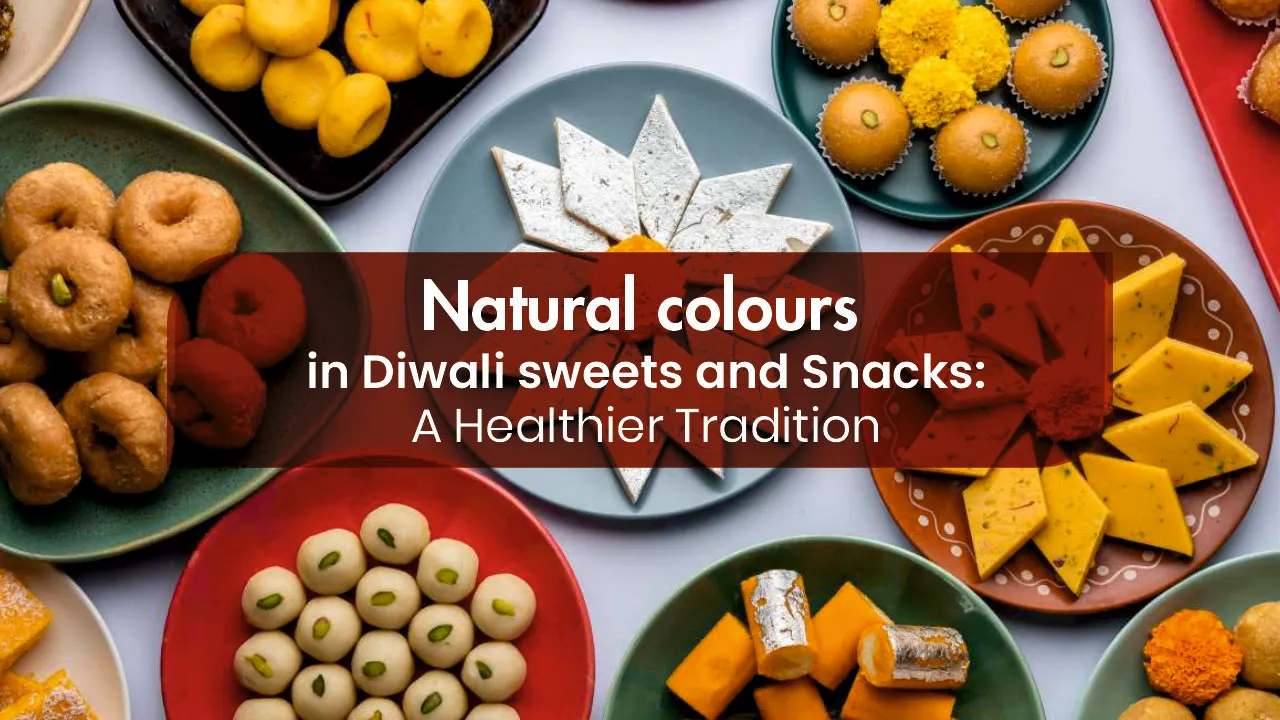
Natural colours in Diwali sweets and Snacks: A Healthier Tradition

Natural colours in Diwali sweets and Snacks A Healthier Tradition

As Diwali approaches, it brings the warmth of festive lights and the joy of togetherness. As a family, it brings out the aroma of the sweets and snacks, the true reflection of the rich Indian culinary world. Just as we are about to enjoy these sweet bites, we cannot forget the role of natural food colours from India and modified starches. These ingredients make sure our Diwali favourites, including delicious moti choor laddoo, pista barfi and gulab jamun, not only look good but also are healthier for us.

The festive season has already begun with much intensity, as home lights twinkle in the quiet night, sweet aroma comes wafting from fresh sweets filling our atmosphere, and happy sounds of family gatherings fill the air. Diwali is not just a festival of lights but a celebration of rich traditions, familial ties, and delectable foods that connect us all to our roots.

Have you ever wondered why Diwali sweets and snacks are so colourful? From the bright yellow of the mouth-watering motichur laddoo to the green of pista barfi, every colour we connect with is from nature itself, just like the traditions we hold closest to our hearts.

The Technological Enhancements of Traditional Treats

The bright colours of sweets of Diwali certainly have their origin in synthetic food colourants, from the sunny yellow of motichoor laddoo to the earthy green of pista barfi. Perhaps these artificial colours may make the sweets look more colourful, but they create issues among consumers as far as health is concerned. Natural food colours have thus become inevitable because these ingredients not only add to a visual appeal but are also seen to be in sync with an ever-growing trend of safety in food ingredients.

Modified starch is one of the key ingredients incorporated into the formulation of these tasty snacks and possesses attractive properties through which both texture and functionality are improved.

Natural Colour and Its Uses

Natural colours extracted from plant sources are gaining mass popularity because they not only impart colour to the final product but also add health benefits and aesthetic qualities to them.

These are useful in numerous Diwali sweets, some examples are as follows:

Motichoor Laddoo: Curcumin is used to obtain the golden yellow colour which not only serves aesthetic purposes but also health reasons.

Pista Barfi: The natural green obtained from a natural green source adds a very bright colour to the product without the addition of artificial additives.

Peda: Caramel colours of natural origins can be added to enhance the rich brown colour and give it an intense hue.

Such a transition from synthetic to natural ingredients mirrors the broader movement of consumers toward healthier options.

Texture and Crunchiness Enhanced by Modified Starch

Texture is an important element in making Diwali snacks more appealing. Modified starch enhances the crispness of fried snacks. It further ensures product integrity and provides a longer shelf life, an essential characteristic that manufacturers look for when selling widely distributed products.

Other snacking applications of starches include:

Coated Nuts: Modified starch in coated nuts gives uniform coatings, adhesion, texture, and crunchiness, facilitates flavour release, and ensures stability, besides enabling product tailoring.

Modified starch is applied in the production of extruded products requiring light, crispy texture to satisfy consumers’ preferences. The film-forming property allows the application to get evenly applied to the product with minimal ingredient variations in viscosity. This ultimately results in a delicious bite of masala peanuts as the previous one, and functionality is, therefore, important in producing extruded snacks since texture forms the basis of satisfaction for a consumer. Modified starch can also be used as an effective thickener for dips and sauces. It can be a healthier alternative since it does not add fat or affect the flavour and texture.

Accepting Sustainability: Call for Action

With more consumers embracing natural food colours and modified starches, manufacturers need to realize the capabilities of these ingredients to fulfil consumer needs.

The call for sustainability and health rings louder this Diwali. It is time for the makers to take charge in redefining traditional sweets and snacks by using these high-quality safe ingredients.

We at Vinayak Ingredients are leading this movement with a range of natural colours and modified starches that help food manufacturers manufacture superior products. We are capable of creating solutions for the ever-evolving market, which helps sweets and snacks pay homage to tradition while embracing innovation.

Conclusion: A Healthier Tradition

As we celebrate a shift towards natural colours and modified starches into our food cultural heritage, we promise to use quality ingredients so the sweets and snacks shared with family and friends are not only delicious but healthy too. Choose wisely, celebrate richly, and let the vibrant colours of nature shine your Diwali.

How Modified Starch is Elevating Baking: Efficiency Meets Innovation

modified starch

Over the years, the bakery industry has changed dramatically with the introduction of modified starch-versatile ingredients that not only redefined the way we approach baking but also served as a cornerstone for creating delectable baked goods. In this review, we take a tour to explore in-depth and analyze the complex application of modified starch in the baking industry, including its benefits and its transformative effects in terms of prospects.

The pivotal role of Modified Starch in Baking

Modified starch enhances the baking performance by improving texture, stability, and storage life. It controls moisture content and prevents stickiness in cakes and pastries. Cross-linking modifications do not degrade at high temperatures of baking (120°C to 230°C). Therefore, they provide good structure and texture like soft crumbs in cakes and a tender bite in cookies. Also, there is reduced syneresis in frozen products, which thus retain texture upon thawing, and viscosity is controlled to give smooth batters for proper rise. It hence makes modified starch an essential addition in improving the quality and functionality of various baked foods.

The plethora of benefits offered by modified starches in the bakery industry

Improved texture and volume

Modified starch is the master designer for superior crumb structures and improved volume in cakes and baked goods. Thus, it brings products that are not just pleasant-looking but far more palatable.

Improved Stability

Under the shear forces and wide fluctuation of temperature in the baking environment, the stability bestowed by the modified starch is called upon, whereby the product remains constant through the stages of baking and also in storage.

Fat Substitution 

This can be an excellent fat replacer because it is considered one of the modified starches that can be applied for use in healthier alternatives in crème. This way, the calorie content is reduced without the taste or texture of baked goods and can be offered to a health-conscious consumer.

Cost-Effective Solutions

Modified starch is a versatile ingredient that improves the batter and dough texture, provides stability, and increases shelf life while saving costs. Through its ability to help regulate moisture, enhance heat stability, and extend product freshness, it prevents waste by reducing spoilage and failed batches. Freeze-thaw stability is also enhanced, ensuring high-quality frozen goods after thawing. With its price being very affordable and it being efficient in production, modified starch helps get a consistent quality of products with optimal use and reduced waste costs, thereby becoming a shrewd investment for quality and economic gains.

Freeze-Thaw Stability

Of all freeze-thaw cycles, frozen bakery products present one of the more difficult challenges. Modified starch performs well at such cycles so that even when frozen and thawed later on, the integrity of the product will still be kept intact.

Overcoming Challenges of Modified Starch Usage

As handy as the use of modified starch may be, it also brings some challenges. The quality of the starch and the modification process may greatly affect the quality of the product, hence proper selection and formulation are involved. Manufacturers need to find a way of leveraging the functional benefits of modified starch while putting up with these concerns, ensuring that quality and performance are not compromised but the trust among consumers is upheld.

The Future of Baking: Modified Starch as Catalyst Innovation

The future of baking is poised for a transformation, with modified starch leading the way. As demand grows for longer-lasting, better-tasting baked goods, starch modification techniques are evolving to create specialized solutions for precise applications. These innovations allow bakers to craft products with improved textures, moisture retention, and extended shelf life. With modified starch driving this change, the baking industry is set to deliver an exciting array of products that push the boundaries of quality and freshness.

Conclusion: The Transfiguration of the Bakery Industry

In summary, modified starch has evolved to become an indispensable ingredient in the baking industry, offering major quality and stabilization improvements in baked products as well as extending shelf life. Its broad utility in improving texture and volume and even cutting costs makes product development and consumer satisfaction a new playing field for the bakery industry. Selection and consumer perception challenges exist but innovations in starch modification techniques have made way for exciting. As this revolution becomes mainstream, modified starch will be the key player in taking the baking industry into the future and, by extension, coming up with tasty, high-quality finished products that please the consumer while ensuring economic viability.

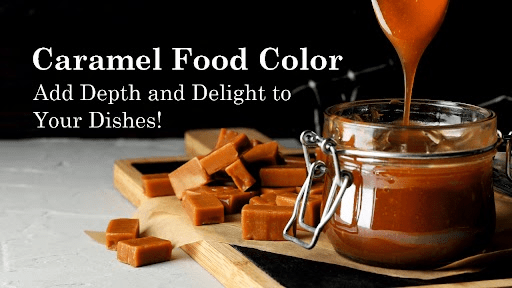
Caramel Food Color: Add Depth and Delight to Your Dishes

Caramel Food Color: Add Depth and Delight to Your Dishes

Welcome to the world of caramel colors! Often considered as the secret behind the rich hues of colas, sauces, and baked goods, caramel food color is a fascinating ingredient steeped in history and science. But what exactly is it, and how does it enhance our food and beverages? Let’s explore the magic of Caramel Food Color, its classes, uses, and its role in today’s culinary landscape.

Caramel Food Color Add Depth and Delight to Your Dishes

What is Caramel Food Color?

Caramel food color is a water-soluble food coloring produced by controlled heat treatment of food grade carbohydrates such as sugars or starches.

Did you know? 

Carmel food color is the world’s most commonly used food color, and it is recognised for its spectacular performance-enhancing properties in everything from soft drinks to baked goods.

The four classes of caramel

Four classes of caramel color exist depending on the raw materials used to synthesize them. This information helps manufacturers make proper selections of a given caramel color to meet their exact demands:

Class I (E 150a): Plain Caramel Produced by heating carbohydrates either with or without acids or alkalis.

Class II (E150b): Caustic Sulfite Process Caramel Color-Manufactured from sulfur dioxide compounds, which are the source when it is boiled.

Class III (E150c): Ammonia Process Caramel Color – Made from ammonia process caramelisation.

Class IV (E150d): Sulfite Ammonia Process Caramel color-Contains both sulfites and ammonium compounds.

Since each class has it’s unique character and color strength, food manufacturers can achieve their desired appearance in end-products.

Common uses of Caramel Food Color

Caramel food color is flexible and has been employed in almost every industry:

1. The major application of this color is in soft drinks and alcoholic beverages because of the beautiful coloring that it gives.

2. It imparts a warm and appealing color to confectionery and bakery products like chocolates, cakes, and candies.

3. Dairy Products and Desserts: Envision creamy caramel custards and rich ice creams.

4. Savory Foods: It makes the sauces, gravies, soups as well as meat products look so appetizing.

Fun fact

Many pet foods and cereals use caramel colors to ensure that all your food products have a good appearance

Why Opt for Caramel Food Color?

There are reasons, many of them, why caramel food colors are favorites for the manufacturing foods sector:

1. Cost-effective: Caramel colors are less expensive than most natural colorants.

2. Stability: They are relatively very stable with good resistance towards heat and pH level, hence suitable for diverse food processing conditions.

3. Regulatory Approvals: Caramel food colors have a long history of safe use in the food industry, with approvals from regulatory agencies across the globe. This ensures that they meet safety standards for consumers.

As consumers become aware of healthier options, the natural ingredients trend should push for caramel colors from sugar, representing clean labeling, which the health-conscious buyer wants.

Rising Demand for Caramel Colors

Given the growth in food and beverage consumption rising from population growth and a change in dietary habits, the demand for caramel food colors is on a constant increase. Especially under the current circumstances is the movement toward natural and plant-based ingredients as consumers tend to favor recognizable components in their food.

Key takeaway: Caramel colors become part of the clean label movement, according to which brands can boost their pipelines with products that the consumer wants to have transparent and made from natural ingredients.

The Future of Caramel Food Color:

With growing consumer awareness regarding food ingredients and their origin, the future seems bright for caramel food colors. Caramel colors have long been accepted by regulatory agencies and are highly versatile, making them likely to withstand future challenges in the food and beverage industry. This will enable caramel food colors to ride the trend toward more natural and health-conscious options, giving consumers quality products that answer their expectations for taste and transparency.

Conclusion:

It’s more than a color: it is golden, enhancing both the aesthetic appeal and flavor of thousands of products. With an interesting history, wide range of applications, and course along the modern consumer wave, caramel food color becomes a golden companion in kitchens and food production facilities all over the world.

So the next time you go guzzling down a rich cola or swooning over a delicious chocolate dessert, remember that magic the caramel food color does behind the scenes, upgrading your taste buds in it.

Lemon Powder: A Natural Boost for Flavor & Freshness

Lemon Powder a Natural Boost For Flavor & Freshness

Lemon powder is the highly versatile, shelf-stable form of lemon juice produced by spray-drying freshly squeezed lemon juice. This conversion preserves the essence of the citrus flavor of the lemon with ease to be added to food and beverages of all kinds. With its very concentrated lemon flavor, lemon powder is a natural and inexpensive flavoring agent for use in the food industry, where it imparts sour and citrusy flavors much needed in the products.

How is Lemon Powder Produced?

Lemon powder is prepared with a highly specialized spray-drying procedure that conserves every drop of essence present in the juice of the lemons. Freshly squeezed lemons have to be the source of the juice because freshly squeezed lemons contain much oil, which may be further cultivated through the use of lemon powder. This ensures that the powder retains the fresh, vibrant flavor of the lemon and is easily stored and transported. The result is a free-flowing, water-soluble powder that mixes freely into food and drinks without any sticky residue. Citrus powder, and more so lemon powder, not only contributes to stability over time but also gives that flavorful zip manufacturer expect as a result of incorporating natural citrus flavor into their products.

Applications of Lemon Powder in the Food Industry

Lemon powder gives great vibrancy and lots of citrus flavor to cookies, cakes, and pastries. Stability against spoilage makes lemon powder an ideal ingredient in dry powdered mixes to help manufacturers create consistency in flavors. In addition to that, it better enhances sauces, soups, and marinades and adds well-balanced tartness to the recipes. Add lemon powder to spice blends to enhance the taste and add a good puckering sour note for balancing richness in masalas and ready-to-mix recipes. It is excellent as an addition to spice rubs for meats or vegetables for instant citrus punch. In ready-to-cook products like Instant Lemon Rice or Lemon Poha, the fresh zestiness it creates is widely known and contributes to making the product more distinct. Further, the high consumption of lemon powder among beverage companies in flavored sodas, teas, and herbal infusions makes it a valuable ingredient.

It dissolves with no residue, so it becomes a go-to ingredient in ready-to-drink products in both soft drinks and juice and powdered mixes for beverages, providing a natural, fresh lemon flavor, giving a welcomed vitamin C kick, and helps regulate the amount of sweetness in a drink through its tart flavors. Lemon powder is also used in pickles, sauces, and salad dressings. This does strengthen citrus flavor and increases shelf life. It does well in snack mixes and seasonings, wherein a burst of lemon might add complexity to flavor.

Advantages of Lemon Powder

Lemon powder offers several advantages, thus making it a practically suitable industrial choice.

It also has a shelf life longer than fresh lemon juice, which cannot even get the chance to spoil so there is zero possibility of spoilage, zero wastage, and more efficiency in the production process.

Fresh lemon juice is also different in flavor and acidity so is rarely the best option for mass production which means that consistency in taste is one of its primary emphases. Lemon powder also is used as a natural preservative in spice blends and ready-mix powders because of its intrinsic antioxidant properties. So fresh spices in the spice blend last longer. It’s also an inexpensive option for those companies requiring the addition of natural citrus flavor without the trouble of working with fresh ingredients. Its long shelf life with a high concentration of flavor adds more value to the manufacturers since this offers consistent quality but at a lower price.

Vinayak ingredient’s solution for Lemon Powder  

As a leading spray-dried lemon powder manufacturer, Vinayak Ingredients offers a product in the market that is not equaled. Vinayak Ingredients India Pvt. Ltd. provides additive-free and preservative-free lemon powder, ensuring it meets the highest standards for health-conscious and natural product lines, along with employing advanced spray-drying technology to ensure consistency in taste and quality of every batch of lemon powder. Its versatility grants applications in food and pharmaceuticals to enhance products, including instant soups, beverages, and spice blends, while minimizing spoilage and maximizing profitability. With a market position as the top bulk supplier of spray-dried lemon powder in India, we are able to offer competitive prices and maintain top-grade purity. Our lemon powder is an excellent choice for businesses seeking naturally flavored and shelf-stable ingredients. Vinayak’s lemon powder is indeed the best taste of citrusy flavor and nutrient value for masalas and beverages or other instant mixes. It is growing to meet the demand for high-quality, natural ingredients in today’s market.