icon-globe
Search Connect with us

The Natural Solution to Superior Pellet Stability in Aquaculture

Fish farming is continuously increasing to meet the rising global demand for seafood. Feed is the main cost in aquaculture, which represents about 60-70% of total expenses. In aqua feed production, stabilizing feed pellets against nutrient leaching and breakage is important. Physical integrity of the pellets assures that pellets maintain their shape during handling, storage, and transport, and hence reduce nutrient loss and wastage of feed. Low integrity yields fines (small particles) that fish often ignore and can damage water quality. Pellet integrity has a direct effect on fish growth, FCR, and the environment; hence, enhancing pellet quality optimizes feed intake and minimizes waste.

Influence of Pellet Integrity in Aquaculture:

Feed Conversion Ratio (FCR)

FCR is defined as the amount of feed ingested per unit of weight increase in fish. Since fish do not efficiently consume disintegrated feed, more feed is required per unit of weight gain, increasing the FCR and overall feed cost. The quality of pellets and their integrity result in efficient feeding, where fish are able to ingest the feed effectively, thus having a lower FCR. Poor-quality pellets increase wastage and results in higher FCR.

Fish Growth

The physical characteristics of feed pellets, including hardness and water stability, impact directly on fish digestion and nutrient uptake. Pellets which break down too rapidly can leach nutrients out into the water and lower the nutritional content presented to fish. Conversely, well-shaped pellets improve digestion efficiency and lead to improved growth rates.

Pellet Quality

Binders are feed additives that enhance pellet stability. Natural binders, i.e., plant-based products, enhance pellet strength, suppress nutrient leaching, and inhibit fragmentation during handling and storage, which ensures better feed quality and fish growth.

Sustainable Practices 

The inclusion of binder in feed and pellet quality optimization are key in ensuring aquaculture practice sustainability. Achieving high pellet integrity improves not only feed efficiency and fish growth but also reduces environmental effects by lessening feed losses and nutrient runoff.

Limitations of Synthetic Binder:

Traditionally, synthetic binders like Polymethylol Carbamide (PMC) have been widely used to strengthen pellets. Although effective, it exhibits certain drawbacks. PMC is a urea formaldehyde resin that leaves formaldehyde residues during pelleting and digestion. Formaldehyde is known as an irritant and a potential carcinogen. Some studies suggest that PMC shows an adverse effect on the taste or texture of feed, which results in reduced feed intake. However, with growing concerns about sustainability, performance efficiency, and cost-effectiveness, researchers are exploring more and more natural organic binders that can be considered as a viable organic alternative to PMC.

EASYBIND

EASYBIND is an all-purpose, organic binder that is stable at room temperatures which is also compatible with other feed ingredients. Once the feed mix is exposed to moisture and heat in the conditioner, EASYBIND bonds well with other feed ingredients. It enhances pelleting capacity and reduces energy consumption even at a very low inclusion rate. EASYBIND creates uniform pellet quality, resulting in similar pellet hardness and water stability. Fish fed with high-quality pellets absorb nutrients more effectively due to even nutrient distribution and improved digestibility. It offers major benefits to feed operations in terms of cost-effectiveness and nutritional efficiency. EASYBIND is a cost-efficient solution to your pelleting requirements.

Benefits

  • Reduces the occurrence of fines
  • Optimum durability and hardness
  • Improves Pellet consistency
  • Optimum water stability
  • Provides good texture and fewer cracks on pellet
  • Protects essential nutrients

Natural Binders: The Future of Aqua Pellet Stability

Natural Binders – Enhancing Pellet Stability in Aquaculture Feed

As global demand for seafood continues to climb, fish farming is stepping up to meet the challenge. A solid, nutritious pellet made with the use of a good binder is responsible for every healthy, fast-growing fish. Pellet stability in water, known as aqua-stability, is one of the important quality criteria of aqua feeds. Aqua feeds contain different types of binders and are generally processed in various kinds of pellet mills. Binders develop solid bridges through chemical reactions to make strong interparticle bonding and give a binding effect to all the ingredients used in feed. They strengthen pellets and improve pellet integrity, durability, and stability. They also reduce nutrient leaching and prevent both fragmentation and abrasion of pellets during handling, transportation, and storage.


Aquatic animals mostly require additional pellet characteristics such as flowability, floatability, water absorption capacity, and water stability. The three main parameters used in measuring pellet physical quality (PPQ) are:

Infographic: Natural Binders for Aqua Feed Pellet Stability and Durability

  • Hardness: It is the maximum force required to resist/withstand crushing without cracking or breaking.


  • Durability: It is the ability of pellets to remain intact after subjection to load and force during transportation, handling, and storage.


  • Water stability: It refers to the ability of pellets to retain their physical integrity when immersed in water for a specific time. High water stability means minimum disintegration and nutrient leaching.


Advantages of Pelleted Feed on Aquatic Animals

  • The heat generated in conditioning and pelleting makes the feedstuff portion more digestible.


  • Pelleted feeds allow animals to better utilize the nutrients in the feed ingredients.


  • The pellet simply places the feed in a concentrated form.


  • Pelleting minimizes waste during the eating and consumption process.


  • Pelleting reduces the segregation in mixing, handling, and feeding processes; therefore, each animal receives a well-balanced diet.


Limitations of Synthetic Binder:

Traditionally, synthetic binders like Polymethylol Carbamide (PMC) have been widely used to strengthen pellets. Although effective, it exhibits certain drawbacks. PMC is a urea formaldehyde resin that leaves formaldehyde residues during pelleting and digestion. Formaldehyde is known as an irritant and a potential carcinogen. Some studies suggest that PMC shows an adverse effect on the taste or texture of feed, which results in reduced feed intake. However, with growing concerns about sustainability, performance efficiency, and cost-effectiveness, researchers are exploring more and more natural organic binders that can be considered as a viable organic alternative to PMC.


Natural Pellet Binder:

Natural pellet binders are not only sustainable but also a cost-effective alternative to synthetic binders. They show several advantages such as improved water stability of feed, enhanced pellet durability, reduced feed wastage, and lowered production costs. They also help create stronger, more resilient pellets that maintain their integrity in the water for longer periods. Natural organic binders minimize nutrient loss and maximize feed utilization by the fish. Therefore, provide adequate nutrition to each fish. Because of its natural origin, they do not leave any harmful residues in aquaculture.


Benefits:

  • Optimum water stability


  • Provides good texture and fewer cracks on the pellet


  • Optimum durability and hardness


  • Reduces the occurrence of fines


  • Protects essential nutrients


  • Improves pellet consistency


*References on request

Aquaculture plays a crucial role in meeting the global demand for protein. However, the sustainability and productivity of this sector

Eco-friendly Argulus treatment in aquaculture using natural solutions by Vinayak Ingredients

Aquaculture plays a crucial role in meeting the global demand for protein. However, the sustainability and productivity of this sector are constantly threatened by parasitic infections. Among them, Argulus, commonly known as fish lice, is one of the most problematic ectoparasites affecting freshwater and ornamental fish worldwide. Argulus is a genus of crustacean parasites that attach to the skin, fins, and gills of fish, feeding on their blood and tissue fluids, causing Argulosis. In countries with intensive aquaculture practices, such as India, Bangladesh, and China, outbreaks of Argulus have been reported as one of the top reasons for reduced fish yields, particularly in carp culture.

Current Control Strategies:

Chemical Control

A series of chemicals with a problematic toxicity profile are well known in aquaculture, as they suffer from ectoparasitic infections. Organophosphates (e.g., trichlorfon, malathion, dichlorvos), lufenuron, emamectin benzoate, deltamethrin, sodium permanganate, formalin, diflubenzuron, etc., are commonly used chemicals for the control of Argulus infestation in fishes.

Mechanical Control

In addition to chemicals, physical methods such as shaking infested fish in nets to mechanically detach lice, along with egg removal through drying or substrate manipulation (e.g., bamboo-egg boards), help to reduce infestation pressure.

Biological Control

Biological control strategies utilize natural predator–prey relationships to manage ectoparasites like Argulus. In tropical aquaculture, fish such as Gambusia have been noted to feed on free-swimming Argulus larvae, while other small fish actively remove parasites from the skin of larger hosts.

Limitations of Current Control Strategies:

  1. Synthetic chemicals have been used to control this ectoparasite. However, they will have an impact on physiological changes, fish growth, and the balance of aquatic ecosystems because they can leave residues that can enter environmental components. The active ingredients are very difficult to decompose in nature, and resistance can occur in target parasites. In addition, it can cause residue accumulation in the body of the fish.
  2. Mechanical approaches are labor-intensive and not always sustainable.
  3. Though biological control methods are eco-friendly and reduce the reliance on chemicals, they come with several limitations. One major challenge is the seasonal effectiveness of cleaner species—fish like wrasse are less active during colder months, reducing their efficiency in parasite removal.


These limitations highlight the growing interest in exploring eco-friendly, sustainable, and effective natural alternatives to control this parasite.

Plant-Based Alternative to Control Argulosis:

Alternatives for controlling argulosis in fish farming can use medicinal ingredients derived from herbal plants. Pharmacologically, these herbs have therapeutic effects as antibacterials, antiparasitics, and immunostimulants. Numerous applications of medicinal plants as alternative medicine for treating Argulosis in fish have been carried out. The ability of plants to control this disease is due to the presence of natural products in the form of chemical compounds in organic form, so they are safe to use and do not pose a risk that is harmful to fish, to humans who consume them or to the environment and do not cause resistance to parasites.

Dehook is a natural solution for relieving Argulus infestation in aquatic animals, offering a safe and eco-friendly alternative to chemical treatments. Know more about Dehook at Vinayak Ingredients (India) Private Limited.

*References on request*

Importance of Mineral Chelation in Animal Feed

Vinayak Ingredients’ chelated mineral premix for global B2B

In modern animal nutrition, the focus has shifted from meeting basic dietary requirements to enhancing overall health, performance, and sustainability. Minerals play a crucial role in various biological processes, including growth, immunity, reproduction, and metabolic function. However, the form in which these minerals are incorporated into feed significantly affects their absorption and utilization.

Traditional inorganic minerals like sulfates and oxides are often poorly absorbed due to interactions with other dietary components, which leads to low bioavailability, increased excretion, and environmental waste. To overcome these challenges, the use of chelated minerals, where minerals are bound to organic carriers like amino acids, has gained widespread attention in livestock and poultry nutrition. Chelated minerals offer effective absorption, enhanced animal performance, and greater cost efficiency over time. They not only reduce the environmental impact of mineral supplementation but also support better feed conversion and improved product quality.

What is chelation?

Chelation is a chemical process in which a mineral (such as zinc, copper, iron, or manganese) is bound to an organic molecule, which is called a chelating agent. A chelating agent can bind tightly to metal at two or more points, forming a stable ring-like structure. The resulting compound is called a chelated mineral or mineral chelate. This bond protects the mineral from unwanted interactions in the digestive tract that can reduce its absorption.

Chelated mineral compound used in livestock nutrition

Why Chelated Minerals Are Preferred:


Diagram of a chelated mineral bound to organic molecule

  • Enhanced Bioavailability– Chelated minerals have higher bioavailability compared to their inorganic counterparts. The chelation process protects minerals from interactions with other compounds in the digestive system, allowing for better absorption.


  • Improved Absorption– Chelated minerals are more easily absorbed in the digestive tract. The organic molecules surrounding the mineral help facilitate transport across the intestinal membrane, leading to increased absorption into the bloodstream.


  • Reduced Antagonistic Interactions– Inorganic minerals may compete with each other for absorption in the digestive system, which leads to reduced overall bioavailability. Chelated minerals are less likely to interact negatively with each other, allowing for a more efficient absorption of individual minerals.


  • Targeted Nutrient Delivery– Chelated minerals can be designed for specific functions within the animal’s body. For example, zinc and copper chelates are commonly used to support skin and hoof health in livestock. This targeted delivery allows for a more precise and effective supplementation strategy.


  • Improved Animal Performance– The animals may experience better growth rates, reproductive performance, and overall health due to the increased bioavailability and improved absorption of chelated minerals. It leads to improved efficiency in production systems.


Benefits of Chelated Minerals:

  • Enhances absorption across the intestinal membrane.
  • Improves metabolic utilization.
  • Stabilizes more in the gut
  • Reduces antagonism, interference, and competition among the minerals.
  • Improves animal health and immunity.
  • Reduces mineral excretion and environmental pollution.
  • Enhances the growth, production, and reproduction of an animal.


Oganovin and other mineral premixes are available on the Vinayak Ingredients India Pvt. Ltd. visit there to learn more about the significance of chelation.

*References on request*

Natural Stress Management with Plant-Based Antioxidants in Aquaculture

Examples of functional feeds and herbal additives for stress management in fish farming Vinayak Ingredients

Aquaculture is a rapidly growing industry, but one of the biggest challenges faced by fish farmers is stress in fish. Stress can negatively affect growth, immunity, reproduction, and overall health, which leads to economic losses. Various environmental, physiological, and management factors contribute to stress in fish, including poor water quality due to low oxygen levels, ammonia, and nitrate accumulation, handling and transportation, high stocking density, temperature fluctuations, and disease outbreaks. Stress in fish has significant economic consequences in aquaculture, affecting production efficiency, profitability, and sustainability. The shrimp industry has experienced cumulative losses of around $10 billion since 1990 due to diseases, with stress factors playing a significant role.

Impact of Stress on Fish

The stress response in fish is primarily regulated by the production of two major hormones: corticosteroids (mainly cortisol) and catecholamines (epinephrine and norepinephrine). Primary responses contribute to the secondary stress response, affecting various physiological functions related to fish adaptation. Long-term stress results in a tertiary response that adversely affects the fish’s growth, behavior, swimming ability, feeding, and immunity.

Illustration of fish farming with natural stress management solutions by Vinayak Ingredients

Signs of Stress Observed in Fish

  • Sluggishness
  • Lack of feeding activity
  • Slow growth
  • Molting difficulties
  • Hyperactivity
  • Death

Stress Management

If the stressor is chronic, the immune response shows suppressive effects, and hence the chances of an infection may be enhanced in fish. Therefore, immune stimulants, along with feed nutrients and additives that reduce stress, are common commercial fish health management solutions to address disease concerns. Antibiotics, chemotherapeutics, and disinfectants are all commonly used for managing fish infections. However, adverse consequences include the rise of microorganisms resistant to antibiotics, antibiotic residues in fish products, chemical genotoxicity and cytotoxicity, and overall environmental contamination. Thus, there is a need for alternatives for adopting sustainable aquaculture farming.

Functional Feed: Natural Way to Manage Stress

Specialized plant-derived nutrition serves as an alternative strategy designed to limit or reduce the adverse effects of a disease without requiring therapeutic intervention. Many bioactive compounds identified in herbal feed additives, such as terpenoids, polyphenols, isothiocyanates, tannins, saponins, and alkaloids, can all stimulate the immune system. These strategies are known as functional feeds.

Functional feeds primarily focus on enhancing and supporting the natural immunological defenses of the animal. This approach boosts the animal’s capacity to manage biological and physiological responses to stressors while strengthening physical barriers between the animal and its environment.

Herbo C AQUA

Vitamin C is an essential component of fish feed, as most fish are not able to synthesize vitamin C due to a lack of enzyme L-gulonolactone oxidase. Still, they can achieve it from external sources. Herbo C AQUA is a plant-derived natural and highly bioavailable form of vitamin C coupled with herbal bioactive compounds with anti-stress, adaptogenic, and immunomodulatory activity. It helps to regulate and alleviate stress, facilitates wound healing, and supports tissue regeneration. Additionally, Herbo C Aqua increases survivability and boosts farm profitability. 

How Does It Work?

It works by…

  • Providing natural antioxidant (Vitamin C)
  • Promoting nutrient utilization
  • Maintaining osmoregulation
  • Supporting collagen synthesis and metabolism
  Benefits – 

Benefits of Herbo C AQUA for stress management, immunity, and growth in aquaculture."

“Sustainable Stress Management in Aquaculture”


*References on Request

Combat Argulus Infestation Naturally with DEHOOK – The Ectoparasite Reliever!

Illustration of fish affected by Argulus with DEHOOK natural treatment solution

Aquaculture farming is highly prone to diseases, affecting productivity and profitability of the farmer. The major challenge in aquaculture is the parasitic infestations, which can highly impact fish health and farm economics. Among various parasites, Argulus sp., or fish lice, is one of the most concerning challenges for fish farmers worldwide. This ecto-parasite attaches itself to fish, feeding on their blood and bodily fluids, causing Argulosis.

Understanding Argulus Infestation

Argulus is a crustacean ectoparasite, commonly known as the “fish louse.” In fisheries, high infestations can cause a rapid loss of performance and even death. Even moderate infestations can reduce production and distress the fish, impacting the economic viability of fisheries. 

Life cycle of Argulus

The reproduction and development of Argulus are dependent on the specific season. Egg-laying usually begins when temperatures exceed room temperature and stops during winter. More population growth is observed in summer than throughout the year. Parasite numbers decline with the winter, although all developmental stages (particularly the egg strings) can survive.

Illustration of the life cycle of Argulus, a fish ectoparasite.

How do Argulus affect the fish?

Argulus can cause considerable damage to fish through their attachment and feeding behavior. They feed on fish by inserting a long spine-like structure called the stylet into the skin, which eventually breaks down tissues through the secretion of enzymes. The repeated damage to the skin, combined with the activity of the serrated parasite mouth, can cause substantial damage and irritation.

Argulus infestation on fish skin and gills

Signs of infestation –

Argulus can be found attached to the skin, gills, and mouth of fish during heavy infestations. The symptoms of infestation include

Spot Haemorrhages –
  • Anaemia
  • Fin and Scale loss
Increased Mucus Production –
  • Lethargy
  • Erratic Swimming
  • Reduced Feeding
  • Flashing or Rubbing

Synthetic chemicals such as hydrogen peroxide, formalin, alpha-cypermethrin, deltamethrin, emamectin benzoate, trichlorofon, and diflubenzuron were used against Argulus. But the prolonged use of these chemicals can lead to chemical residues in fish, the development of resistance in parasites, and environmental pollution. Plant-derived phytochemicals offer a natural alternative for controlling Argulosis.

DEHOOK, an ectoparasite reliever, contains a combination of plant-derived bioactive components that have a strong antiparasitic effect. It inhibits Argulus by impacting molting and cell proliferation. DEHOOK also helps to reduce infestation and enhance host immunity, avoiding all the unintended negative impacts on the environment.

Benefits –

  • Effectively manages Argulus infestation

  • Prevents weight loss and mortality

  • Reducing dependency on synthetic chemicals

Combat Argulus infestation naturally without compromising fish health or farm productivity. DEHOOK offers a powerful, plant-derived solution that effectively controls Argulus, boosts fish immunity, and reduces stress.

Fight Argulus and Boost Fish Health with DEHOOK! 

  *References on Request*

Say Goodbye to Pellet Breakage with Pelletovin’s Advanced Organic Binding Formula

Pelletovin organic binder for aquafeed, enhancing pellet durability, water stability, and overall feed efficiency for manufacturers and exporters.

Feed is the major cost contributor in aquaculture production, costing approximately 60-70% of the total cost.  Feed with high-quality ingredients undergo precise processing techniques to achieve maximum aquaculture yield.  Poor feed quality can lead to feed wastage, higher costs, and decreased animal performance. Therefore, the aqua-feed industry is continuously searching for strategies to improve feed processing techniques to ensure the quality and affordability of feed.

Pelleting is a feed processing technique that maintains feed homogeneity by agglomerating or compaction of feed particles. Pelleting involves compressing feed particles under mechanical and thermal forces to create dense, durable pellets. This compaction process reduces bulk volume, increases shelf life, and improves transportation efficiency.

Various characteristics of aquaculture pellets directly affecting feed quality and performance are

Various characteristics of aquaculture pellets affecting feed quality and performance, including size, durability, water stability, and floatability.

Despite advancements in pelleting technology, maintaining consistent pellet quality remains a challenge.  Water stability measures how well aqua feed pellets maintain their structure when submerged in water. This factor is particularly crucial for species like shrimp, which are slow feeders and rely on pellets remaining intact in water for extended periods. Insufficient water stability in pellets can cause rapid feed disintegration, leading to nutrient loss and reduced efficiency—ultimately impacting profitability.

To address this, aquaculture feed manufacturers often incorporate pellet binders into their formulations to avoid the disintegration of pellets. Pellet binders provide the necessary binding strength to hold feed particles together, reducing fines and dust. Binders strengthen pellets and enhance their integrity, durability, and stability. They also reduce nutrient leaching and prevent fragmentation and abrasion of pellets during handling, transportation, storage, and feeding to aqua-cultural species. Traditionally, synthetic binders like polymethyl carbamide (PMC) have been widely used to strengthen pellets. However, with growing concerns about sustainability, performance efficiency, and cost-effectiveness, Pelletovin can be considered as a viable organic alternative to PMC.

Pelletovin: Organic binder for high-grade pelleting

Pelletovin is an all-purpose, organic, thermo-reactive binder that is stable at room temperatures and therefore will mix well with other feed ingredients. Once the feed mix is exposed to moisture and heat in the conditioner, this organic feed binder binds other feed ingredients. It enhances pelleting capacity and reduces energy consumption at the feed mills.

According to field trials, Pelletovin significantly reduces dustiness and dry matter loss from feed. Pelletovin at an inclusion rate of 0.3% gives approximately 80% water stability and about 90 % pellet durability index (PDI). It shows better efficacy than synthetic binders like polymethyl carbamide (PMC).

Key Benefits of Pelletovin :
  • Enhances water stability of aquatic feed.
  • Strengthens pellets for better durability and integrity.
  • Reduces dusting and run time.
  • Lowers energy consumption and increases production rates.
  • Protects essential nutrients.
  • Minimizes friction in the pellet die.

Pelletovin helps to achieve optimum delivery and utilization of nutrients to the livestock supporting cost-effective and efficient aquaculture feed production.

‘Enhance pellet durability and reduce operational costs of your aquaculture with Pelletovin’

*References on request*

Is Low Immunity Affecting Your Aquaculture Profits? NUCLEOVIN Can Help

nucleotides probiotics vitamin c for fish shrimp vinayak ingredients

Aquaculture has rapidly expanded in the past few decades to meet the high-quality animal protein needs of the growing human population. According to FAO’s Fisheries and Aquaculture projections, 2022–2032, apparent consumption of aquatic animal foods is projected to reach 21.3 kg in 2032, up from about 20.7 kg in 2022 per head of consumer. Intensive and ultra-intensive aquaculture farming systems are used to increase profitability. Even though beneficial, Intensive farming practices are responsible for numerous problems, such as poor water quality, overcrowding, high temperature, poor nutrition, and pathogenic injuries. This might lead to the generation of stress decreasing the productivity of aquaculture.

Stress and Its Impact on Aquaculture

Stress impacts aquaculture species by reducing immune response and resistance against diseases. Factors like host, physiology, pathogens, husbandry practices, environmental factors, and nutrition induce stress in aquaculture. These stressors impact aquaculture production by decreasing animal growth rates, reproductivity, and immune response, making them more susceptible to environmental pathogens.

Stressors and their impact on aquaculture


Impact of stressors on aquaculture health and productivity – Vinayak Ingredients.

Due to underdeveloped immune responses, aquatic animals are highly susceptible to stress and diseases. Nutrition is critical in enhancing stress tolerance, immune function, and FCR. Immune system optimizers are prophylactic solutions that enhance the immune response of aquatic species, reducing disease outbreaks and dependency on chemicals or drugs. These nutritional supplements improve gut health, optimize immunity, and support aquaculture growth and reproduction.

Numerous studies highlight the effectiveness of feed additives like probiotics, prebiotics, nucleotides, functional amino acids, and minerals of natural origin in supporting aquaculture health. One such innovative solution is NUCLEOVIN-AQUA, a phytogenic supplement designed specifically for immune system optimization in fish and shrimp.

‘NUCLEOVIN—AQUA’  contains Nucleotides, Vitamin C, and Probiotics to improve the immune function of aquatic species. This novel combination influences many essential and diverse functions in the fish and shrimp, both directly or indirectly, and improves many physiological and commercial parameters.

The nucleotide in ‘NUCLEOVIN—AQUA’ plays a major role in structural, energy-related, and regulatory functions while enhancing performance in fish and shrimp. Vitamin C acts as an antioxidant and helps to improve immune responses. It also contains probiotics that help to maintain intestinal equilibrium and reduce loss of nutrients.

Benefits of Nucleovin Aqua for enhancing aquaculture health and performance – Vinayak Ingredients.

By using ‘NUCLEOVIN—AQUA’  producers can enhance resilience and productivity, ensuring healthier and more sustainable aquaculture.

*References on request*

Eating Salmon? Know the Sea Lice Story Behind Your Meal…

The global salmon farming business has been struggling since it was founded in the 1970s to control the severe economic, animal welfare, and ecological effects of sea lice infestation, which has kept salmon farming from reaching its full potential. Currently, the year has been put up as estimates for the economic impact of between USD 400 and USD 600 million (EUR 366 million to EUR 549 million). However, solving the problem can harm marine ecosystems, and lice can develop resistance to treatments.
Salmon farms constantly struggle against the onslaught of sea lice (Lepeophtheirus salmonis, Caligus rogercresseyi, etc), it is also a real challenge for parasitologists to solve this huge problem that has continued to build up over the years since the start of salmon aquaculture. While the ability to deal with sea lice outbreaks is often the most pressing concern of those involved in salmon production, there is an acknowledgment that the use of long-term integrated strategies for managing them is an important consideration to the industry’s sustainability.

Sea lice infestation

The ectoparasite attaches to the body surface of Salmon fish, the attachment is typically near the base of the fins or on the body surface.

While they feed on their host, they remain too small to cause significant harm. However, as they mature into more mobile pre-adult and adult stages, there is a shift in their attachment method to suction, making them more lethal.

They mostly feed on host mucus, skin, and underlying tissue.


Life cycle of sea lice

Life cycle of sea lice

Symptoms –


    • Serious damage to the skin

    • Inflammation and Redness

    • Fins Erosion

    • Fatigue

    • Reduced Appetite

Prevention –

1.Functional feed:

Functional feed

Feed that contains ingredients that thicken the mucus layer, promote healing or repel copepods.

2.Sea lice trap:

Sea lice trap

Traps are placed around the pens which attract sea lice away from salmon using light and odorant.

3.Deep lights/feeding:

Salmon are attracted to depths without sea lice with light or feed.

4.Sea lice skirts:

A fabric that covers the top of the net prevents sea lice larvae from entering the sea pens.

Treatment –

1. Cleaner Fish:

Cleaner fish

Cleaner fish are housed in the same sea pens as salmon and eat sea lice that are on the salmon.

2. Hydrogen Peroxide:

Hydrogen peroxide

Infected salmon are exposed to hydrogen peroxide at concentrations that kill sea lice.

3. Chemotherapeutics:  

Chemotherapeutics

Infected salmon are exposed to chemicals via baths or feed.

4. Mechanical:

Mechanical

Salmon are pumped through water jets. Sea lice are dislodged.

Norwegian Standards for Mean Sea Lice/ Fish

In Norway, strict regulations are in place to control sea lice levels in salmon farms to protect wild and farmed salmon populations. The Norwegian standards for the mean number of adult female sea lice per fish are as follows:

Threshold Levels


    1. Southern Norway:


        • During the critical weeks of 15 to 21 (spring smolt migration), the limit is 0.2 adult female sea lice per fish.

        • For the rest of the year, the threshold is 0.5 adult female sea lice per fish.

    1. Northern Norway:


        • A uniform limit of 0.5 adult female sea lice per fish is maintained year-round

Also, in 2017, the government introduced a new category of “green permits,” which required sea-lice levels of between 0.25 and zero, and the demonstration of a new production method or equipment that would reduce sea-lice and/or escapement. Farms exceeding these limits must take immediate measures, such as delousing treatments.

Effects of the Residues between Plant‐derived Compounds and Chemical Treatments

Effects of the Residues between Plant‐derived Compounds and Chemical Treatments

HERE’S HOW WE ARE RECLAIMING THE BLUE…

Many studies have shown that essential oils, extracts, and isolated substances from plants might be an important and alternative oral and immersion treatment against parasites in aquaculture. These plant extracts are capable of enhancing immune responses and disease resistance of cultured fish, serving as a great phytotherapeutics against infections in aquaculture.

CRUSTAXE is a synergistic combination of plant-derived semiochemicals that precisely target the planktonic copepod crustaceans by avoiding all the unintended negative effects on the ecosystem. It can be incorporated into the functional feeds as a feed additive to repel the copepods. The bioactive present in ‘CRUSTAXE’, even at very low concentrations, can interfere with the host location and disrupt copepodid settlement on salmonid fish.

HOW DOES CRUSTAXE WORK?

Benefits

– Environment friendly

– Suits consumer food safety requirement’s

– Non-medical natural solution

 – Minimize dependence on chemotherapeutics

                          – No bioaccumulation


A sustainable initiative to manage sea lice challenges”

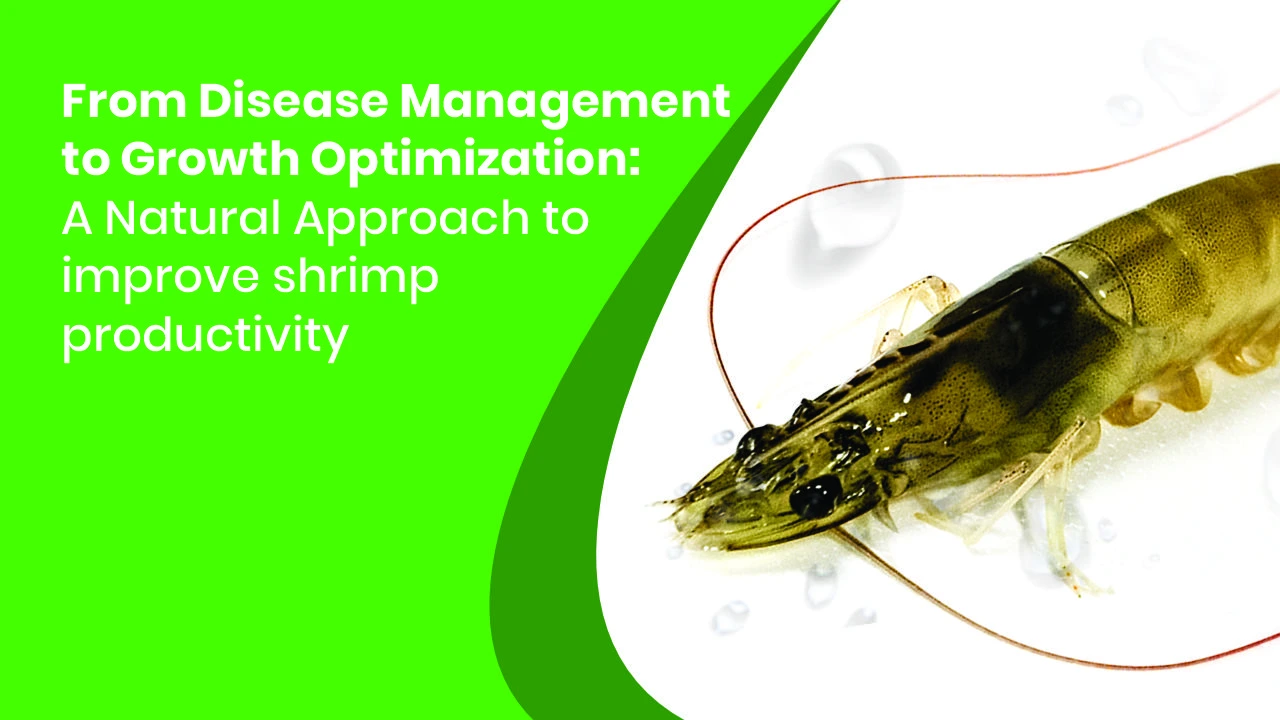
From Disease Management to Growth Optimization: A Natural Approach to Improve Shrimp Productivity

Disease Management to Growth Optimization A Natural Approach to Improve Shrimp Productivity

Shrimp is one of the most commonly consumed seafood around the world. Considering the population growth, there is an increase in demand for shrimp-based food products and shrimp farming plays a crucial role in meeting them. According to the FAO report 2008, the world shrimp catch is about 3.4 million tonnes per year, with Asia as the most noteworthy area for shrimp farming. World production of shrimp, both captured and farmed, is about 6 million tonnes, out of which about 60% enter the world market. Traditional farming methods are improving recently and new extensive as well as semi-intensive farms are being established at a rapid pace.

DISEASE: THE THREAT TO SHRIMP FARMING SUCCESS

The disease is a major limiting factor affecting the global production of cultivated shrimp. Intensive shrimp farming is commonly associated with disease outbreaks and is responsible for production loss due to either stunted growth in shrimp or mortality. Infectious diseases have affected shrimp farming industries drastically, and the majority of diseases are of bacterial and viral origin with few important diseases of protozoa and fungi. High stocking density can be considered as a major factor aiding the easy transmission of pathogens.

Shrimp diseases such as White feces syndrome (WFS), Hepatopancreatic microsporidiosis (HPM), vibriosis, and necrotizing hepatopancreatic (EMS/AHPND) impact shrimp farming to a greater extent.

Impact of shrimp diseases on production and economic losses in India – Vinayak Ingredients.

ENTEROCYTOZOON HEPATOPENAEI (EHP) AND ITS IMPACT ON SHRIMP AQUACULTURE –

The hepatopancreas is an important organ for the absorption and storage of nutrients in shrimps. Hepatopancreatic microsporidiosis (HPM) is a common shrimp disease caused by Enterocytozoon hepatopenaei (EHP) which infects the hepatopancreatic cell. It is an intracellular microsporidian that replicates within the cytoplasm of the affected epithelial cells in the hepatopancreas.

Host cell mechanism of EHP (Enterocytozoon hepatopenaei) infection in shrimp – Vinayak Ingredients.

Life cycle of EHP and routes of transmission

Life cycle of EHP (Enterocytozoon hepatopenaei) and its routes of transmission in shrimp – Vinayak Ingredients.

EHP in combination with other enteric pathogens and environmental stressors can lead to White Faces Syndrome (WFS), which refers to the presence of a floating white fecal string in ponds rearing shrimp. The main clinical sign of EHP is growth retardation, which results in an increased variability in size. In a more advanced stage, EHP-infected shrimp typically display soft shells, lethargy, reduced FCR, and an empty gut.

The use of synthetic antibiotics in shrimp farming is banned in some countries due to the potential for harmful effects on human health and the environment. Hence, natural products can be considered as the suitable and effective alternative. Due to the diverse and rich sources of active compounds in plants, they are highly influenced to control various pathogens. Phyto compounds can be utilized to improve immunity and prevent disease propagation during shrimp farming.

HEHPAVAX –A NATURAL AMINO ACID OPTIMIZER FOR HEALTHY HEPATOPANCREAS

HEHPAVAX is an aqua feed supplement that helps to protect hepatopancreas in shrimp by controlling EHP infection and white Feces Syndrome (WFS), and helps to prevent retarded growth in shrimp.

How HEHPAVAX works?

HEHPAVAX prevents the adhesion of the EHP spore wall to the epithelial cells of shrimp hepatopancreas. It helps to control infection by either killing spores outside the gut lumen or inhibiting polar tube extension by digesting polar tube components. It helps in the recovery of shrimp’s digestive system and improves gut health. It also helps to prevent white Feces Syndrome (WFS) in shrimps.

Mechanism of action of specialized feed additives for animal health – Vinayak Ingredients.

If the amino acid profile is poorly correlated to the requirement of the shrimp, then it leads to lower retention of synthesized protein. HEHPAVAX acts as an amino acid optimizer in shrimps that optimizes the utilization of protein depending on the optimal dietary amino acid profile of a species for protein synthesis. It improves the retention of the synthesized protein from the feed leading to higher growth rates and low protein turnover.

HEHPAVAX is a natural supplement to increase shrimp count leading to the economic growth of the farmer.

“Maximize shrimp health and improve your farm’s productivity with HEHPAVAX”uaculture with Pelletovin’

*References on request*