icon-globe
Search Connect with us

Boosting Calcium Bioavailability in Pigs with Calsow +

Minerals serve a variety of structural and metabolic functions in swine and are found in all body components, including bone, muscle, internal organs, blood, and other tissues and fluids of the body. Calcium is an important nutrient in the swine diet, which is required in large amounts. It aids skeletal development, muscle contraction, nerve function, and metabolic regulation. Most commonly used calcium sources are calcium carbonate and dicalcium phosphate, but their content of digestible calcium is variable, resulting in variable absorption. There has been evidence that alternative natural sources of calcium improve calcium digestibility and utilization. Additionally, research on grower and finisher pigs suggests that having the appropriate Ca/P ratio greatly improves feed intake, growth, and mineral metabolism.

Calcium–Phosphorus Balance:

The Ca:P ratio is critical in swine nutrition. While pigs need both minerals, too much calcium can bind phosphorus in the intestine, lowering its absorption. The ideal calcium (Ca) to phosphorus (P) ratio in swine diets is crucial for growth and bone development, with the optimal ratio generally ranging from 1.1:1 to 1.4:1, and can vary by age and weight class. Studies show that when the Ca:P ratio exceeds 1.5:1, phosphorus digestibility may fall by 15–20%, directly affecting growth and feed efficiency. Optimizing this balance with swine calcium absorption natural source solutions ensures efficient mineral utilization.

The Hidden Dangers of Poor Calcium Absorption

Dysfunctional calcium absorption has adverse effects on pig performance. Deficiency in calcium supply compromises bone formation, hoof durability, and immune and metabolic processes. Impaired calcium-phosphorus balance upsets nutrient absorption and may decrease feed efficiency. New research indicates that adequate calcium levels not only enhance mineral balance but also feed morphology and gene expression of calcium transporters in pigs. In contrast, excessive intake of dietary calcium derived from poor-quality sources can crystallize with fatty acids that inhibit fat absorption. These problems highlight the necessity of having very bioavailable and balanced calcium supplementation.

Why Traditional Calcium Sources Are Falling Short?

Historically, calcium absorptive problems are managed through augmented supplementation from inorganic forms such as limestone or phosphates, vitamin D analogues, or reconstitution of food ratios. These methods, though, have definite disadvantages. Inorganic calcium tends to be more variable in solubility and digestibility, while oversupplementation minimizes phosphorus uptake and leads to waste in the environment. Financial inefficiency and unacceptable long-term sustainability also constrain these methods.

The Rise of Organic Calcium

Organic calcium is bound to organic molecules, which makes it easier for the body to recognize and absorb. Studies have shown that calcium from organic sources like algae and marine minerals shows bioavailability up to 90 to 95%, which is significantly higher than inorganic sources like calcium carbonate. Absorbed calcium goes directly into supporting skeletal development, muscle function, and even metabolic processes, and leaves less waste behind. As more farmers turn towards sustainable and natural solutions, organic calcium stands out as a smart choice that promotes not only animal welfare but also farm profitability.

CALSOW PLUS

CALSOW PLUS is a perfect combination of organic calcium supplements for a quick and long-lasting effect, enhanced with organic sources of calcium, to prevent and treat a decline in milk production in swine. With its high bioavailability, organic calcium meets the needs of pigs across all life stages, supporting growth, skeletal health, and reproductive function more effectively than inorganic options. It also provides the benefits of added glucogenic precursors to prevent energy imbalance during pregnancy and lactation.

BENEFITS:

  • Ensures higher bioavailability
  • Enhances milk production
  • Improves bone development
  • Strengthens the immune system
  • Maintains better growth
  • Improves general health

PROLIFISOW: Improving Milk Production in Hyper Prolific Sows

PROLIFISOW natural feed additive for hyperprolific sow milk production.

A primary objective of pig farming is to market the maximum weight of pork in the shortest possible time. Achieving this requires high pre- and post-weaning growth rates and minimal mortality, which depends on the nutrients provided to the piglets.

Piglets are born with low body fat reserves and immature immune systems, which makes them completely dependent on milk for survival and growth. Sow milk is a main source of energy and nutrients for piglets, which, along with macronutrients, contains bioactive substances such as immune compounds, enzymes, hormones, and growth factors. Sow milk has been shown to enhance piglet performance and stimulate visceral organ and skeletal muscle protein synthesis in neonatal piglets. It helps in the growth and fattening, eventually improving economic productivity.

Factors Impacting Milk Production in Sows

Key biological and environmental factors impacting milk production in hyperprolific sows

Different Biological and environmental factors affect milk yield and composition, such as

  • Weaning weight
  • Parity (number of previous litters)
  • Body condition
  • Mammary glands
  • Litter size
  • Piglet size
  • Nursing frequency
  • Environment

The Challenge of Genetic Selection and Hyperprolific Sows

In past decades, genetic selection in pig production has focused on improving lean meat and increasing litter size. Hyperprolific sows can produce 18–20 or more piglets per cycle, but the number of functional teats remains the same. This might lead to competition among piglets for milk, resulting in low birth weights, higher piglet mortality, and increased stress on sows.

The increased need for milk due to higher litter production impacts the health of the sow. They use body reserves to complete the high milk demand for feeding a large litter. This may negatively affect performance in the next farrowing and cause weight loss in the sow. Lactating sows need energy and nutrients to maintain health and support milk production. Increased negative nutrient balance during lactation can be reduced by improving feed intake or nutrient concentrations of the sows’ diet.

Nutritional Strategies to Support Lactation

Targeted nutritional strategies are essential to improve lactation in sows. Increasing the sow’s energy intake through a high-energy diet with amino acids such as lysine, threonine, and methionine, and micronutrients like vitamins and selenium, is important for milk protein synthesis. Plant-based compounds in the diet of sows positively affect milk production.

              PROLIFISOW is a swine feed additive containing bioactive compounds that help to improve and maintain milk production in hyperprolific sows. It contains bioactive compounds with galactagogue properties, helping to improve the milk production in sows. PROLIFISOW also contains gluconeogenic compounds that help to stabilize the metabolic state of sows, prevent negative energy balance, and support productivity. 

PROLIFISOW supports better sow health, enhances piglet growth, and increases production efficiency.

  Benefits of Prolifisow

 showing how PROLIFISOW improves milk production in hyperprolific sows and supports piglet growth

Improve the litter productivity and subsequent profitability with PROLIFISOW!
*References on request*

Enhancing Productivity in Hyperprolific Sows with PROLIFISOW

Hyperprolific sows produce more piglets than they have functional teats, with modern sow lines usually having no more than 16. Hence, sows with more than 16 piglets per litter are known as hyperprolific. However, litters of 18–20 or more piglets are increasingly observed in pig production. Though such an increase in sow prolificacy is desirable for breeders, it is worrying because it leads to higher milk production requirements, prolonged parturition, maximum energy requirement during farrowing, and optimum nutrient supply to each foetus. In herds of pigs free from specific diseases, the number of stillborn piglets per litter should not exceed 5–7 % of the total number born. The percentage of stillborn piglets is often much higher among hyperprolific sows, which causes substantial economic losses, premature culling, and deterioration of sow health.

What Hyperprolific Sows Require?

The size and weight of the litter during farrowing and weaning will be influenced by the diet of the sow during lactation and gestation, which will directly affect the health of piglets. Hence, an appropriate nutrient rich diet is important to support nutrient supply to each foetus, farrowing process, and the onset of lactation in sows. Piglets’ growth rate relies considerably on the quantity and quality of the milk production during the pre-weaning period.

It takes many factors such as genetics, nutrition, feeding frequency, environment, body condition, length of lactation, and water intake to maximize milk production in sows. Sows can achieve and maintain high levels of milk production throughout their productive life if given adequate energy and nutrients.

Key benefits of essential nutrients in sows for reproductive health and productivity – Vinayak Ingredients.

PROLIFISOW

PROLIFISOW is a scientifically blended combination of plant-derived bioactive compounds having gluconeogenic precursors, which provides glucose, a source of energy. Galactagogue properties of PROLIFISOW help to induce, maintain, and increase milk production in sows. It has added benefits that improve health, and growth, and increase production efficiency in sows. Dietary supplementation of PROLIFISOW leads to a greater number of weaned piglets per sow.

How does it work?

Gluconeogenic Precursors

  • Gluconeogenic precursors present in PROLIFISOW are important for maintaining blood glucose concentrations, which ensures continuous supply of glucose to energy-dependent tissues. It improves glucose transportation to each foetus of hyperprolific sow through umbilical cord. Also provides energy to the sows during farrowing, which helps reduce the farrowing time.

Galactagogue Properties

  • Plant-derived herbs having galactagogue (lactogenic) activity increases milk production in hyperprolific sows. It also improves protein and fat content in sow colostrum and milk.

Muscle Function and Farrowing Success

  • Maintaining the appropriate levels of nutrients in feed is crucial, as it plays a crucial role in regulating muscle contractility, including the myometrium, for smooth and efficient farrowing. It also reduces the number of stillbirths and shortens farrowing duration, especially in young sows.

Embryo Development and Placental Function

  • It supports embryo implantation and the proper functioning of the placenta, which ensures optimum growth and development of the piglets during gestation.

Benefits

  • Increases milk yield
  • Enhances energy supply
  • Reduces the number of stillbirths
  • Improves milk quality
  • Enhances nutrient digestibility
  • Reduces farrowing time


“With PROLIFISOW, every piglet counts”aculture with Pelletovin’

*References on request*

Boost Swine Growth and Health with Organic Calcium Supplement

Minerals and vitamins play a vital role in raising healthy and productive pigs. For pigs, some crucial minerals include calcium, phosphorus, and zinc. Calcium is one of the essential minerals required for growth, bone strength, reproductive health, immune function, and the overall health of pigs. Low calcium intake through diet also affects the pig’s overall health and causes economic loss. Hence, it is crucial to fulfil the demand for calcium requirements at each developmental stage of a pig. Dietary calcium and phosphorus deficiencies affect the thickness of long bones and bone ash content. Growing pigs have a higher mineral requirement than adults, with no difference between the sexes. Calcium plays an important role in sows during gestation and lactation. However, not all calcium sources show maximum bioavailability and absorption in the body. Therefore, supplementation of calcium with maximum bioavailability is important in pigs.

Calcium Requirements In Pig Feed:

The National Research Council (NRC) estimates that 0.6% calcium and 0.5% phosphorus are needed for pigs weighing between 20 and 50 kg. A calcium and phosphorus inclusion of 0.10–0.15% in the meal should be sufficient. Sows require additional calcium during their pregnancies. Every fifteen to twenty days during pregnancy, a litter’s overall mineral content requirements double. Over 50% of the total amount of minerals needed is in the last two weeks of gestation. To reduce the sow’s mineral shortage, highly soluble calcium sources should be provided.

Calcium requirements in pig feed for optimal growth and bone health – Vinayak Ingredients.

Importance Of Calcium At Each Developmental Stages Of Pig

  1. Piglets: calcium supports their fast-growing bodies with the necessary minerals to build strong bones and muscles, setting them up for healthier weight gains and an enhanced immune system.
  2. Growing Pigs: During the growth stage, pigs need large amounts of calcium to support their rapid development. It helps them reach optimal weights faster but also ensures balanced bone density, helping prevent fractures or other skeletal issues. It also supports blood clotting functions in response to any injury.
  3. Breeding Sows: Calcium provides a more efficient source, helping support reproductive health, ensuring sufficient milk calcium content, and reducing the risk of bone depletion. Manipulation of calcium supplementation right before and after farrowing can increase milk yield during the first week of lactation. Calcium ions play a crucial role in regulating muscle contractility, with contractions induced and prolonged by an increased calcium concentration. Sows have a greater demand for calcium due to the requirement of larger litter sizes and increased milk yield. Supplementing calcium in feed significantly reduces the number of stillbirths and reduces the average farrowing duration of young sows.
  4. Older Pigs: As pigs age, calcium ensures that they maintain bone strength and mobility, reducing joint stress and improving quality of life.

Choose Organic Calcium for Maximum Bioavailability

Bioavailability is defined as the proportion of a substance that enters the circulation when introduced into the body and so is able to have an active effect. Traditional inorganic calcium supplements, such as limestone, dicalcium phosphate, tricalcium phosphate, and calcium carbonate, have been used in pig industry, but they often fall short in terms of bioavailability. Due to this, much of the calcium passes directly through the digestive system without being fully absorbed. That’s where organic calcium sources should be considered by the farmer for pig health, providing superior bioavailability and consistent benefits across all age groups. Diets formulated with plant-based ingredients must therefore be supplemented with calcium.

Organic calcium is bound to organic molecules, which makes it easier for the body to recognize and absorb. Studies have shown that calcium from organic sources like algae and marine minerals shows bioavailability up to 90 to 95%, which is significantly higher than inorganic sources like calcium carbonate. Absorbed calcium goes directly into supporting skeletal development, muscle function, and even metabolic processes and leaves less waste behind. As more farmers turn towards sustainable and natural solutions, organic calcium stands out as a smart choice that promotes not only animal welfare but also farm profitability.

Benefits Of Calcium Bioavailability In Pigs:

Benefits of calcium bioavailability in pigs for improved bone strength and growth – Vinayak Ingredients

CALSOW PLUS

CALSOW PLUS is a perfect combination of organic calcium supplements for a quick and long-lasting effect, enhanced with organic sources of calcium, to prevent and treat a decline in milk production in swine. With its high bioavailability, organic calcium meets the needs of pigs across all life stages, supporting growth, skeletal health, and reproductive function more effectively than inorganic options. It also provides the benefits of added glucogenic precursors to prevent energy imbalance during pregnancy and lactation.

BENEFITS:

  • Ensures higher bioavailability
  • Enhances milk production
  • Improves bone development
  • Provides energy to sows during farrowing
  • Helps to reduce the number of stillbirths
  • Reduces the average farrowing duration of young sows
  • Strengthens immune system
  • Maintains better growth


“Embrace the benefits of organic calcium for a healthier, stronger, and more productive swine” aquaculture with Pelletovin’

*References on request*

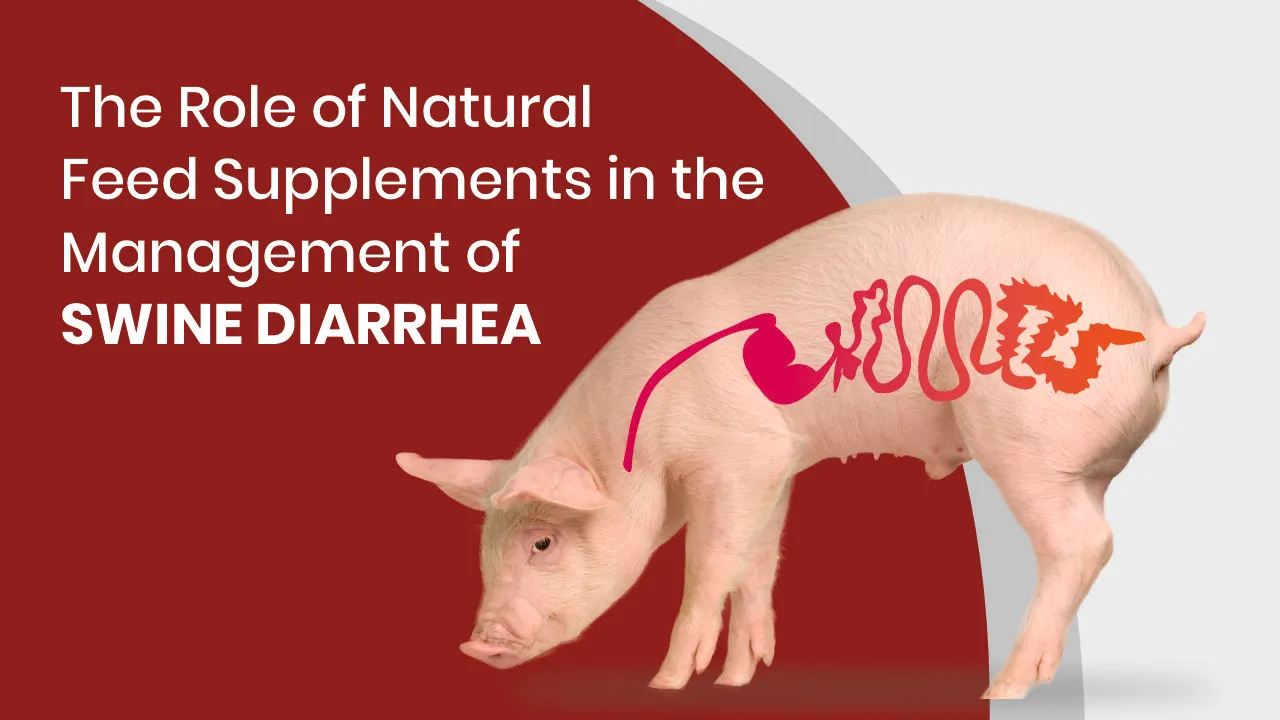
The Role of Natural Feed Supplements in the Management of Swine Diarrhea

Swine diarrhea, also referred to as pig diarrhea, is a common condition that can affect pigs at any stage of life, from piglets to adults. A healthy Gastro-Intestinal Tract (GIT) of pig performs various functions such as digestion, nutrient absorption, and regulation of intestinal barrier function. However, the GIT is a direct path for disease-causing organisms (pathogens) to enter the pig and cause disease. Swine diarrhea is the most apparent symptom of intestinal dysfunction. It is among the most important problems due to their negative effect on productivity and profitability in pig production. Estimated costs for pigs affected by diarrhea with a mortality of 10% can be as high as 134 € per pig per year, as per some estimates from the EU.

Diarrhea in pigs is of many types like neonatal diarrhea, post-weaning diarrhea, porcine epidemic diarrhea, swine dysentery, coccidiosis, salmonellosis, porcine proliferative enteropathy, and rotaviral diarrhea.

Causes of pig diarrhea

  • Parasites, such as coccidia, roundworms, and whipworms.
  • Viral pathogens, like porcine epidemic diarrhea (PED), transmissible gastroenteritis (TGE), rotavirus types A, B, and C, and even porcine respiratory and reproductive syndrome (PRRS).
  • Bacterial causes, such as E. coli, Salmonella, and, occasionally, Clostridium perfringens or C. difficile.
  • The stress of weaning can often trigger an enteric challenge in the nursery, allowing these organisms to affect piglets negatively.

How do pigs get infected?

Pig diarrhea is majorly associated with the proliferation of enterotoxigenic pathogens in the pig’s intesne

Pig diarrhea is majorly associated with the proliferation of enterotoxigenic pathogens in the pig’s intesne

1.   It starts with ingesting pathogens from the surroundings, followed by colonization in the jejunum and ileum of the pig’s intestine.

2.  It damages the intestinal villi, which leads to the loss of water, electrolyte, and nutrient absorption in the pig’s body.

3.  It causes diarrhea, weight loss, and economic loss.

Cut off the use of antibiotics:

Historically, antibiotics as well as high doses of zinc oxide and copper sulfate have been commonly used to control diarrhea in pigs, but their contribution to the issue of antibiotic residues and/or antimicrobial resistance remains significant. As a result, the EU has banned the use of antibiotics in pigs. The high level of zinc oxide used to prevent and reduce the development of diarrhea can lead to toxicity in animals, and bioaccumulation. It may contribute to the development of antimicrobial resistance. Due to the prohibition on the use of antibiotics, producers are turning towards natural alternatives.

Plant-based solutions are an effective natural alternative to antibiotics and can greatly prevent the harmful effects of antibiotics on pig health.

Roles of Phytoactive Ingredients :

Using phytoactive ingredients reduces the occurrence of pig diarrhea by more than 30%

  • Phytoactive Ingredients possess direct microbiocidal action and avoid the proliferation of pathogenic bacteria in the gut, during the colonization stage and stress disruptors. They do not kill the beneficial  bacteria in the intestines
  • They can stimulate the growth of favorable bacteria. This is associated with an improvement in digestive and immune functions.
  • Some phytoactive molecules are able to stimulate the production of digestive enzymes, leading to better feed use and a significant increase in growth.
  • These natural components also stimulate the immune system, making the animals more resistant to diseases.

DIAHALT

DIAHALT is the mixture of appropriately selected herbs and their blends, which positively reduce diarrhea in pigs. It is a natural solution for pig diarrhea. The phytomolecules present in each herb help to treat diarrhea in pigs by stimulating the natural defence mechanism of the intestinal epithelium, without any side effects on the pig’s health. They are responsible for the antidiarrheal activity, by increasing colonic water and electrolyte reabsorption and inhibiting intestinal motility. Natural fibres present in   help relieve mild-to-moderate diarrhea. It soaks up a significant amount of water in the digestive tract, making stool firmer and slower to pass.

Diahalt: Rapid relief solution for diarrhea management in livestock – Vinayak Ingredients.

                                     Pigs with healthy guts have healthier lives.


*References on request*

NATURAL SOLUTION FOR LEAN PORK PRODUCTION

Natural Solution For Lean Pork Production

Pork is one of the most extensively consumed meat globally. It is a vital source of animal protein for humans because of its nutritional value, distinctive chemical composition, and well-balanced protein content. Fat content and composition, water holding capacity, color, oxidative stability, and uniformity are the main attributes determining pork quality.

Attributes Determining Pork Quality

While it is true that exponential human population growth has occurred over the last few decades resulting in a significant rise in the demand for meat and its products. In the past, when the pork producers were paid strictly on a live-weight basis, it was to their advantage to optimize average daily gain and feed conversion ratio, this often resulted in carcasses with excess fat. But today’s modern consumers are increasingly critical of the food they eat hence for producers who market on a lean value-based system, carcass parameters are equally important along with growth performance.

WHY THERE IS INCREASE IN DEMAND OF LEAN PORK?

High levels of fat in the human diet can lead to excessive weight gain which increases the risk of the occurrence of health problems. Therefore, consumers are concerned about reducing the quantity of fat consumed in their diets and consequently prefer meat that is lean and has less visible fat. A major focus of the pork industry in the past few decades has been to increase lean tissue deposition to produce pig carcasses with a higher lean-to-fat ratio.

Lean pork is a nutrient-dense source of protein and several other nutrients such as thiamine, vitamin B6, phosphorus, niacin, potassium, riboflavin, and zinc.
Lean Pork Is a Nutrient-Dense Source of Protein and Several Other Nutrients

WHY SUPPLEMENTATION IS PREFERRED TO ENHANCE PORK QUALITY?

Nutrition is one of the most influential factors that have an effect on pork quality and the overall profitability of pork production. Numerous feeding strategies can be used in growing-finishing pigs like manipulating the quantity and composition of the feed given, which will be effective in achieving desirable carcass composition and muscle characteristics per consumer demands in cost effective manner.

In an attempt to meet consumer demand for lean meat, synthetic additives like ractopamine (RAC) have been used in swine feed. Ractopamine (RAC)  is known to promotes muscle mass development, limit fat deposition, and reduce feed consumption. However, it has several undesirable behavioral side effects including restlessness, agitation, excessive oral-facial movements, and aggressive behavior. This leads to increases in necessity of alternatives to attend lean pork in swine.

Innovative feed additives and supplements can be used as alternative to synthetic additives like ractopamine. They are designed to enhance nutrient absorption, promote muscle growth, and improve overall meat quality.  ‘METALEAN’ is a leading example.

Enhancing Pork Quality with METALEAN: A Lean Meat Feed supplement

‘METALEAN’, a phytogenic lean growth supplement for pigs. It promotes uniform growth performance, improves feed efficiency and carcass characteristics.

The back-fat thickness in pigs could be considered as a primary index for predicting the yield of lean meat. The higher back fat thickness can impact lean meat quality adversely, ‘Metalean’ helps to lower back fact thickness and improves dressing percentage.

HOW METALEAN WORKS?

‘METALEAN’ can be efficiently used as a lean meat feed additive in pigs. The phytoactives in METALEAN influence insulin-like growth factors, which are one of the potent growth factors associated with a wide range of metabolic processes. The biological actions of IGF I are controlled mainly through the stomach, duodenum, and muscle tissue. METALEAN triggers the IGF-targeted gut-brain axis, which controls the fat and protein metabolism. It also upregulates fatty acid breakdown and limits fatty acid synthesis. Additionally, components from Allium and Piper species enhance diet-induced thermogenesis, further supporting fat reduction and muscle development.

Metalean when used in feed improved the quality of pork.

Supplementation with METALEAN not only promotes a leaner meat profile but also enhances key pork quality parameters such as color, firmness, marbling, and water-holding capacity. These improvements make the pork more attractive to consumers and increase its marketability.

Choose ‘METALEAN’ for an effective, natural solution to meet consumer demand for leaner pork!

*References on request


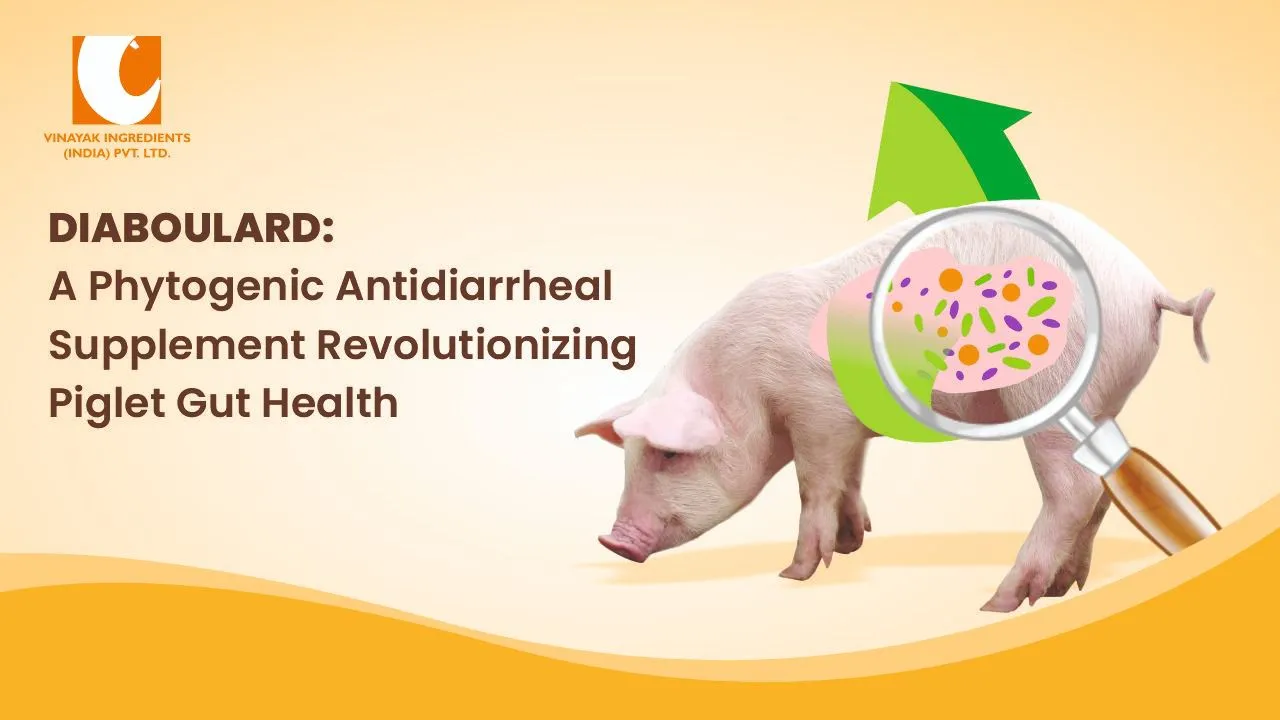
DIABOULARD: A Phytogenic Antidiarrheal Supplement Revolutionizing Piglet Gut Health

DIABOULARD A Phytogenic Antidiarrheal Supplement Revolutionizing Piglet Gut Health

The pig intestine is home to a dynamic microbial community that has a symbiotic interaction with the host and forms a complex ecosystem that is critical to the pig’s nutritional, physiological, and immunological functions. To meet production goals in the swine industry, piglets are weaned early and abruptly, which imposes enormous stress, that causes perturbations in the gut microbiota, host physiology, and immune function which lowers the defences against pathogen entry, leading to an increased risk of enteric diseases like neonatal diarrhoea (ND) and post-weaning diarrhoea (PWD)). Common causes leading to development of enteric diseases includes Escherichia coli (E. coli) , Clostridial enteritis, Coccidia , transmissible gastroenteritis (TGE and Porcine Epidemic Diarrhoea), salmonellosis, other causes include rotavirus, cryptosporidiosis and Brachyspira hyodysenteriae.

Clinical symptoms depend upon the type of diarrhoea involved, age of the piglet and severity diarrhoea that includes yellow- watery diarrhoea, shivering, vomiting, dehydration, sunken eyes, leathery skin, and mortality.

The high level of zinc oxide used to prevent and reduce the development of diarrhoea can lead to toxicity in animals, bioaccumulation and may contribute to the development of antimicrobial resistance. Managing dietary changes, avoiding sudden transitions, and ensuring feed quality can contribute to improve gut health in piglets, reducing chances of digestive issues. Given low drug residual contamination and low environmental pollution, feed-related measures are being highly used. In pigs, supplementation of organic acids, probiotics, and essential oils via feed can improve performance, and reduce infections due to enteric pathogens.

DIABOULARD is phytogenic antidiarrheal supplement for pigs which can help suppress diarrhoea-causing bacteria and their enterotoxins. It  contains chosen medium-chain fatty acids with anti-diarrheal effects and Saccharomyces boulardii which acts as probiotic. These components work together to prevent and treat conditions like ND and PWD caused by bacterial overgrowth or viral infections along with nutritional diarrhoea and improves gut health in piglets.

DIABOULARD is an innovative biotherapeutic option for piglet diarrhoea!

Diaboulard: Effective anti-diarrheal solution for livestock health – Vinayak Ingredients

*References on request

Encouraging lean pork production through promising herbal supplements

Swine fever infection control with essential amino acid supplements for lean growth and healthy pork production by Vinayak Ingredients.

Lean growth rate, lean efficiency (the kg of feed per kg of lean), and total production dollar cost per kg of lean is important traits for the future. Pork carcasses are graded according to the amount of edible meat they will yield. Number 1 carcass is one having the most satisfactory ratio of fat to lean; Number 2, 3, and 4 have a higher proportion of fat, reducing the amount of lean.
Under typical market conditions, an increase in the lean growth rate of 5% will translate to at least an additional $1 profit/pig. Therefore, it is important to understand what contributes to differences in lean growth rates between groups of pigs and hope to identify the means to increase lean growth rates and the efficiency of pork production.
Lean growth rates can be calculated from carcass weight at slaughter, the estimated lean content in the carcass, and assumed lean content in a pig’s body at the initial weight and the amount of time required to grow from initial weight to slaughter weight.

Protein optimizer and lean growth supplements for swine to enhance growth and muscle development.

What affects lean growth?

– Pig genotype

– Sex (Barrows and Gilts)

– Nutrient and energy intake- Lysine and other essential amino acids, and energy intake.

– Environmental stresses

The definition of lean and methods used to quantify the amount of lean that is present in pig carcasses may vary between and among packing plants, pig breeding organizations and research institutions.

To maintain efficient production in the growing pig it is necessary to understand the complex interactions that are involved. There are five important areas:

1. Management
2. Feed
3. Type of housing
4. Quality of the environment
5. Genetic potential
6. The levels of disease and their economic effects.

These are significantly demonstrated by the very marked improvements in daily gain and feed conversion achieved when pigs are segregated and early weaned, or produced under segregated disease control conditions.

Limitation and bans on synthetic additive use in the finishing pigs

The other market alternatives involve β-adrenergic agonists like Ractopamine HCl, Zilpaterol HCl, etc. These products increase muscle growth rate and improve feed efficiency while reducing fat deposition. In the US, ractopamine has been commonly used in commercial finishing operations according to regulations set by the FDA. This product is also used in the exhibition industry to enhance muscling and appearance in show pigs.

According to the Center for Food Safety (CFS), “The drug mimics stress hormones and increases the rate at which the animals convert feed to muscle.” In doing so, however, a number of adverse effects have been reported in pigs, including high-stress levels, lameness, hyperactivity, broken limbs and death. Problems with behaviour and cardiovascular, musculoskeletal, reproductive and endocrine systems have also been reported.

Only 26 major meat-producing countries allow ractopamine use, while at least 160 have banned it. It is controversial not only because it is linked to adverse effects in animals but also because of human health concerns.

Pig growth booster and lean mass supplement for lean pork production by Vinayak Ingredients

Innovative and sustainable approach towards lean pork production

Phytogenic feed additives comprise a wide range of plants, like herbs, spices and other plant-derived products like essential oils and oleoresins.

The beneficial effect of herbs in pig farming is been increasing globally, especially encouraged by higher authorities. The studies have shown substantial effects on weight gain, carcass meat content, meat quality.

The commercial pork industry’s number one challenge is to provide consumers with safe, wholesome food of a high and consistent quality. This food should be produced as efficiently as possible, while considering the impact on the environment, animal welfare, and the well-being of people involved with the production process.

Metalean, protein optimizer for high lean pork

Metalean is a phytogenic lean growth supplement for pigs. Metalean benefits in uniform growth performance, more than 10% improvement in the feed efficiency, improved carcass characteristics like higher dressing percentage, lower backfat thickness.

How does Metalean work?

The phytoactives in Metalean influence insulin-like growth factors which is one of the potent growth factors associated with the wide range of anabolic processes. The biological actions of IGF I are controlled mainly through the stomach, duodenum, and muscle tissue. This IGF targeted gut-brain axis is triggered by Metalean, which controls the fat and protein metabolism. It also upregulates fatty acid breakdown and limits fatty acid synthesis. Allium and Piper’s species also play a potential role in diet-induced thermogenesis.

Quality parameters of pork have shown superior results with Metalean supplementation. The meat colour, firmness, marbling, and water holding capacity is improved with the supplementation in the finishing phase of swine farming.

The natural and safe herbal feed supplement “Metalean” is an efficient alternative and sustainable solution for the pork industry. It is recommended to use at 2 kg per MT of finishing feed in the last 4 weeks before attaining desired body weight.

METLEAN protein optimizer for swine, essential amino acids for lean growth, pig growth boosters, and pork marbling by Vinayak Ingredients.