icon-globe
Search Connect with us

Say Goodbye to Pellet Breakage with Pelletovin’s Advanced Organic Binding Formula

Pelletovin organic binder for aquafeed, enhancing pellet durability, water stability, and overall feed efficiency for manufacturers and exporters.

Feed is the major cost contributor in aquaculture production, costing approximately 60-70% of the total cost.  Feed with high-quality ingredients undergo precise processing techniques to achieve maximum aquaculture yield.  Poor feed quality can lead to feed wastage, higher costs, and decreased animal performance. Therefore, the aqua-feed industry is continuously searching for strategies to improve feed processing techniques to ensure the quality and affordability of feed.

Pelleting is a feed processing technique that maintains feed homogeneity by agglomerating or compaction of feed particles. Pelleting involves compressing feed particles under mechanical and thermal forces to create dense, durable pellets. This compaction process reduces bulk volume, increases shelf life, and improves transportation efficiency.

Various characteristics of aquaculture pellets directly affecting feed quality and performance are

Various characteristics of aquaculture pellets affecting feed quality and performance, including size, durability, water stability, and floatability.

Despite advancements in pelleting technology, maintaining consistent pellet quality remains a challenge.  Water stability measures how well aqua feed pellets maintain their structure when submerged in water. This factor is particularly crucial for species like shrimp, which are slow feeders and rely on pellets remaining intact in water for extended periods. Insufficient water stability in pellets can cause rapid feed disintegration, leading to nutrient loss and reduced efficiency—ultimately impacting profitability.

To address this, aquaculture feed manufacturers often incorporate pellet binders into their formulations to avoid the disintegration of pellets. Pellet binders provide the necessary binding strength to hold feed particles together, reducing fines and dust. Binders strengthen pellets and enhance their integrity, durability, and stability. They also reduce nutrient leaching and prevent fragmentation and abrasion of pellets during handling, transportation, storage, and feeding to aqua-cultural species. Traditionally, synthetic binders like polymethyl carbamide (PMC) have been widely used to strengthen pellets. However, with growing concerns about sustainability, performance efficiency, and cost-effectiveness, Pelletovin can be considered as a viable organic alternative to PMC.

Pelletovin: Organic binder for high-grade pelleting

Pelletovin is an all-purpose, organic, thermo-reactive binder that is stable at room temperatures and therefore will mix well with other feed ingredients. Once the feed mix is exposed to moisture and heat in the conditioner, this organic feed binder binds other feed ingredients. It enhances pelleting capacity and reduces energy consumption at the feed mills.

According to field trials, Pelletovin significantly reduces dustiness and dry matter loss from feed. Pelletovin at an inclusion rate of 0.3% gives approximately 80% water stability and about 90 % pellet durability index (PDI). It shows better efficacy than synthetic binders like polymethyl carbamide (PMC).

Key Benefits of Pelletovin :
  • Enhances water stability of aquatic feed.
  • Strengthens pellets for better durability and integrity.
  • Reduces dusting and run time.
  • Lowers energy consumption and increases production rates.
  • Protects essential nutrients.
  • Minimizes friction in the pellet die.

Pelletovin helps to achieve optimum delivery and utilization of nutrients to the livestock supporting cost-effective and efficient aquaculture feed production.

‘Enhance pellet durability and reduce operational costs of your aquaculture with Pelletovin’

*References on request*
Is Low Immunity Affecting Your Aquaculture Profits? NUCLEOVIN Can Help

nucleotides probiotics vitamin c for fish shrimp vinayak ingredients

Aquaculture has rapidly expanded in the past few decades to meet the high-quality animal protein needs of the growing human population. According to FAO’s Fisheries and Aquaculture projections, 2022–2032, apparent consumption of aquatic animal foods is projected to reach 21.3 kg in 2032, up from about 20.7 kg in 2022 per head of consumer. Intensive and ultra-intensive aquaculture farming systems are used to increase profitability. Even though beneficial, Intensive farming practices are responsible for numerous problems, such as poor water quality, overcrowding, high temperature, poor nutrition, and pathogenic injuries. This might lead to the generation of stress decreasing the productivity of aquaculture.

Stress and Its Impact on Aquaculture

Stress impacts aquaculture species by reducing immune response and resistance against diseases. Factors like host, physiology, pathogens, husbandry practices, environmental factors, and nutrition induce stress in aquaculture. These stressors impact aquaculture production by decreasing animal growth rates, reproductivity, and immune response, making them more susceptible to environmental pathogens.

Stressors and their impact on aquaculture


Impact of stressors on aquaculture health and productivity – Vinayak Ingredients.

Due to underdeveloped immune responses, aquatic animals are highly susceptible to stress and diseases. Nutrition is critical in enhancing stress tolerance, immune function, and FCR. Immune system optimizers are prophylactic solutions that enhance the immune response of aquatic species, reducing disease outbreaks and dependency on chemicals or drugs. These nutritional supplements improve gut health, optimize immunity, and support aquaculture growth and reproduction.

Numerous studies highlight the effectiveness of feed additives like probiotics, prebiotics, nucleotides, functional amino acids, and minerals of natural origin in supporting aquaculture health. One such innovative solution is NUCLEOVIN-AQUA, a phytogenic supplement designed specifically for immune system optimization in fish and shrimp.

‘NUCLEOVIN—AQUA’  contains Nucleotides, Vitamin C, and Probiotics to improve the immune function of aquatic species. This novel combination influences many essential and diverse functions in the fish and shrimp, both directly or indirectly, and improves many physiological and commercial parameters.

The nucleotide in ‘NUCLEOVIN—AQUA’ plays a major role in structural, energy-related, and regulatory functions while enhancing performance in fish and shrimp. Vitamin C acts as an antioxidant and helps to improve immune responses. It also contains probiotics that help to maintain intestinal equilibrium and reduce loss of nutrients.

Benefits of Nucleovin Aqua for enhancing aquaculture health and performance – Vinayak Ingredients.

By using ‘NUCLEOVIN—AQUA’  producers can enhance resilience and productivity, ensuring healthier and more sustainable aquaculture.

*References on request*

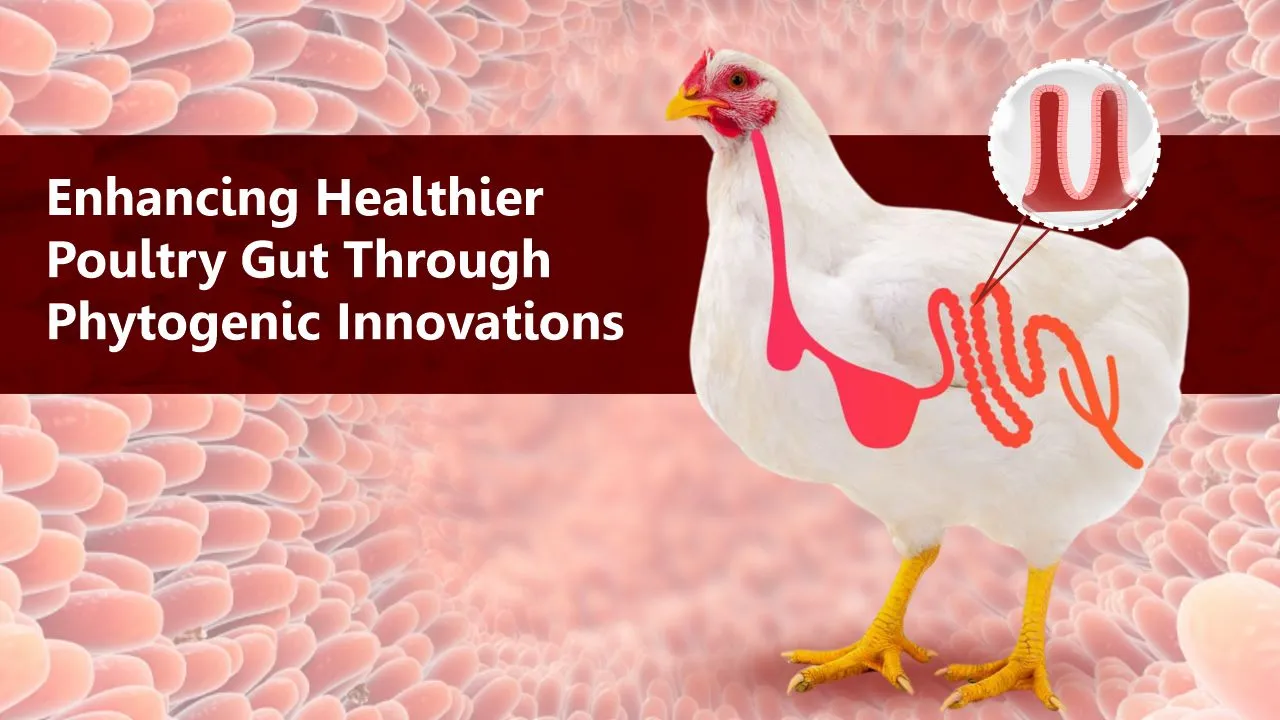
Enhancing Healthier Poultry Gut Through Phytogenic Innovations

Poultry gut health diarrhea solutions vinayak ingredients

Poultry diarrhea is a common yet significant health challenge in the poultry industry which affects the productivity, growth, and overall health of birds. It is identified by watery, loose, or abnormal droppings that can lead to dehydration, nutrient loss, and poor feed conversion efficiency. This condition not only impacts the health and welfare of birds but also poses economic concerns due to higher treatment costs and reduced productivity rates. Moreover, wet litter resulting from diarrhea can lead to secondary complications like footpad dermatitis and ammonia build-up which further exacerbate management challenges.

Major causes of diarrhea in poultry:

Infectious

  • Bacterial : E. coli, Salmonella spp., Clostridium perfringens, and Campylobacter jejuni
  • Viral: Adeno virus, Reo virus, Rota virus, Newcastle disease (ND) virus, avian influenza virus (AIV) and infectious bronchitis virus (IBV)
  • Parasitic: Coccidiosis caused by Eimeria spp.

Non-infectious

  • Environmental and Management
  • Nutritional
  • Metabolic


The Hidden Consequences of Diarrhea in Poultry:

  • Dehydration: Diarrhea causes excessive fluid loss, leading to dehydration. Dehydrated birds become weak and lethargic.
  • Reduced Productivity: Chronic diarrhea reduces nutrient absorption, leading to poor growth in broilers, decreased egg production in layers, and reduced meat quality, resulting in substantial economic losses for poultry farmers.
  • Disease Transmission: Diarrhea can be a symptom of underlying diseases, and infected birds can quickly spread these illnesses throughout the flock, leading to widespread issues.


Dropping Colour Coding the Cause of Diarrhea

Poultry droppings color poop chart

Current Approaches to Address Poultry Diarrhea:

  1. Probiotics
    Probiotics restore gut microbiota balance, enhance intestinal integrity, and suppress harmful pathogens. Lactobacillus plantarum and Bacillus subtilis have been found to reduce diarrhea caused by pathogens like Salmonella and Eimeria.
  2. Prebiotics
    Prebiotics act as food for beneficial gut bacteria, promoting their growth and activity. Mannan-oligosaccharides (MOS) and beta-glucans are commonly used to improve gut health and reduce diarrhea.
  3. Organic acids
    Organic acids (e.g., citric acid, lactic acid) lower gut pH, creating an environment unfavorable for pathogens.
  4. Vaccination and Anticoccidials
    Vaccines against Eimeria and other pathogens help prevent diarrhea caused by coccidiosis.
  5. Phytogenic Feed Additives (Herbs and Essential Oils)
    These plant-based compounds have antimicrobial, anti-inflammatory, and gut-stimulating properties.


While the use of antibiotics is crucial, its overuse or misuse leads to antimicrobial resistance (AMR). The increased AMR can impact the effectiveness of antimicrobials against pathogens. To manage this condition, Food Safety and Standards Authority of India (FSSAI) released an amendment on 17 October 2024 stating that the use of some antimicrobials for the production of animal-based food products is not permitted. Also, the authority has changed the Maximum Residual Limits of antimicrobials in food-producing animals. These new regulations will be enforced from 1 April 2025.

Importance of Phytogenic Compounds:

Supplementation with phytogenic feed additives has been shown to protect birds from various environmental threats leading to impaired intestinal barrier function. Phytogenic feed additives have the potential to improve the overall structure of intestinal mucosa as well as gut barrier function on a molecular level. It also helps in better nutrient absorption which leads to an improvement in the overall health of chicken.

REDUCE POULTRY DIARRHEA NATURALLY USING

DIARRELIF is the mixture of appropriately selected herbs and their blends, which positively reduce diarrhea in poultry. The biologically active components in each herb help to treat diarrhea in poultry by stimulating the natural defence mechanism of the intestinal epithelium, without any side effects on the poultry’s health. It stimulates the gut microbiota in poultry by supporting the growth of beneficial bacteria and reducing the count of pathogenic microorganisms. The main phytoconstituents in the herbal extract are responsible for antidiarrheal activity, which increases colonic water and electrolyte reabsorption and inhibits intestinal motility. It also maintains the gut integrity to retain proper digestion, absorption, and assimilation of nutrients and ultimately reduces diarrhea. Natural fibres present in DIARRELIF help relieve mild to moderate diarrhea. It soaks up a significant amount of water in the digestive tract, making stool firmer and slower to pass. The natural composition of DIARRELIF makes it an effective natural solution for diarrhea in poultry.

Benefits
  • It helps increase the integrity of the digestive tract.
  • Regulates peristaltic movements.
  • Retains excessive fluid in the digestive tract.
  • Act against a wide range of gastrointestinal pathogens.
  • Acts as an antioxidant.
  • Exhibits anti-inflammatory effect in the intestinal lumen.


“Healthy guts in a phytogenic way”

*References on request

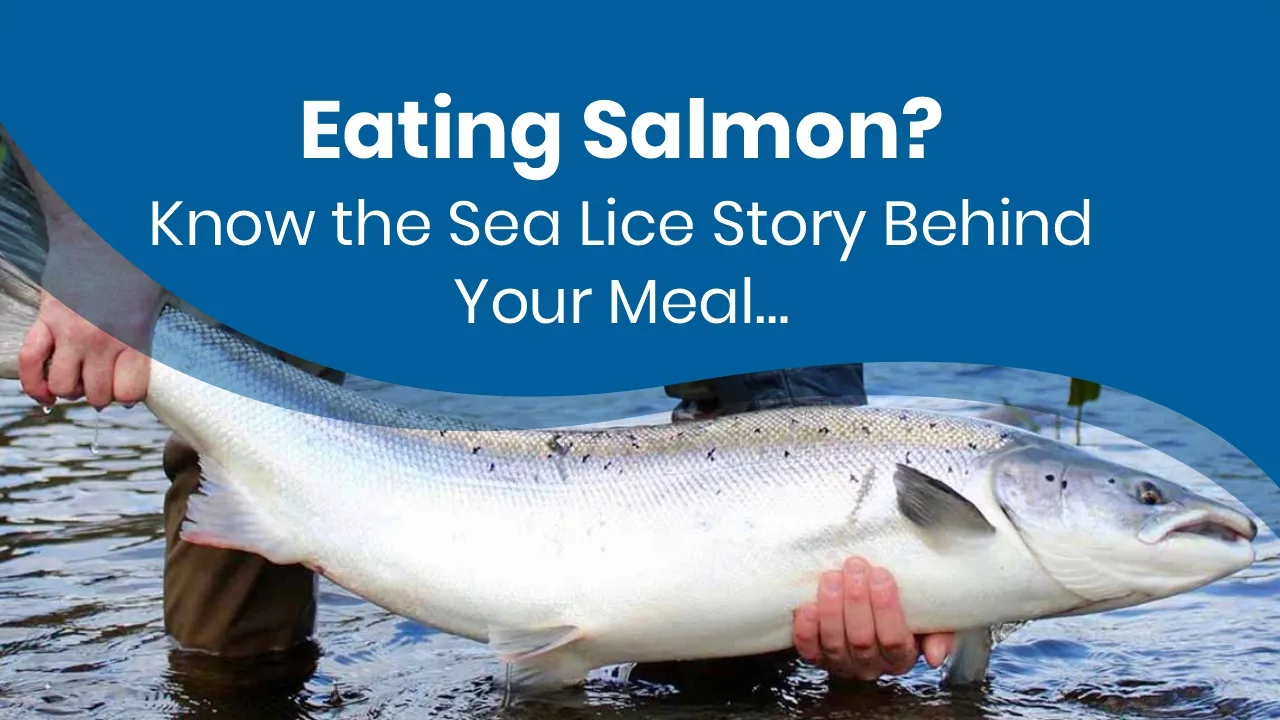
Eating Salmon? Know the Sea Lice Story Behind Your Meal…

The global salmon farming business has been struggling since it was founded in the 1970s to control the severe economic, animal welfare, and ecological effects of sea lice infestation, which has kept salmon farming from reaching its full potential. Currently, the year has been put up as estimates for the economic impact of between USD 400 and USD 600 million (EUR 366 million to EUR 549 million). However, solving the problem can harm marine ecosystems, and lice can develop resistance to treatments.
Salmon farms constantly struggle against the onslaught of sea lice (Lepeophtheirus salmonis, Caligus rogercresseyi, etc), it is also a real challenge for parasitologists to solve this huge problem that has continued to build up over the years since the start of salmon aquaculture. While the ability to deal with sea lice outbreaks is often the most pressing concern of those involved in salmon production, there is an acknowledgment that the use of long-term integrated strategies for managing them is an important consideration to the industry’s sustainability.

Sea lice infestation

The ectoparasite attaches to the body surface of Salmon fish, the attachment is typically near the base of the fins or on the body surface.

While they feed on their host, they remain too small to cause significant harm. However, as they mature into more mobile pre-adult and adult stages, there is a shift in their attachment method to suction, making them more lethal.

They mostly feed on host mucus, skin, and underlying tissue.


Life cycle of sea lice

Life cycle of sea lice

Symptoms –


    • Serious damage to the skin

    • Inflammation and Redness

    • Fins Erosion

    • Fatigue

    • Reduced Appetite

Prevention –

1.Functional feed:

Functional feed

Feed that contains ingredients that thicken the mucus layer, promote healing or repel copepods.

2.Sea lice trap:

Sea lice trap

Traps are placed around the pens which attract sea lice away from salmon using light and odorant.

3.Deep lights/feeding:

Salmon are attracted to depths without sea lice with light or feed.

4.Sea lice skirts:

A fabric that covers the top of the net prevents sea lice larvae from entering the sea pens.

Treatment –

1. Cleaner Fish:

Cleaner fish

Cleaner fish are housed in the same sea pens as salmon and eat sea lice that are on the salmon.

2. Hydrogen Peroxide:

Hydrogen peroxide

Infected salmon are exposed to hydrogen peroxide at concentrations that kill sea lice.

3. Chemotherapeutics:  

Chemotherapeutics

Infected salmon are exposed to chemicals via baths or feed.

4. Mechanical:

Mechanical

Salmon are pumped through water jets. Sea lice are dislodged.

Norwegian Standards for Mean Sea Lice/ Fish

In Norway, strict regulations are in place to control sea lice levels in salmon farms to protect wild and farmed salmon populations. The Norwegian standards for the mean number of adult female sea lice per fish are as follows:

Threshold Levels


    1. Southern Norway:


        • During the critical weeks of 15 to 21 (spring smolt migration), the limit is 0.2 adult female sea lice per fish.

        • For the rest of the year, the threshold is 0.5 adult female sea lice per fish.

    1. Northern Norway:


        • A uniform limit of 0.5 adult female sea lice per fish is maintained year-round

Also, in 2017, the government introduced a new category of “green permits,” which required sea-lice levels of between 0.25 and zero, and the demonstration of a new production method or equipment that would reduce sea-lice and/or escapement. Farms exceeding these limits must take immediate measures, such as delousing treatments.

Effects of the Residues between Plant‐derived Compounds and Chemical Treatments

Effects of the Residues between Plant‐derived Compounds and Chemical Treatments

HERE’S HOW WE ARE RECLAIMING THE BLUE…

Many studies have shown that essential oils, extracts, and isolated substances from plants might be an important and alternative oral and immersion treatment against parasites in aquaculture. These plant extracts are capable of enhancing immune responses and disease resistance of cultured fish, serving as a great phytotherapeutics against infections in aquaculture.

CRUSTAXE is a synergistic combination of plant-derived semiochemicals that precisely target the planktonic copepod crustaceans by avoiding all the unintended negative effects on the ecosystem. It can be incorporated into the functional feeds as a feed additive to repel the copepods. The bioactive present in ‘CRUSTAXE’, even at very low concentrations, can interfere with the host location and disrupt copepodid settlement on salmonid fish.

HOW DOES CRUSTAXE WORK?

Benefits

– Environment friendly

– Suits consumer food safety requirement’s

– Non-medical natural solution

 – Minimize dependence on chemotherapeutics

                          – No bioaccumulation


A sustainable initiative to manage sea lice challenges”

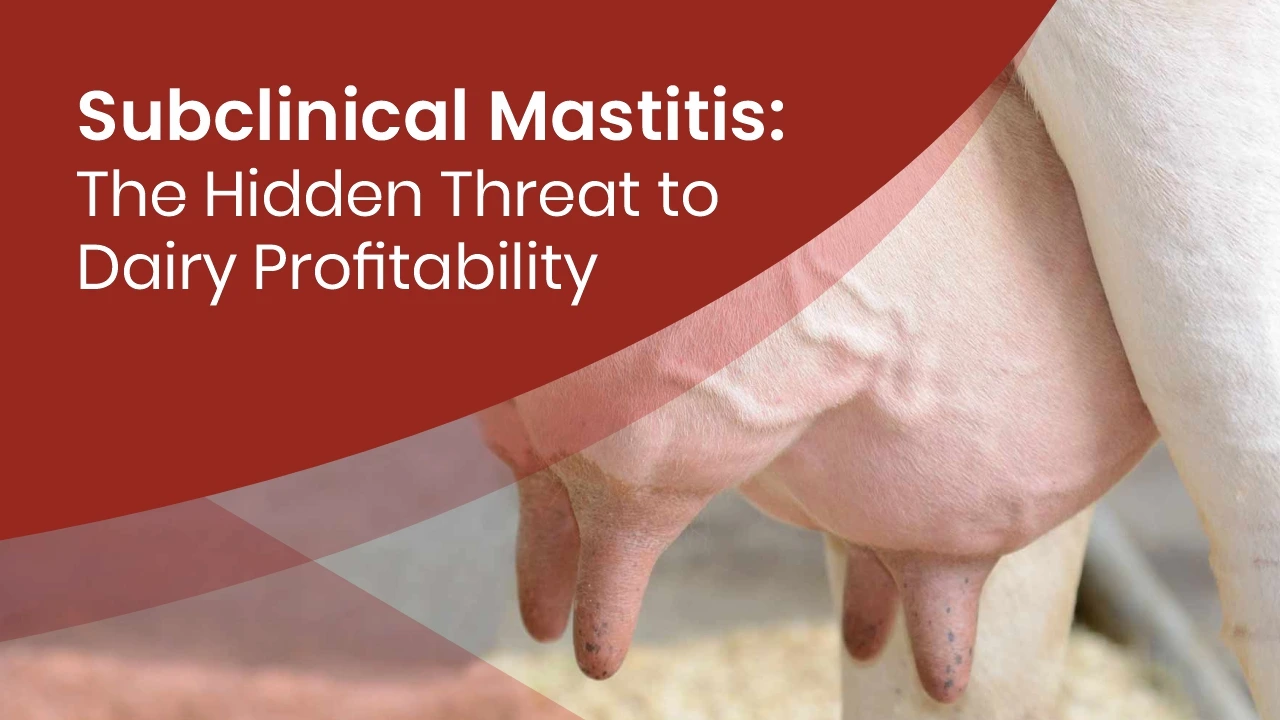
Subclinical Mastitis: The Hidden Threat to Dairy Profitability

mastitis in cows impact on dairy profitability vinayak ingredients.

The increasing demand for milk and milk products has led to an increase in the dairy production industry. The cow’s udder health is important to maintain productivity and profitability. Any factors impacting udder health can affect animal welfare and the safety of the products produced by infected cows eventually leading to economic losses. One of the major threats to udder health and overall dairy productivity is Bovine Mastitis.  Mastitis in cows is a disease with significant financial impact due to decreased milk production and consecutive high culling rates during severe conditions caused by multiple causes. A Journal of Dairy Science study reports that dairy cattle disease may lead to annual global losses of around US$65B with subclinical mastitis causing loss of around US$9B.

What Is Bovine Mastitis?

Bovine mastitis is an inflammation of mammary gland tissues caused by pathogenic infection or physical injury. Mastitis occurs when pathogens enter the sterile environment of the mammary gland, which often happens due to disruptions in the physical barriers of the teat. Decreased immunological responses to these pathogens lead to the development of mastitis.

Non-infectious mastitis is caused by physical injury to the mammary gland and trauma. Infection of the udder with contagious and environmental pathogens can also lead to the development of subclinical mastitis. Staphylococcus aureusEscherichia coli, and Streptococcus species are the crucial infecting agents.

 Factors contributing to Mastitis  –

  • Milking Practices: Improper milking hygiene practices like dirty milking equipment or poor handling practices facilitate pathogen entry.
  • Physical Trauma: Injuries to the teat or udder affect the epithelial barrier.
  • Environmental Factors: Unsanitary housing conditions and exposure to contaminated bedding or water increase the risk of infection.
  • Host Susceptibility: Nutritional deficiencies, immunosuppression, or stress conditions can increase the risk of mastitis.
Comparison of somatic cell count in normal vs. abnormal milk samples – Vinayak Ingredients

Current Strategies Used for Mastitis Control

General measures such as proper disinfection of udder pre and post-milking, balanced feeding practices, dry therapy, grazing management, and sanitation of farms can be implemented for mastitis control in cows. Antibiotics and vaccines are widely used for the treatment of active infections. However, the increasing risk of antimicrobial resistance (AMR) and potential downstream effects on human health have led to the need for the development of alternative methods for the prevention and treatment of Bovine Mastitis.

Natural products can be ideal for mastitis control due to their antimicrobial properties and complex composition. Plant extracts, essential oils, and probiotics can crucially impact the infection-causing pathogens and might help to prevent mastitis in cows.

RECOMAST – For Holistic Mastitis Care

RECOMAST is a Phytogenic anti-mastitis feed supplement having anti-bacterial, anti-inflammatory, analgesic, and immunomodulatory action that helps in mastitis control in cows.

Mode of action of Recomast for improving udder health and milk quality – Vinayak Ingredients

The herbal components in RECOMAST help improve immune response and reduce somatic cell count in the dairy. It also contains minerals that improve the physical barrier of the udder. Probiotics help reduce the impact of pathogens. The nucleotide present in RECOMAST enhances the rate of recovery of mammary glands, eventually helping in the control of subclinical mastitis in cows. RECOMAST is a natural supplement that increases the quality and quantity of milk and reduces the somatic cell count during infections.

RECOMASTHolistic Mastitis Care for Healthier Herds and Higher Profits.”

*References on request*

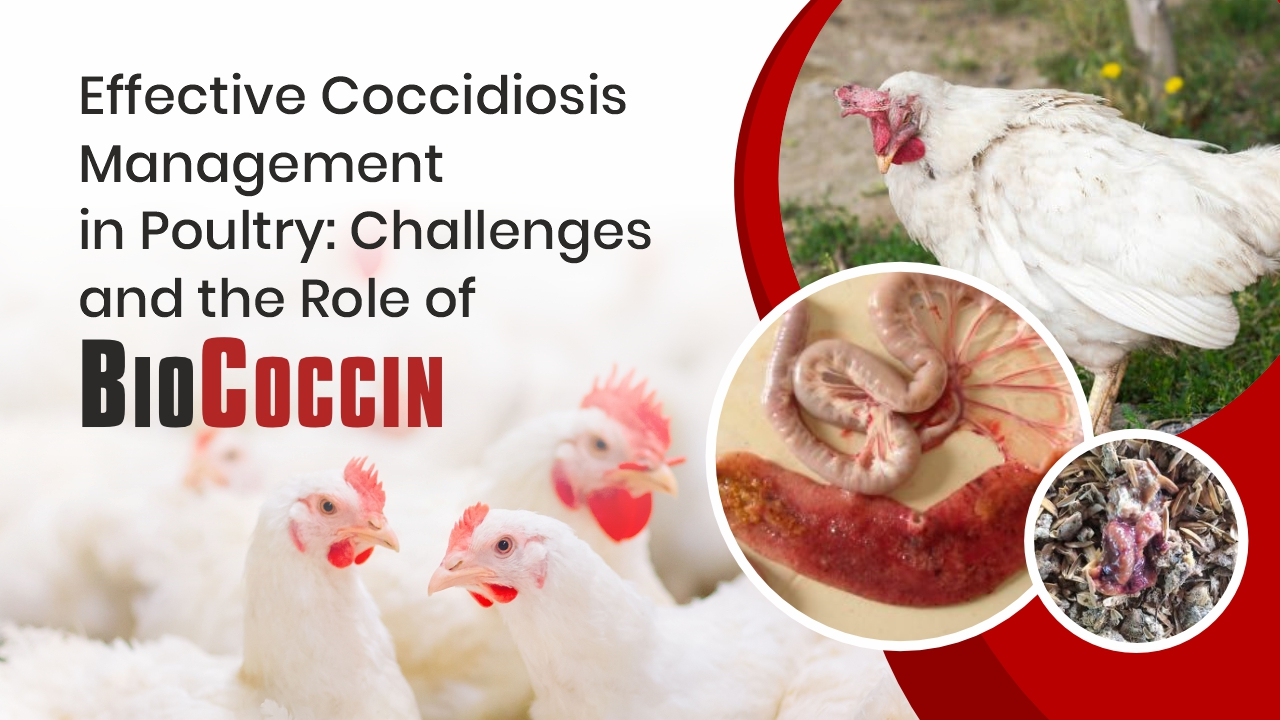
Effective Coccidiosis Management in Poultry: Challenges and the Role of BIOCOCCIN

Effective Coccidiosis Management in Poultry Challenges and the Role of BIOCOCCIN

The poultry industry faces various health challenges, with diseases being a constant threat to flock growth and profitability. Infectious diseases like avian influenza, Newcastle disease, infectious bronchitis, coccidiosis, and salmonellosis as well as non-infectious issues like nutritional deficiencies and managemental disorders impact flock health. Notably, Coccidiosis is one of the most significant parasitic diseases caused by protozoa of the Eimeria species, adversely affecting the productivity and economic growth of poultry farmers.

Eimeria is ubiquitously present in almost all poultry farms but becomes clinically significant after ingestion of a large number of sporulated oocysts by poultry. It can spread easily through feed, dust, water, caging systems, equipment as well as by insects and rodents.

Impact of Coccidiosis on Poultry

Eimeria infection affects the mucosal cells of the host increasing membrane permeability, eventually impacting digestion and absorption of protein and other nutrients. This causes diarrhea and hemorrhage in extreme conditions. Coccidiosis in poultry also reduces weight, and feed conversion rate, and increases mortality, leading to significant losses in productivity and profitability.

Understanding Coccidiosis in Poultry

Coccidiosis in poultry is caused by Eimeria, a eukaryotic, host-specific, unicellular protozoa that infects the intestinal epithelium of poultry. Seven species of Eimeria that are infective in chicken include (E. acervulina, E. brunetti, E. maxima, E. mitis, E. necatrix, E. praecox and E. tenella). Among these, Eimeria tenella (ceca), Eimeria brunetti (lower small intestine, rectum, ceca, and cloaca), and Eimeria necatrix (proximal and mid portions of the small intestine) are considered more infectious in chickens than other species.

Species of Eimeria And Site of Infection


Different species of Eimeria and their site of infection in poultry and livestock – Vinayak Ingredients

Life Cycle of Eimeria

Eimeria is transmitted by oral-faecal route. The life cycle of Eimeria consists of two distinct stages –

The exogenous phase (environmental) –

    • Sporogony happens after the oocyte is excreted by the bird. Sporozoite, surrounded by a resistant oocyst wall is the infective form of It is present in sporulated oocysts formed due to the division of protoplasm.

The endogenous phases (inside chicken) –

    • Sporulated oocysts begin to replicate after being ingested by chicken orally. The digestive enzymes and mechanical disruption help to release sporozoites from oocysts inside the intestine of chicken. The sporozoites released invade intestinal cells beginning schizogony, the asexual developmental stage, and developing first generation merozoites which further infects intestinal cells.

    • Gametes are formed after a few numbers of asexual cycles, beginning the development of the sexual stage known as gametogony. The sexual phase ends with the formation and release of oocysts into the intestinal lumen of the chicken which is then excreted in the environment. Oocysts after sporulation in the environment become infective.

Lifecycle of Coccidiosis in poultry and its impact on gut health – Vinayak Ingredients

Intensified poultry farming creates an environment suitable for the survival and spread of Eimeria oocysts, increasing the risk of infection among the flocks. The losses caused by Eimeria infection in poultry show the importance of effective control strategies. Various standard and innovative approaches have been developed to manage coccidiosis in poultry.

Control Methods Used

Traditional methods like anticoccidial medications and vaccines are used for the prevention and treatment of coccidiosis. However, the risk of drug resistance, consumer demand for residual-free poultry products, and increasing cost impact the significance of these methods.  In response to these challenges, natural and cost-effective alternatives have been used due to their safety and sustainability.  BIOCOCCIN is an herbal coccidiostat specifically designed to control Eimeria infection in poultry.

BIOCOCCIN – A Natural Coccidiosis Control

BIOCOCCIN is a phytogenic coccidiostat that helps to control coccidiosis in poultry. It acts on multiple species of Eimeria.  Phyto-molecules present in BIOCOCCIN prevent the release of the Eimeria sporozoites from the oocyst and its penetration in the intestinal epithelium i.e. mainly the Sporogony and Schizogony stages of the Eimeria cycle. It helps to prevent further damage to the intestine, reduces the oocyst shading, and helps to improve recovery from Eimeria infection in poultry.

Mode of Action of BIOCOCCIN 

Mode of action of BIOCOCCIN for controlling coccidiosis in poultry – Vinayak Ingredients.

The Phyto molecules of BIOCOCCIN show anti-inflammatory and immunomodulatory actions which help to improve recovery from coccidiosis in poultry and reduce mortality rates. With BIOCOCCIN, farmers can safeguard their flocks and profits.

Manage Coccidiosis Naturally! Connect with our experts today. Visit us to learn more about BIOCOCCIN.

Enhancing Productivity in Hyperprolific Sows with PROLIFISOW

Hyperprolific sows produce more piglets than they have functional teats, with modern sow lines usually having no more than 16. Hence, sows with more than 16 piglets per litter are known as hyperprolific. However, litters of 18–20 or more piglets are increasingly observed in pig production. Though such an increase in sow prolificacy is desirable for breeders, it is worrying because it leads to higher milk production requirements, prolonged parturition, maximum energy requirement during farrowing, and optimum nutrient supply to each foetus. In herds of pigs free from specific diseases, the number of stillborn piglets per litter should not exceed 5–7 % of the total number born. The percentage of stillborn piglets is often much higher among hyperprolific sows, which causes substantial economic losses, premature culling, and deterioration of sow health.

What Hyperprolific Sows Require?

The size and weight of the litter during farrowing and weaning will be influenced by the diet of the sow during lactation and gestation, which will directly affect the health of piglets. Hence, an appropriate nutrient rich diet is important to support nutrient supply to each foetus, farrowing process, and the onset of lactation in sows. Piglets’ growth rate relies considerably on the quantity and quality of the milk production during the pre-weaning period.

It takes many factors such as genetics, nutrition, feeding frequency, environment, body condition, length of lactation, and water intake to maximize milk production in sows. Sows can achieve and maintain high levels of milk production throughout their productive life if given adequate energy and nutrients.

Key benefits of essential nutrients in sows for reproductive health and productivity – Vinayak Ingredients.

PROLIFISOW

PROLIFISOW is a scientifically blended combination of plant-derived bioactive compounds having gluconeogenic precursors, which provides glucose, a source of energy. Galactagogue properties of PROLIFISOW help to induce, maintain, and increase milk production in sows. It has added benefits that improve health, and growth, and increase production efficiency in sows. Dietary supplementation of PROLIFISOW leads to a greater number of weaned piglets per sow.

How does it work?

Gluconeogenic Precursors

  • Gluconeogenic precursors present in PROLIFISOW are important for maintaining blood glucose concentrations, which ensures continuous supply of glucose to energy-dependent tissues. It improves glucose transportation to each foetus of hyperprolific sow through umbilical cord. Also provides energy to the sows during farrowing, which helps reduce the farrowing time.

Galactagogue Properties

  • Plant-derived herbs having galactagogue (lactogenic) activity increases milk production in hyperprolific sows. It also improves protein and fat content in sow colostrum and milk.

Muscle Function and Farrowing Success

  • Maintaining the appropriate levels of nutrients in feed is crucial, as it plays a crucial role in regulating muscle contractility, including the myometrium, for smooth and efficient farrowing. It also reduces the number of stillbirths and shortens farrowing duration, especially in young sows.

Embryo Development and Placental Function

  • It supports embryo implantation and the proper functioning of the placenta, which ensures optimum growth and development of the piglets during gestation.

Benefits

  • Increases milk yield
  • Enhances energy supply
  • Reduces the number of stillbirths
  • Improves milk quality
  • Enhances nutrient digestibility
  • Reduces farrowing time


“With PROLIFISOW, every piglet counts”aculture with Pelletovin’

*References on request*

Boost Swine Growth and Health with Organic Calcium Supplement

Minerals and vitamins play a vital role in raising healthy and productive pigs. For pigs, some crucial minerals include calcium, phosphorus, and zinc. Calcium is one of the essential minerals required for growth, bone strength, reproductive health, immune function, and the overall health of pigs. Low calcium intake through diet also affects the pig’s overall health and causes economic loss. Hence, it is crucial to fulfil the demand for calcium requirements at each developmental stage of a pig. Dietary calcium and phosphorus deficiencies affect the thickness of long bones and bone ash content. Growing pigs have a higher mineral requirement than adults, with no difference between the sexes. Calcium plays an important role in sows during gestation and lactation. However, not all calcium sources show maximum bioavailability and absorption in the body. Therefore, supplementation of calcium with maximum bioavailability is important in pigs.

Calcium Requirements In Pig Feed:

The National Research Council (NRC) estimates that 0.6% calcium and 0.5% phosphorus are needed for pigs weighing between 20 and 50 kg. A calcium and phosphorus inclusion of 0.10–0.15% in the meal should be sufficient. Sows require additional calcium during their pregnancies. Every fifteen to twenty days during pregnancy, a litter’s overall mineral content requirements double. Over 50% of the total amount of minerals needed is in the last two weeks of gestation. To reduce the sow’s mineral shortage, highly soluble calcium sources should be provided.

Calcium requirements in pig feed for optimal growth and bone health – Vinayak Ingredients.

Importance Of Calcium At Each Developmental Stages Of Pig

  1. Piglets: calcium supports their fast-growing bodies with the necessary minerals to build strong bones and muscles, setting them up for healthier weight gains and an enhanced immune system.
  2. Growing Pigs: During the growth stage, pigs need large amounts of calcium to support their rapid development. It helps them reach optimal weights faster but also ensures balanced bone density, helping prevent fractures or other skeletal issues. It also supports blood clotting functions in response to any injury.
  3. Breeding Sows: Calcium provides a more efficient source, helping support reproductive health, ensuring sufficient milk calcium content, and reducing the risk of bone depletion. Manipulation of calcium supplementation right before and after farrowing can increase milk yield during the first week of lactation. Calcium ions play a crucial role in regulating muscle contractility, with contractions induced and prolonged by an increased calcium concentration. Sows have a greater demand for calcium due to the requirement of larger litter sizes and increased milk yield. Supplementing calcium in feed significantly reduces the number of stillbirths and reduces the average farrowing duration of young sows.
  4. Older Pigs: As pigs age, calcium ensures that they maintain bone strength and mobility, reducing joint stress and improving quality of life.

Choose Organic Calcium for Maximum Bioavailability

Bioavailability is defined as the proportion of a substance that enters the circulation when introduced into the body and so is able to have an active effect. Traditional inorganic calcium supplements, such as limestone, dicalcium phosphate, tricalcium phosphate, and calcium carbonate, have been used in pig industry, but they often fall short in terms of bioavailability. Due to this, much of the calcium passes directly through the digestive system without being fully absorbed. That’s where organic calcium sources should be considered by the farmer for pig health, providing superior bioavailability and consistent benefits across all age groups. Diets formulated with plant-based ingredients must therefore be supplemented with calcium.

Organic calcium is bound to organic molecules, which makes it easier for the body to recognize and absorb. Studies have shown that calcium from organic sources like algae and marine minerals shows bioavailability up to 90 to 95%, which is significantly higher than inorganic sources like calcium carbonate. Absorbed calcium goes directly into supporting skeletal development, muscle function, and even metabolic processes and leaves less waste behind. As more farmers turn towards sustainable and natural solutions, organic calcium stands out as a smart choice that promotes not only animal welfare but also farm profitability.

Benefits Of Calcium Bioavailability In Pigs:

Benefits of calcium bioavailability in pigs for improved bone strength and growth – Vinayak Ingredients

CALSOW PLUS

CALSOW PLUS is a perfect combination of organic calcium supplements for a quick and long-lasting effect, enhanced with organic sources of calcium, to prevent and treat a decline in milk production in swine. With its high bioavailability, organic calcium meets the needs of pigs across all life stages, supporting growth, skeletal health, and reproductive function more effectively than inorganic options. It also provides the benefits of added glucogenic precursors to prevent energy imbalance during pregnancy and lactation.

BENEFITS:

  • Ensures higher bioavailability
  • Enhances milk production
  • Improves bone development
  • Provides energy to sows during farrowing
  • Helps to reduce the number of stillbirths
  • Reduces the average farrowing duration of young sows
  • Strengthens immune system
  • Maintains better growth


“Embrace the benefits of organic calcium for a healthier, stronger, and more productive swine” aquaculture with Pelletovin’

*References on request*

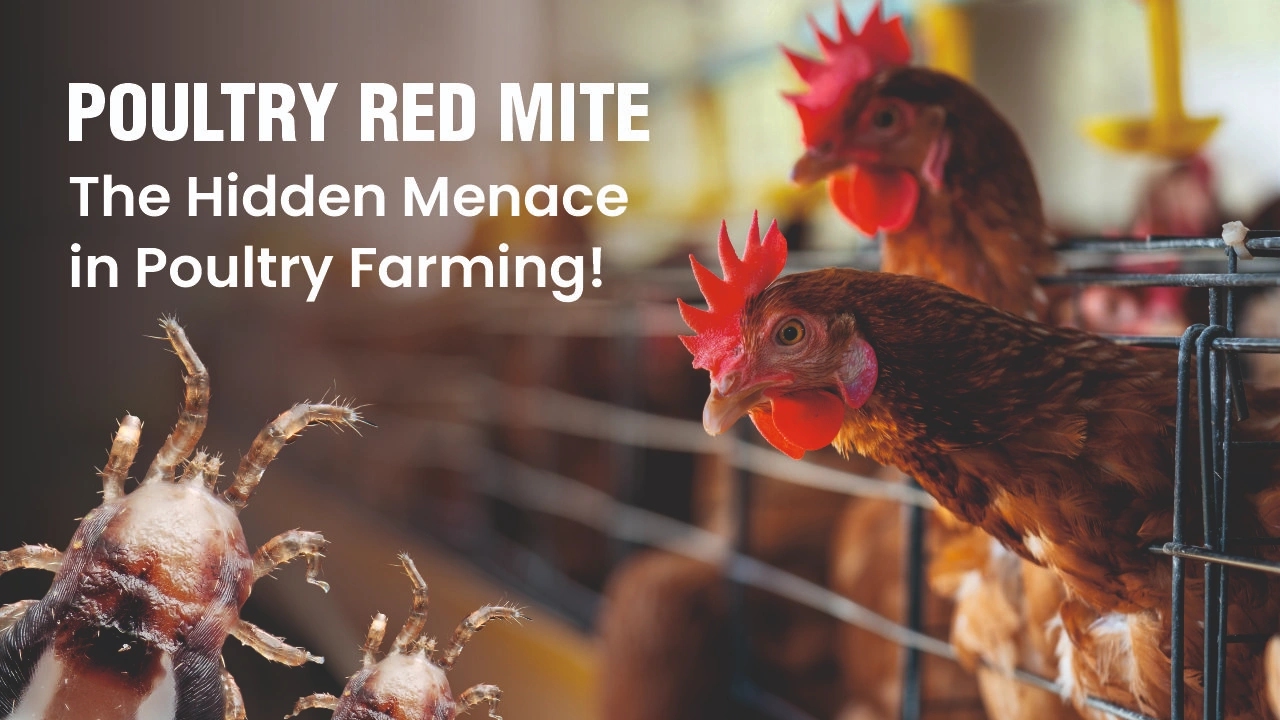
Poultry Red Mite: The Hidden Menace in Poultry Farming!

Poultry Red Mite The Hidden Menace in Poultry Farming

Poultry farming is a rapidly expanding industry vital for meeting the food needs of a growing population. However, economic and production losses can significantly impact its sustainability and profitability. The poultry industry commonly faces economic losses due to the infestation of external parasites. Ectoparasites can cause a range of clinical impacts in poultry flocks, depending on the severity of the infestation. Mite parasites feed on the blood of chickens, while lice feed on dander and feathers. The red mite is more problematic for poultry producers.

Dermanyssus gallinae, the poultry red mite, is a ubiquitously present blood-sucking ectoparasite. They are typically nocturnal feeders that remain hidden during the day in cracks and crevices, cardboard boxes, nests, egg conveyor belts, and transportation cages. Flock infested by poultry red mite impacts the quality and quantity of eggs and meat produced.

The Life Cycle of Red Mites 

In appropriate conditions, the time between egg laying, moulting, and becoming an egg-producing adult is short.  With ideal temperature of 25-30°C and 70% humidity, the poultry red mite life cycle can complete in just 7–10 days, allowing infestations to develop quickly and reach severe levels. Adult poultry red mites can survive for around 9 months without feeding on poultry.

Life cycle of red mites and their impact on poultry health – Vinayak Ingredients.

The poultry red mite goes through five distinct life stages: egg, larva, protonymph, deutonymph, and adult. The final three stages—protonymph, deutonymph, and adult—require blood feeding to support their development and growth. After mating, female mites lay between 4 to 8 eggs per day over a span of three days, contributing to rapid population growth. Generally, a female red mite is reproductively active for about 8 weeks in entire life span.

Impact of Poultry Red Mite Infestation on Flocks 

The consequences of a red mite infestation are far-reaching,

  • Anaemia
  • Retarded growth
  • Stress and irritation
  • Injurious pecking and feather loss
  • Reduced quality and quantity of eggs
  • Increased risk of disease transmission
  • Mortality in severe conditions


The treatments currently used for red mite management include synthetic neurotoxic acaricides like organophosphates and pyrethroids. However, the use of chemicals creates multiple challenges, including the ineffectiveness of active ingredients, mite resistance, undesirable residues in the environment, and unacceptable risks to non-target organisms. To overcome these issues, alternative strategies are required. Among different physical and biological treatments, phytochemicals can be more impactful with less environmental harm.

LIMITER: A Natural Solution for Poultry Red Mite Management 

Limiter is a natural red mite management supplement for poultry. Using a unique combination of plant-derived components, Limiter targets blood-sucking stages of mites with a three-way mode of action:

  • Gustatory Avoidance
  • Olfactory Repellence
  • Contact Toxicity
Natural solutions for effective poultry red mite management – Vinayak Ingredients.

Mechanism of Action of LIMITER

The essential oil in the Limiter acts via two modes of action: first, by competitive inhibition at postsynaptic acetylcholine receptors, preventing normal acetylcholine binding, and second, by inactivating acetylcholinesterase, the enzyme responsible for breaking down acetylcholine. This dual action results in persistent stimulation of muscle cells. The resulting hyperstimulation eventually leads to muscle fatigue, paralysis, and death in red mites.

Mechanism of action of LIMITER for controlling red mites in poultry – Vinayak Ingredients.

By integrating Limiter into a red mite management program, poultry producers can achieve effective, sustainable mite control while minimizing harm to the environment and supporting flock health.

“Boost Poultry Health Naturally—Say Goodbye to Poultry Red Mites with Limiter!”


*References on request*

Enhancing Protein and Milk Yield through Amino Acid Optimization

Enhancing Protein and Milk Yield through Amino Acid Optimization

India is the largest producer of milk in the world, contributing 23% of global milk production. In three decades (the 1980s, 1990s and 2000s), the daily milk consumption in the country rose from a low of 107 grams per person in 1970 to 427 grams per person in 2020-21 as against the world average of 322 grams per day during 2021. Milk and milk products are rich sources of protein and minerals such as calcium, magnesium and phosphorus, which are essential in a healthy and balanced diet. Milk composition is economically important to milk producers and processors and nutritionally important to consumers.

The goal of milk producers is to modify composition as much as possible to meet market demand but to emphasize maximum yield of components in high-quality, wholesome milk.

Nutrients and their Challenges

In cattle, costliest part of nutrients are carbohydrate, protein, and fat. Maintaining balance and utilization of nutrients is most important to explore superior genetic potential.  Hence, an adequate supply of these nutrients through diet is crucial to maintain the overall health conditions of cattle.  Protein being one of the essential nutrients, is essential for milk production in cattle, as it supports milk synthesis, provides essential amino acids, and boosts energy levels. It also maintains the cow’s health, aids body tissue repair, and strengthens immune function.

Nutritional challenges arise due to inadequate nutrition and inferior quality of raw materials. Also, the nutrient requirement changes according to the environment, stages of lactation and gestation, and individual health and variation in breed/genetics.

Factors Affecting Milk Protein and Fat Content

  • Nutrition
  • Breed/Genetics
  • Environment/Management
  • Health/Physiology

Why is Protein Critical to Cattle Nutrition?

Protein is a vital nutrient for maintenance, growth, health, reproduction and lactation in cattle. Protein supplies the microbes in the gut, or rumen bugs, the ammonia and nitrogen sources they need to function. And these microbes are further digested by the cattle which provides microbial protein, an essential protein source in cattle. When cattle aren’t getting enough protein, microbial activity decreases, causing a lower rate of digestion. Decreased digestion results in less nutrition available for absorption by the animal. While these effects are internal, you would observe the consequences of protein deficiency in the growth of your cattle.

Protein Digestion in Ruminants

Process of protein digestion in ruminants for optimal nutrition and growth – Vinayak Ingredients.

In dairy cows, an inadequate supply of protein through diet will result in reduced amino acid availability for milk protein synthesis, milk yield, and overall body conditions. Milk protein and fat percentage and composition can be changed through feeding. Absorbed amino acids are used mainly as building blocks for protein synthesis, as well as precursors for glucose and fatty acids synthesis. Thus, there is a need of amino acid optimization for better productivity of dairy cows.

KiFAY- Natural Amino Acid Optimizer

KiFAY is a natural amino acid optimizer, which improves the amino acid utilization in cattle to increase the protein content in milk. Its plant-based components retain amino acids in the body for the biosynthesis of proteins and fats, improving body conditions, increasing milk yield with enhanced nutritional values. Hence, it maximizes the availability of amino acid for maintaining the cattle in anabolic state of processes like protein synthesis. KiFAY also improves the palatability of feed, which lead to more consistent and adequate feed intake, directly supporting higher milk yields, improved milk quality, and weight gain.

How does it work

Kifay Amino Acid Optimizer for enhancing protein utilization in animal nutrition – Vinayak Ingredients.

Benefits :

  • Improves Milk protein
  • Improves Milk SNF
  • Enhances immunity
  • Increases palatability of food
  • Improves Dung texture
  • Improves Skin Coat


*References on request*