icon-globe
Search Connect with us

Improving Energy Metabolism and Milk Yield in Dairy Cattle through Phytogenic Choline – Vincholine

In ruminants, choline is an essential nutrient vital for fat metabolism and liver health, especially during the transition period of lactation. It is necessary for the liver to produce very low-density lipoproteins (VLDL), which transport fats out of the liver, preventing their accumulation as triacylglycerols. Without adequate choline, the liver can accumulate excess fat, leading to fatty liver syndrome, and overproduce ketones, leading to ketosis, a costly metabolic disorder. Choline is particularly important during the transition period when cows experience negative energy balance and mobilization of body fats, making them susceptible to metabolic diseases. Adequate choline availability also improves the efficiency of lipid metabolism, which directly impacts milk yield and overall milk production in dairy cows. Supplementation can lead to a reduction in metabolic diseases like fatty liver and ketosis, improving the cow’s overall health and well-being.


Why is Choline Important in Dairy Cattle?

Fat mobilization and liver health

Choline is a methyl donor and part of phosphatidylcholine, required for very low-density lipoprotein (VLDL) assembly and export. This assists in mobilizing non-esterified fatty acids from exiting the liver as triglycerides, reducing the threat of fatty liver and clinical/subclinical ketosis in early lactation.


Transition Period Nutrition

Dairy cows experience stress during the transition period because of the negative energy balance. Consequently, the body fats are mobilized to provide sufficient energy to the body. The body fats must be converted into VLDL in the liver to be utilized as a source of energy by the various tissues of the body. Choline supplementation during this period maximizes VLDL packaging in the liver.


Composition and yield of milk:

Feeding a choline-rich diet to cows at parturition enhances milk yield and occasionally fat and energy-corrected milk, especially in cows facing extreme negative energy balance. Response size is inconsistent and dependent on parity, body condition, and feed.


Reproduction & overall metabolism:

Through its promotion of liver health and methylation potential, choline could assist overall metabolic resistance during the transition period, which can indirectly enhance reproductive performance and health.


Limitations of Using Choline Chloride:

Pure synthetic choline chloride is hygroscopic in nature, which leads to storage instability. It can be metabolized by gut microbes into trimethylamine (TMA), a potentially harmful compound. Phytogenic choline can replace synthetic choline chloride, which varies in how well it protects choline in the rumen and delivers it where needed.


Choline stability in plants:

In plants, choline is a component of complex, lipid-bound molecules, primarily phosphatidylcholine. Since it is not in a free form, a greater proportion of the choline in whole, unprocessed, plant-based solution can bypass the rumen and reach the small intestine, where it can be digested and absorbed.

Vincholine

Vincholine, predominantly in the form of phosphatidylcholine, offers a superior alternative. Besides being phytobiotic, it offers secondary metabolites with different liver health-enhancing properties. Vincholine has intrinsic bioactivities on liver physiology, metabolism, and ensures maximum bioavailability. Phosphatidylcholine bypasses several ATP-dependent conversion steps, reducing energy expenditure and ensuring more effective cellular utilization. By minimizing oxidative losses, avoiding toxic metabolite formation, and improving nutrient efficiency, Vincholine supplementation supports better liver health, reproductive performance, and milk production. It plays a crucial role in dairy cattle, particularly during the transition period (around calving) and lactation.

Benefits

Image of Vincholine benefits for dairy cattle: Enhancing energy metabolism, improving milk yield, and overall health through phytogenic choline supplementation.

  • Increases milk yield
  • Supports milk production and milk fat synthesis
  • Supports fat metabolism
  • Reduces the risk of fatty liver syndrome
  • Reduces metabolic disorders

Keeping Calves Healthy: Hygiene Tips to Prevent Cryptosporidiosis

Cryptosporidium infection in calves – pathogenesis overview

In recent years, the incidence of diarrhea in calves has been steadily increasing, becoming a major challenge for cattle farmers worldwide. Among the various causes, parasitic illnesses such as Cryptosporidiosis are less well-known. Cryptosporidiosis in calves is mainly caused by a protozoan parasite, Cryptosporidium parvum, which affects the gastrointestinal tract and leads to diarrhea in calves. Transmission occurs via the faecal-oral route, through the ingestion of cryptosporidium oocysts present in contaminated water or food, or by direct contact with infected animals. It makes farm hygiene a critical control point. The economic losses associated with cryptosporidiosis in calves include the cost of treatment and management, reduced feed conversion and production efficiency, and losses due to mortality. Thus, effective cryptosporidium management in livestock has become necessary. Calf disease prevention using good biosecurity measures, like sanitary practices and managing exposure risks, are important for preventing this infection.

Pathogenesis of Cryptosporidium spp.:

Livestock hygiene and sanitation for calf diarrhea prevention

Key Strategies for Maintaining Strict Hygiene and Sanitation in Livestock:

Cleaning and Disinfection

·      Work under the assumption of the “all-in/all-out” principle in managing calves, so thorough cleaning and preferably drying for several weeks must occur between batches of calves.

·      Control pests such as rats, mice, and flies. Rodents and pets should not be allowed to enter areas where calf feed or milk are stored.

·      Maintain clean, dry housing with raised feed and water troughs to minimize contamination from the environment.

·      Use steam cleaning between batches of animals. Steam cleaning is recommended because oocysts are inactivated at temperatures above 60°C. Also, C. parvum oocysts can survive at -20°C, especially in the presence of a cryoprotectant.

Pasture Management

·      Give special attention to grazing lands because they help reduce the environmental parasite load.

·      Realize that the largest portion of the parasite life cycle occurs outside the animal.

·      Choose pasture techniques that reduce parasite levels and chemical dewormers.

·      Keep the grass in a vegetative stage so that it maintains height and good nutrition for calves, thereby accustoming them to the strength to fight infections.

Water and Feed Management

·      Provide clean and fresh water from an uncontaminated source.

·      Avoid stagnant water sources.

·      Sanitised or cleaned feed and water troughs should be used to minimise the possibility of contamination.

Since the disease has no highly efficient calf diarrhea drug treatment yet, hygienic and sanitary conditions undergo the major prophylaxis methods against cryptosporidiosis. Along with this, natural calf health solutions, such as plant extracts, can offer complementary preventive measures in improving animals’ gut health. Effective prevention supports the maintenance of a healthy gut microbiome, limiting the colonization and impact of potential pathogens and protozoa. This will contribute to the overall health and productivity of the herd.

CRYPTORID

Cryptorid is specially formulated for the management of calf diarrhea. It is a non-antibiotic, plant-based solution designed to prevent bacterial scours and disrupt the lifecycle of Cryptosporidium, which reduces the risk of cryptosporidiosis in calves. It contains a blend of plant extracts rich in phenolic compounds, including tannins, flavonoids, isoflavones, and phenolic acids, which work synergistically to enhance calf performance, support gut health, and effectively control diarrhea.


BENEFITS

  1. Disrupts the lifecycle of Cryptosporidium
  2. Reduces oocyst shedding
  3. Boosts immunity in juveniles
  4. Strengthens and protects the villous lining of the intestinal epithelium
  5. Antioxidant and Anti-inflammatory properties to strengthen the defense system

“Crypto-Free Calves – Naturally”

Probiotics for Ruminants: Supporting Rumen Health, Growth, and Sustainable Productivity

VINYEAST-P probiotic supplement for cattle - enhances digestion, milk yield, and reduces acidosis

The productivity of cattle depends on a healthy and balanced microbial environment within the rumen. Various factors, including changes in diet, stress, and intensive farming practices, can disrupt this balance, causing reduced feed efficiency, poor nutrient absorption, and metabolic disorders such as acidosis. Probiotics are beneficial micro-organism that regulates the microbial balance in cattle, enhancing the profitability of the farmer.

Probiotics for cattle

Probiotics are live microorganisms that, when given in sufficient amounts, provide health benefits to the host. They are non-pathogenic microbes widely used for their health impacts on both dairy and beef cattle at all developmental stages. They are targeted to the rumen, where they enhance fermentation by regulating microbial populations that impact feed digestibility and nutrient absorption. Probiotics positively impact cellulolysis and microbial protein synthesis, stabilizing rumen pH and lactate levels.

How Probiotics Support Ruminant Health Probiotics offer advantages for ruminants by improving gut health, digestion, and productivity while providing environmental sustainability. They help to improve animal performance, immunity, milk quality, and rumen function.

Key benefits of probiotics in ruminants

VINYEAST–P improves fiber digestion, stabilizes rumen pH, and supports milk production in ruminants

  • Improves gastrointestinal health by regulating gut microbes.
  • Improves immunity and help in disease infection.
  • Lower methane emissions, reducing environmental impact
  • Improves yield, quality, and functional components like protein and fat of the milk
  • Improves food conversion ratio by promoting nutrient digestibility
  • Supports growth of ruminal cellulolytic bacteria
  • Helps to stabilize rumen pH and reduce acidosis
  • Reducing ammonia level via decreasing protein degradations

Probiotic Strains Commonly Used in Cattle Feed

  • Lactobacillus spp. helps in lactic acid production and the competitive exclusion of pathogens.
  • Bifidobacterium spp. supports gut barrier integrity.
  • Enterococcus spp. is involved in modulating immune responses.
  • Saccharomyces cerevisiae (yeast species) improves fiber digestion and stimulates cellulolytic bacteria.
  • Propionibacterium spp. helps in glucose synthesis by producing its precursor in ruminants.

The use of multiple-strain probiotics offers broad protection from infections and improves rumen health due to the complementary action of strains.

VINYEAST–P: A Synergistic Probiotic Solution

VINYEAST–P is a unique combination of Live Yeast Culture (Saccharomyces cerevisiae) and Propioni bacteria (Propionibacterium freudenreichii). It influences ruminal metabolism by manipulating fermentation and ruminal productivity. Live Yeast Culture (LYC) supports fiber digestion, stabilizes fermentation, lowers oxygen and lactate levels, and boosts beneficial microbes.

Propionibacterium helps convert lactic acid into propionic acid, reducing acidosis and stabilizing pH. VINYEAST-P improves nutrient utilization, supports glucose and milk production, and reduces mycotoxin absorption without affecting productivity.

VINYEAST-P – a microbial synergy that drives benefits from digestion to production!

*References on request

How Do Flavors Influence Feed Intake and Productivity in Cattle?

A visual representation of natural flavors like molasses, vanilla, and green grass improving cattle feed palatability and intake.

Feed intake is one of the most crucial factors affecting animals’ growth, health, and productivity. The choice of animal feed relies on various factors, including past feeding experiences, sensory characteristics, post-ingestive feedback, and physiological conditions. Ruminants like cattle can detect sweet, sour, salty, and bitter flavors, but their Sensitivity levels differ from those of humans. With approximately 25,000 taste buds and 1,186 olfactory gene receptors, cattle are highly responsive to feed taste, making palatability a crucial consideration in feed formulation.

The Importance of Palatability in Feed Formulation

Palatability is determined by the feed’s taste, smell, temperature, and texture. However, palatability cannot be treated simply as feed quality because it depends on experience and the present nutritional condition of the animal. Low feed quality due to seasonal variations, raw material fluctuations, and economic constraints can impact feed acceptance. Additionally, factors such as diet changes, high temperatures, climate variations, and changing feed formulations can reduce palatability and negatively impact animal performance.

Factors affecting the palatability of feed

An infographic showcasing key factors like taste, smell, texture, and nutritional needs that influence cattle feed palatability.

Lower palatability reduces FCR and nutrient intake, eventually impacting farmers’ productivity and profitability. The most efficient and cost-effective way to improve the palatability is by using Flavours in feed.

The Role of Flavors in Feed

Flavors, a non-nutritive palatability enhancer, improves the aroma and taste of feed, stimulating a sensory response that encourages animals to eat. It increases the animal’s appetite, improving feed intake and performance. Reduced feed consumption, especially during stress conditions such as weaning, transportation, or illness, can weaken young calves and lactating cows. Flavors help improve feeding, providing optimal nutrition and performance.

The functional use of flavors in animals’ diets increases a sensory response in animals’ appetite for feed intake. This eventually improves animals’ health, growth, and reproductive performance.

Benefits of adding flavors to feed 

  • Enhances feed intake by improving palatability.
  • Hinders unwanted tastes of vitamins and minerals.
  • Improves diet consistency by providing uniform taste across feed variations.
  • Supports cost-effective feed formulations like agricultural by-products without impacting palatability.


Natural Flavors in Cattle Feed

Natural flavors in cattle feed contain plant-based sources, essential oils, and other naturally present compounds that improve feed palatability and reduce dependency on synthetic flavors. These flavors help stimulate appetite, improve digestion, and feed intake, especially during conditions like weaning or dietary transitions.

A visually appealing image displaying different natural cattle feed flavors like green grass, molasses, and banana, enhancing feed palatability.

Common natural flavors of cattle feed include greengrass, molasses, vanilla, and banana. Molasses and vanilla add sweetness, making feed more appealing, while greengrass and hay flavors mimic the natural grazing experience. These natural flavors make feed more palatable and support better nutrient absorption, helping cattle get optimal health and productivity.


*References on request*

Cryptosporidiosis: A Hidden Threat to Calves and How to Combat It

Farmers are generally familiar with diarrhea caused by bacteria like E. coli or viruses. In contrast, parasitic illnesses such as Cryptosporidiosis (crypto) are less well-known, even though Cryptosporidium parvum is a common disease in calves. Cryptosporidiosis is likely the most infectious agent causing calf scours on farms due to its incidence, universality, environmental resilience, and low infective dosage. Cryptosporidiosis is now recognized as endemic in cattle worldwide and is one of the most important causes of neonatal enteritis in calves globally. The economic losses associated with bovine cryptosporidiosis include the cost of treating and managing enteritis, reduced feed conversion and production efficiency, and losses due to mortality. A recent study found that dairy calves infected with C. parvum between 3 days and 3 weeks of age incurred an average cost of €40 (~£35/$43) per calf.

What Is Cryptosporidium Parvum?

Cryptosporidium parvum is a protozoan parasite that causes cryptosporidiosis in cattle, primarily affecting young calves. Four species of Cryptosporidium are commonly found in cattle: C. parvumC. bovisC. ryanae, and C. andersoni, but only C. parvum is associated with clinical disease in neonatal calves, with older animals (> 6 weeks) exhibiting asymptomatic shedding of oocysts.

Facts About Bovine Cryptosporidiosis

  • Mainly affects calves (especially those under 4 weeks old)
  • Causes severe watery diarrhea, leading to dehydration and weakness
  • Spreads through feces-contaminated water, feed, or environment
  • No specific treatment is available; management focuses on supportive care and hydration.

Life Cycle of Cryptosporidium Parvum

Life cycle of Cryptosporidium parvum and its impact on animal health – Vinayak Ingredients.

Infected calves shed millions of parasites into the environment, as the parasite’s life cycle allows it to multiply rapidly. This leads to very high levels of oocysts in the environment, which is a source of infection for young animals in that environment.

Current Control Measures for Bovine Cryptosporidiosis

Cryptosporidiosis is a difficult disease to control because of environmentally stable oocysts, low infective doses, high levels of excreted sporulated oocysts, and rapid transmission of infection to a group of susceptible hosts very quickly. The oocysts are resistant to many disinfectants; there are no vaccines available to prevent the disease, and available treatment options are limited and often rely on rehydration therapy. However, crypto-related scour can add thousands in treatment costs, added labor, and reduced feed efficiency and performance.

Among the various solutions available for managing cryptosporidiosis in cattle, natural plant-based phytogenic solutions have emerged as a more effective and sustainable alternative. Unlike conventional treatments, which may have limitations such as drug resistance or environmental concerns, phytogenic solutions may offer a natural and holistic way to improve gut health, enhance immunity, and support faster recovery in infected calves.

Effect of Phytogenic Feed Additives from Studies

Natural compounds such as plant secondary metabolites showed a wide range of beneficial effects on animal health. Polyphenols, a group of plant secondary metabolites, have been postulated for their antibloat qualities, improved nitrogen utilization, reduced methane generation, and anti-helminthic effects. Previous studies reported that polyphenolic compounds or polyphenol-rich plant extracts suppress experimentally induced inflammation processes, especially in the gut. The ability to activate several antioxidant enzymes by polyphenols could also be an explanation for the results found in the various studies.


Cryptorid logo – Vinayak Ingredients' solution for Cryptosporidium control.


Cryptorid is a specially formulated, non-antibiotic animal feed supplement designed to prevent bacterial scours and disrupt the lifecycle of Cryptosporidium, which reduces the risk of cryptosporidiosis in calves. It contains a blend of plant extracts rich in phenolic compounds, including tannins, flavonoids, isoflavones, and phenolic acids, which work synergistically to enhance calf performance, support gut health, and effectively control diarrhea.

BENEFITS
  1. Disrupts the lifecycle of Cryptosporidium
  2. Reduces oocyst shedding
  3. Boosts immunity in juvenile
  4. Strengthens and protects the villous lining of the intestinal epithelium
  5. Antioxidant and Anti-inflammatory properties to strengthen the defense system


“Crypto-Free Calves – Naturally”

*References on request

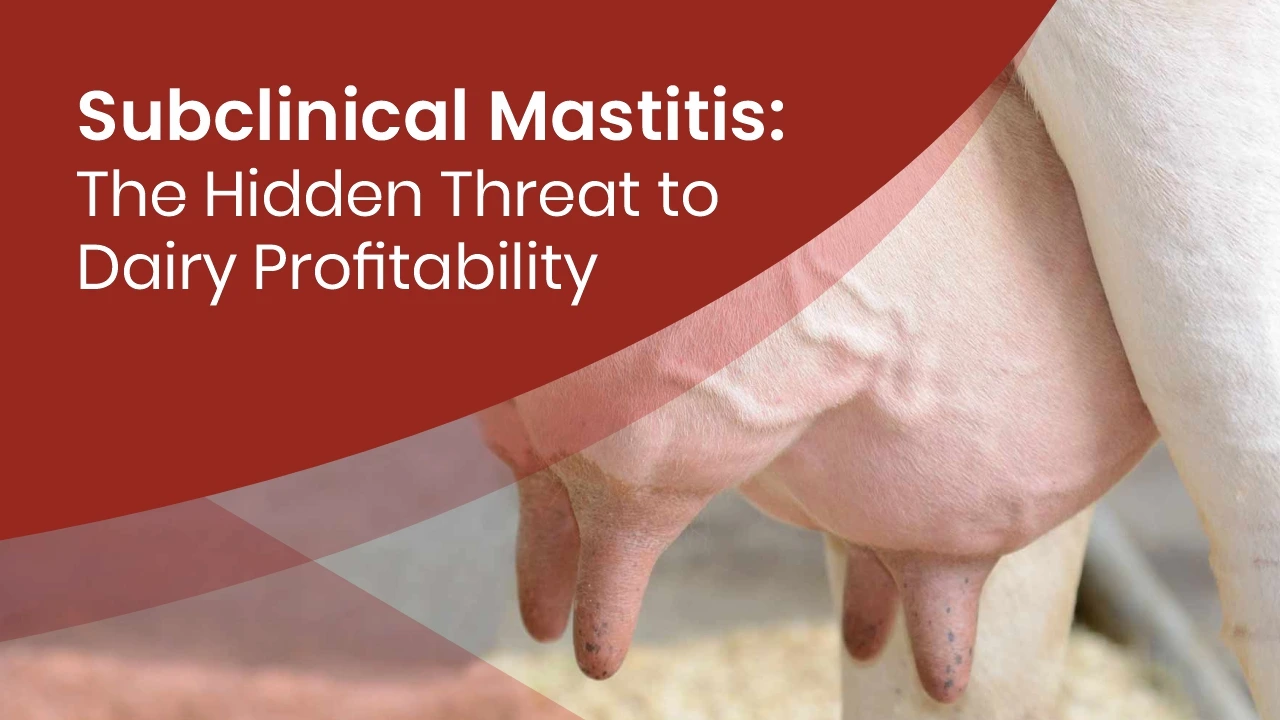
Subclinical Mastitis: The Hidden Threat to Dairy Profitability

mastitis in cows impact on dairy profitability vinayak ingredients.

The increasing demand for milk and milk products has led to an increase in the dairy production industry. The cow’s udder health is important to maintain productivity and profitability. Any factors impacting udder health can affect animal welfare and the safety of the products produced by infected cows eventually leading to economic losses. One of the major threats to udder health and overall dairy productivity is Bovine Mastitis.  Mastitis in cows is a disease with significant financial impact due to decreased milk production and consecutive high culling rates during severe conditions caused by multiple causes. A Journal of Dairy Science study reports that dairy cattle disease may lead to annual global losses of around US$65B with subclinical mastitis causing loss of around US$9B.

What Is Bovine Mastitis?

Bovine mastitis is an inflammation of mammary gland tissues caused by pathogenic infection or physical injury. Mastitis occurs when pathogens enter the sterile environment of the mammary gland, which often happens due to disruptions in the physical barriers of the teat. Decreased immunological responses to these pathogens lead to the development of mastitis.

Non-infectious mastitis is caused by physical injury to the mammary gland and trauma. Infection of the udder with contagious and environmental pathogens can also lead to the development of subclinical mastitis. Staphylococcus aureusEscherichia coli, and Streptococcus species are the crucial infecting agents.

 Factors contributing to Mastitis  –

  • Milking Practices: Improper milking hygiene practices like dirty milking equipment or poor handling practices facilitate pathogen entry.
  • Physical Trauma: Injuries to the teat or udder affect the epithelial barrier.
  • Environmental Factors: Unsanitary housing conditions and exposure to contaminated bedding or water increase the risk of infection.
  • Host Susceptibility: Nutritional deficiencies, immunosuppression, or stress conditions can increase the risk of mastitis.
Comparison of somatic cell count in normal vs. abnormal milk samples – Vinayak Ingredients

Current Strategies Used for Mastitis Control

General measures such as proper disinfection of udder pre and post-milking, balanced feeding practices, dry therapy, grazing management, and sanitation of farms can be implemented for mastitis control in cows. Antibiotics and vaccines are widely used for the treatment of active infections. However, the increasing risk of antimicrobial resistance (AMR) and potential downstream effects on human health have led to the need for the development of alternative methods for the prevention and treatment of Bovine Mastitis.

Natural products can be ideal for mastitis control due to their antimicrobial properties and complex composition. Plant extracts, essential oils, and probiotics can crucially impact the infection-causing pathogens and might help to prevent mastitis in cows.

RECOMAST – For Holistic Mastitis Care

RECOMAST is a Phytogenic anti-mastitis feed supplement having anti-bacterial, anti-inflammatory, analgesic, and immunomodulatory action that helps in mastitis control in cows.

Mode of action of Recomast for improving udder health and milk quality – Vinayak Ingredients

The herbal components in RECOMAST help improve immune response and reduce somatic cell count in the dairy. It also contains minerals that improve the physical barrier of the udder. Probiotics help reduce the impact of pathogens. The nucleotide present in RECOMAST enhances the rate of recovery of mammary glands, eventually helping in the control of subclinical mastitis in cows. RECOMAST is a natural supplement that increases the quality and quantity of milk and reduces the somatic cell count during infections.

RECOMASTHolistic Mastitis Care for Healthier Herds and Higher Profits.”

*References on request*

Enhancing Protein and Milk Yield through Amino Acid Optimization

Enhancing Protein and Milk Yield through Amino Acid Optimization

India is the largest producer of milk in the world, contributing 23% of global milk production. In three decades (the 1980s, 1990s and 2000s), the daily milk consumption in the country rose from a low of 107 grams per person in 1970 to 427 grams per person in 2020-21 as against the world average of 322 grams per day during 2021. Milk and milk products are rich sources of protein and minerals such as calcium, magnesium and phosphorus, which are essential in a healthy and balanced diet. Milk composition is economically important to milk producers and processors and nutritionally important to consumers.

The goal of milk producers is to modify composition as much as possible to meet market demand but to emphasize maximum yield of components in high-quality, wholesome milk.

Nutrients and their Challenges

In cattle, costliest part of nutrients are carbohydrate, protein, and fat. Maintaining balance and utilization of nutrients is most important to explore superior genetic potential.  Hence, an adequate supply of these nutrients through diet is crucial to maintain the overall health conditions of cattle.  Protein being one of the essential nutrients, is essential for milk production in cattle, as it supports milk synthesis, provides essential amino acids, and boosts energy levels. It also maintains the cow’s health, aids body tissue repair, and strengthens immune function.

Nutritional challenges arise due to inadequate nutrition and inferior quality of raw materials. Also, the nutrient requirement changes according to the environment, stages of lactation and gestation, and individual health and variation in breed/genetics.

Factors Affecting Milk Protein and Fat Content

  • Nutrition
  • Breed/Genetics
  • Environment/Management
  • Health/Physiology

Why is Protein Critical to Cattle Nutrition?

Protein is a vital nutrient for maintenance, growth, health, reproduction and lactation in cattle. Protein supplies the microbes in the gut, or rumen bugs, the ammonia and nitrogen sources they need to function. And these microbes are further digested by the cattle which provides microbial protein, an essential protein source in cattle. When cattle aren’t getting enough protein, microbial activity decreases, causing a lower rate of digestion. Decreased digestion results in less nutrition available for absorption by the animal. While these effects are internal, you would observe the consequences of protein deficiency in the growth of your cattle.

Protein Digestion in Ruminants

Process of protein digestion in ruminants for optimal nutrition and growth – Vinayak Ingredients.

In dairy cows, an inadequate supply of protein through diet will result in reduced amino acid availability for milk protein synthesis, milk yield, and overall body conditions. Milk protein and fat percentage and composition can be changed through feeding. Absorbed amino acids are used mainly as building blocks for protein synthesis, as well as precursors for glucose and fatty acids synthesis. Thus, there is a need of amino acid optimization for better productivity of dairy cows.

KiFAY- Natural Amino Acid Optimizer

KiFAY is a natural amino acid optimizer, which improves the amino acid utilization in cattle to increase the protein content in milk. Its plant-based components retain amino acids in the body for the biosynthesis of proteins and fats, improving body conditions, increasing milk yield with enhanced nutritional values. Hence, it maximizes the availability of amino acid for maintaining the cattle in anabolic state of processes like protein synthesis. KiFAY also improves the palatability of feed, which lead to more consistent and adequate feed intake, directly supporting higher milk yields, improved milk quality, and weight gain.

How does it work

Kifay Amino Acid Optimizer for enhancing protein utilization in animal nutrition – Vinayak Ingredients.

Benefits :

  • Improves Milk protein
  • Improves Milk SNF
  • Enhances immunity
  • Increases palatability of food
  • Improves Dung texture
  • Improves Skin Coat


*References on request*

A Natural Revolution – Where Quality Meets Quantity in Milk Production

A visual representation of KiFAY, an amino acid optimizer by Vinayak Ingredients, improving protein absorption in dairy cattle to enhance milk production and quality.

A Natural Revolution – Where Quality Meets Quantity in Milk Production

Production of milk is carried out by about 150 million families worldwide. Smallholders produce most of the milk in developing nations, and Milk Production supports nutrition, food security, and household livelihoods. For cattle to maintain, grow, stay healthy, reproduce, and lactate, protein is an essential food. Protein provides the ammonia and nitrogen sources that rumen gut bacteria require to survive. These microorganisms break down food into Microbial Cell Protein (MCP) and Volatile Fatty Acids (VFAs), which cause digestion. Insufficient protein intake in calves results in a drop in microbial activity, which in turn lowers the pace of digestion. The stimulation of muscle protein synthesis is reliant on the adequate availability of amino acid (AA) precursors.

The increase in circulating AA concentrations in the blood serves as a signal to initiate synthetic processes. A sufficient increase in blood AA is required to overcome a concentration gradient that normally favors the intracellular space. Muscle protein synthesis and a positive anabolic state are directly related to the rate of appearance of AA in the intracellular space. Thus, only feeding amino acids with an optimal amino acid ratio is not the final frontier. Reduced digestive capacity means that the animal can absorb less nutrients. Even though these impacts are internal, you can see how a lack of protein would affect your cattle’s growth.

A milking cow’s diet deficient in calories can lead to low milk protein, low milk production, poor immunity, and poor fertility. The cow will become more prone to illness and metabolic conditions such as mastitis, ketosis, lameness, and loss of body condition as a result. By adopting sustainable and natural approaches, farmers can improve the quality of their dairy products while promoting the well-being of their herds.

KiFAY – An Herbal Supplement for Improving Protein Absorption.

KiFAY is an amino acid optimizer that improves protein turnover. It is a natural feed additive that maintains the anabolic state of the animal in isoenergic diets.

KiFAY, an amino acid optimizer, enhances protein synthesis by reducing protein catabolism and protecting the amino acids from degradation. KiFAY increases the retention of protein in the body which translates into improved production, live weight gain, and immunity.

Benefits of KiFAY

  • Improves milk protein

KiFAY can retain more proteins in the body which eventually results in higher protein levels in Milk

  • Improves milk SNF

SNF (solids-not-FAT) portion consists of protein (primarily casein and lactalbumin), carbohydrates (primarily lactose), and minerals (including calcium and phosphorus). An improvement in SNF indicates improved yield in value-added milk products

  • Enhances immunity

Proteins, an enhanced amino acid accretion results in disease preparedness, and better titers for vaccines drive immunity.

  • Increases palatability of food

KiFAY is also a palatability enhancer, it increases the feed consumption in ruminants and thus increases nutrient intake.

  • Improves Dung texture

Improved dung patty formation results from better ruminating behavior, which results in higher digestibility coefficients of feed

  • Improves Skin Coat Condition

Improved protein utilization improves the body condition score, especially for the coat/skin of the animal.

Why KiFAY? Because…..

Kifay

Action and Benefits

Kifay
“Boosted cattle performance through natural means”

Yeast & Propionibacteria Mix for Cattle Feed | Feeding Probiotics Significantly Improves Milk Yield & Productivity

Animal feed yeast rumen acidosis rumen fermentation Vinayak Ingredients

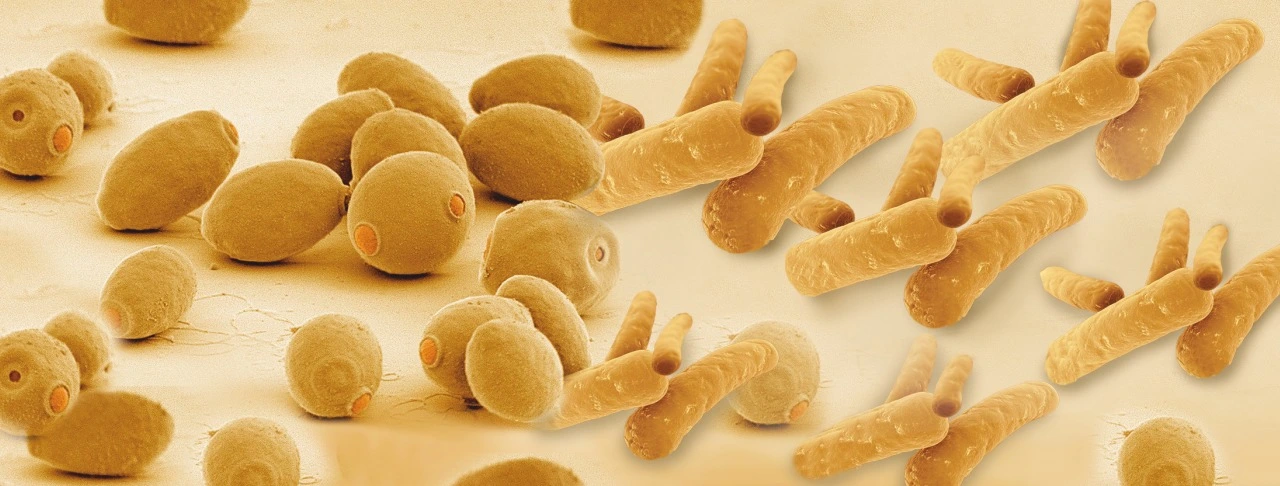
Conventional feed probiotic – Saccharomyces cerevisiae

Supplement for higher microbial protein in cows Probiotic for dairy Natural Cattle feed supplements vinayak Ingredients India Pvt Ltd

Animal feed yeast – is used to alter rumen fermentation to improve nutrient digestion, reduce the rumen acidosis risk, and improve animal performance. The use of yeast in animal feed improves the nutritive value of the feed due to its high energy, protein, and amino acid content.
Direct-fed microbial used in ruminant feed supplements include live microbial cells. (yeasts, moulds, and bacteria) and(or) their metabolites to alter the rumen and lower-gut microflora. Yeast is supplemented in dairy diets to improve animal performance and is considered a ‘natural’ alternative to antibiotics. When fed to lactating dairy cows, improved milk production is the most consistent benefit reported, however, increased dry matter intake (DMI) and milk fat percentage have been shown.

Less conventional feed probiotic – Propionibacterium freudenreichii

Propionibacteria are found naturally in the rumen and makeup 1.4% of the total ruminal microflora. Propionibacteria play a vital role in the production of glucose (gluconeogenesis), spare glucogenic amino acids and inhibition of hepatic lipid oxidation. Therefore, they have been used to improve energy metabolism for dairy animals, especially in the transition period from gestation to lactation.

Dairy propionibacteria have proven to possess many promising properties such as the production of nutraceuticals like vitamin B2, B12, K and conjugated linoleic acid, and their health-promoting effects could be attributed to one or more of the following modes of action: i) influence on gut microbial composition and exclusion of pathogens; ii) modulation of the metabolic activities of the microbiota and host, and iii) immunomodulation

The blend of Saccharomyces cerevisiae and Propionibacterium freudenreichii synergistically changes in the rumen microbial population, rumen fermentation, intestinal nutrient flow, and diet digestibility. It could be concluded that propionibacteria as feed supplements can play a vital role in the enhancement of ruminants’ productive performance.

VINYEAST-P, a novel blend of Saccharomyces cerevisiae and Propionibacterium freudenreichii

Balancing the rumen ecosystem is a balancing act. By maximizing fermentation, dairy cows obtain more volatile fatty acids for energy and microbial protein. Consecutively, more fermentation produces more acid and lowers the rumen pH. The lower rumen pH can depress fibre digestion and lead to metabolic acidosis.

Vinyeast-P enables the stability between enhanced rumen function and rumen ecosystem. Each probiotic has synergistic harmonious mode of action which ensures efficient stimulating effect on rumen metabolism and productive performance.

Vinyeast P

*References on request

Herbal and Probiotic Supplements for Addressing Mastitis and Improving Udder Health in Dairy

Recomast for holistic udder health management, offering effective mastitis control in dairy farming. Herbal solution by Vinayak Ingredients India to improve milk quality and udder immunity.

Vitamin D3, Alpha Vitamin for Poultry in its Most Active Formd antibiotics

Effective cattle feed supplements for mastitis control in cows and dairy herds. Solution by Vinayak Ingredients India Pvt.Ltd. to manage mastitis and improve dairy farm productivity.

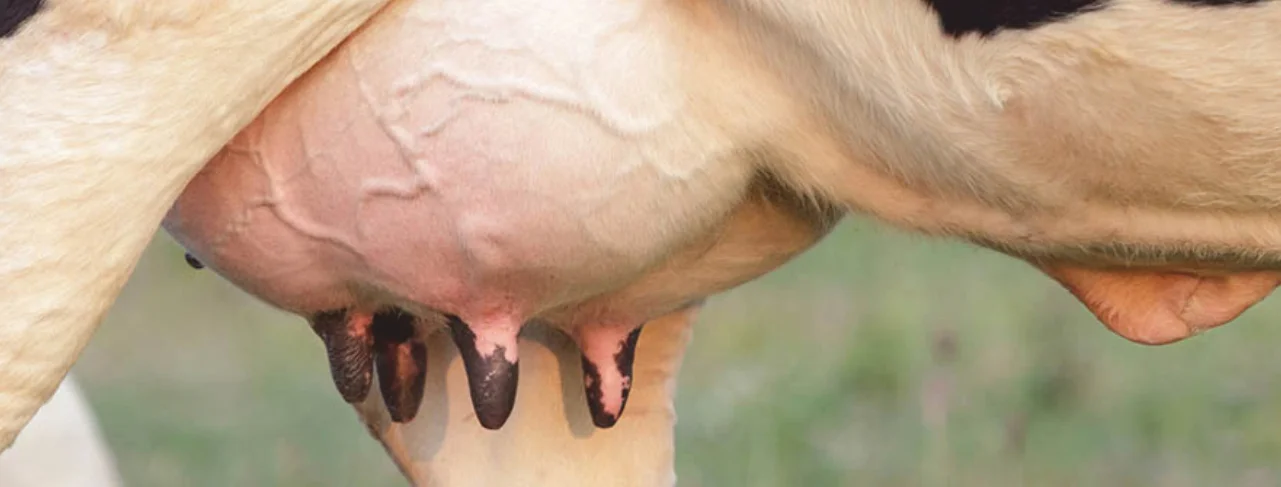
Bovine mastitis is the inflammation of the mammary glands in dairy cows. It usually occurs as an immune response to bacterial invasion of the teat canal by variety of etiological sources present on the farm i.e. pathogenic microorganisms, chemical, mechanical or thermal injuries to the udders.

Types of Mastitis

Prevent subclinical and clinical mastitis in cattle, control bovine inflammatory diseases, and improve dairy herd health. Solution by Vinayak Ingredients India for effective mastitis management.

Clinical Mastitis is an inflammatory response to infection-causing visibly abnormal milk (eg. colour, fibrin clots). As the extent of the inflammation increases, changes in the udder (swelling, heat, pain, redness) may also be apparent.

Subclinical Mastitis is the presence of a mostly asymptomatic infection without apparent signs of local inflammation or systemic involvement (fever, anorexia, shock). If the infection persists for at least two months, the infection is termed chronic.

Mastitis causes financial losses to dairy industries through reduced milk yield, poor milk quality, increased culling and also due to additional expenses on treatment and extra labor. The annual economic losses due to mastitis in India, United States, UK and worldwide have been estimated at $1.1 billion, $2 billion, $371 million and $35 billion (country graph with mastitis expenses), respectively.

The prominent bacteria responsible for causing mastitis include both gram-positive and gram negative bacteria. There is a need to explore alternative approaches for the treatment of mastitis because of their microbial resistance. Moreover, antibiotics in dairy milk have potential downstream effects on human health.

Somatic Cell count

In mastitis, the inflammatory reaction in the udder tissue causes changes in the biochemical composition of milk. Detection of subclinical mastitis is best done by testing milk for somatic cell count (SCC) (predominantly leucocytes) using either California Mastitis Test or automated methods. It is positively correlated with the presence of infection. Inflammatory changes and decreases in milk quality may start with SCCs as low as 100,000 cells/mL. Although variable, an SCC of ≥200,000 cells/mL in a cow indicates a high likelihood of infection.

Herbal therapy is a promising area in treatment of mastitis as no adverse effect is associated with it. Medicinal plants can be used as an alternative therapeutic option or as an adjunct agent in managing bovine mastitis.

Control somatic cell count in milk production with Recomast, improving milk hygiene and quality. Solution by Vinayak Ingredients India Pvt.Ltd. to support dairy health and mastitis management.
 RECOMAST improves ruminal health, maintains osmolarity, and neutralizes acid content in the rumen. Solution by Vinayak Ingredients India for better rumen stabilization and overall cattle health.

How does Recomast cure Mastitis ?

The phytochemicals like Berberine, Tinosporine, Diterpenoid lactones, Glycosides and Curcumin derivatives derived from Tinospora cordifolia and Curcuma longa protect udders against pathogens and its toxins, stopping the progress of infection. Recomast reduces the expression of several pro-inflammatory cytokines and necrosis factors indicating the anti-inflammatory activity. It reduces the pain, swelling and inflammatory discharges which protects udder tissue and assists faster healing. Its analgesic activity of the herbal extract is comparable to that of NSAID’s.

Herbal preparation of Recomast gives analgesic effect along with anti-inflammatory action. It helps in curing inflammation of udder and minimizing oxidative stress systemically.
Recomast contains probiotic Lactobacillus strains which have potent immunomodulatory activity produced by stimulating local and systemic immune response. The direct fed microbial leads to large up-regulation of cytokines, chemokines and neutrophils capable of eliminating mastitis pathogens.

The trace mineral and nucleotides maintain the healthy keratin layer, prevents the entry of pathogen in the udder. Mixture of nucleotides are responsible to build new cells when millions of healthy cells are damaged due to the infection. It accelerates recovery from mastitis and prevents fibrosis formation.

  • It is beneficial because it promotes:
  • 1. Faster regeneration of the lost milk producing tissue in the udder
  • 2. Reduces the somatic cell count of the milk and improves milk quality in 3-5 days
  • 3. It reduces pain, swelling, and clinical signs of the mastitic udder
  • 4. Reduces lactation stress and builds udder immunity after parturition
  • 5. Prevents and cure mastitis without withdrawal period
  • 6. Supportive to antibiotic therapy and rumen compatible
  • 7. Saves extra medicinal costs. Recomast is a holistic preparation for maintaining udder function, improving milk quality and preventing mastitis. It is used at 20 grams per animal per day or 1 kg per MT of feed. Use Recomast and cure mastitis in a scientifically proven and cost effective way.
Organic antimastitis supplement for cattle, a phytogenic natural feed solution to improve udder health and prevent mastitis. Recomast by Vinayak Ingredients India for sustainable dairy farming.