
icon-globe
Search Connect with us

Encouraging lean pork production through promising herbal supplements

Swine fever infection control with essential amino acid supplements for lean growth and healthy pork production by Vinayak Ingredients.

Lean growth rate, lean efficiency (the kg of feed per kg of lean), and total production dollar cost per kg of lean is important traits for the future. Pork carcasses are graded according to the amount of edible meat they will yield. Number 1 carcass is one having the most satisfactory ratio of fat to lean; Number 2, 3, and 4 have a higher proportion of fat, reducing the amount of lean.
Under typical market conditions, an increase in the lean growth rate of 5% will translate to at least an additional $1 profit/pig. Therefore, it is important to understand what contributes to differences in lean growth rates between groups of pigs and hope to identify the means to increase lean growth rates and the efficiency of pork production.
Lean growth rates can be calculated from carcass weight at slaughter, the estimated lean content in the carcass, and assumed lean content in a pig’s body at the initial weight and the amount of time required to grow from initial weight to slaughter weight.

Protein optimizer and lean growth supplements for swine to enhance growth and muscle development.

What affects lean growth?

– Pig genotype

– Sex (Barrows and Gilts)

– Nutrient and energy intake- Lysine and other essential amino acids, and energy intake.

– Environmental stresses

The definition of lean and methods used to quantify the amount of lean that is present in pig carcasses may vary between and among packing plants, pig breeding organizations and research institutions.

To maintain efficient production in the growing pig it is necessary to understand the complex interactions that are involved. There are five important areas:

1. Management
2. Feed
3. Type of housing
4. Quality of the environment
5. Genetic potential
6. The levels of disease and their economic effects.

These are significantly demonstrated by the very marked improvements in daily gain and feed conversion achieved when pigs are segregated and early weaned, or produced under segregated disease control conditions.

Limitation and bans on synthetic additive use in the finishing pigs

The other market alternatives involve β-adrenergic agonists like Ractopamine HCl, Zilpaterol HCl, etc. These products increase muscle growth rate and improve feed efficiency while reducing fat deposition. In the US, ractopamine has been commonly used in commercial finishing operations according to regulations set by the FDA. This product is also used in the exhibition industry to enhance muscling and appearance in show pigs.

According to the Center for Food Safety (CFS), “The drug mimics stress hormones and increases the rate at which the animals convert feed to muscle.” In doing so, however, a number of adverse effects have been reported in pigs, including high-stress levels, lameness, hyperactivity, broken limbs and death. Problems with behaviour and cardiovascular, musculoskeletal, reproductive and endocrine systems have also been reported.

Only 26 major meat-producing countries allow ractopamine use, while at least 160 have banned it. It is controversial not only because it is linked to adverse effects in animals but also because of human health concerns.

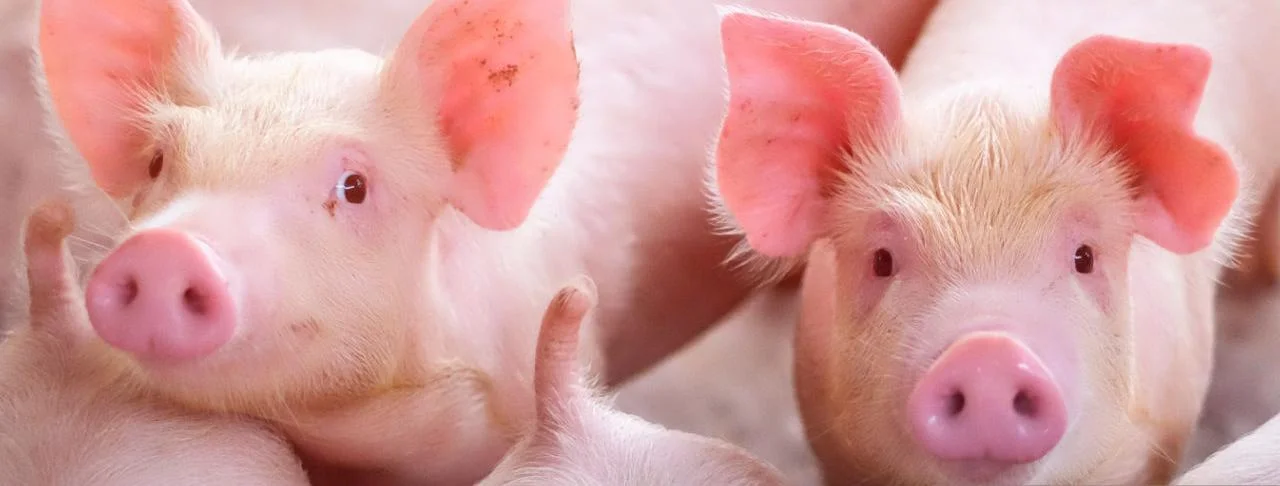
Pig growth booster and lean mass supplement for lean pork production by Vinayak Ingredients

Innovative and sustainable approach towards lean pork production

Phytogenic feed additives comprise a wide range of plants, like herbs, spices and other plant-derived products like essential oils and oleoresins.

The beneficial effect of herbs in pig farming is been increasing globally, especially encouraged by higher authorities. The studies have shown substantial effects on weight gain, carcass meat content, meat quality.

The commercial pork industry’s number one challenge is to provide consumers with safe, wholesome food of a high and consistent quality. This food should be produced as efficiently as possible, while considering the impact on the environment, animal welfare, and the well-being of people involved with the production process.

Metalean, protein optimizer for high lean pork

Metalean is a phytogenic lean growth supplement for pigs. Metalean benefits in uniform growth performance, more than 10% improvement in the feed efficiency, improved carcass characteristics like higher dressing percentage, lower backfat thickness.

How does Metalean work?

The phytoactives in Metalean influence insulin-like growth factors which is one of the potent growth factors associated with the wide range of anabolic processes. The biological actions of IGF I are controlled mainly through the stomach, duodenum, and muscle tissue. This IGF targeted gut-brain axis is triggered by Metalean, which controls the fat and protein metabolism. It also upregulates fatty acid breakdown and limits fatty acid synthesis. Allium and Piper’s species also play a potential role in diet-induced thermogenesis.

Quality parameters of pork have shown superior results with Metalean supplementation. The meat colour, firmness, marbling, and water holding capacity is improved with the supplementation in the finishing phase of swine farming.

The natural and safe herbal feed supplement “Metalean” is an efficient alternative and sustainable solution for the pork industry. It is recommended to use at 2 kg per MT of finishing feed in the last 4 weeks before attaining desired body weight.

METLEAN protein optimizer for swine, essential amino acids for lean growth, pig growth boosters, and pork marbling by Vinayak Ingredients.

EHP and White Feces Management in Shrimp Farming

Natural growth promoters for aqua feed supplements by Vinayak Ingredients India Pvt. Ltd., enhancing fish and shrimp growth in India

Growth promoters are extensively used in modern aqua farming for promoting healthy growth and productivity. For optimum growth of shrimp, it should be fed with a nutritional diet that contains sufficient essential amino acids, fatty acids, vitamins, minerals. The nutrients present in the feed may not reach shrimp due to various factors.

Economic impact due to EHP and Vibrio diseases

Asia’s combined aquaculture production currently exceeds 99.10 million tonnes and yet despite its 6.58 % per annum growth, it is marred by episodes of disease that continue to result in major economic loss. In India, the gross national loss in the country due to shrimp diseases was estimated as 48717 metric tonnes of shrimp valued at Rs. 1022.1 crores, and employment of 2.15 million man-days.

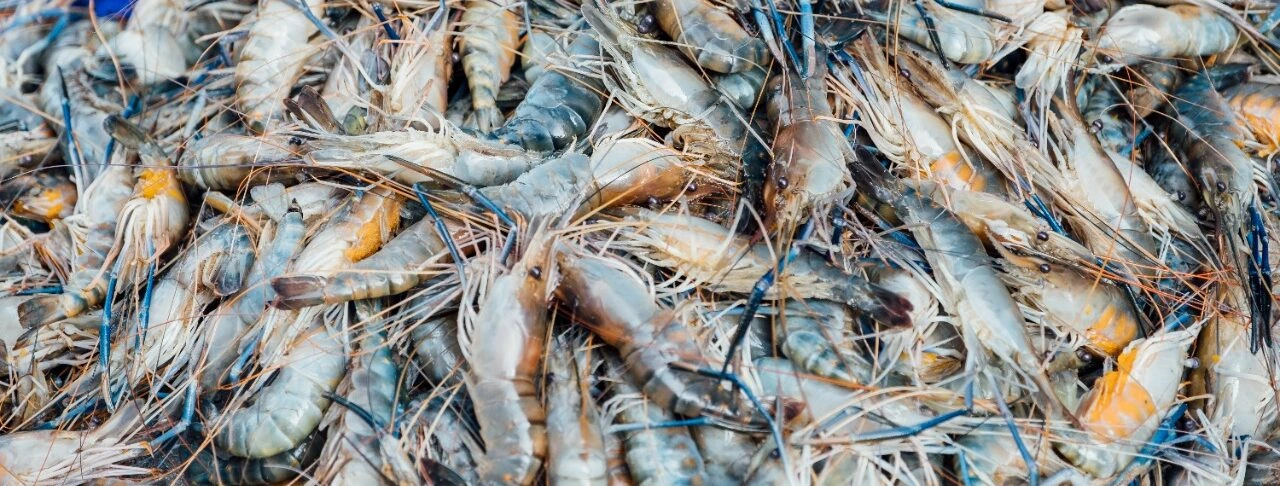
EHP is an intracellular microsporidian that replicates within the cytoplasm of the affected tubule epithelial cells in the hepatopancreas, which affects mainly cultured shrimp P. vannamei in several southeast Asian countries. The main clinical signs of EHP-infected shrimps are growth retardation, which leads to increased variability of the size, softshells, lethargy, and empty midgut is seen in more advanced stages.

Intensive and semi-intensive aqua farming accompanies several disease problems often due to opportunistic pathogens as evident from general aquaculture. High stocking densities, high food inputs and other organic loads stimulate the selection and proliferation of opportunistic pathogens like bacteria, viruses, fungi, protozoa etc.

Aqua feed supplements from Vinayak Ingredients India Pvt. Ltd. for protecting and recovering the shrimp digestive system and heptopancreas.
Natural Growth Promoters in Aqua - Aqua Feed Supplements.

White Feces Syndrome

Signs and symptoms of WFS in shrimp:

– Dark discolouration of the gills
– Hepatopancreas and gut become white and pale in colour
– Floating white feces strings
– Slow growth
– Infected shrimps show loose shell

The causes of white feces may include poor quality of feed (presence of anti-nutritional factors or mycotoxins), bacteria (a number of species of Vibrio), algal toxin (cyanobacteria), gregarines, and EHP. All of the factors have been seen to damages the hepatopancreas. When the hepatopancreas, the largest
internal organ in shrimps, is compromised and damaged, we observe “white feces.” Several problems are associated with the WFS, including reduced feeding, reduced shrimp growth, size disparities and chronic mortalities.

Use of feed supplements

The application of immunostimulants in shrimp aquaculture is increasingly gaining interest as an environmentally safe alternative to antibiotics and chemotherapeutics. Diets containing immunostimulants are used in aquaculture in order to increase resistance to stress and diseases of cultured fishes and invertebrates. To provide nutrients required for the growth of shrimp growth promoters are fed to shrimp. This contains all essential nutrients in the right amounts helps in normal growth and improving performance of shrimps.

The application of immunostimulants in shrimp aquaculture is increasingly gaining interest as an environmentally safe alternative to antibiotics and chemotherapeutics. Diets containing immunostimulants are used in aquaculture in order to increase resistance to stress and diseases of cultured fishes and invertebrates. To provide nutrients required for the growth of shrimp growth promoters are fed to shrimp. This contains all essential nutrients in the right amounts helps in normal growth and improving performance of shrimps.

Management and control of shrimp diseases
  • PCR screening of broodstock before spawning and PCR screening of larvae (PL) before stocking. Larvae through quarantine systems, and stocking of SPF /SPR seeds, filtration and sanitization of water before intake
  • Mortalities are precipitated by sudden stress from the changes of wide fluctuation of climatic condition
  • Total disinfection and sanitization to the whole culture system before seeing a fresh batch. Improving host conditions through good nutrition and immunostimulation: A number of microbial molecules such as feed additive probiotic, β 1,3 glucans, peptidoglycans, polysaccharides have been shown to stimulate the non-specific immune mechanisms in shrimp.
  • Improving environmental conditions: the environment has a greater role and significant impact on shrimp health, growth and production. Most disease problems are triggered by the deterioration of water and soil quality.
  • Biosecurity: The strict principles and guidelines of biosecurity to be adapted in individual farms and cluster wise in farming areas.

The Best Management Practice (BMP), quarantine system and good feed management practice are to be followed during the entire culture period to overcome the disease problems in shrimp culture.

REHPAIRO, amino acid optimizer for healthy hepatopancreas … to gain nutrition from feed

Rehpairo is a safe biotechnological phytogenic supplement for controlling the EHP infection, preventing retarded growth, and increasing the efficiency of high protein in aquafeeds.

How does Rehpairo work?

It not only enhances productivity but also helps to improve the quality which positively influences processing characteristics. If the amino acids profile is poorly correlated to the requirement of the shrimp, then it leads to lower retention of synthesized protein. Rehpairo improves the retention of the synthesized protein from the feed leading to higher growth rates.

Rehpairo is 100% natural in origin. The herb derived Flavonoids and Piperine of Rehpairo prevents adhesion of EHP spore tubule to the epithelial cells of shrimp hepatopancreas. It controls the reproductive cycle of the EHP organism by preventing their entry and its polar tube extension to the pancreatic cells by digesting the polar tube components.

The other phytoactive from Allium and Piper Sp. enhance the recovery of shrimp digestive and hepatic systems and improve their health condition and immunity. The hepatopancreas supports digestion, immune regulation and other functions, which are related to most shrimp diseases.

Owing to its positive impact on nutrient efficiency, it also addresses environmental concerns of eutrophication and pollution associated with excess nutrient waste.

Benefits

  • Reduces EHP and white feces infection up to 80 % at the infected ponds
  • Resolving stunted growth and helps in achieving 9-10 g average weight at 60 DOC, gain in more than 2 g weight/week in shrimp above 80 DOC.
  • Increase disease resistance in shrimp preventing secondary bacterial infections
  • Uniform shrimp size minimizes the size variability in the ponds
  • Reduced in mortalities due to stress factors like temperature, pH, crowing, salinity, ammonia, etc
Natural feed supplements for aqua farming by Vinayak Ingredients India Pvt. Ltd., enhancing fish and shrimp health and growth
Rehpairo Aqua Feed Supplements by Vinayak Ingredients for growth promotion, weight gain, amino acid optimization, and EHP control in shrimp farming.

Uses
Powder application makes it easy to use at the affected ponds with a suitable binder. Recommended uses are 2 kg per metric ton of feed.

Advance newborn calves and colostrum management, why is it necessary?

Neostart supplement for newborn calves by Vinayak Ingredients helps improve ruminal health, digestion, and immune support. Ideal for calves at birth, weaning, and during stressful conditions.

Colostrum management and the composition of fluid fed; the use of various additives such as prebiotics, probiotics, and proteins from hyperimmunized eggs or plasma proteins; and housing can all influence the health of newborn calves.


Explore Vinayak Ingredients' innovative cattle feed supplements and additives designed to enhance cattle health, growth, and productivity in the beef and dairy industry.

Which are The Common Culprits of Neonatal Calves?

It is well documented that dairy calves are extremely susceptible to enteric diseases and mortality during the first few weeks of life. The latest reports from the USDA’s National Animal Health and Monitoring System (NAHMS, 2007) report that the national mortality rate of heifer calves from 48 hours of life to weaning is approximately 7.8 to 10.8 %.

Producer perceived records indicate that scours account for 56.5 to 60.5 % of all pre-weaned deaths. Approximately ¼ of all pre-weaned calves are therapeutically treated for scours, and the major causes of death from scours are either dehydration or the pathogen gains access to the blood and causes septicemia. The high incidences of disease indicate we have much to learn about improving gastrointestinal disease resistance among pre-weaned calves. In addition, some data indicates that early life nutrition can have long-term impacts on leukocyte responses and disease resistance.

How does Neonatal Care Compound Long-Term Profits?

It is well known that calves are a future herd, may it be for the dairy or beef market. Thus, the performance of calves is totally dependent on the nutritional and management practices during the first three months. It plays a key role in the economy of farms because they increase operating costs and if compromised it can adversely affect the long-term productivity of the animal. The maintenance of calf health and optimizing their growth are pivotal objectives especially at the early stages of life.
Newborn calves are immunologically naive at birth. They have had no chance to enhance adaptive immunity by ‘‘experience’’ because of the protective environment in the womb, which also limits the activation of phagocytes and their entry into the tissues. The ingestion of colostrum is essential for providing neonates with immunologic protection during at least the first 2 to 4 weeks of life. Colostrum is composed primarily of antibodies, cytokines, and leucocytes. Calves that ingest colostrum shortly after birth have significant concentrations of immunoglobulin in serum, whereas colostrum-deprived calves have only trace amounts of immunoglobulin during the first 3 days of life.

Use of Feed Additives in Early Calf Nutrition

The developmental immaturity of the immune system of the neonatal calf presents a predisposing factor toward increased morbidity and mortality. As nutrition of calf is crucial many feed additives are being used in calf’s diet. With the restricted use or ban of dietary antimicrobial agents, the trend is towards more ‘natural’ animal production systems. Phytochemicals, prebiotics, probiotics with rich sources of essential vitamins and minerals can influence microorganisms through an anti-microbial activity or through a favourable stimulation of the microflora and favours healthy growth.

NEOSTART supplement improves ruminal health, maintains osmolarity, neutralizes acid content, and supports cattle health and rumen stabilization. Ideal for newborn calves and stressed cattle.

Why Neostart?

It is a supplement exclusively designed for newborn calves to fulfil all essential nutrients’ needs. When calves are stressed, their appetite and digestibility often decrease; meanwhile, the nutritional demand of their growing bodies increases. This leads to the loss of appetite, depressed activity, suppressed immune system, reduced growth rates, and digestive disorders. This is the sensitive period for the calves where Neostart plays a key role.
What does Neostart contain? Energy in the form of digestible sugars and essential fatty acids, vitamins, minerals, multi-strain probiotics to seed digestive tract with beneficial microflora, prebiotics, and natural colostrum. Its indications are at birth and weaning, during stress and transportation, post-antibiotic therapy, and in digestive disorders in young ones. It is available in powder and paste form for reliable and easy administration.