icon-globe
Search Connect with us

SHELLVIN: BOOSTING EGGSHELL INTEGRITY FOR OPTIMAL POULTRY PRODUCTION

Shellvin: Boosting Eggshell Integrity for Optimal Poultry Production

The eggshell is an important structure of an egg, as it forms an embryonic chamber for the developing chick, providing mechanical protection, a controlled gas exchange medium and it is a container for the market egg, providing protection of the contents from pathogens and a unique package for a valuable food. Balancing proportion between calcium, phosphorus, vitamin D3, and the hormonal system in calcium metabolism during egg formation is important for Eggshell quality.


COMPOSITION OF THE EGGSHELL

The eggshell contains about

  • 94- 97% calcite (calcium carbonate mineral)
  • 2% organic matrix (proteins)

The complex structure of the eggshell is the end result of the interaction between calcium carbonate crystals and organic matrix molecules.

Key organic matrix proteins like ovocleidin-17, ovotransferrin, and osteopontin play important roles in regulating mineralisation, crystallographic texture and biomechanical properties of eggshell.

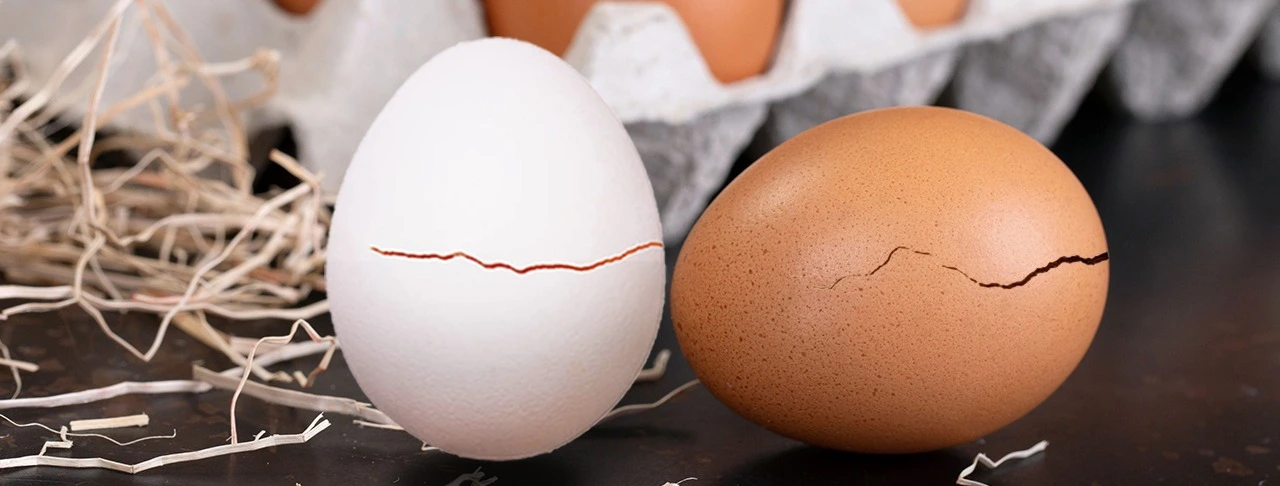
Eggshell cracking is one of the major concerns for the farmers as it causes pathogenic contamination and economic loss throughout the world. Estimates for the incidence of broken eggs in commercial production range from 6 to 8% of all eggs produced which have a negative impact on the profitability of any egg producer. However, incomplete hairline-cracked eggs are less obvious upon visual inspection and may inadvertently be used in commercial poultry which can lead to reduced hatchability and increases risk of contamination.

There are also external egg quality issues related to other shell defects like rough shells, misshapen eggs, body-checked eggs, shell-less eggs and stained or dirty floor eggs which do not necessarily result in egg breakage but give rise to increased risks of contamination along with lower hatchability and consumer acceptance.

FACTORS AFFECTING EGG SHELL QUALITY IN POULTRY –

Key factors affecting eggshell quality in poultry for optimal egg production – Vinayak Ingredients.

Inadequate calcium intake and the factors affecting availability of essential organic matrix proteins can lead to degradation in egg shell quality. Approximately 60 to 75% of shell calcium (Ca) is derived directly from the diet. While calcium is important for eggshell formation, the role of organic matrix proteins like ovocleidin-17, ovotransferrin, and osteopontin is also significant. These proteins are crucial for the appropriate mineralization and structure formation of the eggshell, ensuring its strength and quality. The availability and activity of these proteins, along with minerals like phosphorus, zinc, manganese, and vitamin D are key factors that can greatly enhance eggshell quality. Improving these proteins’ effectiveness along with calcium supplement can lead to stronger and more resilient eggshells.

IMPROVE EGG SHELL QUALITY WITH SHELLVIN….

SHELLVIN is an organic egg shell supplement for poultry which helps overcoming calcium deficiencies, positively influences the formation of the shell ultra-structure. It contains organic calcium, shell enzyme co-factors, vitamin D3 absorption enhancer, and a precursor of the organic matrix of shell along with minerals which helps to decrease eggshell cracking. SHELLVIN triggers the organic constituents (proteins) of the egg shell matrix to modify the morphology of calcite crystals which eventually improves the texture and reduces thin egg shells in poultry.                  

BENEFITS –
Shellvin benefits for improving eggshell strength and quality in poultry – Vinayak Ingredients.

Ensure stronger eggshells and healthier hens with SHELLVIN!

*References on request*
Revolutionizing Poultry Health and Consumer Nutrition With Alphalinomega

Alphalimega Revolutionizing Poultry Health and Consumer Nutrition

Essential fatty acids are gaining important not only for improving the health and productivity of animals and humans but also because our health-conscious society prefers properly balanced diets to minimize adverse health issues.  Among various fatty acids, omega-3 (ω-3) fatty acids are proving indispensable for numerous beneficial health functions.

WHAT ARE OMEGA-3 FATTY ACIDS?

Omega-3 fatty acids are a group of essential polyunsaturated fats that are critical for various biological, physiological, developmental, reproductive, and many other health functions.  The three important omega-3 fatty acids are –

  • Alpha-linolenic acid (ALA),
  • Eicosapentaenoic acid (EPA),
  • Docosahexaenoic acid (DHA).

These fatty acids play crucial roles as components of the phospholipids forming the structures of cell membranes. Retina (eye), brain, and sperm cells contains high DHA levels. Along with this, they act as source of energy and have wide-ranging functions in the cardiovascular, pulmonary, immune, and endocrine systems. Researchers have seen remarkable benefits of omega fatty acids in cardiovascular diseases, rheumatoid arthritis and diabetic conditions in humans.

Health benefits of Omega-3 fatty acids for improved nutrition and well-being – Vinayak Ingredients.

WHY ARE THEY ESSENTIAL?

ALA is considered essential fatty acid, as it must be obtained from the diet. ALA can transform into EPA and then to DHA , but this  conversion is limited—only 1-10% of ALA typically turns into EPA, and just 0.5-5% into DHA. Hence, direct consumption of EPA and DHA from dietary sources is the most practical way to elevate levels in the body.

WHO recommends 0.3 to 0.5 g per day of EPA + DHA and 0.8 to 1.1 g per day of ALA as a dietary inclusion level of omega-3 fatty acids for a healthy person. But due to current food habits there is reduction in the daily intake of omega-3 fatty acids than recommended amounts. Across the world humans are finding ways to incorporate rich omega sources in diet, however due to the seasonal availability, affordability and consumers’ preference, they are inclined in search of an alternative which satisfy their preferences.

Among other sources available, enriching poultry products with omega fatty acids is more beneficial as the global consumption of poultry meat and eggs has continued to accelerate in recent decades, due to their monogastric feature, wide availability, short rearing cycle, and low cost.  Also, poultry is an excellent feed converted channelling nutrients from feed into eggs and meat quickly, efficiently, and with relatively low environmental impact. The omega fatty acid content in poultry can be significantly improved by supplementing their diets with rich sources like flaxseed, safflower oil, fish oil, fish meal, or algae/algal oil.

Natural sources of Omega-3 fatty acids for enhanced nutrition and health – Vinayak Ingredients.
HOW OMEGA FATTY ACID ARE BENEFICIAL FOR POULTRY?

Dietary supplement of Omega fatty acid in poultry –

  • Supports Skeletal Development.
  • Improves Weight and Carcass Quality by enhances Feed Conversion Ratio (FCR).
  • Boosts Antioxidant Properties and prevents inflammation.
  • Enriches Fatty Acid Profile of meat and eggs.
  • Enhances Reproductive Performance:
  1. Reduces embryonic mortality.
  2. Enhances fertility and hatchability.
  3. Improves sperm quality and quantity.
  • Improves Egg Quality:
  1. Improves egg size and shell quality.
  2. Enriches yolk fatty acid composition.
ALPHALINOMEGA –

The enrichment of omega-3 fatty acids in poultry is directly linked to the amount provided via diet.ALPHALINOMEGA is an omega fatty acid supplement for omega fortified chicken and eggs. It is an innovative poultry feed supplement that contains major essential fatty acids and can be easily administered via water. ALPHALINOMEGA also helps in high absorption of omega fatty acids (up to 98%) and improves FCR , leading to better weight gain, and improved overall health of the poultry.

ALPHALINOMEGA—the smart choice for omega-3 enrichment that benefits both your flock and your customers!

*Reference on request

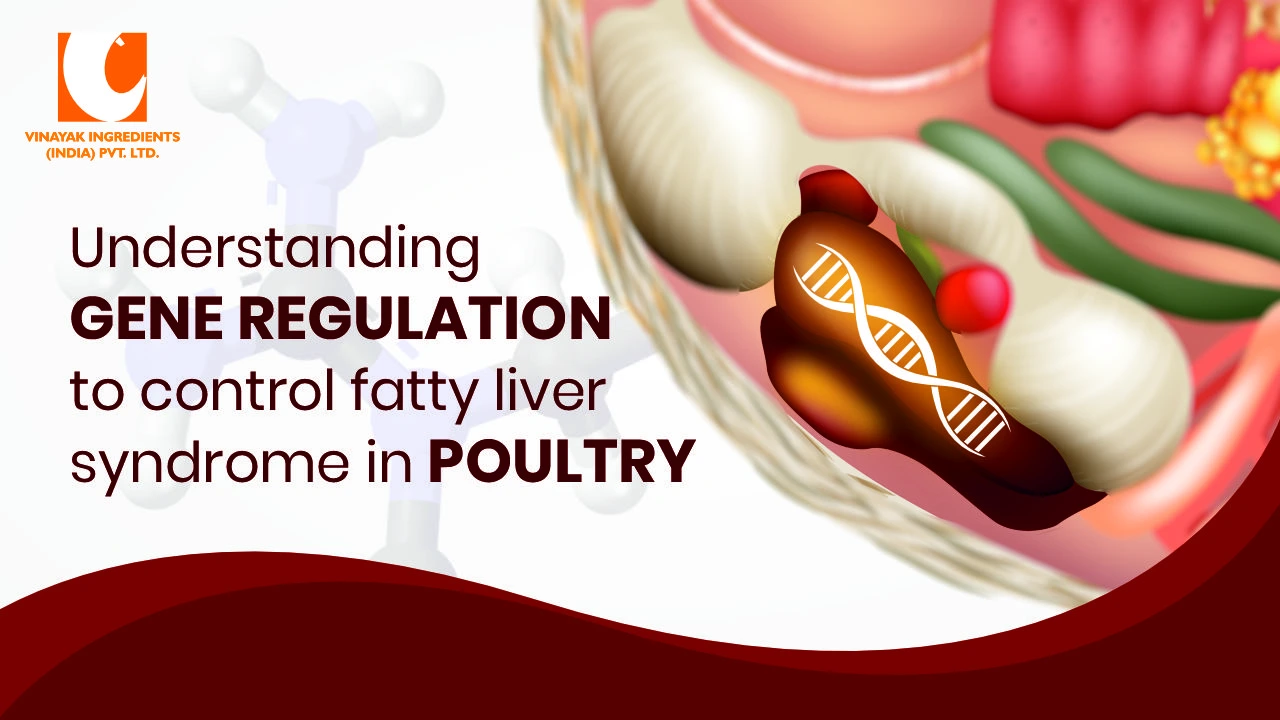
Understanding the Gene Regulation to Control Fatty Liver Syndrome in Poultry

Understanding the Gene Regulation to Control Fatty Liver Syndrome in Poultry

Choline is an essential nutrient in poultry and plays a major role in combating fatty liver syndrome. Please refer previous blog for more details on fatty liver syndrome in poultry

Biochemical functions of Choline:

Biochemical functions of Choline

Let’s Understand the Metabolism of Choline:

Dietary choline is metabolized by two distinct biochemical pathways: the one-carbon metabolism pathway and the CDP-choline pathway. In the one-carbon metabolism pathway, choline is converted into a methyl donor, whereas in the CDP-choline pathway, it is converted into phosphatidylcholine through the action of various enzymes.

Metabolism of Choline
Phosphatidylcholine is one of the phospholipids, which is composed of a glycerol backbone linked to two fatty acid chains, a phosphate group, and a choline molecule. It is packed in lipoproteins (VLDL) in the liver and transported to the body’s various organs. Hence, phosphatidylcholine plays an important role in fat transportation. Maximum phosphatidylcholine formation may alleviate the severity of fatty liver syndrome in poultry. This can be achieved by elevating the CDP-choline pathway and downregulating the genes involved in one-carbon metabolism.

Genes encoding the enzymes in one-carbon metabolism:

  • Chdh encodes Choline dehydrogenase (CHDH)
  • Mat 1a encodes Methionine adenosyl transferase 1A (MAT 1A)
  • Bhmt encodes Betaine-homocysteine methyl transferase (BHMT)
  • Pemt encodes Phosphatidylethanolamine methyltransferase (PEMT)


What if the expression of these genes are downregulated?

It will result in…

  • Reduced influx of choline through a one-carbon metabolism pathway, hence enhancing the access to choline required in other pathways such as CDP-choline.
  • Maximum metabolism of dietary choline through the CDP-choline pathway, hence increasing the formation of phosphatidylcholine.
  • Improved lipoprotein transport, which will lead to reduced fat accumulation in a bird’s liver.

Thus, by downregulating the genes involved in the one-carbon metabolism of choline, maximum free choline will be available to metabolize through the CDP-choline pathway. It will ultimately synthesize phospholipids, primarily phosphatidylcholine, and phosphatidylethanolamine in the liver.

To regulate this gene expression in fatty liver syndrome, choline is been used but it has certain key challenges hence natural plant-based alternative can be a great option

Vincholine logo – Vinayak Ingredients' solution for optimal choline nutrition in animal feed

VinCholine is a “natural source of plant-derived Choline conjugates” that helps to regulate fatty liver syndrome in poultry. It is a natural product with no harmful side effects on poultry health, which can replace synthetic choline in feed. The phytoactive compounds in VinCholine have an action to improve liver physiology and metabolism and ensure maximum bioavailability. The essential fatty acids, phospholipids, and other metabolites play a significant role in the metabolism and biosynthesis of a natural form of choline. It is an excellent product with the action of enzymatic modulation that regulates lipid metabolism and plays a significant role in the mobilization of excess abdominal fat.

It effectively enhances the development; performance, and creativity and improves the zootechnical aspects of the poultry birds.

*References on request

Empowering Poultry’s Respiratory Defence Mechanism Naturally

MucoFort, a natural poultry respiratory health supplement by Vinayak Ingredients, a top manufacturer of feed additives. Supports respiratory defence against CRD, NCD, and IB with phytomolecules and essential oils for sustainable poultry care.

The intensive rearing practices of commercial poultry operations and the unique anatomical and physiological features of the respiratory tract of poultry species render them highly susceptible to respiratory infections with a broad range of microbial pathogens. The losses incurred by respiratory diseases in particular account for the majority of the economic burden associated with poultry production performance including reduced growth rate, less egg production, poor carcass quality, and low-quality meat, which is a significant threat to global health. Their high prevalence, wide range of mortality, as well as morbidities cause significant economic losses.

Common respiratory diseases in poultry-

  • Chronic Respiratory Disease (CRD)
  • Newcastle Disease (NCD)
  • Infectious Bronchitis (IB)
  • Avian Influenza (AI)
  • Infectious laryngotracheitis (ILT)

Causative agents-

  • Predisposing agents (dust, ammonia, etc) of an environment.
  • Poor ventilation
  • Heat stress
  • Overcrowding
  • Viral, bacterial, fungal, or mycoplasma infections.
Symptoms –
  • Sneezing.
  • Difficulty in breathing.
  • Nasal exudate.
  • Discharge from the eyes and nostrils.

Poultry’s Defence Mechanism

Identifying symptoms of respiratory diseases in poultry and natural solutions by Vinayak Ingredients for improved respiratory health.
A natural approach to improving poultry respiratory health and defense mechanisms with Vinayak Ingredients' feed additives.

The trachea of avian lungs is covered with a mucous membrane that has a lining of ciliated pseudostratified columnar epithelium with mucus-secreting “goblet cells”. Poultry’s natural defence mechanism provides a protective role by trapping dust particles and other debris with the help of cilia before they reach the lungs and is further moved in the direction of the larynx from where it is expectorated, called a mucociliary escalator or swallowed.

During Upper and lower respiratory tract inflammations, inflammatory exudates contain mucin, inflammatory cells, cellular debris, and the deposition of fibrinous exudates. Fibrinous and mucoid debris become solid and dry on the discharge from the respiratory system. After it dries, birds experience a severe lack of oxygen in the blood; oxygen deprivation because of problems associated with expulsion of the substance through normal respiratory and coughing mechanisms.

  • Sometimes natural defence system of poultry cannot effectively function, if it is saturated with too much dust, paralyzed by excess ammonia concentration, or destroyed by a viral infection, which causes excessive mucus secretion and blocks the airway in the trachea. It may cause the death of birds.
  • Common solutions for such diseases are antiviral, anti-inflammatory, and antibiotic drugs that can lead to antibiotic resistance, which has become a major cause of concern. In place of antimicrobials and antibiotics, plant extracts or essential oils are being examined for their ability to enhance poultry production, particularly for their ability to enhance the avian immune system, enabling them to naturally control infection. Plant photoactive compounds can be used as natural non-antibiotic growth promoters in chickens where resistance problems are inevitable.

How do Phytomolecules boost poultry’s respiratory system naturally?

The phytoactive compounds derived from essential oil are rich in phenolic compounds, which smooth tightened muscles, hence act as decongestants, and also stimulate the response of the respiratory system naturally. They not only thin out the mucus but also facilitate its removal from the airways. As a result, the airways are cleared, and breathing during inflammation becomes easier. Essential oils can also protect the integrity of respiratory cilia in the presence of pathogens such as Mycoplasma gallisepticum and respiratory viruses.

Exhibit following properties –
  • Anti-microbial
  • Anti-inflammatory
  • Antioxidant
  • Immunostimulant
  • Mucolytic and Expectorant

MucoFort

Discover the benefits of MucoFort, a natural poultry respiratory tonic by Vinayak Ingredients, designed to support respiratory health and improve bird immunity.

A natural preparation of MucoFort helps respiratory cells by releasing mucolytic and fibrinolytic substances; it also enhances the secretion of more mucous from goblet cells to liquefy the thick mucoid material from the respiratory tract. Its decongesting properties provide instant relief. It is a natural tonic that replaces synthetic drugs and ensures the rapid recovery of poultry.

Phytoconstituents derived from Eucalyptus globulus, Mentha arvensis, Ocimum basilicum, etc of MucoFort® stimulate natural protective mechanisms of the respiratory system.

“Respiratory Relief for Poultry through Natural Care”

*References on request

Impact of Mycotoxins in Poultry Feed : Prevention and Control

Understand the harmful effects of mycotoxins in poultry feed and discover how VinSorb, a mycotoxin binder by Vinayak Ingredients, helps in effective prevention and control.

Mycotoxins are secondary metabolites of low molecular weight produced by different varieties of fungi, principally moulds. Mycotoxin contamination usually occurs in the field as well as during the processing and storage of feed products. The presence of mycotoxins in chicken feed results in significant financial losses for the poultry farmer.
Mycotoxins are omnipresent in high moisture feed ingredients and no poultry feed is free of any mycotoxin, under practical conditions. These moulds commonly grow on crops such as cereals, and grains, particularly under conditions of high humidity, temperature, and poor storage conditions. Feed contaminated with mycotoxin harms the production and health of animals. Mycotoxins show additive, synergistic, as well as antagonistic effects with other toxins, infectious agents, and nutritional requirements. They may interact with drugs used as therapeutic agents and also diminish the effects of vaccines administered to poultry.

Major Mycotoxins:

Aflatoxins, Ochratoxins, Fumonisins, Zearalenone, Trichothecene(T-2), Deoxynivalenol(DON)

A baby chick with a microscopic view of mycotoxins, representing the harmful effects of mycotoxin contamination in poultry feed and its impact on poultry health. Vinayak Ingredients provides effective mycotoxin binders for poultry safety.

Major Impacts of Mycotoxins

Aflatoxins:
  • high morbidity and mortality rates are possible
  • lesions in the liver along with reddening due to necrosis and congestion or yellowing due to lipid accumulation
  • haemorrhages in liver and other tissues
Ochratoxins:
  • decreased weight gain as well as poor feed conversion
  • decreased spontaneous activity
  • diarrhea, rapid weight loss, and death
  • decrease in overall carcass yield, egg productionegg quality, fertility, and hatchability
Fumonisins:

Fumonisins block the synthesis of complex sphingolipids that play an important role in protecting nerves, muscles, and membranes. Due to this, the free sphingoid bases sphinganine (Sa) and sphingosine (So), both highly toxic to most cells, accumulate in tissues leading to severe cell damage and cell death.

Zearalenone:

It is produced by Fusarium graminearum. ZEN and its metabolites have a biological structure similar to 17-b estradiol (E2). Hence, they can bind to estrogen receptors and interfere with estrogen function which affects animals’ reproductive ability and cause reproductive disorders.

T-2 (Type A Tricothecene):

• inhibition of protein, DNA, as well as RNA synthesis
• cytotoxicity and immunosuppression
• cell lesions in the digestive tract, organs, as well as skin
• neural disturbances and low overall performance in poultry production

DON:

  • reduction in weight and immune response to infection, particularly bacterial infection.
  • injury to the gastrointestinal tract
  • decrease in the absorption of nutrients (glucose and amino acid) through the intestine

Prevention against mycotoxins is necessary and the use of detoxifying or adsorbing agent (mycotoxin binder) in poultry rations is essential.

What are Mycotoxin binders? And their effects…

Mycotoxin binders or adsorbents are substances that bind to mycotoxins and prevent absorption through the gut of an animal.

The aluminosilicate binders are natural, inorganic mycotoxin binders containing a porous structure made of silica that can adsorb and trap mycotoxins (Jouany, 2007; Di Gregorio et al., 2014).

Widely used Mycotoxin binders- aluminosilicates like clay, bentonite, zeolite, aqueous sodium calcium aluminosilicate (HSCAS), and activated charcoal.

  • They degrade mycotoxins into non-toxic metabolites. In-vitro studies on the binding capacity of many adsorbents, HSCAS, and MOS have shown that these are the most effective choices.
  • Added to animal diets, mycotoxin binders, adsorbents, and mould inhibitors can mitigate the negative effects of mycotoxin

Mechanism Of Action:

Here’s the Solution…

Vinsorb logo – Vinayak Ingredients' advanced toxin binder for animal feed safety

Our product is a unique combination of high-grade mycotoxin adsorbents, mould inhibitors, as well as anti-fungal elements along with lipotropic agents which makes VINSORB-BIO a very effective mycotoxin binder for high levels of toxins, where the nature of toxin is unknown or its presence uncertain.

Composition

  • Hydrated Sodium Calcium Aluminosilicate (HSCAS), Phyllosilicates
  • MOS
  • Activated Charcoal
  • Organic Acids
  • Elemental Copper
  • Lipotropic Agents

Why VinSorb Bio?

Key benefits of Vinsorb Bio, a premium mycotoxin binder by Vinayak Ingredients, designed to protect poultry from harmful mycotoxins and enhance feed safety.

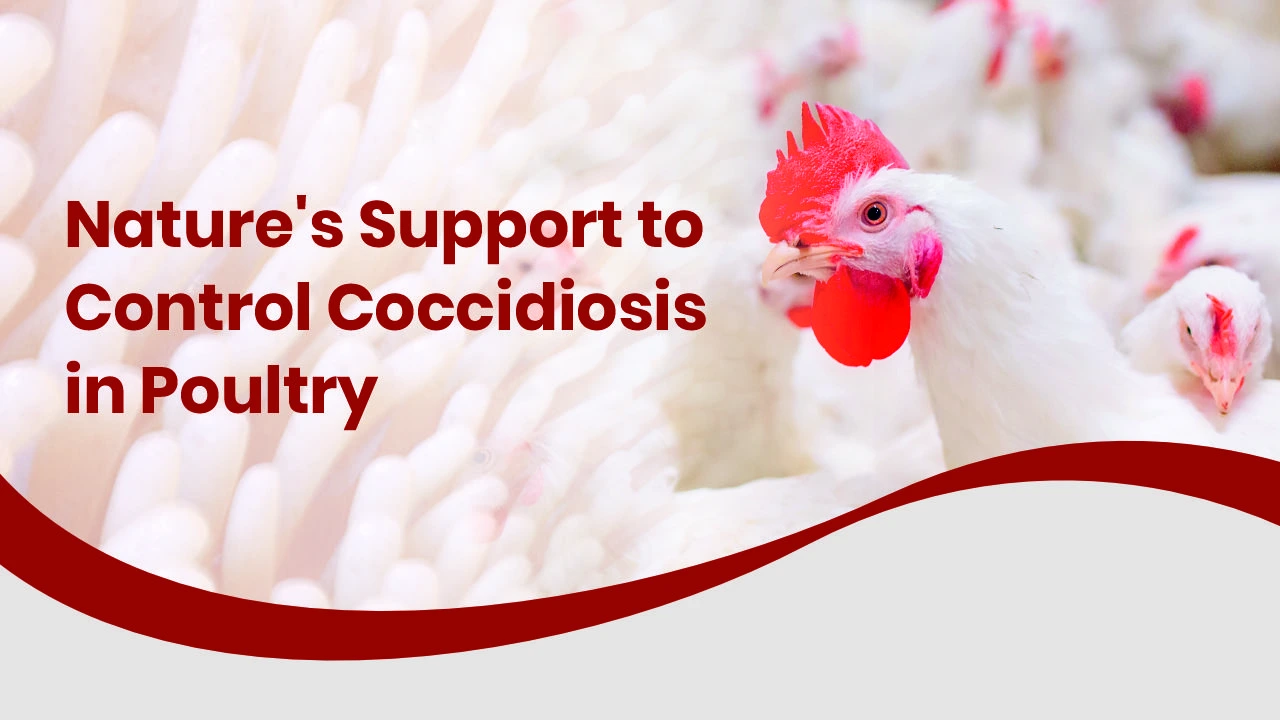
Nature’s support to control coccidiosis in poultry

Nature's support to control coccidiosis in poultry

Coccidiosis is one of the major concerns for poultry worldwide due to its effects on enteric health and overall flock performance. It is mainly caused by a protozoan parasite EimeriaMajor species of Eimeria that are found to be infectious in poultry are E. acervulina, E. brunetti, E. maxima, E. mitis, E. necatrix, E. praecox, and E. tenella. It causes an increased rate of morbidity and mortality in poultry, which results in major economic losses.

Common signs and symptoms of infection include:

Common signs and symptoms of infection in animals for early disease detection – Vinayak Ingredients

Modes of Transmission of Eimeria 

Eimeria is a host-specific infection, where different species of Eimeria infect different portions of the intestine in poultry.

1. Infected birds shed the infective oocysts (small egg-like bodies) in their feces.

2. These oocysts quickly multiply and flourish in favorable conditions.

3. Birds ingest these oocysts from contaminated food, water, litter, and become infected.

4. After being swallowed, the parasites establish themselves on the mucosa, developing and reproducing in large numbers, causing severe damage. Coccidia can complete their life cycle in approximately 4–7 days and multiply rapidly.

5. It damages the intestinal epithelial lining and reduces its ability to absorb nutrients essential for the growth of poultry.

Programs to Control Coccidiosis in Poultry 

Key challenges of using anti-coccidial drugs in poultry

  • Using drugs from the same class and the same mode of action one after another for a long period increases the risk of resistance being developed toward the class.
  • It leads to the accumulation of chemical residues in poultry.
  • It not only reduces the rate of poultry production but also causes major economic losses in poultry farming.

Therefore, anticoccidials are banned as feed additives due to consumers’ concerns about residues in poultry products. The natural plant-based solution is an effective alternative to mitigate the side effects of chemical-based products.

How can the natural solution be an effective alternative for coccidiosis control in poultry?

  • Phytochemicals present in plants reduce mucosal inflammation and lesions and effectively reduce the spread of disease by decreasing oocyst excretion.
  • Naturally improves the beneficial microbial population.
  • It can be used in combination with vaccines, ionophores, and chemicals as part of the shuttle or rotation program.
  • Fulfils public demand for residue-free poultry but also provides sustainable and effective poultry production.

Biococcin: Natural Alternative to Coccidiosis in Poultry

Biococcin logo – Vinayak Ingredients' natural solution for coccidiosis management in poultry.

BIOCOCCIN is a phytochemical mixture derived from various ethnoveterinary herbs, which has diverse mechanisms of action against multiple species of Eimeria. It provides a long-term benefit. The active constituents in BIOCOCCIN suppress the developmental stages in the lifecycle of Eimeria and help control coccidiosis. It is a sustainable solution, providing poultry farmers with a safe, efficient, and environmentally conscious alternative.

 Benefits of Biococcin 

Benefits of BIOCOCCIN for natural coccidiosis control and gut health in poultry – Vinayak Ingredients.

*References on request

Why Broken Eggs Break The Bank: The Hidden Costs For Farmers

Shellvin improve Egg quality

In commercial cage layers, the quality of eggs is crucial for farmers. Egg quality can be inferred greatly from the eggshell. Different factors like genetics, age, nutrition, viral diseases, environmental conditions, and egg handling affect the eggshell quality. The incidence of thin and broken-shelled eggs increases as the laying cycle progresses. The weak-shelled eggs are liable to break before collection at the farm and break during transportation and handling. Poor eggshell quality is a huge hidden cost to the egg producer.

Approximately 3 % of eggs in the hen house are uncollectible or break before use, resulting in significant losses. The 1-2 % are lost due to deformities, and about 2–3% during collection, processing, and transportation.

Eggshell breaking is common in older birds due to impaired kidney functions. Large eggs will usually break more easily than small ones. The main reason for this is that the hen is genetically capable of placing only a finite amount of calcium in the shell. As the hen ages and the eggs get bigger, a similar amount of calcium must be spread over a large surface; this can influence eggshell quality.

Sometimes a thinner eggshell is stronger than a thicker eggshell due to the shape and organization of the organic and inorganic components in the shell.

TO UNDERSTAND EGG SHELL CRACKING BETTER, LET’S FIRST UNDERSTAND HOW EGG SHELLS ARE FORMED…

Formation of Egg and Structure of Egg Shell

COMPOSITION OF EGG SHELL:

Composition of Egg Shell

TO ADDRESS THESE PHYSIOLOGICAL PROBLEMS, WE REPRESENT ‘SHELLVIN- BECAUSE STRONGER SHELL MATTERS!’

‘SHELLVIN’ is a unique blend that comprises organic calcium, shell enzyme co-factors, a vitamin D3 absorption enhancer, and a precursor of the organic matrix of shell. Apart from overcoming deficiencies affecting egg shell quality, SHELLVIN positively influences formation of shell ultrastructure.

CRACK THE CODE TO STRONGER SHELLS WITH SHELLVIN!

*References on request

Innovative approach towards trending issues in global poultry production – Part 2

  • Restores growth retardation and improves FCR
  • Manages clinical signs like Slipped tendon and Perosis 
  • Improves liver metabolism and prevents fatty liver syndrome
  • Essential metabolite for building and maintaining cell structure regulates integrity and porosity of cartilage matrix and also helps faster recovery from diseases
  • Necessary for formation of acetylcholine (Neurotransmitter)
  • Source of labile methyl groups for the formation of methionine from homocysteine and creatine from guanidoacetic acid Higher choline bioavailability growth retardation Improved FCR Prevent FLS & Perosis.
  • In field conditions, herbal choline demonstrated better performance than choline chloride in utilising the energy value of the feed, preventing fatty liver, and consequently improving feed efficiency and production performance.

KIFAY, an Alternative and Economic Approach Towards Feed Formulation

To meet the increasing demand and keep the livestock and poultry product prices reasonable, KIFAY supported feed millers and poultry integrators in enduring times by increasing their profit margins.

KIFAY, is a blend of synergistic herb extract. The feed additive is used for improving FCR and weight gain. KIFAY plays a unique role in amino acid absorption, protein biosynthesis in liver and improving protein retention in the birds. It upregulates hepatic IGF 1 levels and activates muscle protein synthesis. The other combination of polyphenols and flavonoids increase digestive secretions which helps in nutrient metabolism and absorption.

KIFAY plays a pivotal role in sustaining the ever escalating feed commodity prices, saving human grade food and growing profitable animal produce in the blue times.

There is also a higher interest from the consumer in organic poultry production and a great demand for natural and healthier products. In this context, the use of natural supplements has become a promising alternative to synthetic additives.

*References on request

Innovative products in poultry feed supplements manufacturers in India

In addition, herbal preparations help in the digestion process and being a component of nature, these preparations are considered safe, cost effective and environment friendly with no side effect. Hence, their inclusion in the diet is encouraged to enhance the bird’s performance, improve feed utilization, maintain health and alleviate adverse effect of environmental stress.

Feed additives help improving the efficiency of feed utilization and thus reducing the high cost of feed. Now days, use of herbal feed additives are gaining importance in poultry production due to ban on use of certain antibiotics because of their harmful residual effects.

The Russia-Ukraine conflict and historic inflation rise has impacted worldwide economies is well-known with energy and protein prices soaring every day. Not many are aware how the war has disrupted the availability of raw material for animal nutrition. Therefore, ever than before there is need of sustainable additives to utilize most from the feed and increase the profit margins.


Vincholine, Polyherbal Formulation of Enriched Natural Choline for Poultry

Vincholine is a natural choline supplement produced from Tinospora cordifolia, Andrographis paniculata, and Terminalia chebula, which is recognized in Ayurvedic Medicine. It has high content of choline in its esterified phosphatidylcholine form, free choline and sphingomyelin with high bioavailability. It can be an important alternative to the use of synthetic choline chloride. The results have shown that Vincholine can replace choline chloride in the poultry diets.

Biological significance

  • Restores growth retardation and improves FCR
  • Manages clinical signs like Slipped tendon and Perosis 
  • Improves liver metabolism and prevents fatty liver syndrome
  • Essential metabolite for building and maintaining cell structure regulates integrity and porosity of cartilage matrix and also helps faster recovery from diseases
  • Necessary for formation of acetylcholine (Neurotransmitter)
  • Source of labile methyl groups for the formation of methionine from homocysteine and creatine from guanidoacetic acid Higher choline bioavailability growth retardation Improved FCR Prevent FLS & Perosis.
  • In field conditions, herbal choline demonstrated better performance than choline chloride in utilising the energy value of the feed, preventing fatty liver, and consequently improving feed efficiency and production performance.

KIFAY, an Alternative and Economic Approach Towards Feed Formulation

To meet the increasing demand and keep the livestock and poultry product prices reasonable, KIFAY supported feed millers and poultry integrators in enduring times by increasing their profit margins.

KIFAY, is a blend of synergistic herb extract. The feed additive is used for improving FCR and weight gain. KIFAY plays a unique role in amino acid absorption, protein biosynthesis in liver and improving protein retention in the birds. It upregulates hepatic IGF 1 levels and activates muscle protein synthesis. The other combination of polyphenols and flavonoids increase digestive secretions which helps in nutrient metabolism and absorption.

KIFAY plays a pivotal role in sustaining the ever escalating feed commodity prices, saving human grade food and growing profitable animal produce in the blue times.

There is also a higher interest from the consumer in organic poultry production and a great demand for natural and healthier products. In this context, the use of natural supplements has become a promising alternative to synthetic additives.

*References on request

Innovative approach towards trending issues in global poultry production

Innovative approach towards trending issues in global poultry production

The Russia-Ukraine conflict and historic inflation rise has impacted worldwide economies is well-known with energy and protein prices soaring every day. Not many are aware how the war has disrupted the availability of raw material for animal nutrition. Therefore, ever than before there is need of sustainable additives to utilize most from the feed and increase the profit margins.

Feed additives help improving the efficiency of feed utilization and thus reducing the high cost of feed. Now days, use of herbal feed additives are gaining importance in poultry production due to ban on use of certain antibiotics because of their harmful residual effects.

In addition, herbal preparations help in the digestion process and being a component of nature, these preparations are considered safe, cost effective and environment friendly with no side effect. Hence, their inclusion in the diet is encouraged to enhance the bird’s performance, improve feed utilization, maintain health and alleviate adverse effect of environmental stress.

Weight gain in broilers chicken heat stress in poultry Vinayak Ingredients India Pvt Ltd

A unique micro-emulsified formulation of phytoactive ingredients such as Thymus vulgaris, Eucalyptus, Syzygium, and Citronella. Herbofloxin improves gut immune barrier to resist colonization by pathological microflora.

Thymol, eugenol, and essential oils inhibit enteropathogen like Salmonella and E. coli in the digestive tract. The improved gastrointestinal microclimate favors digestibility and uptake of feed nutrients. Phytomolecules with immunomodulatory effects stimulate growth of immune organs such as spleen, thymus and bursa, upregulating the function of lymphocytes, macrophages and natural killer cells.

The addition of Herbofloxin to drinking water supports digestion and metabolism in the body, stimulates the growth and development of a useful microbiome, limits the multiplication and adhesion of pathogens, and improves the morphology and functioning of enterocytes. Secondly, Herbofloxin reduces harmful intestinal load and ultimately prevents the meat contamination.

Herbofloxin Phytogenic Growth Supplements for Poultry AGP Replacers in Poultry Poultry Feed

Biococcin is a holistic combination of phytochemicals with diverse mechanism of action on multiple species of Eimeria. This active constituent suppresses the developmental stages in the lifecycle of Eimeria by several mechanisms, restricting the damage to intestinal cells and spread of the infection by several mechanisms mentioned below:

Weight gain in broilers chicken heat stress in poultry Vinayak Ingredients India Pvt Ltd
Control coccidiosis in poultry Natural coccidiostat for poultry Coccidiosis in poultry Vinayak
  • Prevention of oocyst development
  • Inhibition of sporulation
  • Inhibition of oocyst wall
  • Destruction of sporozoites in caeca
  • Stabilizing intestinal structure and decreasing inflammation
  • Stimulation of immune response and modulation.

Furthermore, herbal extracts could improve recovery after coccidiosis. Flavonoids and other polyphenols have been reported to be responsible for most of the biological properties of the herbs, including the anticoccidial potential.

Alternative protein strategy for poultry feed, an economic approach towards feed formulation

best-broiler-growth-booster-Poultry-growth-booster-kifay-Natural-growth-promote

Poultry industry is heavily influenced by feed commodity prices, trade negotiations, currency fluctuations and economic growth of the importing markets. Firstly, it was Covid then poultry product prices dropped on fears of linking chicken consumption to the virus transmission. Further Avian influenza outbreak of Jan-Feb 2021 hit it when the sales were just recovering.

After that, the second wave struck, and now when the industry was getting back on its feet the feed prices have spiked up due to the Russia-Ukraine war.

High feed prices have already resulted in an increase in the prices of animal protein such as chicken, milk and milk products, and seafood. Prices of soybean and maize are rising sharply, the two key inputs that are used in feed in the poultry industry as a source of protein and energy.

The main driver of increasing feed costs has been soybean and maize. Feed accounts for 70% of variable costs, wherein maize forms 55-60% of the feed while soyemeal forms 30-35% approximately. In the last six-month maize prices have gone up by more than 50% while soybean prices rose by 60-70% in the past 1 year.

dietary-supplement-for-weight-gain-Poultry-Weight-Gainer-kifay-Natural-growth-promoter

Due to the conflict with Russia, the imports of de-oiled cakes have stopped which is largely used as a protein source in chicken feed. The industry is sensitive to fluctuations in the ingredient prices, mainly feed which accounts for 70% of the variable costs. The industry margins are taking the toll led by spike in soyabean and maize costs in FY2022.

Chicken prices have also gone up by 25-30% since January, the experts expect a further increase of 20-50% in different parts of the world in March due to acute shortage of feed and fresh supply chain issues.tappan et al., 2016)

best-broiler-growth-booster-Poultry-growth-booster-kifay-Natural-growth-promoter

High prices of SBM, Maize, de-oiled cakes and essential amino acids drive the feed prices and so the cost of animal protein. According to the FAO data, global meat production is predicted to be 16% higher by 2025 and global feed processing market growing at a CAGR of 3.92% from 2020 to 2027. The surge in consumption and demand of livestock products such as eggs, meat, dairy & dairy-based products are expected to upswing the demand for feed among the farm animals. With the ever increasing demand of animal protein and consumption of competitive feed ingredients like soya, maize and other cereals; we are challenged to search unconventional alternatives or adopt sustainable strategies.


broiler-growth-booster-best-broiler-growth-booster-growth-booster-for-broilers-kifay-Natural-growth-promoter

ant textural changes like woody breast, white striping and spaghetti meat.

kifay-Natural-growth-promoterdietary-supplement-for-weight-gain-best-broiler-growth-booster

KIFAY, an alternative and economic approach towards feed formulation

Herbal medicine has been revolutionizing in the animal industry for its safe, efficient, and long term benefits. Scientists are scouting for phytoactive compounds which have anabolic and antiseptic properties to improve growth performance and nutrient efficiency. Phytochemicals, also referred as phytobiotics or phytogenics, are natural bioactive compounds that are extracted from plants and incorporated into animal feed to enhance productivity and improve feed efficiency.

To meet the increasing demand and keep the livestock and poultry product prices reasonable, KIFAY supported feed millers and poultry integrators in enduring times by increasing their profit margins

KIFAY, is a blend of synergistic herb extract. The feed additive is used for improving FCR and weight gain. KIFAY plays a unique role in amino acid absorption, protein biosynthesis in liver and improving protein retention in the birds. It upregulates hepatic IGF 1 levels and activates muscle protein synthesis. The other combination of polyphenols and flavonoids increase digestive secretions which helps in nutrient metabolism and absorption.

In feed formulations, to minimize the feed cost KIFAY functions as a protein optimizer. Nutritionists can reduce the total crude protein percent by 0.5 % and save the pricey feed ingredients such as SMB or de-oiled cakes. For instance, by minimizing 0.5 % CP it can save up to 11 kg of SBM and reward additional saving without affecting performance of the birds. For poultry integrators, KIFAY supplementation improves FCR and weight gain which yields handsome value to the investment.

kifay-broiler-growth-booster-Herbal-growth-promoter-for-poultry-Improve-FCR-in-poultry-natural-growth-booster-for-broilers-Vinayak-Ingredients-India-Pvt-650x650

KIFAY plays a pivotal role in sustaining the ever-escalating feed commodity prices, saving human-grade food and growing profitable animal produce in the blue times.