icon-globe
Search Connect with us

Impact of Summer Heat on Poultry Health: Challenges & Solutions

highlighting reduced feed intake, low body weight gain, high FCR, and increased mortality in poultry due to heat.

Poultry production in many developing communities is frequently characterized by management challenges and low productivity and is faced with several other constraints. Of growing concern is that climate change may be impacting chicken growth and development, and ultimately overall poultry production. Temperature is considered the most important factor of all bioclimatic parameters affecting livestock. As summer approaches, poultry farmers face increased challenges in maintaining the respiratory health of their flocks. High temperatures, humidity, and ammonia buildup can lead to severe respiratory distress, impacting growth, feed conversion efficiency, and overall productivity.

The Hidden Dangers of Summer Stress in Poultry

Mammals mainly rely on sweat glands to dissipate heat and maintain body temperature balance, but poultry lack sweat glands, so they primarily dissipate heat through respiration when the temperature is too high. High-frequency breathing leads to increased susceptibility to lung tissue damage in a heat-stress environment. The heat or summer stress not only brings lowered performance in poultry but also leads to immunosuppression issues, which makes them more susceptible to bacterial, viral, fungal, and parasitic infections. It results in disease outbreaks and causes heavy mortality.

Why Is Summer a Critical Period for Poultry?

  • Alters antibody and cell-mediated immune responses, thereby immunosuppressing effect and increasing susceptibility to pathogens.
  • Vaccine failures are common in the summer season.
  • Summer stress also results in immunodeficiency and disease outbreaks in poultry.
  • Heat stress in summer leads to reduced feed consumption, lower body weight gain, a high feed conversion ratio (FCR), and dehydration.
  • It also causes a variety of changes in the gastrointestinal tract, including alteration of the protective microbiota as well as decreased integrity of the intestinal epithelium, increasing enteric infections such as Necrotic Enteritis.
  • An increase in energy demands and high mortality are observed due to heat stress.


Observations in Poultry During Summer:

  • Panting (open-mouth breathing) – Rapid, shallow breathing to promote evaporative cooling.
  • Increased respiratory rate and lung injury – Faster breathing as birds attempt to release excess heat.
  • Wing spreading – Birds extend their wings to enhance airflow and dissipate heat.
  • Seeking ventilation – Birds move to well-ventilated areas, such as near feeders, perches, or wires, to cool down.
  • Reduced feed intake – Decreased food consumption helps minimize metabolic heat production.


Poultry Management in Summer:

  • Water management- Ensure clean, cool, and continuous water supply.
  • Housing management- Proper ventilation, shading, and cooling techniques.
  • Feed management- Adjust nutrition to support heat-stressed birds.
  • General management- Biosecurity measures to prevent disease outbreaks.


Alleviate Summer Stress Naturally

Phytogenic feed additives (PFAs, or botanicals) can alleviate the negative effects of heat stress during the summer. They are broadly defined as plant-derived bioactive compounds, often incorporated in animal feed as blends of herbs, spice extracts, and essential oils. Phytogenic feed additives enhance the first line of defence against respiratory issues that arise during summer in poultry. The bioactive components in phytogenic substances provide their positive characteristics, while the phenolic constituents in plant products act as antioxidative molecules, making them beneficial for the health and growth of poultry.


*References on request

Beating the Stress: Natural Herbal Solution for Poultry Health

Vinayak Ingredients’ natural herbal remedy to reduce stress in poultry and improve immunity

A stress-free environment is crucial in poultry production. There are several types, such as cold stress, heat stress, high stocking density, and diseases that can affect birds and cause many unfavourable changes. Stress reduces feed intake and growth, as well as impairs immune response and function, resulting in high susceptibility to disease. These effects are correlated with higher corticosteroid levels along with the induction of excessive production of reactive oxygen species (ROS) and thus oxidative stress. Stress affects the performance, health, and welfare of commercially reared birds and alters their meat and egg quality, thus endangering the sustainability of the poultry industry.

Types of Stress in Poultry:


Heat stress, cold stress, and disease-related stress in poultry by Vinayak Ingredients


Biological Changes in Poultry Due to Stress:

  1. Behavioral changes

Stress leads to reduced feed intake, decreased movement and walking activity, elevation of the wings to enhance heat dissipation, and a significant increase in energy demand as the animal struggles to maintain normal homeostasis in the body.

2. Physiological changes

Different types of stress induce oxidative stress, disrupt acid-base balance, and alter the cecal microbial profile, leading to digestive and metabolic complications.

3. Neuroendocrine changes

Stress disturbs the hormonal balance of birds by increasing the secretion of the stress hormone, i.e., corticosterone. It also reduces the biosynthesis of gonadotrophin-releasing hormone, thereby affecting reproductive function.

4. Production changes

Under stressful conditions, animals experience higher mortality rates, reduced body weight gain, poor meat quality, and a decline in both the quality and quantity of eggs produced.

Dietary Formulation Strategies

Several approaches have been considered to boost bird immunity to overcome stress-associated effects. Of these, dietary supplementation of certain nutrients and management modifications, such as light management, are commonly considered. Following are a few examples of dietary strategies:

  1. Dietary fat
  2. Essential amino acids
  3. Dietary electrolytes


Role of Vitamin C in stress management:

Vitamin C plays a crucial role in boosting immunity, reducing stress, enhancing growth, and improving overall performance in poultry. It is required to maintain normal body metabolic activities to meet physiological requirements. It exhibits antioxidant effects. Generally, vitamin C can be synthesized by poultry, but the synthesis is reduced or the requirements for vitamin C are increased in poultry during times of environmental, nutritional, or pathological stress.

Hence, vitamin C-enriched feed is the most effective alternative to mitigate the negative impacts of stress on poultry.


Are Synthetic Vitamins as Good as Natural:

Comparison of natural and synthetic vitamins for poultry health by Vinayak Ingredients                                                                                                                    Herbo C

Herbo C is a powdered herbal blend of plants with a high vitamin C content. It provides a natural source of vitamin C for birds, which acts as an immunomodulator and stress buster in birds. Herbo C modulates cytokine secretions and histamine release, thereby showing an enhanced first line of defense. It is also a rich source of antioxidants, which help in optimizing the body’s resistance against various infectious diseases and reducing mortality in young chicks. It is a natural anti-stress and apoptogenic for chicks and birds.

Herbo C herbal supplement by Vinayak Ingredients to enhance poultry immunity and reduce stress

“Immunity, Productivity, and Stress Protection—All in One Natural Solution”


*References on request

Enhance Poultry Meat Texture and Tenderness with TENDERO!

The growing demand for high-quality poultry meat has led to genetic selection for fast-growing broilers. This enhances body weight and FCR, boosting the profitability and productivity of farmers. However, intensive selection can impact muscle structure and metabolism, leading to muscle myopathies that compromise meat tenderness and texture.

Factors like low oxygen, oxidative stress, and disturbed homeostasis, contribute to muscle myopathies. These conditions lead to inflammation, myodegeneration, fibrosis, and lipidosis. Muscle myopathies not only affect the economic aspect of the poultry industry due to the removal of affected parts but also reduce meat quality, making it tougher and less desirable. Kuttappan et al. (2016) reported that the percentage of broilers with WS or WB was as high as 90%, causing an economic loss of about $200 million to $1 billion per year to the U.S. poultry industry.

Muscle Myopathies That Affect Tenderness

These abnormalities lead to tougher, lower-quality meat:
• White Striping (WS) meat – Characterized by white streaks of fat that interfere with the meat’s natural texture.
• Wooden Breast (WB) – Identified by pale, bulging areas with significant hardness, making the meat stiff and chewy.
• Spaghetti Meat (SM) – Causes muscle fibers to separate, resulting in a mushy, fibrous texture.

Effects of muscle myopathies on meat quality, texture, and appearance in poultry and livestock – Vinayak Ingredients.

Impact of Muscle Myopathies on Meat

• Poor meat texture and undesirable visual appearance.
• Lower sensory qualities affecting consumer preference.
• Reduced protein content and increased fat and moisture levels.
• Higher final pH affecting processing efficiency.

With muscle myopathies reducing meat quality and increasing losses, producers need a reliable solution to maintain profitability and consumer trust. TENDERO is a novel poultry feed additive that improves meat texture and tenderness eventually reducing losses.
TENDERO is a combination of phyto-actives that reduces muscle stiffness, enhances protein balance, and improves meat texture. It is an effective dietary supplement for broiler production systems, providing chicken meat free of abnormalities like woody breast, white striping, and spaghetti meat.

How Does TENDERO Work?

Muscular abnormalities show a common mechanism, often leading to tougher meat with higher fat content and lower protein levels. TENDERO acts as an amino acid optimizer, enhancing protein accretion and composition. It reduces muscle protein degradation, leaving less space for fat accumulation. This results in the improved texture of meat, protein-lipid-water interactions enhancing tenderness, and firmer yet tender meat retaining its nutritional value.

Benefits of Tendero for improving meat quality and texture – Vinayak Ingredients

By using TENDERO, farmers can enhance meat tenderness, making it more appealing to consumers while significantly reducing economic losses.

Better texture, better tenderness, better nutrition—experience the TENDERO difference!


*References on Request*

Overcoming Pellet Durability and Feed Efficiency Challenges in Poultry Farming with ULTRAPELL

In poultry farming, feed quality is important in ensuring the ideal growth, health, and productivity. Proper feed particle size is crucial for optimal digestion and gut development. Whole grain feed causes uneven nutrient intake, lower digestibility, and potential mycotoxin contamination. Mash feed is dusty, leading to high wastage, selective feeding, and poor nutrient absorption. Also, fine particles pass quickly through the gizzard with minimal grinding, resulting in a smaller gizzard, an enlarged proventriculus, and reduced intestinal length eventually reducing their exposure to digestive enzymes. As birds grow consumption of fine particles becomes difficult. This may result in an incomplete nutrient breakdown, negatively affecting FCR. Hence, pelleting is used to obtain the desired feed particle size required for poultry of a specific age.

Pelleting compacts feed particles, ensuring uniformity and reducing nutrient loss. It ensures optimum nutrition intake by minimizing ingredient disintegration and promoting uniform distribution. Pellet binds the fine particles to stimulate gizzard activity, improving feed utilization, growth performance, immunity, and gut health. It reduces wastage, and selective eating behavior, and improves feed efficiency, handling, and storage stability.

Maintaining pellet quality is important for poultry productivity and profitability. Various factors, such as feed formulation, processing conditions, and post-processing practices, can affect the production of high-quality, durable pellets.

Need of Pellet Binder

Coarse particles, Insufficient conditioning, excessive fats and oils, incorrect die configuration, or inadequate pressure significantly affect production and enhance animal productivity. In order to minimize these consequences pellet binders are used.

Key factors affecting pellet quality in animal feed production – Vinayak Ingredients.

Pellet binders ensure the pellet remains intact, durable, and nutritionally effective throughout processing and transportation. It also improves the pellet durability index, ensures effective binding of raw materials, and minimizes fine particles and moisture retention eventually improving digestion, nutrition absorption, and bird performance.

Traditionally, synthetic binders like polymethyl carbamide (PMC) have been widely used to strengthen pellets. However, with growing concerns about sustainability, performance efficiency, and cost-effectiveness, Ultrapell can be considered a viable organic alternative to synthetic binders.

Ultrapell: The Natural Solution for Superior Pelleting

Ultrapell is an organic pellet binder specifically designed for poultry feed processing. It is a thermo-reactive binder that is stable at room temperature and therefore will mix well with other feed ingredients. Once the feed mix is exposed to moisture and heat in the conditioner, this organic feed binder binds other feed ingredients. It enhances pelleting capacity and reduces energy consumption at the feed mills.

Ultrapell significantly reduces dustiness and dry matter loss from feed. It improves pellet durability compared to synthetic binders and the control group.

Benefits of Ultrapell

  • Improves pellet durability and stability.
  • Easily distributed in feed.
  • Improves transportation convince.
  • Prevents particle disintegration.
  • Supports higher production and lower energy consumption.
  • Reduces waste.

For poultry farmers to improve feed stability, nutrient retention, and profitability, Ultrapell is the ultimate natural solution for durable pellet quality.

*References on Request*

Omega-3 Fortified Eggs for Superior Nutrition to Consumer

Production of eggs containing the desired content of omega 3 is expected to continuously increase in the future, reasonably due to increasing consumers’ demand for superior egg quality. As the most affordable protein source, individuals increasingly prefer to consume eggs. Hence, providing eggs with a higher content of Omega-3 polyunsaturated fatty acids (PUFAs) is the most convenient way to fulfill the nutritional demands of consumers. The three main omega-3 fatty acids are Alpha-linolenic acid, C18:3 n-3 (ALA), Eicosapentaenoic Acid, C20:5 n-3 (EPA), and Docosahexaenoic Acids, C22:6 n-3 (DHA). ALA is found mainly in plant oils such as flaxseed, soybean, and canola oils. DHA and EPA are found in fish and other seafood.

ROLE OF OMEGA-3 FATTY ACIDS

Omega-3 fatty acids support the proper functioning of every cell in the body. They’re a vital part of cell membranes, which help to provide structure and supporting interactions between cells. Omega-3s are highly concentrated in cells of the eyes and brain. In addition, they also provide the body with energy (calories) and support the health of many body systems. These include the cardiovascular system, endocrine system, immune system, etc.

Omega-3s are found naturally in some foods and are added to some fortified foods. You can get adequate amounts of omega-3s by eating a variety of foods, including the following:

  • Fish and other seafood (especially cold-water fatty fish, such as salmon, mackerel, tuna, herring, and sardines)
  • Nuts and seeds (such as flaxseed, chia seeds, and walnuts)
  • Plant oils (such as flaxseed oil, soybean oil, and canola oil)
  • Fortified foods (such as certain brands of eggs, yogurt, juices, milk, soy beverages, and infant formulas)

By integrating omega-3 fatty acids into layer bird diets, producers can achieve economic benefits through enhanced product quality, improved animal health, and access to premium market segments. Eggs can be designed through dietary approaches either by supplementation of specific nutrients, or certain herbs or specific drugs that have functional and therapeutic properties.

MANIPULATING THE HEN’S DIET: TO ACHIEVE THE DESIRED COMPOUNDS IN EGG.

The majority of birds and animals including human beings cannot synthesize these n-3 fatty acids, hence they are dietary essential. Enriching diets of layers with omega-3 precursors is the most effective strategy to enhance functional properties in eggs, and the overall performance of layer birds. The total fat content in the egg yolk cannot be altered but its fatty acid composition can be altered, by changing the type of supplements used in the hens’ diet.

BENEFITS OF OMEGA-3 FATTY ACIDS TO POULTRY

  • Increases essential polyunsaturated fatty acids (PUFA)
  • Improves the quality of egg
  • Increases egg mass
  • Decrease in saturated and trans fatty acids
  • Results in more than 3-fold increase in the omega-3 fatty acids content of eggs
  • Strong antioxidants prevent severe inflammation of the tissue
BENEFITS OF OMEGA-3 FATTY ACIDS TO CONSUMER
  • Supports brain and cardiovascular health
  • Reduces cholesterol and increases high-density lipoproteins (HDL)
  • Improves vision, skin, and immune system
  • Helps in Diabetes and Rheumatoid arthritis
  • Lowers triglyceride concentration
  • Stabilizes membrane structure
  • Improves immune strength
ALPHALINOMEGA

ALPHALINOMEGA is an omega fatty acid supplement for omega-fortified chicken and eggs. It is an innovative poultry feed supplement that contains major essential fatty acids and can be easily administered via water. The enrichment of omega-3 fatty acids in poultry is directly linked to the amount provided via diet. ALPHALINOMEGA also helps in the high absorption of omega fatty acids (up to 98%) and improves FCR, leading to better weight gain, and improved overall health of the poultry.

“Omega-3 enriched eggs: Better for hens, best for you!”

*References on request

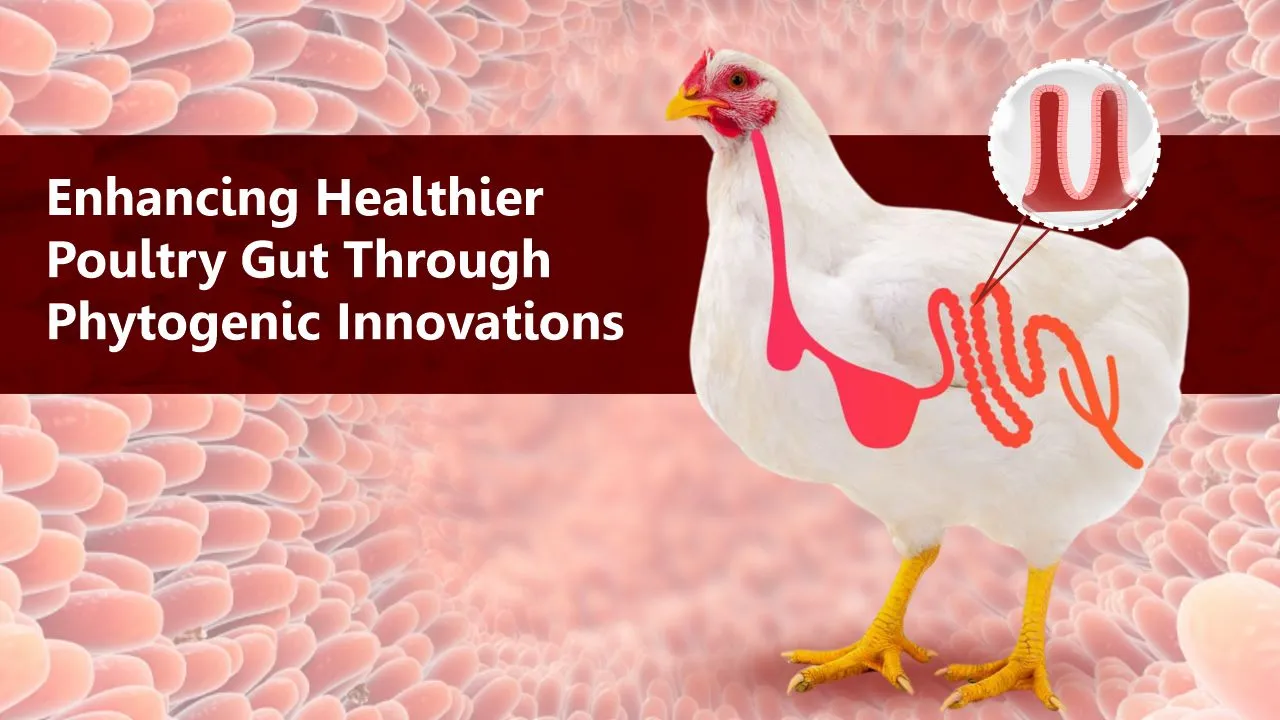
Enhancing Healthier Poultry Gut Through Phytogenic Innovations

Poultry gut health diarrhea solutions vinayak ingredients

Poultry diarrhea is a common yet significant health challenge in the poultry industry which affects the productivity, growth, and overall health of birds. It is identified by watery, loose, or abnormal droppings that can lead to dehydration, nutrient loss, and poor feed conversion efficiency. This condition not only impacts the health and welfare of birds but also poses economic concerns due to higher treatment costs and reduced productivity rates. Moreover, wet litter resulting from diarrhea can lead to secondary complications like footpad dermatitis and ammonia build-up which further exacerbate management challenges.

Major causes of diarrhea in poultry:

Infectious

  • Bacterial : E. coli, Salmonella spp., Clostridium perfringens, and Campylobacter jejuni
  • Viral: Adeno virus, Reo virus, Rota virus, Newcastle disease (ND) virus, avian influenza virus (AIV) and infectious bronchitis virus (IBV)
  • Parasitic: Coccidiosis caused by Eimeria spp.

Non-infectious

  • Environmental and Management
  • Nutritional
  • Metabolic


The Hidden Consequences of Diarrhea in Poultry:

  • Dehydration: Diarrhea causes excessive fluid loss, leading to dehydration. Dehydrated birds become weak and lethargic.
  • Reduced Productivity: Chronic diarrhea reduces nutrient absorption, leading to poor growth in broilers, decreased egg production in layers, and reduced meat quality, resulting in substantial economic losses for poultry farmers.
  • Disease Transmission: Diarrhea can be a symptom of underlying diseases, and infected birds can quickly spread these illnesses throughout the flock, leading to widespread issues.


Dropping Colour Coding the Cause of Diarrhea

Poultry droppings color poop chart

Current Approaches to Address Poultry Diarrhea:

  1. Probiotics
    Probiotics restore gut microbiota balance, enhance intestinal integrity, and suppress harmful pathogens. Lactobacillus plantarum and Bacillus subtilis have been found to reduce diarrhea caused by pathogens like Salmonella and Eimeria.
  2. Prebiotics
    Prebiotics act as food for beneficial gut bacteria, promoting their growth and activity. Mannan-oligosaccharides (MOS) and beta-glucans are commonly used to improve gut health and reduce diarrhea.
  3. Organic acids
    Organic acids (e.g., citric acid, lactic acid) lower gut pH, creating an environment unfavorable for pathogens.
  4. Vaccination and Anticoccidials
    Vaccines against Eimeria and other pathogens help prevent diarrhea caused by coccidiosis.
  5. Phytogenic Feed Additives (Herbs and Essential Oils)
    These plant-based compounds have antimicrobial, anti-inflammatory, and gut-stimulating properties.


While the use of antibiotics is crucial, its overuse or misuse leads to antimicrobial resistance (AMR). The increased AMR can impact the effectiveness of antimicrobials against pathogens. To manage this condition, Food Safety and Standards Authority of India (FSSAI) released an amendment on 17 October 2024 stating that the use of some antimicrobials for the production of animal-based food products is not permitted. Also, the authority has changed the Maximum Residual Limits of antimicrobials in food-producing animals. These new regulations will be enforced from 1 April 2025.

Importance of Phytogenic Compounds:

Supplementation with phytogenic feed additives has been shown to protect birds from various environmental threats leading to impaired intestinal barrier function. Phytogenic feed additives have the potential to improve the overall structure of intestinal mucosa as well as gut barrier function on a molecular level. It also helps in better nutrient absorption which leads to an improvement in the overall health of chicken.

REDUCE POULTRY DIARRHEA NATURALLY USING

DIARRELIF is the mixture of appropriately selected herbs and their blends, which positively reduce diarrhea in poultry. The biologically active components in each herb help to treat diarrhea in poultry by stimulating the natural defence mechanism of the intestinal epithelium, without any side effects on the poultry’s health. It stimulates the gut microbiota in poultry by supporting the growth of beneficial bacteria and reducing the count of pathogenic microorganisms. The main phytoconstituents in the herbal extract are responsible for antidiarrheal activity, which increases colonic water and electrolyte reabsorption and inhibits intestinal motility. It also maintains the gut integrity to retain proper digestion, absorption, and assimilation of nutrients and ultimately reduces diarrhea. Natural fibres present in DIARRELIF help relieve mild to moderate diarrhea. It soaks up a significant amount of water in the digestive tract, making stool firmer and slower to pass. The natural composition of DIARRELIF makes it an effective natural solution for diarrhea in poultry.

Benefits
  • It helps increase the integrity of the digestive tract.
  • Regulates peristaltic movements.
  • Retains excessive fluid in the digestive tract.
  • Act against a wide range of gastrointestinal pathogens.
  • Acts as an antioxidant.
  • Exhibits anti-inflammatory effect in the intestinal lumen.


“Healthy guts in a phytogenic way”

*References on request

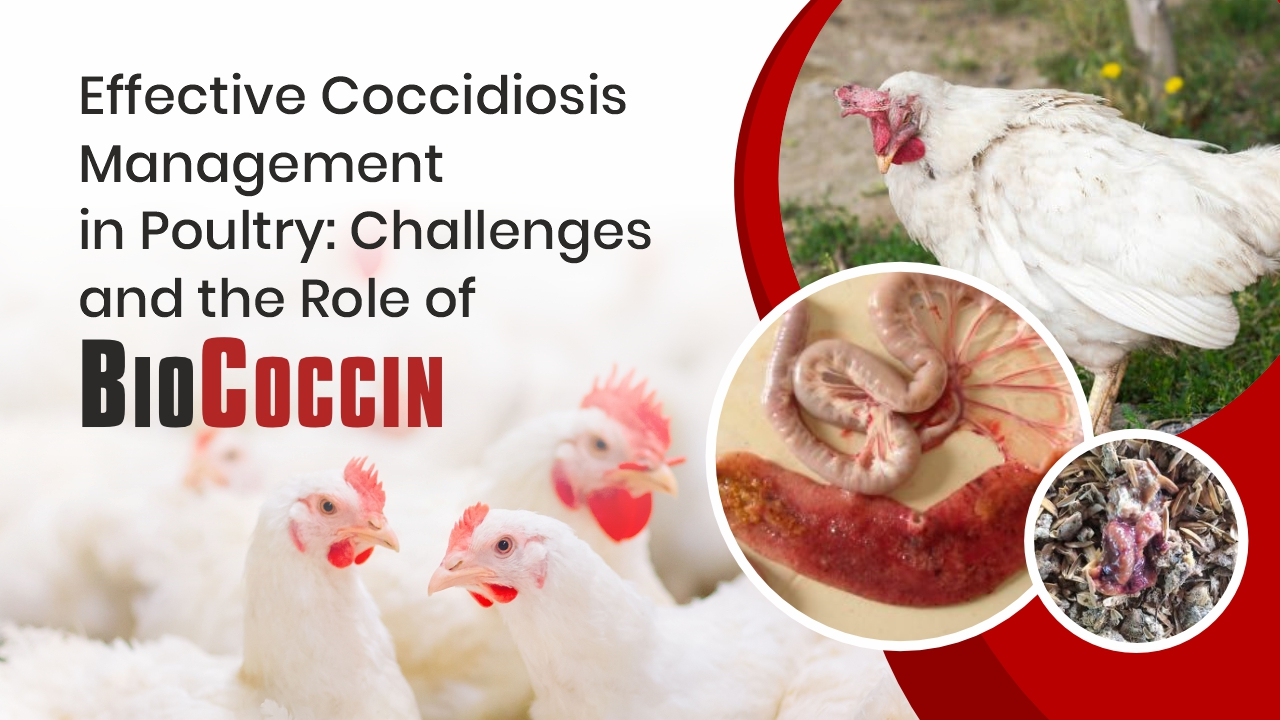
Effective Coccidiosis Management in Poultry: Challenges and the Role of BIOCOCCIN

Effective Coccidiosis Management in Poultry Challenges and the Role of BIOCOCCIN

The poultry industry faces various health challenges, with diseases being a constant threat to flock growth and profitability. Infectious diseases like avian influenza, Newcastle disease, infectious bronchitis, coccidiosis, and salmonellosis as well as non-infectious issues like nutritional deficiencies and managemental disorders impact flock health. Notably, Coccidiosis is one of the most significant parasitic diseases caused by protozoa of the Eimeria species, adversely affecting the productivity and economic growth of poultry farmers.

Eimeria is ubiquitously present in almost all poultry farms but becomes clinically significant after ingestion of a large number of sporulated oocysts by poultry. It can spread easily through feed, dust, water, caging systems, equipment as well as by insects and rodents.

Impact of Coccidiosis on Poultry

Eimeria infection affects the mucosal cells of the host increasing membrane permeability, eventually impacting digestion and absorption of protein and other nutrients. This causes diarrhea and hemorrhage in extreme conditions. Coccidiosis in poultry also reduces weight, and feed conversion rate, and increases mortality, leading to significant losses in productivity and profitability.

Understanding Coccidiosis in Poultry

Coccidiosis in poultry is caused by Eimeria, a eukaryotic, host-specific, unicellular protozoa that infects the intestinal epithelium of poultry. Seven species of Eimeria that are infective in chicken include (E. acervulina, E. brunetti, E. maxima, E. mitis, E. necatrix, E. praecox and E. tenella). Among these, Eimeria tenella (ceca), Eimeria brunetti (lower small intestine, rectum, ceca, and cloaca), and Eimeria necatrix (proximal and mid portions of the small intestine) are considered more infectious in chickens than other species.

Species of Eimeria And Site of Infection


Different species of Eimeria and their site of infection in poultry and livestock – Vinayak Ingredients

Life Cycle of Eimeria

Eimeria is transmitted by oral-faecal route. The life cycle of Eimeria consists of two distinct stages –

The exogenous phase (environmental) –

    • Sporogony happens after the oocyte is excreted by the bird. Sporozoite, surrounded by a resistant oocyst wall is the infective form of It is present in sporulated oocysts formed due to the division of protoplasm.

The endogenous phases (inside chicken) –

    • Sporulated oocysts begin to replicate after being ingested by chicken orally. The digestive enzymes and mechanical disruption help to release sporozoites from oocysts inside the intestine of chicken. The sporozoites released invade intestinal cells beginning schizogony, the asexual developmental stage, and developing first generation merozoites which further infects intestinal cells.

    • Gametes are formed after a few numbers of asexual cycles, beginning the development of the sexual stage known as gametogony. The sexual phase ends with the formation and release of oocysts into the intestinal lumen of the chicken which is then excreted in the environment. Oocysts after sporulation in the environment become infective.

Lifecycle of Coccidiosis in poultry and its impact on gut health – Vinayak Ingredients

Intensified poultry farming creates an environment suitable for the survival and spread of Eimeria oocysts, increasing the risk of infection among the flocks. The losses caused by Eimeria infection in poultry show the importance of effective control strategies. Various standard and innovative approaches have been developed to manage coccidiosis in poultry.

Control Methods Used

Traditional methods like anticoccidial medications and vaccines are used for the prevention and treatment of coccidiosis. However, the risk of drug resistance, consumer demand for residual-free poultry products, and increasing cost impact the significance of these methods.  In response to these challenges, natural and cost-effective alternatives have been used due to their safety and sustainability.  BIOCOCCIN is an herbal coccidiostat specifically designed to control Eimeria infection in poultry.

BIOCOCCIN – A Natural Coccidiosis Control

BIOCOCCIN is a phytogenic coccidiostat that helps to control coccidiosis in poultry. It acts on multiple species of Eimeria.  Phyto-molecules present in BIOCOCCIN prevent the release of the Eimeria sporozoites from the oocyst and its penetration in the intestinal epithelium i.e. mainly the Sporogony and Schizogony stages of the Eimeria cycle. It helps to prevent further damage to the intestine, reduces the oocyst shading, and helps to improve recovery from Eimeria infection in poultry.

Mode of Action of BIOCOCCIN 

Mode of action of BIOCOCCIN for controlling coccidiosis in poultry – Vinayak Ingredients.

The Phyto molecules of BIOCOCCIN show anti-inflammatory and immunomodulatory actions which help to improve recovery from coccidiosis in poultry and reduce mortality rates. With BIOCOCCIN, farmers can safeguard their flocks and profits.

Manage Coccidiosis Naturally! Connect with our experts today. Visit us to learn more about BIOCOCCIN.

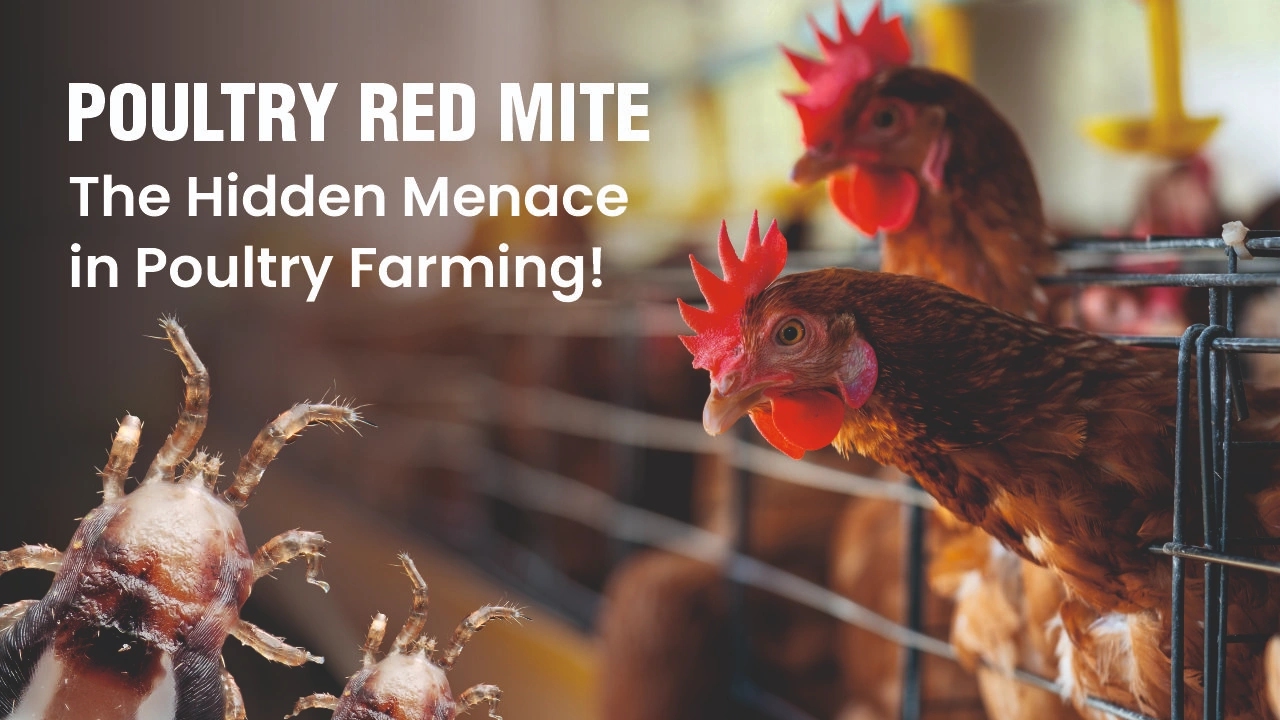
Poultry Red Mite: The Hidden Menace in Poultry Farming!

Poultry Red Mite The Hidden Menace in Poultry Farming

Poultry farming is a rapidly expanding industry vital for meeting the food needs of a growing population. However, economic and production losses can significantly impact its sustainability and profitability. The poultry industry commonly faces economic losses due to the infestation of external parasites. Ectoparasites can cause a range of clinical impacts in poultry flocks, depending on the severity of the infestation. Mite parasites feed on the blood of chickens, while lice feed on dander and feathers. The red mite is more problematic for poultry producers.

Dermanyssus gallinae, the poultry red mite, is a ubiquitously present blood-sucking ectoparasite. They are typically nocturnal feeders that remain hidden during the day in cracks and crevices, cardboard boxes, nests, egg conveyor belts, and transportation cages. Flock infested by poultry red mite impacts the quality and quantity of eggs and meat produced.

The Life Cycle of Red Mites 

In appropriate conditions, the time between egg laying, moulting, and becoming an egg-producing adult is short.  With ideal temperature of 25-30°C and 70% humidity, the poultry red mite life cycle can complete in just 7–10 days, allowing infestations to develop quickly and reach severe levels. Adult poultry red mites can survive for around 9 months without feeding on poultry.

Life cycle of red mites and their impact on poultry health – Vinayak Ingredients.

The poultry red mite goes through five distinct life stages: egg, larva, protonymph, deutonymph, and adult. The final three stages—protonymph, deutonymph, and adult—require blood feeding to support their development and growth. After mating, female mites lay between 4 to 8 eggs per day over a span of three days, contributing to rapid population growth. Generally, a female red mite is reproductively active for about 8 weeks in entire life span.

Impact of Poultry Red Mite Infestation on Flocks 

The consequences of a red mite infestation are far-reaching,

  • Anaemia
  • Retarded growth
  • Stress and irritation
  • Injurious pecking and feather loss
  • Reduced quality and quantity of eggs
  • Increased risk of disease transmission
  • Mortality in severe conditions


The treatments currently used for red mite management include synthetic neurotoxic acaricides like organophosphates and pyrethroids. However, the use of chemicals creates multiple challenges, including the ineffectiveness of active ingredients, mite resistance, undesirable residues in the environment, and unacceptable risks to non-target organisms. To overcome these issues, alternative strategies are required. Among different physical and biological treatments, phytochemicals can be more impactful with less environmental harm.

LIMITER: A Natural Solution for Poultry Red Mite Management 

Limiter is a natural red mite management supplement for poultry. Using a unique combination of plant-derived components, Limiter targets blood-sucking stages of mites with a three-way mode of action:

  • Gustatory Avoidance
  • Olfactory Repellence
  • Contact Toxicity
Natural solutions for effective poultry red mite management – Vinayak Ingredients.

Mechanism of Action of LIMITER

The essential oil in the Limiter acts via two modes of action: first, by competitive inhibition at postsynaptic acetylcholine receptors, preventing normal acetylcholine binding, and second, by inactivating acetylcholinesterase, the enzyme responsible for breaking down acetylcholine. This dual action results in persistent stimulation of muscle cells. The resulting hyperstimulation eventually leads to muscle fatigue, paralysis, and death in red mites.

Mechanism of action of LIMITER for controlling red mites in poultry – Vinayak Ingredients.

By integrating Limiter into a red mite management program, poultry producers can achieve effective, sustainable mite control while minimizing harm to the environment and supporting flock health.

“Boost Poultry Health Naturally—Say Goodbye to Poultry Red Mites with Limiter!”


*References on request*

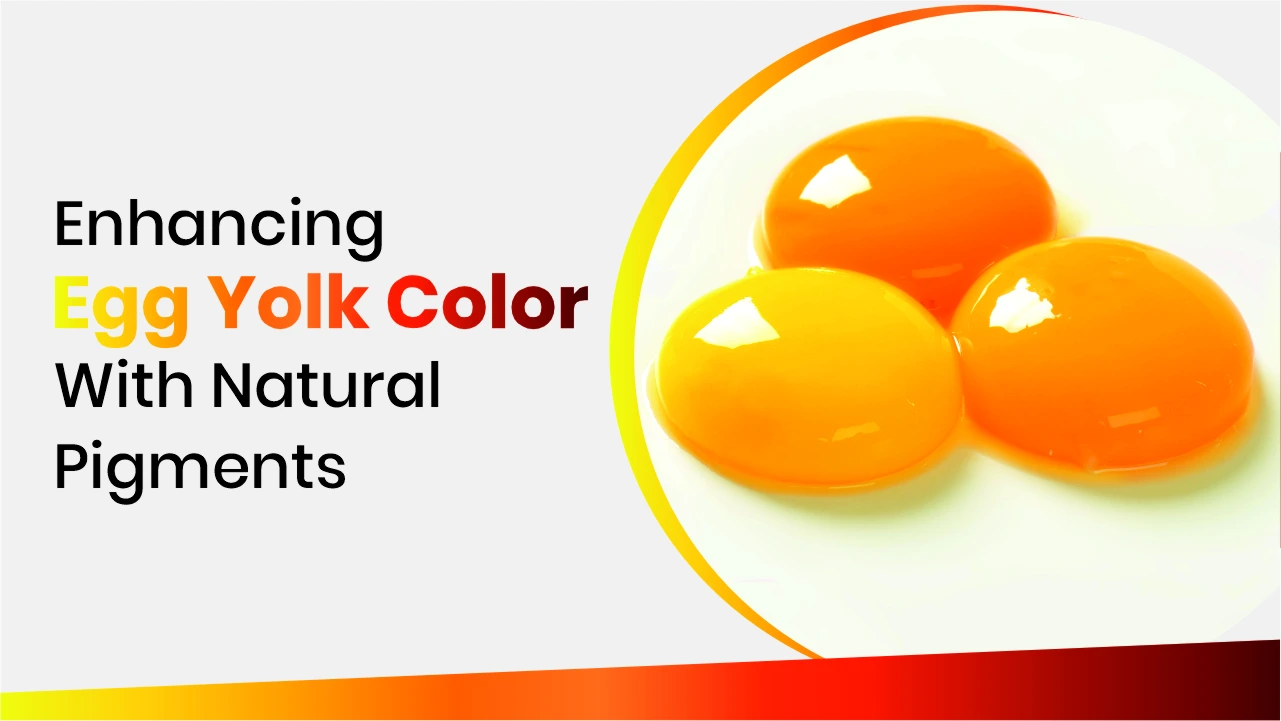
Enhancing Egg Yolk Color with Natural Pigments

Enhancing EggYolk Colour with Natural Pigments

The physical appearance of the food is of great importance for its acceptance and demand in the market for consumers. While considering eggs along with shell color, taste, and appearance, yolk color is one of the most important factors in consumer perception of food quality, it influences consumer behavior and preferences for eggs. Carotenoids act as natural color pigments in a wide variety of organisms, including plants, algae, and some animals. They are responsible for the yellow, orange, and red hues found in fruits, vegetables, flowers, and even animal products like egg yolk and salmon fish.

With the well-known functional properties of carotenoids such as antioxidant and anti-inflammation, fortification and enrichment of edible eggs with carotenoids can increase the content of carotenoids in egg yolk and improve the appearance of eggs. The principle of egg yolk pigmentation relies on carotenoid-rich diets, efficient absorption, and deposition of these pigments into the yolk. As the content of carotenoids in the feed increases, their concentration in the egg yolk rises in direct proportion.

Producers usually control and enhance yolk color by managing and optimizing the hen’s diet to meet consumer preferences and standards.

Yellow and Red Carotenoid Pigments: 

Yellow and red carotenoid pigments for enhancing coloration in aquaculture and poultry – Vinayak Ingredients

Absorption spectra of carotenoid pigments and La Roche scale :

Absorption spectra of carotenoid pigments and La Roche scale for color measurement – Vinayak Ingredients.

The wavelengths of the colours of the carotenoids used for egg yolk pigmentation fall between 400–500 nm (blue-green region) within the visible range of the color spectrum. To the human eye, such compounds are yellow to red. Yellow and orange carotenoids have a wavelength range of 445 to 450 nm, whereas red carotenoids have a wavelength range of 465 to 470 nm.

Absorption and transport of carotenoids to egg yolks:

Like other animals, dietary carotenoids are absorbed by birds through the intestinal mucosa, where they are built into lipoprotein particles and transported via the blood to peripheral organs and tissues including the reproductive system during oocyte development, which results in pigment deposition in the egg yolk.

Key challenges of using synthetic pigments:

Synthetic pigment like apo-ester is most commonly used as a commercial source of color. However, some research data suggest that these substances can negatively affect human health. Hence, a demand for natural alternatives to synthetic pigments, for use in egg and broiler chicken skin colouring, is increasing to mitigate the harmful impacts of synthetic ingredients on consumer health.

Natural Pigments:

Natural sources of carotenoids such as marigolds, lutein, paprika, etc. promote a higher carotenoid concentration, increasing carotenoid deposition in egg yolk and improving egg quality. Natural pigments can be used as a way to substitute the use of synthetic pigment in the diet without affecting performance and the poultry egg quality.

Depending upon the requirement of the intensity of yellow and red color deposition, we have a natural feed additive specifically for poultry, supporting both egg yolk and broiler skin pigmentation.

‘Vin-Yellow’ is obtained from marigold flowers and provides a bright yellow color to egg yolks. These carotenoids are absorbed and deposited in the yolk, giving it a natural yellow shade.

Vin-Red is obtained from Paprika extract and provides a reddish or orange hue to the egg yolk. These carotenoids are absorbed and deposited in the yolk, giving it a natural orange-red shade.

By incorporating ‘Vin Yellow’ / ‘Vin Red’ in the poultry diet, producers can consistently achieve the desired skin and egg yolk color regardless of seasonal changes in raw material availability, ensuring a reliable and appealing product that aligns with the market expectations.

Vibrant Outcomes of Natural Shades in Poultry

*References on request

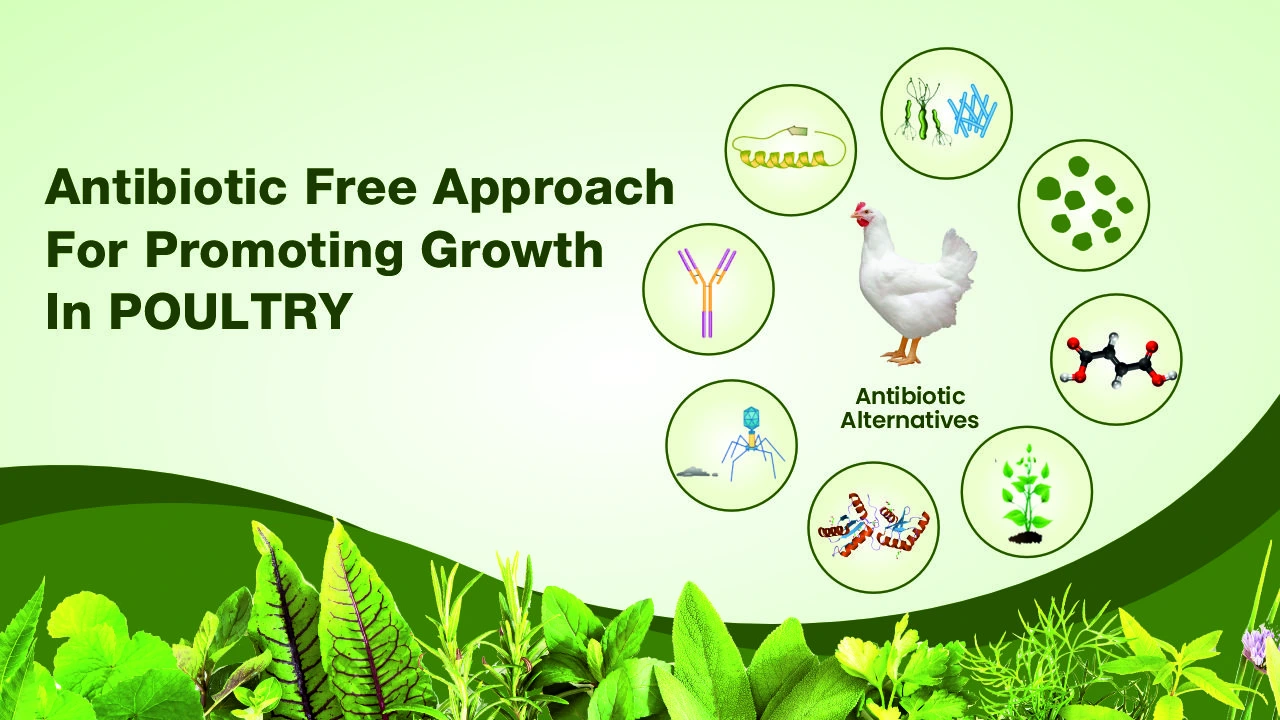
Antibiotic- Free Approach for Promoting Growth in Poultry

Antibiotic- Free Approach for Promoting Growth in Poultry

Growth promoters have been used in the poultry industry for decades to enhance production, promote growth performance and body weight gain, and protect birds from pathogenic microbes. This improvement is observed by increased feed conversion efficiency, stimulation of the immune system, increased overall health, and regulation of the intestinal microflora. Antibiotic growth promoters are also used to fight against infectious pathologies such as necrotic enteritis, coccidiosis, etc. There are different types of growth promoters that have been used in poultry birds, some of them are listed below

Types of growth promoters in poultry:

Probiotics:

These are live microbial feed supplements that are used for balancing the population of microbes in the intestines, preventing digestive problems, and improving the overall health of poultry.

Prebiotics:

Prebiotics stimulate the growth of harmless bacteria by providing energy and other limited nutrients to the intestinal mucosa.

Phytogenic Feed Additives:

Also known as PFAs or botanicals, phytogenic feed additives are added to animal diets to improve performance and productivity. Phytogenics include essential oils, spices, and herbs. These are natural growth promoters.

Organic Acids:

These acidifiers help to lower gut pH in the birds, which in turn reduces the presence of pathogenic organisms.

Vitamins and minerals:

These are used to improve growth as well as feed utilisation, which in turn helps in better production. Certain vitamins also have the ability to reduce weight loss in birds caused by heat stress.

Antibiotics:

Antibiotic Growth Promoters (AGP) involve the use of antibiotics in poultry feed to improve overall growth and feed conversion. It promotes growth by reducing growth-suppressing metabolites caused by microbes.

But these chemically synthesized antibiotics have certain harmful side effects on poultry, environment as well as consumer health.

Side effects of using antibiotic growth promoter:

  • Antibiotic Resistance: Overuse of antibiotics in animals leads to the development of antibiotic-resistant bacteria, which can spread to humans and animals, making infections harder to treat.
  • Public Health Concerns: Resistant bacteria from poultry farms can enter the food chain and environment, posing serious risks to public health.

Spread of antibiotic-resistant bacteria:

Spread of antibiotic-resistant bacteria

Ban on Antibiotic Growth Promoters

Due to the above-mentioned reasons, the World Health Organisation (WHO), along with the World Organisation for Animal Health (WOAH), encourages the health, agriculture, and veterinary sectors to reduce the injudicious use of antibiotics as growth promoters and further decrease the spread of resistant bacteria. The rapid spread of drug-resistant pathogens as well as the emergence of antibiotic-related environmental pollutants is of global concern.

Alternatives to Antibiotic Growth Promoters:

To minimize health risks, poultry farmers have great preferences for antibiotic residue-free chicken, resulting in a shift to antibiotic-free broiler meat production around the globe.

The natural antibiotic alternatives, including probiotics, prebiotics, symbiotics, organic acids, and phytogenics (phytobiotics), including herbs, botanicals, essential oils, and oleoresins, are the feed additives that acquired popularity in the poultry industry following the ban of antibiotic growth promoters (AGPs).

An Effective NATURAL GROWTH PROMOTER:

HERBOFLOXIN

It is a promising alternative to antibiotics in poultry. A unique micro-emulsified formulation of phytoactive ingredients such as Thymus vulgaris, Eucalyptus, Syzygium, and Citronella. Our natural formulation not only helps to prevent the antibiotic resistance but also ensures healthy meat production for consumers. Hence, it effectively replaces the antibiotic growth promoters.

How Does Herbofloxin Work? 

Herbofloxin-Work-Natural-Growth-Promoter

Gut immune response:

It improves the gut’s immune barrier and reduces pathogenic bacteria like Salmonella and E. coli in the gut. The improved gastrointestinal microclimate favors digestibility and uptake of nutrients.

Immune stimulant:

Herbofloxin contains phytomolecules with immunomodulatory effects that stimulate immune organs such as the spleen, thymus, and bursa, improving the number and function of lymphocytes, macrophages, and natural killer cells.

Haematopoietic cell production:

Herbofloxin exhibits a positive effect on the haematopoietic system and improves blood parameters and feed conversion by promoting the activity of digestive enzymes.

Reduces microbial load:

The addition of Herbofloxin to drinking water supports digestion and metabolism in the body, stimulates the growth and development of a useful microbiome, limits the multiplication and adhesion of pathogens, and changes the morphology and functioning of enterocytes. It also helps to reduce harmful intestinal loads and ultimately prevents meat contamination.

Natural growth promoter:

Improves the overall health of poultry by enhancing its nutrient utilization capability.

Benefits:

  • Acts as a natural growth promoter in poultry
  • Improves gastrointestinal microflora by reducing pathogenic bacteria
  • Stimulates immune cell production and immune response
  • Improves blood parameters
  • Balances the pH of gut

For Sustainable Antibiotic- Free Production

*References on request*