icon-globe
Search Connect with us

Understanding the Mechanism of Phytogenic Coccidiostat in Poultry

a white chicken with red comb

Coccidiosis is among the most important parasitic diseases in poultry, leading to intestinal damage, reduction of feeding efficiency, and heavy economic loss. This disease is generally characterized by protozoan parasites belonging to the genus Eimeria that infect the intestinal lining of poultry. It results in infections that cause damage to the intestinal epithelium, impairing nutrient uptake and weakening the immune system, while predisposing birds to secondary infections. This infection impairs growth and feed conversion, leading to increased mortality and higher production costs. Besides impairing growth and feed conversion, it results in increased mortality and higher production costs.

The disease has traditionally been controlled using synthetic coccidiostats; however, the development of resistance by Eimeria species and concerns over residues in poultry products have driven the interest toward finding natural, safe alternatives that are also compatible with organic farming. Thus, phytogenic solutions for coccidiosis have been increasingly sought after in antibiotic-free and residue-free poultry production.

Modes of Action of Phytogenic Coccidiostat:

Inhibition of oocyst sporulation

Many phytochemicals (e.g., tannins, flavonoids, and phenolic acids) are responsible for reducing oocyst sporulation or viability. This mechanism disrupts the lifecycle of the parasite and inhibits its multiplication.

Inhibition of sporozoite or merozoite invasion or replication

Some bioactive compounds may interfere with parasite invasion of epithelial cells. They act by binding to sterols in parasite membranes, thereby disrupting membrane integrity. Some phytogenic products have shown reduced oocyst shedding and lower lesion scores, suggesting interference with parasite replication or lifecycle progression in vivo.

Disruption of parasite cell membranes and metabolic pathways

Phytochemicals that bind to cholesterol/sterol molecules in parasite cell membranes cause leakage or lysis of the pathogenic cell. Some phytogenic compounds may also interfere with mitochondrial function and cell proliferation in the parasite, thereby inducing apoptotic-like death of infected cells. Additionally, the generation of reactive oxygen species (ROS) by phytochemicals may damage the parasite via oxidative stress.

Biococcin: Natural coccidiosis control in poultry

BIOCOCCIN

BIOCOCCIN is a phytochemical mixture derived from various ethnoveterinary herbs, which has a diverse mechanism of action against multiple species of Eimeria. It provides a long-term benefit. The active constituents in BIOCOCCIN suppress the developmental stages in the lifecycle of Eimeria and help control coccidiosis. It is a sustainable solution, providing poultry farmers with a safe, efficient, and environmentally conscious alternative.

Mode of Action:

Benefits of Biococcin 

  • Reduces the number of coccidia and keeps the infection in check till immunity is established
  • Reduces oocyst shedding
  • Decreases intestinal inflammation 
  • Enhances immunity and antioxidant status
  • Improves recovery rate in poultry
  • Reduces mortality rate in poultry

Zearalenone and T2 mycotoxins – Hidden threats in livestock production

Livestock feed safety with natural mycotoxin binders for Zearalenone and T2 toxin control by Vinayak Ingredients

Mycotoxins are secondary metabolites produced by strains of specific fungal species under suitable atmospheric conditions. Mycotoxins can contaminate feed during cultivation, storage, and transport, causing an impact on livestock that consume infected feed. Different mycotoxins are produced by the same fungal species that may have additive, synergistic, or antagonistic effects with other toxins and infectious agents. This reduces the productivity of animals and impacts the farm profits. Furthermore, certain mycotoxins can be transferred through animal-derived food products, posing a risk to human health.

Illustration of mycotoxin impact on livestock health caused by Zearalenone and T2 toxins in animal feed

According to the World Mycotoxin Survey, mycotoxin threats in livestock feed are a global concern. In the edition for January–December 2024, multiple mycotoxins were detected, with more economic impact than in the previous year. Notably, the global prevalence of T2 has increased from approximately 22% to 23%, while that of zearalenone has increased from 52% to 60%, leading to economic losses to farmers. Both ZEN and T-2 are highly stable compounds, capable of resisting heat, storage conditions, and standard feed processing techniques. Their ability to survive harsh environmental and industrial conditions makes them particularly dangerous, as they remain active in feed and continue to exert toxic effects on animals and eventually humans.

Zearalenone

Zearalenone is one of the critical toxins produced by Fusarium fungal species, mainly present in cereal grain-derived products. Zearalenone resembles estrogen and its derivatives and might interfere with estrogen receptors. This leads to decreased fertility, litter size, changes in serum progesterone levels in females, decreased spermatogenesis, libido, testosterone levels, and testicular weight in males. Zearalenone impacts conception, ovulation, implantation, the development of the fetus, and the viability of newborn animals at higher doses.

T-2 toxins

T-2 is from the trichothecene class of mycotoxins, and its toxicity depends on age, dosage, and species. The T-2 toxin produced by Fusarium tricinctum has been linked to a toxicosis in animals fed moldy feed. T-2 toxin inhibits protein and DNA synthesis and weakens immune responses. It mainly targets rapidly dividing cells in the immune system and gastrointestinal tract. Clinical symptoms include feed refusal, weight loss, growth retardation, diarrhea, intestinal hemorrhages, oral lesions, vomiting, and, in severe cases, death.

Management of zearalenone and T2 toxin

Zearalenone and T2 toxin are stable thermally and chemically, making it difficult to eliminate them from feed by using common mycotoxin management techniques, such as heating, fermentation, or irradiation. Other traditional methods, such as chemical degradation or physical separation, might lead to nutrient degradation, palatability issues, and feed safety. To overcome these challenges, mycotoxin binders are widely used in animal nutrition as a practical, safe, and economical solution.

A mycotoxin binder for animal feed is a substance that is used in small quantities to entrap mycotoxins in the gastrointestinal tract. They help to prevent the toxin from entering the animal’s bloodstream via the gut, preventing further damage to animal health. Mycotoxin binders can be inorganic or organic. Inorganic binders, like clays and activated carbon, primarily bind mycotoxins through electrostatic and van der Waals forces, while organic binders, such as yeast cell walls and cellulose, often utilize more specific binding mechanisms, like hydrogen bonding. 

These binders trap harmful toxins without affecting feed nutritive value and animal health. Mycotoxin binders for animal feed are a cost-effective solution to minimize economic damage and improve livestock productivity.


*References on request*

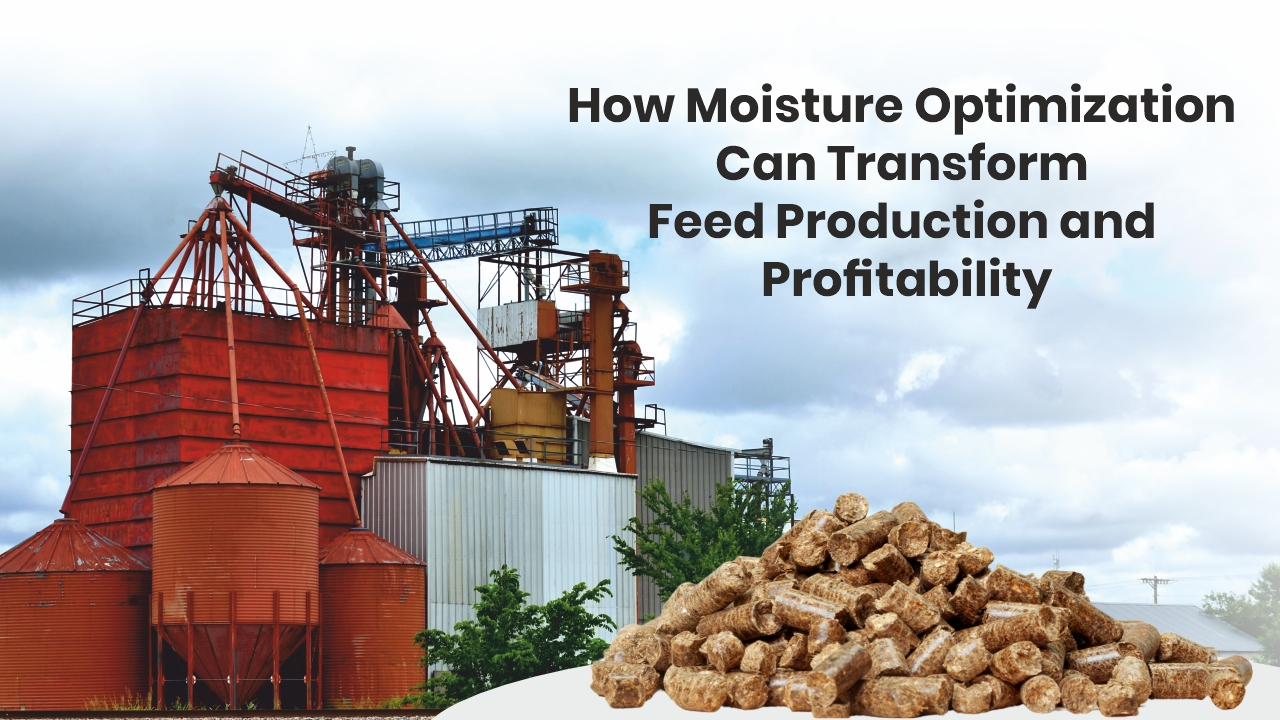
How Moisture Optimization Can Transform Feed Production & Profitability

Retentio ensures efficient moisture retention, improved pellet quality, and sustainable feed manufacturing solutions.

Animal feed producers all over the world try to achieve better nutrient utilization and animal performance by optimal use of resources. Their primary concern is improving the feed mill efficiency and production parameters in order to ensure profitability. The moisture retention in feed is an important indicator associated with feed weight variation which has great economic significance in today’s competitive environment. Although initially, feed raw materials have an average moisture content of 12%, its hammer-mill-crushing, grinding, and ingredient mixing stages let moisture evaporate and thereby decrease the initial moisture content often below 11%. As a result, the moisture content of the finished product is usually between 0.5 – 1% lower than the initial moisture content of the raw materials. This loss needs to be recovered to retain 12% moisture in the finished feed.

Importance of Moisture Retention in Feed

The moisture content of the feed product not only affects the internal and external product quality of the feed but also has a direct impact on the output rate and economic benefits of the product. Optimizing moisture content in the feed is key to ensuring safe, nutritional, high-quality, and consistent animal feed. Sufficient moisture in mash feeds improves particle adhesion, heat transfer, and, ultimately, better pellet quality. Also, selling feed products at moisture content lower than what is necessary leads to unnecessary weight loss of the finished product. Hence, optimization of moisture content in animal feed is of high importance.

Key Aspects of Moisture Optimization in Feed

  • Nutrient stability: Controlling moisture levels helps prevent the degradation of essential components during storage and transportation.
  • Mould and microbial growth: Excess moisture in feed can create a favourable environment for the growth of moulds, bacteria, and other microorganisms.
  • Pellet quality: The moisture content affects the binding and durability of the pellets, influencing their resistance to breakage and dustiness
  • Storage stability: It is important to optimize moisture levels to prevent caking, clumping, and the development of off-odours.
  • Palatability: Optimising moisture levels can enhance palatability, making the feed more appealing to animals and encouraging proper consumption.

Techniques for Moisture Retention in Feed: Benefits and Challenges

Steam Conditioning the feed is one of the methods of feed processing for maintaining appropriate moisture levels. In this method, the feed is exposed to high-pressure steam. This steam improves moisture retention, particle binding, and removal of pathogens in the feed. However, due to the need for specialized equipment, high energy consumption, skilled labour, and maintenance, significantly increases production costs. Additionally, much of the added moisture is lost during the cooling and drying stages, resulting in inefficiencies.

In contrast, powdered moisture retention solutions along with the combination of humectants and moisture retaining additives offer a cost-effective alternative by eliminating the need for expensive infrastructure and energy-intensive processes.

Retentio Logo

RETENTIO is an effective option to improve moisture retention in the finished feed. It reduces the surface tension of water, allowing better penetration and improved distribution. The addition of RETENTIO ensures that the water is evenly distributed throughout the feed material and does not remain only on the surface of the particles. The humectants present in RETENTIO play a vital role in moisture retention in the feed. Also, the activated propionates in RETENTIO, have synergistic mould-inhibiting properties which further assures a long-lasting antifungal effect.

Retentio ensures efficient moisture retention, improved pellet quality, and sustainable feed manufacturing solutions.
“Efficient Feed Moisture Retention with Retentio”

*References on request

REDUCING FEED SCARCITY WITH FRUIT PEEL POWDERS: A SUSTAINABLE SOLUTION FOR LIVESTOCK

Sustainable Animal Feed Peel Powders Vinayak Ingredients

Livestock-producing farmers face the challenge of producing high-quality, healthy products to meet the growing demand for animal protein. They are dependent on animal feed for their animals to perform well and gain weight subsequently leading to increased demand for animal feed. Resource scarcity, environmental factors, and rising feed prices have significantly impacted animal feed production. To meet this high demand for animal feed, efficient use of available feed resources, enlargement of the feed resource base, and a search for novel feed resources, particularly those not competing with human food, are important for sustainable livestock farming.

The increasing processing of fruit and vegetables has led to higher quantities of agricultural by-products. According to a report by Eurostat (2020), around 57 million tonnes of agricultural by-products are produced annually. Around 10% comes from the processing and manufacturing sectors of fresh fruits and vegetables. The by-products like Peels, rinds of fruits, and pomaces contain bioactive components that can be beneficial to improve the quality of animal feed. Unfortunately, a significant portion of these by-products is often discarded, contributing to resource loss and environmental challenges associated with dumping. Therefore, new strategies are needed to utilize these agricultural by-products effectively.

One promising solution to this challenge is the reuse of agricultural by-products, particularly fruit and vegetable peel.  These by-products can replace traditional feed resources in an animal’s diet, due to the presence of nutritive bioactive compounds.  This can help to decrease the scarcity of animal feed resources and reduce environmental impact due to excessive by-product production.


challenges in animal feed production and their solutions vinayak ingredients

The Potential of Peel Powders

Many fruits and vegetables have been increasingly grown mainly for food and other industrial uses. Large quantities of by-products are produced from the processing of these products one of the main components of which is peels. Although a by-product, peels are rich in dietary fiber, vitamins, and minerals, and can be used to enhance the nutritional profile of animal diets.

Citrus peel powder, rich in dietary fiber, vitamins, and minerals, enhances the nutritional value of animal feed. Bioactive compounds like flavonoids and limonoids provide antioxidant and antimicrobial benefits.

Tomato peel powder is an agro-industrial by-product loaded with proteins, fats, minerals, fibers, and antioxidants like lycopene and polyphenols. The higher content of lycopene in tomato peel powder helps to reduce inflammation, acts as an antioxidant, improves fertility, and strengthens the immune system.

With its anti-inflammatory, antioxidant, and antimicrobial properties, pomegranate peel powder is used in medicinal, nutraceutical, and food preservation applications. It acts as a natural meat preservative, extends food shelf life, and is a substrate for industrial enzymes like cellulase and pectinase.


Enhance Animal Health and Performance with Peel Powders

Peel powders offer a cost-effective solution for maintaining balanced animal nutrition while using agricultural by-products. Rich in bioactive compounds like flavonoids, lycopene, and beta carotenoids, peel powders enhance immunological health and overall well-being. Their high fiber, protein, and essential micronutrient content provide the necessary dietary components for animals that,

Benefit of peel powders in animal feed

Benefits of peel powders in animal feed vinayak ingredients

Peel powders derived from agricultural by-products are a sustainable, cost-effective, and nutritionally beneficial solution for animal feed production. By repurposing these by-products, the livestock industry can reduce its dependency on traditional feed resources addressing the challenges of both food waste and feed resource scarcity.


*References on Request*

One More Step Towards food safety – FSSAI limits Antibiotic Use in Food-Producing Animals

The recent increased demand for animal-origin protein has led to an intensification of animal production. Different methods are used to improve the production, Antibiotics are one of them. The overall use of antibiotics has increased recently to improve productivity and profitability. Additionally, antimicrobials are used in huge proportions for treating specific diseases or infections in animals, during stress conditions, to improve immunity, or as general growth promoters.

While the use of antibiotics is crucial, its overuse or misuse leads to antimicrobial resistance (AMR). The increased AMR can impact the effectiveness of antimicrobials against pathogens. This might fail treatment, and increase the severity of the disease impacting animal welfare and eventually leading to economic losses. The excess use of antimicrobials in food-producing animals increases the risk of the spread of AMR toward important pathogens in human beings consuming these food products. It can be transmitted via the food chain or environmental factors. According to the WHO report of 2019, it is assessed that AMR was directly responsible for approximately 1.27 million global deaths and was indirectly responsible for around 4.95 million deaths.

India has taken a significant step to reduce the impact of AMR by introducing new regulations. Food Safety and Standards Authority of India (FSSAI) released an amendment on 17 October 2024 stating that the use of some antimicrobials for the production of animal-based food products is not permitted. Also, the authority has changed the Maximum Residual Limits of antimicrobials in food-producing animals. These new regulations will be enforced from 1 April 2025.

According to old regulations, the use of antibiotics was forbidden only during food processing. However, the new rules prohibit the use in the entire production cycle. This supports the efforts of FSSAI to enhance food safety and reduce AMR. Along with meat, poultry, eggs, and aquaculture products, antibiotics are also banned in milk, and milk products to improve food safety.

Antibiotics that have been completely prohibited to use in food animal production:

Classes of antibiotics

  • Glycopeptides,
  • Nitrofurans,
  • Nitroimidazoles

Specific antibiotics

  • Carbadox,
  • Chloramphenicol,
  • Colistin,
  • Streptomycin (and its metabolite dihydrostreptomycin),
  • Sulphamethoxazole,

The amendment also updates the list of tolerance limits of antimicrobials and other veterinary drugs in food from animal sources. Specifically, six new antibiotics, amoxicillin, cephalexin, gentamicin, penicillin G/ benzylpenicillin, sulfamethazine, and sulfadimethoxine have been added to the existing list of antibiotics.

The ban on antimicrobial use and strict testing by the authorities can help to reduce the spread and impact of AMR. By prohibition of antibiotics, India aims to support the global efforts of the World Health Organization (WHO) to reduce the risk of AMR and promote sustainable food production.

Along with prohibitions of antibiotics, there is a need for the development of new alternatives for growth and disease prevention in animals. Natural products can be good alternatives for the same. Natural components like plant-based phytochemicals, essential oils, probiotics, and other bioactive compounds show antimicrobial, anti-inflammatory, and immune-boosting properties supporting overall welfare while maintaining food safety.

Incorporating natural solutions and maintaining regulatory compliance into animal farming practices can help reduce AMR while protecting animal health.

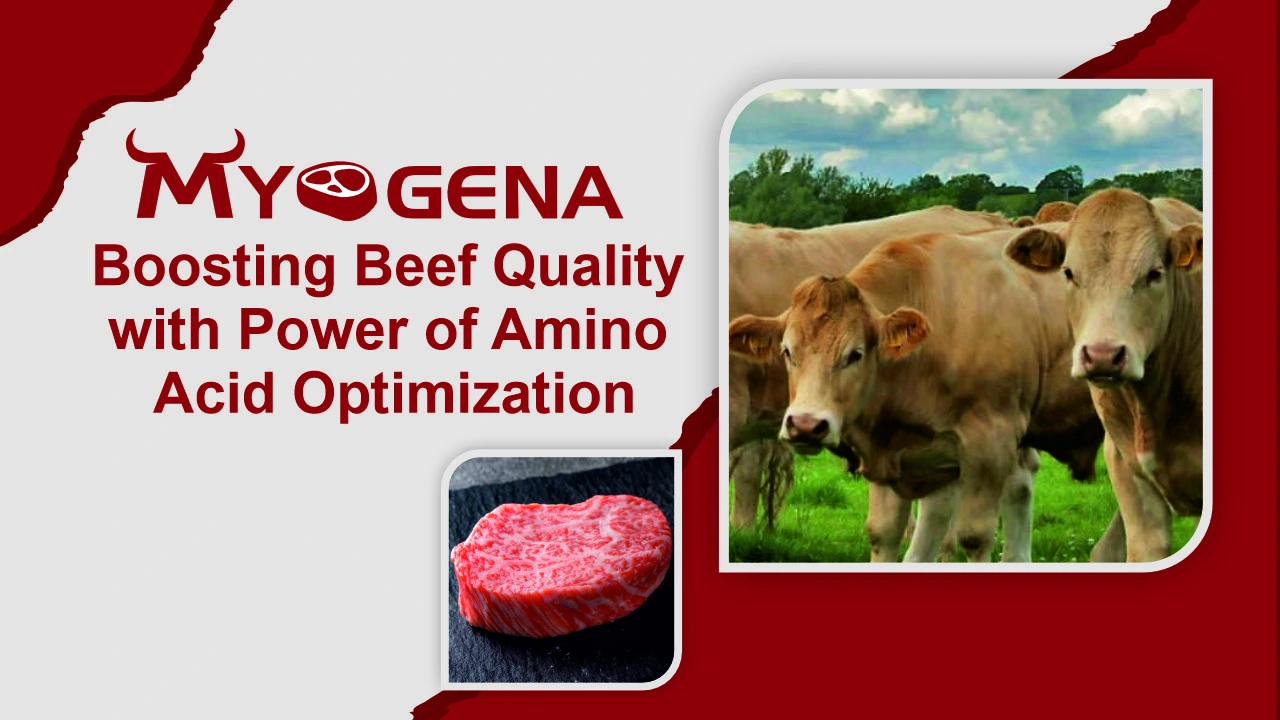
MYOGENA – Boosting Beef Quality with Power of Amino Acid Optimization

MAYOGENA Boosting Beef Quality with Power of Amino Acid Optimization

In countries like the United States, where beef is a staple in the culinary culture, the beef quality is crucial. When included as part of a healthy and varied diet, beef can provide a rich source of high biological value protein and bioavailable essential nutrients. Their principal constituents are proteins (containing amino acids essential to human health) and fats including saturated fatty acid, unsaturated fatty acid, cholesterol, triacylglycerol, and phospholipids with a substantial contribution of vitamins mainly those of the B complex and minerals primarily iron and zinc.

Understanding the Importance of Beef Quality

Nowadays consumers are very much aware of nutrition and health resulting in increased demand for healthier meat products that are low in fat, and cholesterol. This is mainly due to the relationship between the consumption of saturated fats (SFA) and high serum cholesterol with related increase in probability of acquiring diseases such as obesity, high blood pressure, cancer, and heart disease.

Beef quality is predominantly assessed by factors such as colour, tenderness, and flavour, with marbling being the most critical attribute. Balancing lean growth and marbling is essential for price optimization in beef markets. If the producer wants to compete in beef cattle industry for long term, the efficient production of palatable lean beef must be a primary objective. Beef meat is considered lean when 100 grams of beef contain less than 10 grams of fat, less than 4.5 grams of saturated fat, and less than 95 milligrams of cholesterol.  Marbling is defined as the appearance of visible white flecks or streaks of Intramuscular fat that have a positive relation with sensory traits of meat, which include its  juiciness, colour, tenderness and taste.

USDA Standards

Beef Quality

Different grades of beef mainly indicate the amount, regularity, and quality of marbling or fat interlaced within the muscles. The United States Department of Agriculture (USDA) grading system features eight different grades for beef. Across almost every cut of beef carcass, Prime has the highest marbling content  while choice is an easily accessible option.

Industry faces Various challenges to design and develop new technologies that will allow production of lean beef with appropriate marbling. This will require higher lean tissue deposition and extensive redirection of feed energy from fat to protein deposition through all phases of growth.  Growth regulators function by reducing fat deposition. Due to significant relationship between fat deposition and marbling exists, a reduction in marbling and resulting quality grade can be expected when fat is reduced. However, its impact on acceptability, shear force, palatability, and tenderness is less than expected.

FACTORS AFFECTING BEEF COMPOSITION –

FACTORS AFFECTING BEEF COMPOSITION

Among other factors, body composition can be influenced by managing nutrition of animal. The control of feed intake is a particularly exciting and rapidly growing field.  Changes in the diet of ruminants can lead to major differences in composition of edible tissues.  Various phytochemical feed additives, are used to improve marbling and promote lean meat production.


MYOGENA – The Phytogenic Feed Supplement for Lean Beef production

MYOGENA is a phytogenic supplement for lean beef production that helps to maintain healthy body condition score, lean muscle gain, and appealing carcass qualities. It acts as protein optimizer and improves protein turnover along with the upregulation of fat metabolism.

How Does Myogena Work?

mayogena-cattle-Work

MYOGENA stimulates insulin-like growth factor-1 (IGF-1), which enhances skeletal muscle accretion in beef cattle, leading to improved growth rates and increased carcass weight. On the adipose and muscle cell receptors, MYOGENA triggers lipid and protein mobilization and metabolism, that channelizes intra muscular fat deposition and supports lean muscle development. It helps in lean beef production, improves FCR and dressing percentage in beef cattle.

As the beef industry evolves, MYOGENA is essential for staying competitive and delivering exceptional quality to consumers.

MYOGENA – where quality, health, and profitability meet!

*References on request*

SHELLVIN: BOOSTING EGGSHELL INTEGRITY FOR OPTIMAL POULTRY PRODUCTION

Shellvin: Boosting Eggshell Integrity for Optimal Poultry Production

The eggshell is an important structure of an egg, as it forms an embryonic chamber for the developing chick, providing mechanical protection, a controlled gas exchange medium and it is a container for the market egg, providing protection of the contents from pathogens and a unique package for a valuable food. Balancing proportion between calcium, phosphorus, vitamin D3, and the hormonal system in calcium metabolism during egg formation is important for Eggshell quality.


COMPOSITION OF THE EGGSHELL

The eggshell contains about

  • 94- 97% calcite (calcium carbonate mineral)
  • 2% organic matrix (proteins)

The complex structure of the eggshell is the end result of the interaction between calcium carbonate crystals and organic matrix molecules.

Key organic matrix proteins like ovocleidin-17, ovotransferrin, and osteopontin play important roles in regulating mineralisation, crystallographic texture and biomechanical properties of eggshell.

Eggshell cracking is one of the major concerns for the farmers as it causes pathogenic contamination and economic loss throughout the world. Estimates for the incidence of broken eggs in commercial production range from 6 to 8% of all eggs produced which have a negative impact on the profitability of any egg producer. However, incomplete hairline-cracked eggs are less obvious upon visual inspection and may inadvertently be used in commercial poultry which can lead to reduced hatchability and increases risk of contamination.

There are also external egg quality issues related to other shell defects like rough shells, misshapen eggs, body-checked eggs, shell-less eggs and stained or dirty floor eggs which do not necessarily result in egg breakage but give rise to increased risks of contamination along with lower hatchability and consumer acceptance.

FACTORS AFFECTING EGG SHELL QUALITY IN POULTRY –

Key factors affecting eggshell quality in poultry for optimal egg production – Vinayak Ingredients.

Inadequate calcium intake and the factors affecting availability of essential organic matrix proteins can lead to degradation in egg shell quality. Approximately 60 to 75% of shell calcium (Ca) is derived directly from the diet. While calcium is important for eggshell formation, the role of organic matrix proteins like ovocleidin-17, ovotransferrin, and osteopontin is also significant. These proteins are crucial for the appropriate mineralization and structure formation of the eggshell, ensuring its strength and quality. The availability and activity of these proteins, along with minerals like phosphorus, zinc, manganese, and vitamin D are key factors that can greatly enhance eggshell quality. Improving these proteins’ effectiveness along with calcium supplement can lead to stronger and more resilient eggshells.

IMPROVE EGG SHELL QUALITY WITH SHELLVIN….

SHELLVIN is an organic egg shell supplement for poultry which helps overcoming calcium deficiencies, positively influences the formation of the shell ultra-structure. It contains organic calcium, shell enzyme co-factors, vitamin D3 absorption enhancer, and a precursor of the organic matrix of shell along with minerals which helps to decrease eggshell cracking. SHELLVIN triggers the organic constituents (proteins) of the egg shell matrix to modify the morphology of calcite crystals which eventually improves the texture and reduces thin egg shells in poultry.                  

BENEFITS –
Shellvin benefits for improving eggshell strength and quality in poultry – Vinayak Ingredients.

Ensure stronger eggshells and healthier hens with SHELLVIN!

*References on request*

Revolutionizing Poultry Health and Consumer Nutrition With Alphalinomega

Alphalimega Revolutionizing Poultry Health and Consumer Nutrition

Essential fatty acids are gaining important not only for improving the health and productivity of animals and humans but also because our health-conscious society prefers properly balanced diets to minimize adverse health issues.  Among various fatty acids, omega-3 (ω-3) fatty acids are proving indispensable for numerous beneficial health functions.

WHAT ARE OMEGA-3 FATTY ACIDS?

Omega-3 fatty acids are a group of essential polyunsaturated fats that are critical for various biological, physiological, developmental, reproductive, and many other health functions.  The three important omega-3 fatty acids are –

  • Alpha-linolenic acid (ALA),
  • Eicosapentaenoic acid (EPA),
  • Docosahexaenoic acid (DHA).

These fatty acids play crucial roles as components of the phospholipids forming the structures of cell membranes. Retina (eye), brain, and sperm cells contains high DHA levels. Along with this, they act as source of energy and have wide-ranging functions in the cardiovascular, pulmonary, immune, and endocrine systems. Researchers have seen remarkable benefits of omega fatty acids in cardiovascular diseases, rheumatoid arthritis and diabetic conditions in humans.

Health benefits of Omega-3 fatty acids for improved nutrition and well-being – Vinayak Ingredients.

WHY ARE THEY ESSENTIAL?

ALA is considered essential fatty acid, as it must be obtained from the diet. ALA can transform into EPA and then to DHA , but this  conversion is limited—only 1-10% of ALA typically turns into EPA, and just 0.5-5% into DHA. Hence, direct consumption of EPA and DHA from dietary sources is the most practical way to elevate levels in the body.

WHO recommends 0.3 to 0.5 g per day of EPA + DHA and 0.8 to 1.1 g per day of ALA as a dietary inclusion level of omega-3 fatty acids for a healthy person. But due to current food habits there is reduction in the daily intake of omega-3 fatty acids than recommended amounts. Across the world humans are finding ways to incorporate rich omega sources in diet, however due to the seasonal availability, affordability and consumers’ preference, they are inclined in search of an alternative which satisfy their preferences.

Among other sources available, enriching poultry products with omega fatty acids is more beneficial as the global consumption of poultry meat and eggs has continued to accelerate in recent decades, due to their monogastric feature, wide availability, short rearing cycle, and low cost.  Also, poultry is an excellent feed converted channelling nutrients from feed into eggs and meat quickly, efficiently, and with relatively low environmental impact. The omega fatty acid content in poultry can be significantly improved by supplementing their diets with rich sources like flaxseed, safflower oil, fish oil, fish meal, or algae/algal oil.

Natural sources of Omega-3 fatty acids for enhanced nutrition and health – Vinayak Ingredients.
HOW OMEGA FATTY ACID ARE BENEFICIAL FOR POULTRY?

Dietary supplement of Omega fatty acid in poultry –

  • Supports Skeletal Development.
  • Improves Weight and Carcass Quality by enhances Feed Conversion Ratio (FCR).
  • Boosts Antioxidant Properties and prevents inflammation.
  • Enriches Fatty Acid Profile of meat and eggs.
  • Enhances Reproductive Performance:
  1. Reduces embryonic mortality.
  2. Enhances fertility and hatchability.
  3. Improves sperm quality and quantity.
  • Improves Egg Quality:
  1. Improves egg size and shell quality.
  2. Enriches yolk fatty acid composition.
ALPHALINOMEGA –

The enrichment of omega-3 fatty acids in poultry is directly linked to the amount provided via diet.ALPHALINOMEGA is an omega fatty acid supplement for omega fortified chicken and eggs. It is an innovative poultry feed supplement that contains major essential fatty acids and can be easily administered via water. ALPHALINOMEGA also helps in high absorption of omega fatty acids (up to 98%) and improves FCR , leading to better weight gain, and improved overall health of the poultry.

ALPHALINOMEGA—the smart choice for omega-3 enrichment that benefits both your flock and your customers!

*Reference on request

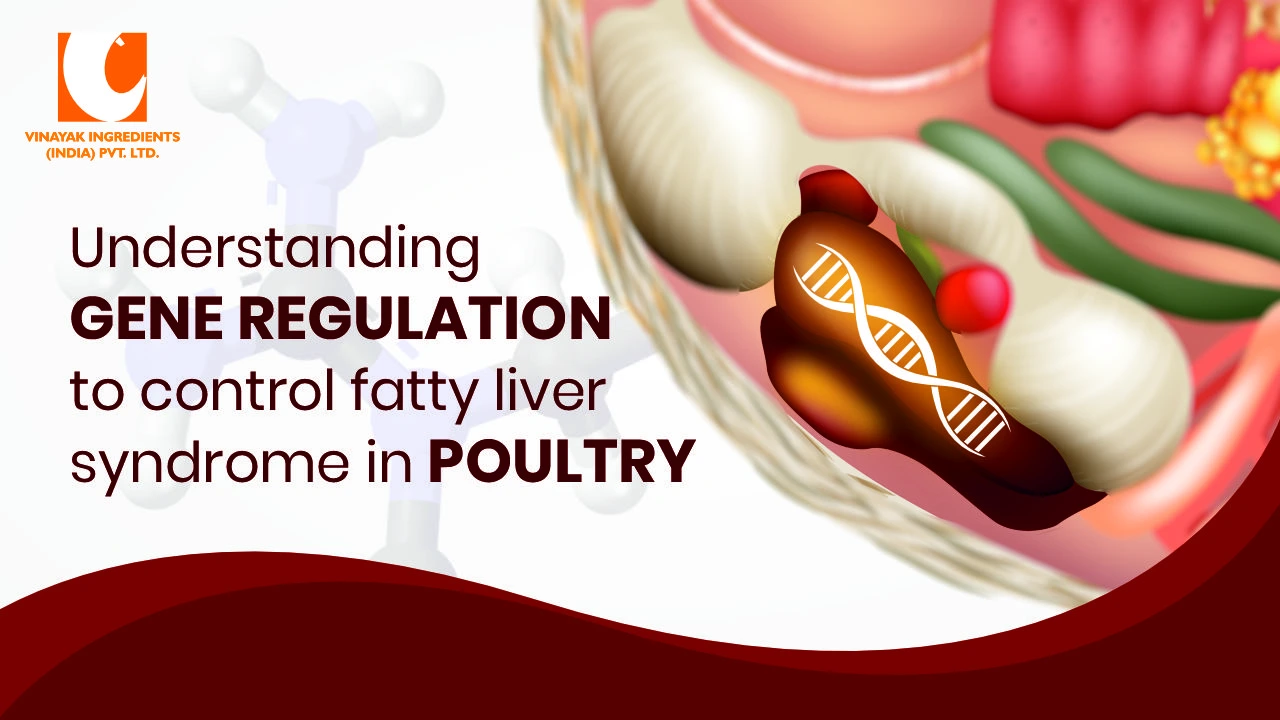
Understanding the Gene Regulation to Control Fatty Liver Syndrome in Poultry

Understanding the Gene Regulation to Control Fatty Liver Syndrome in Poultry

Choline is an essential nutrient in poultry and plays a major role in combating fatty liver syndrome. Please refer previous blog for more details on fatty liver syndrome in poultry
Biochemical functions of Choline:

Biochemical functions of Choline

Let’s Understand the Metabolism of Choline:

Dietary choline is metabolized by two distinct biochemical pathways: the one-carbon metabolism pathway and the CDP-choline pathway. In the one-carbon metabolism pathway, choline is converted into a methyl donor, whereas in the CDP-choline pathway, it is converted into phosphatidylcholine through the action of various enzymes.

Metabolism of Choline
Phosphatidylcholine is one of the phospholipids, which is composed of a glycerol backbone linked to two fatty acid chains, a phosphate group, and a choline molecule. It is packed in lipoproteins (VLDL) in the liver and transported to the body’s various organs. Hence, phosphatidylcholine plays an important role in fat transportation. Maximum phosphatidylcholine formation may alleviate the severity of fatty liver syndrome in poultry. This can be achieved by elevating the CDP-choline pathway and downregulating the genes involved in one-carbon metabolism.

Genes encoding the enzymes in one-carbon metabolism:

  • Chdh encodes Choline dehydrogenase (CHDH)
  • Mat 1a encodes Methionine adenosyl transferase 1A (MAT 1A)
  • Bhmt encodes Betaine-homocysteine methyl transferase (BHMT)
  • Pemt encodes Phosphatidylethanolamine methyltransferase (PEMT)


What if the expression of these genes are downregulated?

It will result in…

  • Reduced influx of choline through a one-carbon metabolism pathway, hence enhancing the access to choline required in other pathways such as CDP-choline.
  • Maximum metabolism of dietary choline through the CDP-choline pathway, hence increasing the formation of phosphatidylcholine.
  • Improved lipoprotein transport, which will lead to reduced fat accumulation in a bird’s liver.

Thus, by downregulating the genes involved in the one-carbon metabolism of choline, maximum free choline will be available to metabolize through the CDP-choline pathway. It will ultimately synthesize phospholipids, primarily phosphatidylcholine, and phosphatidylethanolamine in the liver.

To regulate this gene expression in fatty liver syndrome, choline is been used but it has certain key challenges hence natural plant-based alternative can be a great option

Vincholine logo – Vinayak Ingredients' solution for optimal choline nutrition in animal feed

VinCholine is a “natural source of plant-derived Choline conjugates” that helps to regulate fatty liver syndrome in poultry. It is a natural product with no harmful side effects on poultry health, which can replace synthetic choline in feed. The phytoactive compounds in VinCholine have an action to improve liver physiology and metabolism and ensure maximum bioavailability. The essential fatty acids, phospholipids, and other metabolites play a significant role in the metabolism and biosynthesis of a natural form of choline. It is an excellent product with the action of enzymatic modulation that regulates lipid metabolism and plays a significant role in the mobilization of excess abdominal fat.

It effectively enhances the development; performance, and creativity and improves the zootechnical aspects of the poultry birds.

*References on request

Empowering Poultry’s Respiratory Defence Mechanism Naturally

MucoFort, a natural poultry respiratory health supplement by Vinayak Ingredients, a top manufacturer of feed additives. Supports respiratory defence against CRD, NCD, and IB with phytomolecules and essential oils for sustainable poultry care.

The intensive rearing practices of commercial poultry operations and the unique anatomical and physiological features of the respiratory tract of poultry species render them highly susceptible to respiratory infections with a broad range of microbial pathogens. The losses incurred by respiratory diseases in particular account for the majority of the economic burden associated with poultry production performance including reduced growth rate, less egg production, poor carcass quality, and low-quality meat, which is a significant threat to global health. Their high prevalence, wide range of mortality, as well as morbidities cause significant economic losses.

Common respiratory diseases in poultry-

  • Chronic Respiratory Disease (CRD)
  • Newcastle Disease (NCD)
  • Infectious Bronchitis (IB)
  • Avian Influenza (AI)
  • Infectious laryngotracheitis (ILT)

Causative agents-

  • Predisposing agents (dust, ammonia, etc) of an environment.
  • Poor ventilation
  • Heat stress
  • Overcrowding
  • Viral, bacterial, fungal, or mycoplasma infections.
Symptoms –
  • Sneezing.
  • Difficulty in breathing.
  • Nasal exudate.
  • Discharge from the eyes and nostrils.

Poultry’s Defence Mechanism

Identifying symptoms of respiratory diseases in poultry and natural solutions by Vinayak Ingredients for improved respiratory health.
A natural approach to improving poultry respiratory health and defense mechanisms with Vinayak Ingredients' feed additives.

The trachea of avian lungs is covered with a mucous membrane that has a lining of ciliated pseudostratified columnar epithelium with mucus-secreting “goblet cells”. Poultry’s natural defence mechanism provides a protective role by trapping dust particles and other debris with the help of cilia before they reach the lungs and is further moved in the direction of the larynx from where it is expectorated, called a mucociliary escalator or swallowed.

During Upper and lower respiratory tract inflammations, inflammatory exudates contain mucin, inflammatory cells, cellular debris, and the deposition of fibrinous exudates. Fibrinous and mucoid debris become solid and dry on the discharge from the respiratory system. After it dries, birds experience a severe lack of oxygen in the blood; oxygen deprivation because of problems associated with expulsion of the substance through normal respiratory and coughing mechanisms.

  • Sometimes natural defence system of poultry cannot effectively function, if it is saturated with too much dust, paralyzed by excess ammonia concentration, or destroyed by a viral infection, which causes excessive mucus secretion and blocks the airway in the trachea. It may cause the death of birds.

  • Common solutions for such diseases are antiviral, anti-inflammatory, and antibiotic drugs that can lead to antibiotic resistance, which has become a major cause of concern. In place of antimicrobials and antibiotics, plant extracts or essential oils are being examined for their ability to enhance poultry production, particularly for their ability to enhance the avian immune system, enabling them to naturally control infection. Plant photoactive compounds can be used as natural non-antibiotic growth promoters in chickens where resistance problems are inevitable.

How do Phytomolecules boost poultry’s respiratory system naturally?

The phytoactive compounds derived from essential oil are rich in phenolic compounds, which smooth tightened muscles, hence act as decongestants, and also stimulate the response of the respiratory system naturally. They not only thin out the mucus but also facilitate its removal from the airways. As a result, the airways are cleared, and breathing during inflammation becomes easier. Essential oils can also protect the integrity of respiratory cilia in the presence of pathogens such as Mycoplasma gallisepticum and respiratory viruses.

Exhibit following properties –
  • Anti-microbial
  • Anti-inflammatory
  • Antioxidant
  • Immunostimulant
  • Mucolytic and Expectorant

MucoFort

Discover the benefits of MucoFort, a natural poultry respiratory tonic by Vinayak Ingredients, designed to support respiratory health and improve bird immunity.

A natural preparation of MucoFort helps respiratory cells by releasing mucolytic and fibrinolytic substances; it also enhances the secretion of more mucous from goblet cells to liquefy the thick mucoid material from the respiratory tract. Its decongesting properties provide instant relief. It is a natural tonic that replaces synthetic drugs and ensures the rapid recovery of poultry.

Phytoconstituents derived from Eucalyptus globulus, Mentha arvensis, Ocimum basilicum, etc of MucoFort® stimulate natural protective mechanisms of the respiratory system.

“Respiratory Relief for Poultry through Natural Care”

*References on request