
icon-globe
Search Connect with us

Risk Factors Associated with Respiratory System in Poultry

Herbal respiratory tonic for poultry to reduce mortality, improve respiratory health in layers, and enhance overall poultry health. Natural feed supplements for poultry from Vinayak Ingredients India

Respiratory diseases have been subjected to long extensive research due to their economic significance. Infection with these pathogens causes severe economic loss due to mortality, carcass condemnation, and reduction in egg production, hatchability, feed efficiency and weight gain. In order to address these problems, a variety of strategies has been used in the poultry industry including biosecurity, vaccination and antimicrobial therapy.

Address chronic respiratory disease in poultry with phytogenic respiratory tonic for rapid recovery. Mucofort by Vinayak Ingredients India helps improve poultry health and prevent respiratory issues.

Common Respiratory Diseases of Poultry

– Chronic Respiratory Disease / – Newcastle Disease – Avian Diphtheria

Mycoplasma gallisepticum infection – Infectious Bronchitis – Infectious Laryngotracheitis Virus

– Aspergillosis / – Avian Influenza – Chlamydiosis

Brooders Pneumonia – Infectious Coryza – Chicken Pox

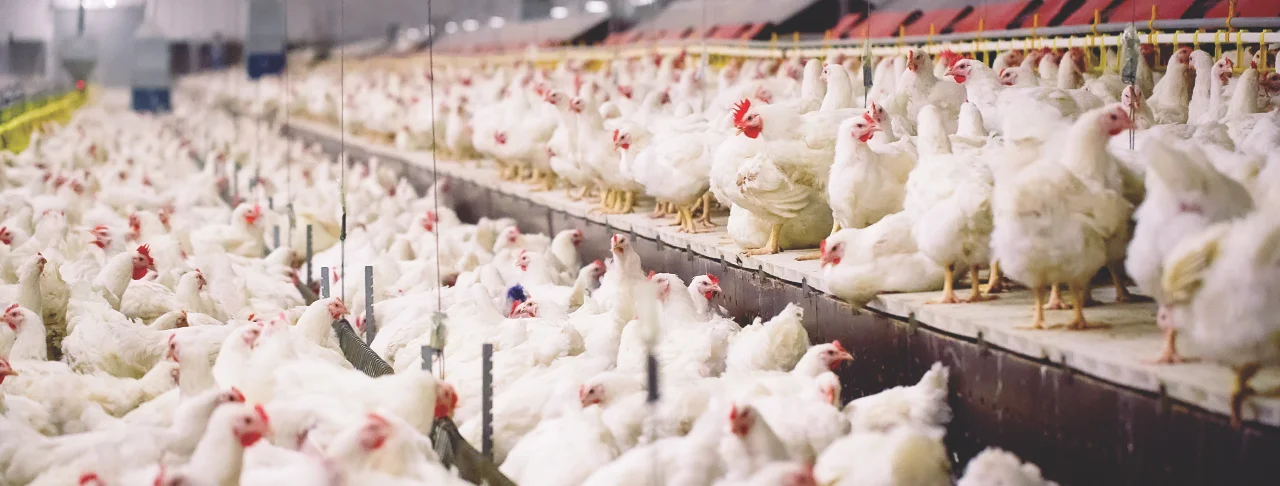
In poultry sheds, bird density, dust and heat permanently expose birds to various forms of respiratory issues. Poultry birds are endowed with effective mechanisms to expel irritants, microorganisms and spores, but these defences are fragile. In a very dusty environment, 1m³ of air can contain more than 10 million microorganisms!.

How Does Poultry Defense System Work Against Poor Quality or Contaminated Air?

Trachea and bronchi walls are covered with cilia. By contracting, these cilia cause the mucus and all the particles sticking inside to move towards the upper parts of the respiratory tract where they are expectorated (sneezed out) or swallowed. This is named the “mucociliary escalator”.

Dust: vectors for transmission of microbial, viral and fungal agents in poultry houses. Now it sometimes happens that this system cannot effectively play its defence role, if it is saturated with too much dust, paralyzed by an excess of ammonia concentration, or destroyed by a viral infection. An excess of ammonia concentration (>10ppm) in the air will paralyze the cilia of the respiratory system.

Any such attack on the defences of the respiratory system will affect the quality and quantity of mucus in Avian. If the mucus is too watery or too abundant it can cause a blockage in the trachea. This may result in a bacterial infection or bird’s death by asphyxia.

How to Prevent Respiratory Issues and Improve Air Quality in Poultry?

We have brought all herbal respiratory tonic MucoFort® in the market, which helps in stimulating protective mechanisms and revitalizing the respiratory system. Mucofort contains terpenoids in essential oils, e.g. alcohols, aldehydes, esters, ketones, peroxides, and phenols, which are responsible for strong antimicrobial activity.

Address avian influenza and respiratory problems in poultry flocks with respiratory tonic liquid. Natural feed supplements for poultry farming from Vinayak Ingredients India to improve health and immunity.

Its decongesting properties provide instant relief. It allows birds to breathe normally and improve 2 transport to the cells and reduces gasping. The active components of Mucofort have anti-inflammatory, immunomodulatory and antiviral functions, and thus can augment the immunity of poultry by modulating both humoral and cell-mediated immune responses, preventing viral infections, and providing supplementary treatment for viral diseases.

Identify chicken flu symptoms and respiratory problems in poultry flocks. Use respiratory tonic for poultry from Vinayak Ingredients  to improve health and prevent diseases.

Phytoconstituents derived from Eucalyptus globulus, Mentha arvensis, Ocimum basilicum, etc of MucoFort® modulate the synthesis of a healthy layer of Mucin which protects the respiratory epithelium from attacks of pathogenic organisms. Bronchodilatory and respiratory stimulant effects make the lumen wide for proper respiration and expulsion of inflammatory discharge like cellular debris and fibrinous exudates.

MUCOFORT herbal respiratory tonic for poultry to treat respiratory problems in flocks and avian influenza. Effective treatment and prevention from Vinayak Ingredients India Pvt.Ltd

MucoFort® is an outcome of continuous research; its test reports have shown remarkable results on common respiratory conditions like congestion, haemorrhages, inflammatory secretions, pneumonia, diphtheritic membranes and oedema in the respiratory system.

he administration of Mucofort is 200 ml in 1000 litre of drinking water three times a week till full recovery. It also can be used for the prevention of respiratory distress and strengthening the immune system during outbreaks.
Challenging Re-emergence of Necrotic Enteritis in Poultry

Vinayak Ingredients' herbal supplement for poultry kidney health and gout treatment. Manufactured and exported from India.

Losses and Severity of Clostridial Toxins

Refraining the use of antibiotics in poultry feed has aggravated outbreaks of Necrotic enteritis (NE) even more often. NE is an acute Clostridium infection characterized by severe necrosis of the intestinal mucosa. The disease begins suddenly, with a sharp increase in the death rate. The disease usually persists in a flock for 5–10 days, and mortality is 50%. The causative agent is the gram-positive, obligate, anaerobic bacteria Clostridium perfringens. There are two primary Cl. perfringens types, A and C, associated with NE in poultry.

Herbal tonic for poultry kidney health and gout relief Vinayak ingredients

Pathogenesis and clinical signs

Cl. perfringens is a nearly ubiquitous bacteria readily found in soil, dust, faeces, feed, and used poultry litter. It is also a normal inhabitant of the intestines of healthy chickens and turkeys. The enterotoxaemia that results in NE most often occurs either after a change in the intestinal microflora or from a condition that results in damage to the intestinal mucosa (eg, coccidiosis, mycotoxicosis, salmonellosis, parasitic infection, etc).

Chickens at the age of 25 weeks are usually affected, NE is also encountered in hens particularly near the period of the beginning of egg-laying or peak egg-laying, most commonly associated with coccidiosis. In acute cases, marked congestion of the liver, responsible for its dark red to black appearance, is present. Intestinal content is bloody, mixed with necrotic debris and gas bubbles. The diagnosis is based on distinctive gross lesions. Toxins produced by the bacteria cause damage to the small intestine, liver lesions, and mortality.

While researchers still paving a way to develop a substitute as functional as antibiotics, administration of selected probiotics or competitive cultures has been used successfully to both prevent and treat clinical necrotic enteritis (presumably for the prophylactic proliferation of Cl. perfringens).

Probiotics help control necrotic enteritis in poultry by promoting healthy gut flora

NOVAPRO, a natural blend of probiotics for digestion and gut health.

The probiotics used in NOVAPRO (viz. Bacillus subtilis, B. coagulants and B. pumilus) are GRAS qualified in the US and qualifies the criteria of QPS as per EFSA for EU countries. They are highly heated stable and forms an endospore to survive extreme environmental conditions of temperature and desiccation.

How does NOVAPRO work as a Non-antibiotic Growth Promoter?

Bacillus subtilisB. coagulants and B. pumilus are known for their ability to degrade proteins extra-cellularly. They produce antimicrobial peptides (bacteriocins) which help in the inhibition of certain kinds of entero-pathogens that are harmful to poultry. This combination gets quickly established in the gut, provide growth of friendly bacteria, reduces intestinal pH and drives out harmful pathogens like Cl. perfringensE. coli and Salmonella species. Additionally, the probiotics peptides enhance immune responses preventing the growth of pathogens.

NOVAPRO probiotic supplement promoting gut health and preventing necrotic enteritis in poultry.

Features and Benefits

– Probiotics stay viable in water for a longer duration

– It has proven compatibility with antibiotics, anti-microbial growth promoters, coccidiostats and acidifiers

– Supports gut health and immune system

– Can withstand pH fluctuations from 3.8 to 9.5

– Low inclusion rate, no withdrawal period and can be administered throughout the lifecycle

Feeding Recommendation

– 1 g per litre of drinking water

– 150 – 200 g / tone of feed

Poultry Coccidiosis: Associated Antibiotic Overuse and Effective Alternatives

A natural phytogenic coccidiostat supplement by Vinayak Ingredients to combat poultry coccidiosis, reduce mortality, and minimize antibiotic overuse in poultry farming.

Coccidiosis represents a serious threat to the poultry industry, affecting production and causing high morbidity, mortality and significant costs resulting from treatment and prophylaxis. In-feed anti-coccidial has been used for decades for managing avian coccidiosis and were very effective until drug resistance emerged. The use of natural remedies has become a promising alternative in combating coccidiosis in chickens.


BIOCOCINE, a natural phytogenic coccidiostat by Vinayak Ingredients, helps control Eimeria Tenella in poultry, reducing the need for antibiotics and enhancing gut health.

Industry losses

Coccidiosis is a self-limiting disease that is universally present in poultry operations, causing extensive damage to the intestinal lining of the bird. Global economic losses from coccidiosis are estimated to be $3 billion per year including poor growth performance, replacement of chicks, and medication. They are estimated to be ubiquitous in the environment of poultry operations globally, with approximately 5% prevalence of clinical coccidiosis and 20% prevalence of subclinical coccidiosis. Coccidiosis morbidity can be as high as 100%, mortality ranges from 0-50%.

Attempts to eradicate the disease have been unsuccessful; currently, coccidiosis programs largely rely on chemotherapy and immunoprophylaxis. But the development of drug resistance in strains in the field and the withdrawal period for these drugs prior to slaughter necessitate the exploration of alternative methods for controlling coccidiosis.

Coccidiostats

Coccidiostats can be grouped into two major classes: the polyether ionophore antibiotics (monensin, lasalocid, maduramycin, narasin, salinomycin, and semduramycin) and the nonpolyether ionophores (often referred to as synthetic compounds or chemicals).

Chemical anticoccidials have varying degrees of efficacy ranging from good to partial resistance, indicating its use should either be restricted or if possible be discontinued because in the near future development of resistance against these anticoccidial will be seen. The use of herbal products as an alternative to anticoccidial drugs may overcome the hazards caused by the chemical drugs. Generally, plant extracts do not have the problem of resistance and broilers fed on herbal feed additives were accepted well by the consumer.

To date, Eimeria strains have gained resistance to all known coccidiostats, and new anticoccidials are unlikely to be developed, mainly because of strict legislative regulations on the use of in-feed drugs and growing concerns in the general population about the chemical residues in poultry products. Over the past years, the consumption of poultry meat has grown consistently, especially because it represents a fairly cheap source of food with lower production costs and is accepted by all religions.

In addition, the compromised immune system and damaged intestinal passage become an easy target for secondary bacterial infections like Clostridium and Salmonella spp.

Phytogenic coccidiostat by Vinayak Ingredients Pvt. Ltd. aids in faster recovery from coccidiosis, reducing poultry mortality and promoting gut health naturally.

What is Coccidiosis?

Coccidiosis is a disease of the intestinal tract caused by microscopic parasites called Eimeria protozoa. It is a single cell microscopic parasite that enters the chick’s body by ingesting the parasite egg on the ground.

Coccidiosis is a parasitic disease caused by seven species of the genus Eimeria with different localizations within the intestinal tract of chickens. Eimeria acervulina, E. maxima and E. tenella are the most prevalent species in broilers in the intensive poultry management system.

Nature of coccidiosis

Coccidia has many different stages occurring either within the bird host, or in the outside environment. Within the host, the parasite develops into an oocyst, which is then excreted in the bird droppings. In the environment (typically in the litter) and under optimal temperature and moisture conditions, this oocyst then develops into a sporulated oocyst. The sporulated oocyst can infect other chickens and is very resilient, often surviving in the environment for several months. The prepatent period, which includes parasite development and sporulation, is approximately 4–7 days. Although many infections are subclinical, clinical signs of coccidiosis typically include diarrhoea, decreased growth rate, decreased feed and water intake, decreased egg production, and increased mortality.

The parasite then multiplies in the intestine and is eventually expelled through the chick’s feces. At this point, other chicks will become infected when they accidentally ingest the Coccidia parasite. Chicks can all quickly become infected. Most often spread by bringing infected hens into your flock, or by wild birds. The coccidia parasite is nearly impossible to completely eradicate.

Coccidia multiplies best in warm, wet, dirty, overcrowded conditions and unfortunately nearly every chicken run contains trace amounts of the parasite. Fortunately, healthy adult chickens usually have strong enough immune systems that they won’t be affected.

Natural feed supplement for poultry supporting faster recovery from coccidiosis, reducing oocyst shedding, and improving gut health.

What are the Symptoms of Coccidia/Coccidiosis?

It normally manifests itself in chicks through the following symptoms:

  • Messy fluff around the vent
  • Yellowish, foamy diarrhoea
  • Bloody droppings
  • Ruffled feathers
  • Poor appetite
  • Lethargy
  • Standing alone with closed eyes
  • Weight loss due to inability to absorb nutrients in food
  • Eventual death

Even if a chick survives, permanent intestinal tissue damage often occurs. Since a chicken’s immune system is cantered in the intestine, survivors could have a compromised immune system for life.

How Biococcin Works against Coccidiosis?

Biococcin is a holistic combination of phytochemicals with diverse mechanisms of action on multiple species of Eimeria. This active constituent suppresses the developmental stages in the lifecycle of Eimeria by several mechanisms, restricting the damage to intestinal cells and spread of the infection by several mechanisms mentioned below:

  • – Prevention of oocyst development
  • – Inhibition of sporulation
  • – Inhibition of oocyst wall
  • – Destruction of sporozoites in caeca
  • – Stabilizing intestinal structure and decreasing inflammation
  • – Stimulation of immune response and modulation

Furthermore, herbal extracts could improve recovery after coccidiosis. Flavonoids and other polyphenols have been reported to be responsible for most of the biological properties of the herbs, including the anticoccidial potential.

Benefits

  • Supports recovery and minimizes losses caused by affected growth and FCR.
  • Reduces mortality
  • Reduces oocyst shedding
  • Decreases intestinal inflammation and prompts healing
  • Promotes immune response against multiple Eimeria sp.
  • Prevents secondary bacterial attacks like Clostridium sp.

The composition includes pure phytocompound extracts from Holarrhena antidysenterica, Tinospora cordifolia, Allium sativum, and Cinnamomum camphora. The herbs have shown remarkable antiparasitic, antiprotozoal, antiseptic, anti-inflammatory, and antioxidant properties.

There is also a higher interest from the consumer in organic poultry production and a great demand for natural and healthier products. In this context, the use of natural remedies has become a promising alternative to anticoccidial drugs.

Recommendation

In poultry feed – 600 g per metric ton of feed for the complete cycle or from the day of outbreak till full recovery.

Adverse links between wet poultry litter, footpad dermatitis and common disease occurrences

Essentiolitt-I by Vinayak Ingredients is a natural poultry litter dryer, ammonia binder, and antimicrobial solution that helps manage footpad dermatitis, improve bedding conditions, and promote poultry health and biosecurity. Ideal for reducing wet litter, ammonia levels, and secondary infections.

Footpad dermatitis (FPD) starts as an erosion of the footpad skin, which can look like a dirty mark that develops into broken painful ulcers if the skin gets damaged. The prevalence rates are usually seen around 20%, also reaching as high as 100% in poor management.

The disease is diagnosed by the observation of inflamed brown-black spots on the footpad of the feet that develops into necrotic lesions that can vary in size from superficial to deep. Progressing deep ulcers may lead to chronic abscesses and fibrosis of underlying joint structures. In chickens, the lesion can also be found on the hocks. In severe cases, the lesion can act as an entry point for secondary infections, which can cause partial condemnation of the carcass in meat processing plants.

Adverse links between wet poultry litter footpad dermatitis and common disease occurrences post

The 4-tier scale for lesion scoring of Footpad Dermatitis in Poultry

– Normal, no lesion

– Mild lesion

– Moderate lesion

– Severe lesion

There are a number of things that can influence whether or not birds show an incidence of FPD. The biggest single factor is the corrosive effect of wet or damp bedding resulting from high levels of moisture, feces, and ammonia. Water provision, stocking density, climatic conditions, ventilation, and even feed, all can have an effect. Topping up bedding material at least once a week is recommended by industry practices; moving from wet to dry litter condition has shown to result in rapid healing of the lesions, as well as improved growth rate.

Common reasons for Footpad Dermatitis

  • Wet litter / poor bedding material
  • High ammonia concentration in the litter
  • Spillage from drinkers / leaky drinkers
  • Poor ventilation
  • High sodium, NSPs, and plant-based protein diets
  • Zinc and biotin deficient diets

Essentiolitt: A poultry litter dryer and ammonia binder, is an efficient bioaerosol cleanser that improves the biosecurity of the farm. It reduces the wetness of the litter and destroys pathogens by acting as a disinfectant. Its antimicrobial spectrum creates an unfavourable condition for bacteria like E. coli, Salmonella sp, P. multocida, Clostridium sp, Campylobacter sp. Additionally, it reduces ammonia concentration in the litter ensuring healthy farm practices and a disease-free environment.

It is composed of Aluminiumsulphates, salts of organic acids, and a blend of essential oils. The special feature of the product is its least cost and handy application. It can directly be sprinkled over the litter in powder form. It is GRAS accepted and 100% natural product developed for commercial-scale organic farming.

Essentiolitt-I is natural pest control for the livestock industry

Essentiolitt is not only seen as beneficial in footpad dermatitis but also has shown incredible results in reducing the occurrences of infections and moralities in the poultry. It is nature friendly and is also recognized for improving poultry welfare, making Essentiolitt one of the best players in its category.

ing elit. Ut elit tellus, luctus nec ullamcorper mattis, pulvinar dapibus leo.