
icon-globe
Search Connect with us

Versatile Modified Starch Applications for Snacks, Bakery & Desserts

Versatile Modified Starch Applications for Snacks, Bakery & Desserts

In the world of food manufacturing, ingredient functionality often determines the success of a product, particularly in terms of delivering the desired texture, appearance, and consistency. One ingredient that quietly works behind the scenes in many of these roles is modified starch.
 From helping snacks stay crispy to providing a glossy finish on baked goods and stabilizing creamy desserts, modified starch applications are incredibly diverse. At Vinayak Ingredients, we specialize in developing starch solutions that improve both product performance and process efficiency. In this blog, we’ll break down how modified starch for crispy snacks in food manufacturing, bakery products, and dessert emulsification can elevate your formulations and why it’s a smart choice for food product developers.

Modified Starch Applications: A Multi-Purpose Ingredient

Modified starch applications span a wide range of functions, including thickening, binding, emulsifying, film-forming, and moisture control. These starches are chemically, physically, or enzymatically treated to improve their performance under processing conditions, such as high heat, shear, or low pH, where native starches often fail.
 From snacks to baked goods and desserts, modified starch for crispy snacks in food manufacturing and bakery products deliver critical functional benefits that enhance quality and production efficiency.

Modified Starch for Crispy Snacks in Food Manufacturing: Crunch That Lasts

Achieving the perfect crisp in snacks requires more than just frying or baking; it demands ingredients that can retain structure and resist moisture. Modified starch for crispy snacks in food manufacturing provides superior expansion, crunch, and texture stability in fried, extruded, and coated products.
 In snack formulations such as potato chips, multigrain crisps, or coated varieties, modified starch enhances expansion, texture control, and structural integrity during processing. Their moisture barrier properties help prevent sogginess by reducing water absorption, ensuring the snack stays crispy and appealing throughout its shelf life.

Modified Starch in Bakery Products: Glazing, Texture & Moisture Control

Bakery formulations demand precise control over texture, structure, and visual appeal, from soft, uniform crumbs to glossy, attractive finishes. Modified starch in bakery products offers multiple functional benefits, making it a valuable tool for formulators.
 These starches play a key role in:

● Enhancing dough strength, elasticity, and processability

● Providing a consistent crumb structure in cakes, muffins, and cupcakes

● Functioning as glazing agents to deliver a shiny, premium finish on pastries and confections.

In products like puff pastries, cakes, and breads, modified starch in bakery products also helps regulate moisture migration, delay staling, and extend shelf life, essential for meeting consumer expectations and maintaining quality in fast-moving bakery environments.

Emulsifying Agents for Desserts: Smoother Mouthfeel, Better Stability

In creamy desserts, fat dispersion and texture play a vital role in consumer acceptance. This is where emulsifying agents for desserts, especially modified starches, shine. They help create stable emulsions in products like puddings, mousses, whipped toppings, and non-dairy creams.
 By using starch-based emulsifiers, food formulators can achieve smooth, consistent textures and improved control over syneresis (water separation), resulting in longer shelf life and more visually appealing finished products.

Why Vinayak Ingredients?

At Vinayak Ingredients, we offer a tailored range of modified starches engineered for optimal performance across diverse food applications, whether you’re looking for modified starch for crispy snacks in food manufacturing, modified starch in bakery products, or dessert emulsification.
 Our starches are developed with application-specific functionality in mind. They are designed to withstand various processing conditions, such as heat, pH fluctuations, and mechanical shear, ensuring consistent quality and reliable performance in every batch.
 What sets us apart is not just our product quality, but also our technical support. Our team collaborates closely with food technologists and formulators to optimize recipes, enhance processing efficiency, and reduce overall production costs.

Key Takeaways

Modified starches are the unsung heroes behind many successful food innovations. They deliver crispiness in snacks, contribute to a glossy finish in baked goods, and enhance the creaminess and stability of desserts. Their adaptability makes them essential across a wide range of processed food categories.

With proven expertise in modified starch applications and a commitment to innovation, Vinayak Ingredients is your trusted partner in creating high-performance, cost-effective, and consumer-friendly food formulations.

Ready to upgrade your formulation?

Connect with our technical experts to find the right modified starch for your specific product needs.

Natural Yellow Alternatives to Banned Synthetic Food Colors

Natural Yellow Alternatives to Banned Synthetic Food Colors

As health-conscious consumers increasingly look to safer and more natural ingredients in their foods, synthetic yellow food dyes like Yellow 5 and Yellow 6, along with others, are facing growing scrutiny. These artificial colorings have been connected to allergic responses and behavioral challenges, prompting regulatory limitations and heavy pressure for improved alternatives. Now, food and beverage companies are looking to natural yellow food color solutions to satisfy both safety requirements and consumer demand.

Natural yellow food colorants are plant-based and not only provide vibrant colors but also an origin story and sense of trust. Plant-based yellow colorants are perfect for manufacturers seeking to substitute synthetic dyes with cleaner, safer alternatives in line with contemporary food trends. Some of the most trusted and commonly used synthetic yellow substitutes include Beta-Carotene, Turmeric, and Annatto.

Natural yellow food color from Vinayak Ingredients under the ECOCOL brand, plant-based alternative to synthetic yellow dyes

Beta-Carotene: A Trusted Natural Yellow

Beta-Carotene provides a bright yellow to orange hue and is famous for its reliable performance in a vast array of food uses, including dairy foods and beverages, through to baked foods and snacks. Stable and simple to blend, it is a default natural yellow food color choice for companies that want both quality and consumer confidence.

Turmeric: Strong, Brilliant, and Natural

Turmeric contributes a rich lemon-yellow color and is well known for its natural origins and heritage. It’s mostly applied in sauces, soups, savory snacks, and seasonings. Apart from its coloring, turmeric provides an authentic and familiar addition, particularly in traditional and ethnic food applications. It’s a vibrant and stable plant-based yellow colorant that speaks volumes to consumers looking for recognizable ingredients.

Annatto: Natural Flexibility in Two Forms

Annatto is a multipurpose plant-based yellow colorant extracted from the seeds of achiote. It is available in two forms:

● Bixin (oil-soluble) – suitable for use in cheese, margarine, and butter.

● Norbixin (water-soluble) – applied in cereals, snacks, and baked foods.

Annatto provides a warm yellow to orange color and is stable in a variety of food systems. Due to its adaptability and extensive usage, it ranks as one of the leading synthetic yellow substitutes in processed and prepared foods.

Choosing the Right Natural Yellow Color

When selecting a natural yellow food colorant, keep in mind the product type, shade of color desired, and formulation requirements. Whether you require a deep orange hue for milk or a lemon yellow for soups, there is a vegetable-based plant-based yellow colorant that can meet your expectations. Brands can produce stunning products without compromising safety or consumer acceptability.

Why Go Natural

Natural yellow food coloring is more than a synthetic yellow substitute, it’s part of a larger movement toward transparency, safety, and plant-based innovation. Consumers are becoming label-readers and reach for products containing ingredients they recognize. Employing natural yellow food color alternatives such as beta-carotene, turmeric, and annatto enables food companies to remain competitive while building brand confidence.

Conclusion

 As the food industry shifts away from artificial additives, natural yellow food colors provide a strong mix of safety, functionality, and consumer acceptance. Choices such as beta-carotene, turmeric, and annatto enable manufacturers to provide bright, consistent color with assurance.

At Vinayak Ingredients, we provide an extensive palette of vegetable-based plant-based yellow colorant solutions under our ECOCOL brand, expertly engineered for snacks, drinks, dairy, sauces, bakery, and more. Join forces with us and introduce natural radiance to your products.

Spray-Dried Fruits and Vegetables: The Smart Option for Smoothies and Health Drinks

Boost Nutrition with Spray-Dried Fruit and Vegetable Powders

With health and convenience reigning supreme today, spray-dried fruits and vegetables have proven to be the game-changer for health enthusiasts and hectic lifestyles. These cutting-edge spray dried powders enable individuals to add the goodness of fresh fruits and vegetables to their daily lives with ease, without having to deal with storage, spoilage, or preparation time. Whether you’re blending a vibrant smoothie, mixing a refreshing health beverage, or creating nutrient-packed snacks, spray-dried powders offer a practical, shelf-stable, and nutrient-rich option that bridges the gap between convenience and wellness. With increasing consumer demand for natural and functional foods, spray-dried fruit and vegetable powders are becoming staples in kitchens, cafes, and health food production worldwide. Their capacity for maintaining nutrition, taste, and color makes them suitable for clean-label products and everyday health routines.

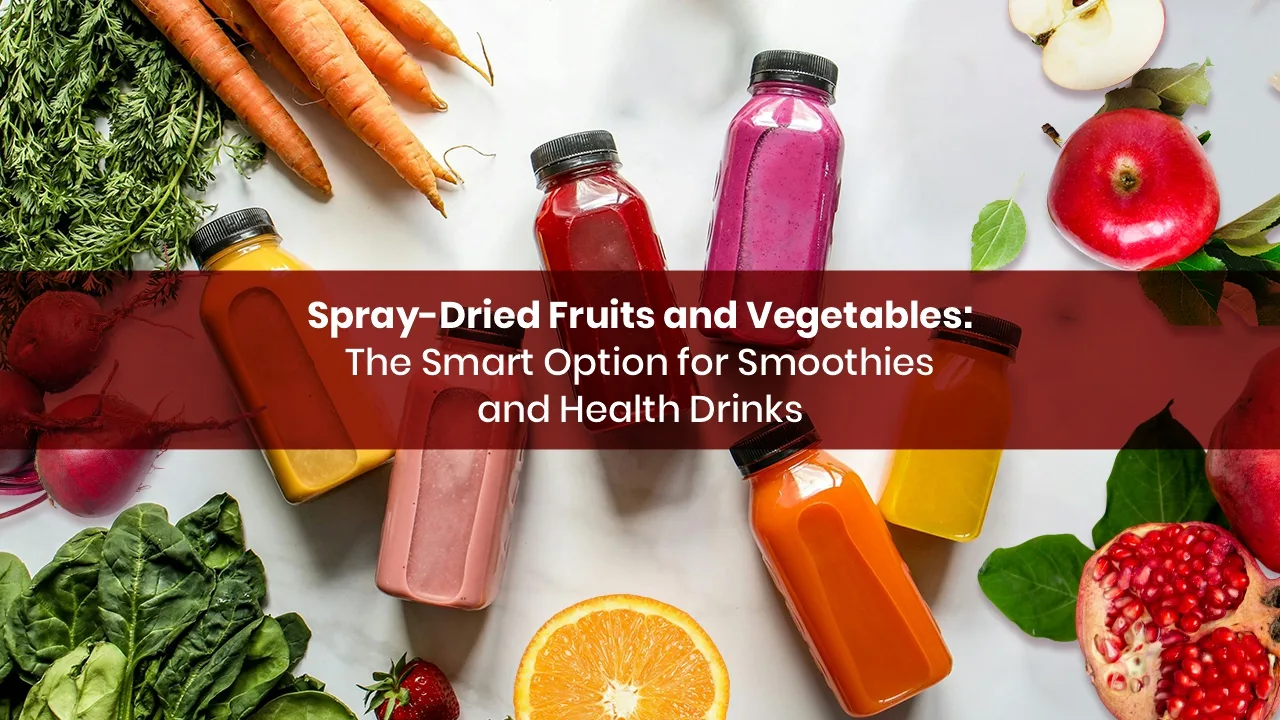
Spray-dried fruit and vegetable powders by Vinayak Ingredients – Manufacturer and Exporter

What Are Spray-Dried Fruits and Vegetables?

Spray drying is an advanced method employed to transform liquid fruit and vegetable juices, puree, or extracts into delicate, dry powders by dewatering them quickly using hot air. These spray dried powders thoroughly retain the natural flavors, colors, and essential nutrients of the fresh fruits and vegetables, including vitamins, antioxidants, and minerals. Spray drying, unlike other conventional drying technologies that can compromise quality, retains a high degree of nutritional integrity and yields powders with good lightness, convenience in storage, and a long shelf life. Since they are extremely dry, these spray-dried fruits and vegetables need no refrigeration, which minimizes wastage and makes them extremely convenient for consumers and food manufacturers alike.

Advantages of Utilizing Spray-Dried Powders in Smoothies

Increased Nutritional Content:
Spray dried powders maintain and concentrate the nutrients present in fresh fruits and vegetables, providing a very strong source of vitamins, minerals, and antioxidants per scoop.

Long Shelf Life:
Lack of moisture significantly prolongs the shelf life of such powders, rendering them a convenient pantry item that minimizes waste and spoilage.

Convenience:
With no need to wash, peel, or chop fresh fruits and vegetables, time is saved, and any individual can easily prepare nutrient-rich smoothies and beverages instantly.

Consistency:
Powders offer consistent color, flavor, and texture, guaranteeing a predictable taste experience in each batch.

Versatility:
Spray-dried fruit and vegetable powders can be easily incorporated into smoothies, juices, health shots, protein shakes, and even baked items or sauces.

Popular Spray-Dried Ingredients for Smoothies

Spray-dried fruit and veggie powders are renowned for their power to condense robust nutrition and flavor into a handy package. These are some of the most admired ones that not only add flavor to your smoothies but also offer a range of health benefits:

● Apple Powder
Apple powder is a versatile ingredient known for its mild sweetness and familiar taste that blends seamlessly with various smoothie flavors. Rich in dietary fiber, it helps promote satiety and supports healthy digestion. Apples are also a good source of antioxidants like quercetin and vitamin C, which contribute to heart health and reduced oxidative stress. The powder form allows for easy incorporation into your daily drinks without the mess of fresh fruit.

● Orange Powder
Orange powder provides a bright citrusy flavor and is a rich source of vitamin C, which enhances immunity, aids collagen formation, and improves iron absorption. Orange powder provides a refreshing zing in smoothies and benefits skin and heart health due to its dense content of flavonoids and antioxidants.

● Pomegranate Powder
Pomegranate powder provides a tart sweetness and a potent dose of polyphenols and anthocyanins, which are rich in potent antioxidant and anti-inflammatory power. It is beneficial for heart health, helps to alleviate oxidative stress, and provides a bright pinkish color to smoothies.

● Spinach Powder
Spinach powder for smoothies is a nutritional giant that provides a concentrated source of iron, vitamins A, C, K, and folate, nutrients vital for energy metabolism, immune function, and bone health. This green powder is ideal for infusing a nutrient kick without dominating the flavor of your smoothie. It’s especially favored by those who wish to boost vegetable consumption and improve overall well-being naturally. Regular use of spinach powder for smoothies allows consumers to benefit from leafy greens even when fresh spinach is not available.

● Carrot Powder
Carrot powder is high in beta-carotene, a potent antioxidant that is converted to vitamin A in the body and helps protect eyes, skin, and the immune system. It provides a subtle sweetness and earthy color that can add visual appeal and nutritional value to your smoothies.

● Beetroot Powder
Beetroot powder is renowned for its rich red hue and significant health benefits. Packed with antioxidants and dietary nitrates, beetroot powder ensures good cardiovascular health by encouraging improved blood flow and reducing blood pressure. Beetroot powder’s natural sweetness contributes an earthy but not unpleasant taste to smoothies. Beetroot also enhances stamina and endurance, which is why athletes and active individuals favor it.

Including Spray-Dried Powders in Your Diet

It’s easy to incorporate spray dried powders into your daily life. Just blend them into smoothies, shakes, or juices for a quick shot of nutrition. Sprinkle them over yogurt or cereal, mix them into oatmeal, or add them to baked goods to enhance flavor and nutrition. Their durability allows you to stock up on several different kinds of spray-dried fruits and vegetables so that you can have a supply of different nutrients available year-round, regardless of what’s in season.

Final Thoughts

Spray-dried fruits and vegetables provide an easy, healthy, and versatile means of adding more wholesome produce to your diet. Whether a health-conscious individual, busy professional, parent, or food manufacturer looking to add value to their product, spray dried powders offer a safe and sure way to maximize the benefits of fresh fruits and veggies without sacrificing any nutritional value. Harness the strength of spray-dried powders like spinach powder for smoothies, and take your smoothies and health drinks to new heights.

FDA Approved Natural Food Dyes: Shifting Towards Plant-Based Alternatives to Synthetic Food Colors

Plant-Based Alternatives to Synthetic Food Colors

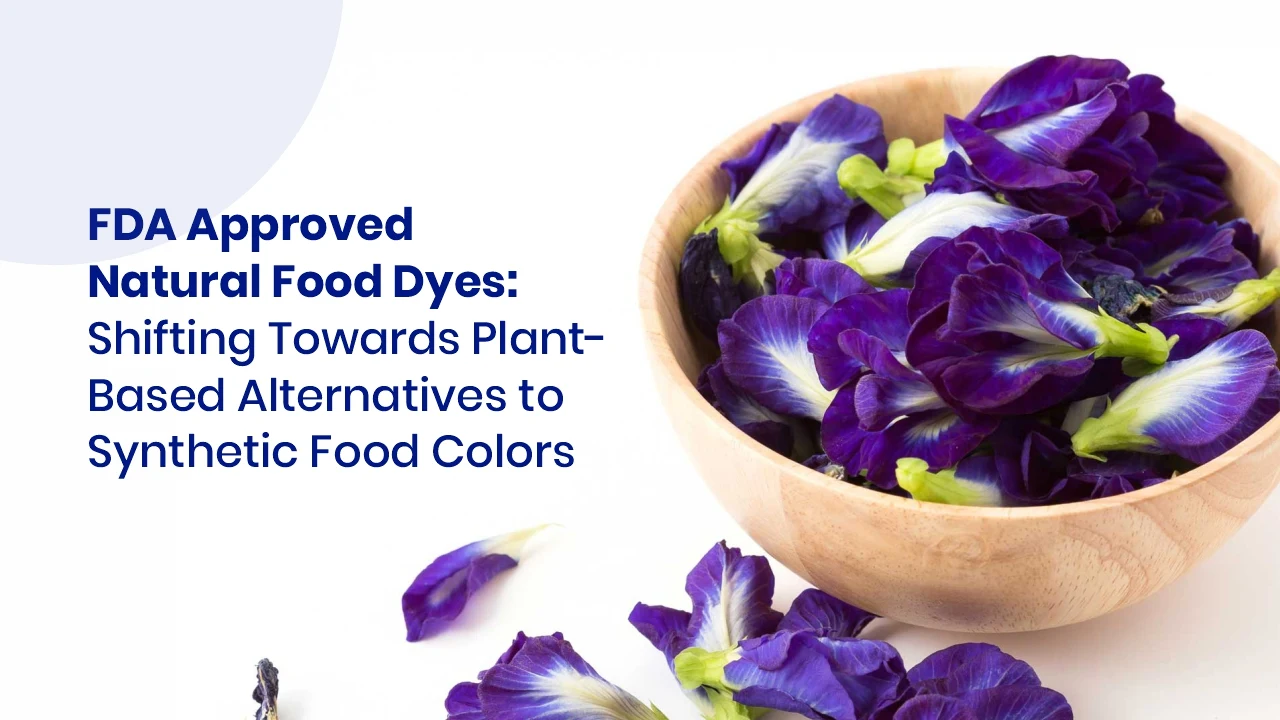
FDA-approved plant-based food dyes replacing synthetic colors in U.S. processed food by Vinayak Ingredients

A Breakthrough in Natural Food Coloring

The recent FDA natural color approvals for the food industry mark a major step toward embracing more nature-derived solutions in food production. The U.S. Food and Drug Administration has approved three natural blue colorants: butterfly pea flower extract, Galdieria extract blue, and calcium phosphate. This move highlights the shift towards clean-label formulations and encourages manufacturers to explore plant-based alternatives to synthetic food dyes.

These developments align with growing consumer demand for familiar, naturally sourced ingredients and signal a larger movement to modernize color regulations.

Rethinking Synthetic Food Dyes

Colors like Red No. 3, Red No. 40, Blue No. 1, Blue No. 2, Yellow No. 5, Yellow No. 6, and Green No. 3 have long been used to enhance visual appeal in food. However, these petroleum-based dyes have come under increasing scrutiny due to concerns over potential health impacts.

As awareness grows and regulations tighten, the industry is turning toward FDA approved natural food colorants and other plant-based alternatives to synthetic food colors to maintain both safety and product appeal.

Which Synthetic Dyes Are Being Phased Out?

The FDA has already banned Red Dye No. 3 (erythrosine) after studies raised concerns about its long-term effects. Other synthetic dyes currently under review for future restrictions include:

●   Red No. 40

●   Blue No. 1

●   Blue No. 2

●   Yellow No. 5

●   Yellow No. 6

●   Green No. 3

●   Citrus Red No. 2

●   Orange B

These dyes are commonly found in confectionery, cereals, snacks, dairy, and beverages. As they are phased out, manufacturers are actively adopting FDA natural color approvals for the food industry as part of the shift toward cleaner, safer ingredients.

Naturally Derived Blue Colors Now Approved by the FDA

Achieving a stable, vibrant blue from natural sources has always been difficult. However, the new FDA approved natural food colorants provide safe and effective options for a wide range of applications. These approvals are helping companies transition away from synthetic dyes.

Butterfly Pea Flower Extract

Extracted from Clitoria ternatea, this pH-sensitive pigment changes hue based on acidity, shifting from blue to purple or green. It is stable under heat and light and ideal for use in beverages, confections, dairy, and snacks. Its vivid appearance supports the move to plant-based alternatives to synthetic food colors.

Galdieria Extract Blue

Derived from Galdieria sulphuraria (a type of red algae), this extract offers a rich, stable blue that is perfect for juices, frozen products, cereals, and gummies. It is water-soluble, sustainable, and fits perfectly within the list of FDA approved natural blue colorants.

Calcium Phosphate

Though not a pigment itself, calcium phosphate is essential in stabilizing natural blue hues, especially in dry mixes or pH-sensitive systems. It supports consistent coloring results in clean-label formulations.

Vinayak’s Coloring Solutions for a Healthier Tomorrow

At Vinayak Ingredients, we offer high-quality FDA approved natural food colorants as part of our clean-label portfolio. Our solutions are developed to meet the evolving needs of modern food manufacturers with benefits such as:

● Stability under heat and light – Ensures reliable performance during processing and on the shelf.

● pH responsiveness – Enables creative color effects in multi-phase products.

● Plant-derived labeling – Appeals to consumers looking for natural and transparent ingredient lists.

By working with trusted partners and providing reliable, plant-based alternatives to synthetic food dyes, we help brands innovate while staying ahead of regulatory trends.

A Gradual but Important Transition

The FDA natural color approvals for the food industry offer manufacturers a pathway to safer and more sustainable coloring strategies. With synthetic dyes being re-evaluated, now is the time to explore FDA approved natural food colorants and meet the demand for clean-label products.

Vinayak Ingredients is proud to support this transition with proven, effective, and naturally derived color solutions.

The Benefits of Natural Food Colors in U.S. Processed Food: Moving Beyond Synthetic Dyes

Why Natural Food Colors Are Reshaping U.S. Processed Food

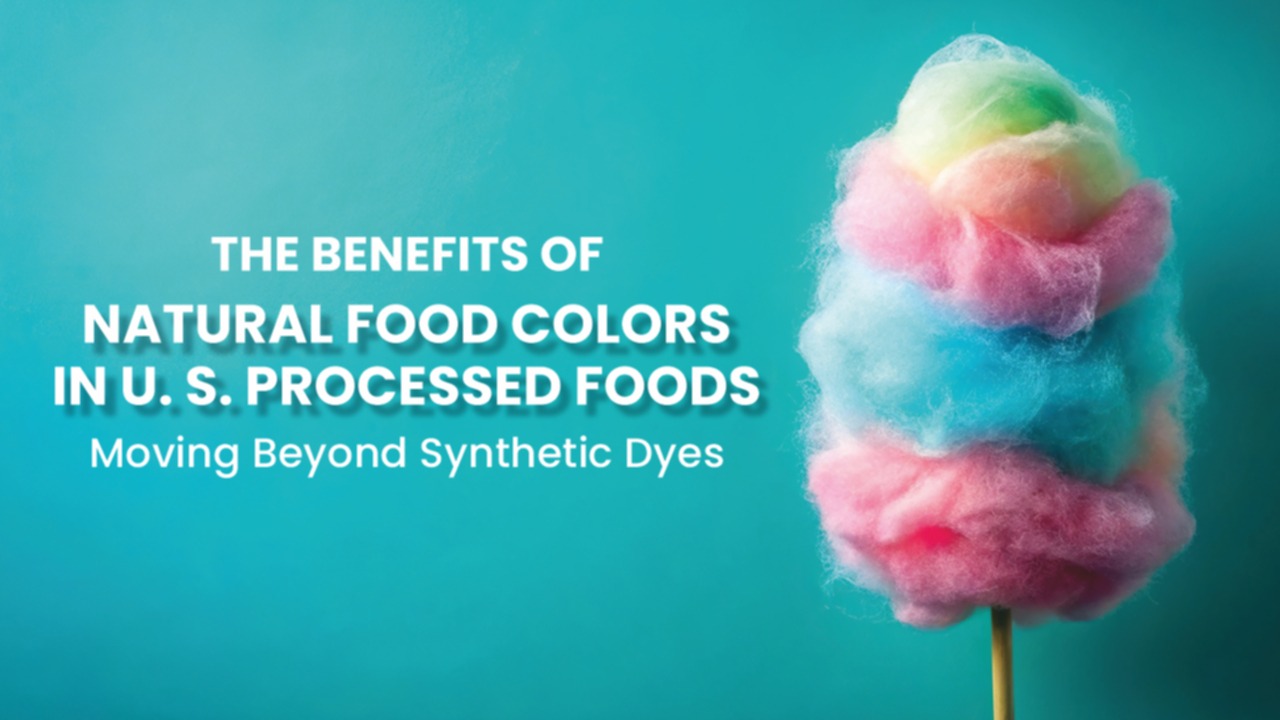
With increasing regulatory scrutiny and a sharp rise in consumer demand for clean-label products, natural food colors have emerged as the preferred choice for American food manufacturers. The growing concern over synthetic dyes, coupled with changes in FDA regulations, is accelerating this transition. Today, both brands and consumers are actively seeking the benefits of natural food colors in U.S. processed food.

Vinayak Ingredients– Benefits of natural food colors in U.S. processed food

Why the Shift? Understanding FDA Approved Food Colors and Recent Changes

In 2025, the U.S. Food and Drug Administration (FDA) began phasing out certain synthetic food dyes, including Red No. 3, due to health concerns and consumer pressure. These artificial colorants, often petroleum-derived, have long raised red flags for their potential links to behavioral issues in children and allergic reactions.

As a result, food manufacturers are re-evaluating their formulations, seeking out FDA approved food colors that are both safe and effective. Natural food colors, derived from sources like beets, turmeric, spirulina, and paprika, are not only FDA-compliant but also meet the growing clean-label demand in the U.S.

The Benefits of Natural Food Colors in U.S. Processed Food

Food companies across the U.S. are embracing natural food colors not only to comply with regulations but also to meet evolving consumer preferences. Here’s why they matter:

  1. Consumer Trust and Transparency

    In an era where American shoppers read ingredient labels carefully, the use of artificial colorants can erode brand trust. Phrases like “colored with vegetable juice” or “no artificial colors” are now seen as indicators of quality.

    The benefits of natural food colors in U.S. processed food include a stronger perception of safety and transparency, especially in categories like snacks, dairy, and beverages.

  2. Clean Label Appeal

    Natural colors align with broader health-conscious trends. In fact, clean-label claims are now a deciding factor in the U.S. grocery aisle. Products using FDA-approved food colors from natural sources are more likely to appeal to parents, health-conscious consumers, and Gen Z buyers who prioritize authenticity.

  3. Health and Safety

    Unlike synthetic dyes, which may trigger hyperactivity in children or allergic reactions in sensitive individuals, natural food colors are generally recognized as safe (GRAS) by the FDA when used appropriately. This adds another layer of reassurance for both manufacturers and end-users.

    Key Applications: Where U.S. Brands Are Using FDA-Approved Food Colors from Natural Sources

    The versatility and visual appeal of natural food colors make them suitable across a wide range of processed food categories: 

●  Bakery and confectionery: Frostings, gummies, cakes, and cookies

●  Dairy and alternatives: Fruit-flavored yogurts, plant-based milks

●  Beverages: Juices, energy drinks, wellness shots

●  Snacks and cereals: Vibrant hues from vegetables and spices

●  Frozen desserts: Naturally colored popsicles, ice creams, and sorbets

These sectors highlight the benefits of natural food colors in U.S. processed food, where consumer expectations for clean-label and safe formulations are highest.

Challenges in Using Natural Food Colors and How to Overcome Them

While the advantages are clear, there are a few hurdles to adopting FDA-approved food colors from natural sources:

●  Stability Issues: Some natural colors may degrade under heat or light.

●  Limited Color Range: Bright synthetic-like shades can be harder to replicate.

●  Cost and Supply: Natural ingredients can be more expensive or seasonal.

Fortunately, innovations in encapsulation and stabilization technologies are solving many of these issues. New-generation natural food colors can now offer improved heat, light, and pH stability, expanding their usability in everything from baked goods to acidic beverages.

Wrapping up: Natural Food Colors Are the Future of the U.S. Food Industry

As U.S. regulations tighten and consumer expectations evolve, the benefits of natural food colors in U.S. processed food are undeniable. These plant-based pigments offer a compelling mix of safety, transparency, and performance. For food manufacturers, making the switch is no longer optional, it’s a strategic move toward cleaner, more trusted products.

By incorporating FDA approved food colors from natural sources, brands can stay ahead of regulatory changes, win over health-conscious consumers, and lead the shift toward a more sustainable and transparent food system.

Side Effects of Synthetic Food Coloring in American Diets: A Growing Health Concern

Health Risks Of Synthetic Food Dyes Spark Shift To Natural Color Alternatives.​

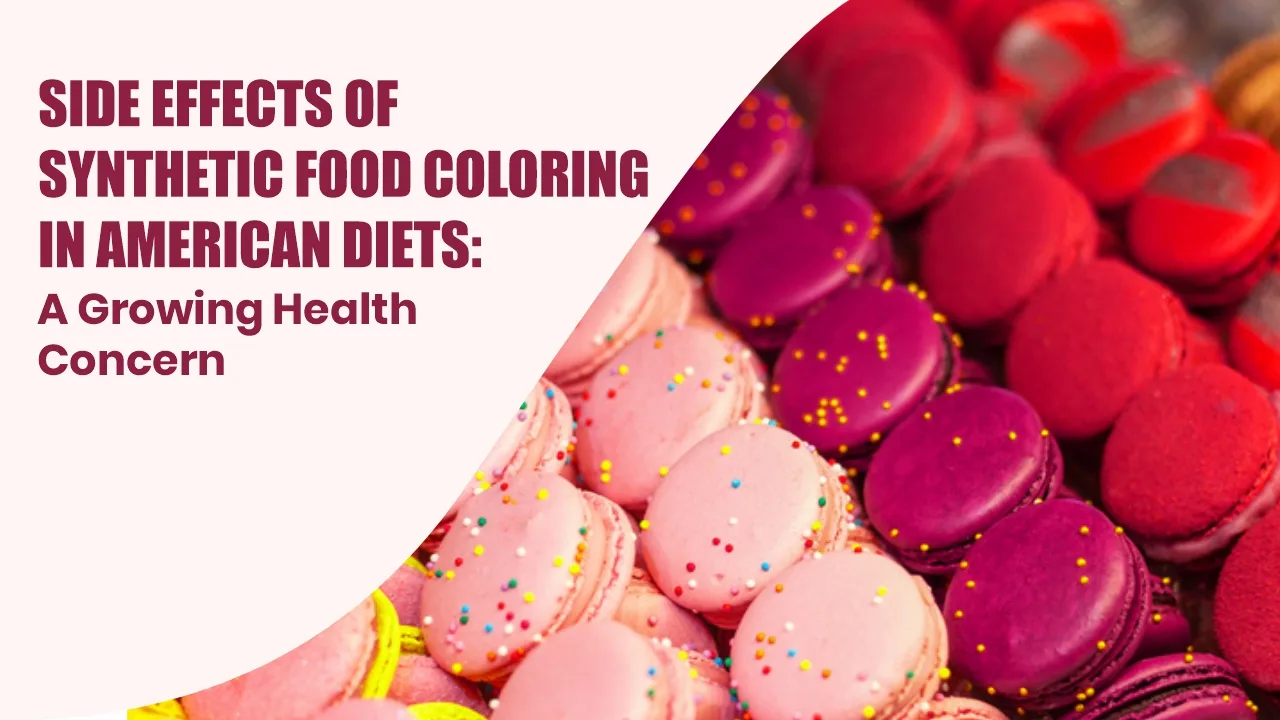
Artificial food colorants, found in sweets, cereals, drinks, and other brightly colored foods, are facing growing scrutiny due to their potential health risks. These synthetic colorants, derived from petroleum, include commonly used dyes such as Red No. 40, Yellow No. 5, and Blue No. 1. Their bright appearance and chemical stability have made them popular with food manufacturers aiming to make their products more visually appealing. However, scientific studies are increasingly drawing attention to the side effects of synthetic food coloring in American diets, especially for children.

These artificial additives have been linked to behavioral issues, allergic reactions, and even cancer in animal studies. In light of these risks, regulatory bodies are beginning to act, urging food brands to consider safer, natural alternatives. This blog dives into the health impacts of these dyes and highlights why shifting toward clean-label ingredients is not just a trend—it’s a necessity.

Synthetic Food Color Powder Manufacturer in India - Vinayak Corporation - Sunthetic Powders for Cosmetics - Dyes - Pharmaceuticals

Health Implications of Synthetic Dyes

  • Behavioral Effects in Children

    Numerous studies have connected synthetic food dyes to behavioral issues in children. A comprehensive review by the California Office of Environmental Health Hazard Assessment (OEHHA) found that certain dyes can worsen symptoms of attention-deficit/hyperactivity disorder (ADHD) in sensitive individuals. Red No. 40 and Yellow No. 5 are particularly noted for their influence on neurobehavioral functions. This raises major concerns for both healthcare professionals and parents about the side effects of synthetic food coloring in American diets targeting children.

  • Carcinogenic Risks

    Some synthetic dyes have been shown to pose cancer risks in animal studies. Red No. 3, for instance, has been associated with thyroid tumors in rats. Despite being banned in cosmetics, it remains approved in candies and baked goods. This contradiction highlights the ongoing risk consumers face and underscores the urgent need for stronger food safety regulations.

  • Allergic Reactions and Hypersensitivity 

Artificial dyes are also known to cause allergic reactions in certain individuals. Yellow No. 5 (Tartrazine) is linked to hives, asthma attacks, and other hypersensitivity responses. Because of these known effects, the FDA requires food manufacturers to clearly label products containing Yellow No. 5, allowing consumers to make informed decisions.

Common Foods Containing Synthetic Dyes

Artificial dyes are especially prevalent in products marketed toward children. Examples include:

● Breakfast cereals
● Candies
● Snack foods
● Sports drinks and sodas
● Desserts like jellies and popsicles

These foods often contain multiple artificial dyes to achieve their bold, colorful appearance. Unfortunately, this visual appeal may come at the cost of consumer health, as more data points to the side effects of synthetic food coloring in American diets.

Regulatory Shifts and Industry Response

As awareness grows, regulators are beginning to crack down on potentially harmful additives. Several synthetic dyes are now under evaluation for removal from the food supply in the coming years. This growing scrutiny reflects rising consumer concern over the side effects of synthetic food coloring in American diets, prompting food manufacturers to explore safer options.

Natural alternatives like beet juice, turmeric, spirulina, and carrot extract are gaining traction. These ingredients not only reduce health risks but also support the clean-label movement that many health-conscious consumers prefer. Brands that embrace these alternatives are likely to gain trust and market preference.

Wrapping Up

The continued use of petroleum-derived synthetic food dyes is more than a visual choice, it’s a health concern. With evidence mounting around the side effects of synthetic food coloring in American diets, particularly among children, the food industry must act responsibly. Regulatory shifts are already underway, but proactive change from brands can lead the way toward safer, more transparent food practices. Choosing natural food colorants isn’t just a trend it’s a step toward a healthier, more informed future for all.

Modified Starch for Ice Cream: A Functional Ingredient Approach

Ice Cream Market Growth & Role of Modified Starches

The global ice cream market is projected to grow from USD 80.03 billion in 2024 to USD 125.62 billion by 2033, at a CAGR of 5.14%. This growth is driven by consumer demand for improved textures, enhanced stability, and innovative product formats. To meet these expectations, manufacturers are increasingly turning to modified starches as a functional and cost-effective solution. These starches play a critical role in both base formulation and structural components, contributing to the overall quality of frozen desserts.

At Vinayak Ingredients, our functional starches are designed to support frozen dessert manufacturers at every stage of development, from improving mouthfeel to enhancing product stability and shelf life.

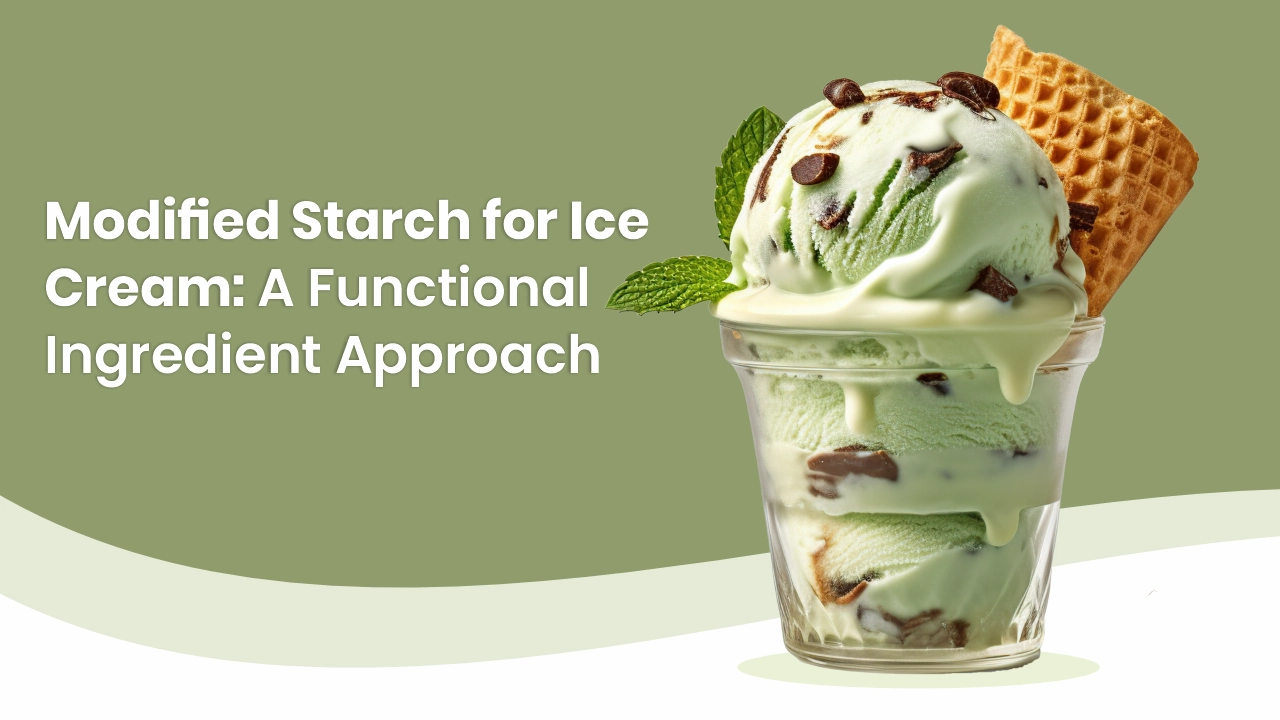
Modified starch for ice cream used to improve texture, creaminess, and shelf life in frozen desserts by Vinayak Ingredients

Building Texture and Body with Modified Starch for Ice Cream

Modified starches are instrumental in enhancing the texture, mouthfeel, and overall eating experience of frozen desserts. They contribute to the development of viscosity in the aqueous phase, which is crucial for achieving a smooth and creamy texture. This is particularly important in reduced-fat formulations, where traditional fats are replaced to meet health-conscious consumer demands.

The ice cream market is expected to grow from USD 80.03 billion in 2024 to USD 125.62 billion in 2033, with a CAGR of 5.14%. This is attributed to the growing demand for enhanced textures, stability, and innovative product forms among consumers. Manufacturers are responding to these needs by using modified starches more and more as a functional and cost-effective option. Such starches are important components in the constitution of the base as well as structural components, which determine the quality of frozen desserts.

Our functional starches in Vinayak Ingredients are created to support frozen dessert manufacturers at all levels of development—enhancing mouthfeel through to stabilizing and preserving formulations and enhancing shelf life.

Production of Texture and Body using Modified Starch for Ice Cream

Modified starches are of value in improving texture, mouthfeel, and general eating quality in frozen desserts. They help create viscosity in the water phase to deliver a smooth, creamy mouthfeel. This is especially the case in reduced-fat applications, where normal fats are replaced to fulfill needs of health-oriented consumers.

For example, Kreameko, a specialty starch of ours, is formulated for high-moisture and liquid-based systems. It replicates the mouth-coating action of fat, offering a rich, indulgent mouthfeel without additional calories. Kreameko also prevents ice crystal growth, contributing to a smooth texture over time. Its neutral taste makes it suitable for flavor-sensitive systems, and its nutraceutical and non-dairy application compatibility contributes to additional versatility across product types.

Scientific research has established that starches modified can lower the calorie level of ice cream and improve emulsification and viscosity, resulting in better texture and stability.

Crispofy: Giving Structure and Integrity

Structure-wise, Crispofy provides a great solution for baked elements such as waffle cones, edible cups, and spoons. Its starch application for ice cream enhances and retains crispness even in high-humidity conditions and thus is perfect for pre-filled and ready-to-consume dessert products. Crispofy provides long-duration crunch and product integrity during storage and consumption.

The ability of modified starches to improve the texture and stability of frozen desserts extends to structural components, ensuring that all elements of the product meet consumer expectations for quality and performance.

Emulsheen: Stability for Inclusions, Glazes & Toppings

Emulsheen provides consistent stabilization to inclusions, layered components, and fruit preps in frozen desserts. Chocolate swirls, fruit and caramel ribbons, and layered toppings benefit from its ability to preserve gloss, structure, and consistency. This positions it as an asset in constructing multi-layered ice cream formats that maintain their attractiveness for the life of the product.

The function of starches that have been modified in stabilizing toppings and inclusions is justified by scientific studies, which attest to their efficacy in improving the stability and sensory characteristics of frozen desserts.

Trends in the Ice Cream Industry

With the changing landscape of frozen desserts, companies are conforming to consumer-driven trends that are both innovative and quality-focused. Vinayak’s starches enable:

Texture and Format Innovation: Our reformulated starch for ice cream makes innovative pairings possible, smooth, rich bases in combination with crunchy edible packets.

Fat Reduction and Cost-Efficient Recipes: Kreameko facilitates lower-fat content without sacrificing luxurious mouthfeel, assisting manufacturers in fulfilling health-oriented demand at a cost.

Premium & Multi-Layered Product Appeal: Through Emulsheen and Crispofy, multi-layered textures and toppings remain intact, enriching the sensory pattern of frozen treats.

Conclusion

From rich textures to crisp forms and stabilized toppings, Vinayak Ingredients provides functional starch solutions that can make frozen dessert brands unique. With kreameko, Crispofy, and Emulsheen, brands can create differentiated products that suit today’s consumer needs.

6 Spray-Dried Ingredients for Instant Drink Applications

Top 6 Spray-Dried Ingredients Powering Innovation in Instant Beverages

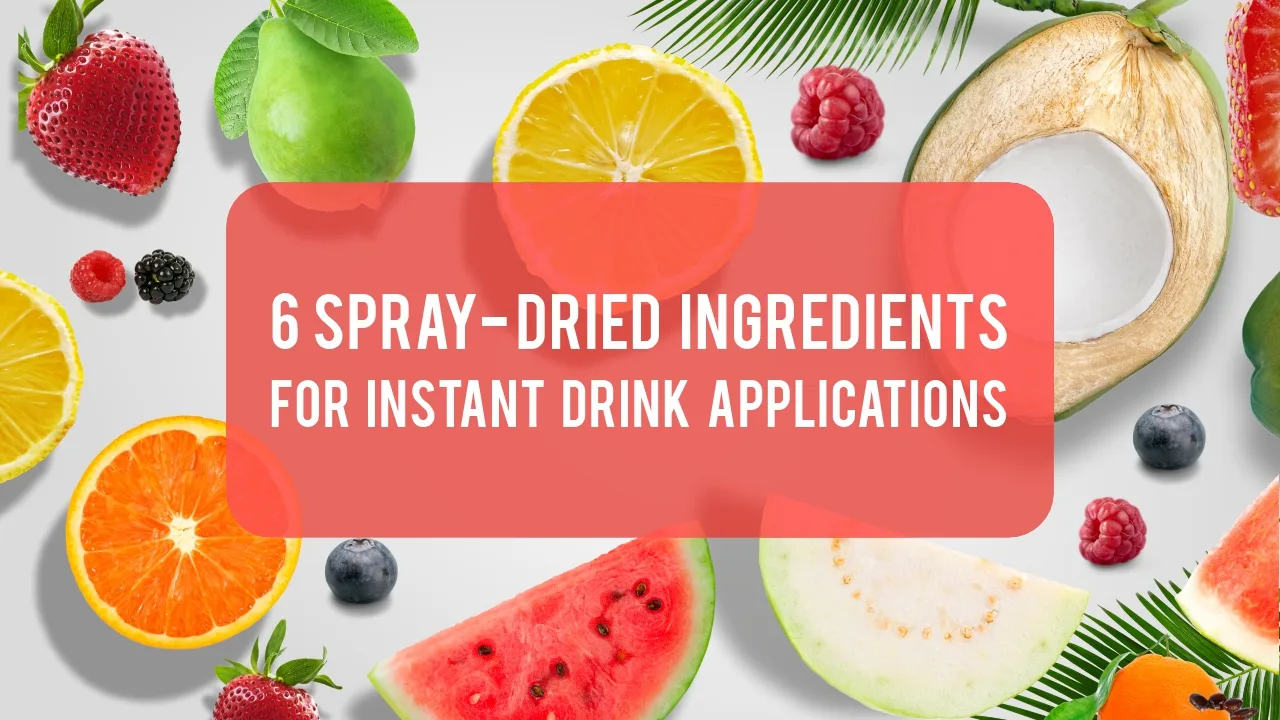
A selection of spray-dried powders like lemon, coconut, guava, and berries used for instant drink formulations.

The beverages market is witnessing a strong demand for spray-dried ingredients for instant drink mixtures, especially among manufacturers and brand owners who seek to deliver ready-to-consume, high-flavour, and nutrient-rich products to today’s consumers. For food and beverage formulators, spray-dried ingredients for instant drink applications offer a convenient and scalable solution.  Vinayak Ingredients is a trusted supplier of spray-dried flavours for instant drinks, providing high-quality powders that enhance taste, nutrition, and solubility in B2B beverage formulations. Learn more about our range in the spray dried powders blog. These powders deliver ease of processing, stable shelf life, and consistent flavour.

In this post, we review 6 spray-dried ingredients to aid instant beverage innovation that is increasing demand in B2B drink formulation.

  1. Tender Coconut Water Powder

    A popular functional hydration ingredient, tender coconut water powder contains potassium and magnesium electrolytes. It is neutral in taste, slightly sweet, and used as a base in energy beverages, isotonic beverages, and tropical flavours. Spray drying ensures that it retains the nutrient value and provides improved shelf stability and transportation efficiency.

  2. Lemon Powder

    Lemon powder provides a citrusy burst of natural vitamin C and antioxidants. Great in lemonades, sports drinks, or immune-enhancing drinks, it has great mixability. Lemon powder is a versatile citrus flavour that is great to pair with and also offers a refreshing flavour.

  3. Orange Powder

    Orange powder is a nostalgic, fresh flavour, widely used in fruit drink blends, cocktails,  mocktails, and nutraceutical beverages. It’s a natural source of flavonoids and vitamin C, and the bright colour and pleasant taste of orange make it a popular choice in powder-formulated beverages.

  4. Watermelon Powder

    Watermelons are very hydrating with their numerous electrolytes, vitamins and antioxidants. Watermelon powder is well-suited to rehydration drinks and hot-weather coolers. Its solubility and natural flavour make it a perfect option for health-oriented beverage lines.

  5. Guava Powder

    Guava powder is a highly nutritious ingredient prized for its dynamic tropical flavour and rich vitamin C levels. It is also rich in potassium and folate, thereby qualifying as an excellent immunity boost and wellness-beverage candidate. Its sweet-tart flavour suits juice blends, drink powders, and nutraceutical formulations. Guava powder is amongst the most functional spray-dried products for instant drinking mixes for the formulator with high solubility, good shelf life stability, and similar performance in massive production batches.

  6. Berry Powder

    Berry powders like strawberry, blueberry, or blended berries impart natural colour, rich flavour, and high antioxidant value. Anthocyanins and vitamin C present in them make them ideal for application in detox drinks, beauty drinks, and health-focused mix blends.

Benefits of Utilising Spray-Dried Powder for Instant Drink

Spray-dried powders offer the following formulation and processing advantages to manufacturers:

Rapid solubility: Soluble rapidly and evenly in water, allowing for ease of processing and uniform end-product texture.

Extended shelf life: Provides better stability, minimising spoilage and packaging issues during distribution and storage.

Consistent quality: Offers flavour and nutrient profile consistency between batches, ensuring consistent performance at large scale.

Operational efficiency: Easy to store and handle in bulk, easy and less costly storage.

How to Use Spray-Dried Powders in B2B Applications

The powders are suitable for application in pre-mixed drink sachets, individual-serving sticks, vending machine formulae, or batch processing. They can be used for:

  • Ready-to-drink blends.
  • Nutraceutical drinks.
  • Functional beverages.
  • Effervescent tablets.
  • Fortified and functional water.
  • Beverages for children.


Wrapping Up

As a beverage or food business looking to produce great-tasting and functional instant beverage drinks, spray-dried ingredients for instant drinks offer a scalable and dependable answer. With top trends like coconut water, citrus, tropical guava, watermelon, and antioxidant-rich berries, you can deliver taste, nutrition, and convenience in every drink.

Find high-quality spray-dried ingredients for instant drink formulations to improve your next beverage recipe.

6 Food and Beverage Trends in 2025 Impacting the Evolving Industry

      6 Food and Beverage Trends in 2025 Impacting the Evolving Industry

During FY 2025-26, the food and beverage sector is experiencing a shift based on new consumer directions and technological change. Today’s consumers are more informed, health-focused, and environmentally aware, making companies reimagine how food gets made, marketed, and eaten. Digital tools, transparency requirements, and greater aspirations for customised food experiences power the trend. Innovations are not just changing products but also rewriting the whole system from farm to fork. Several emerging food and beverage trends in 2025 will define the dining scene in the coming year.

  1. Improved Ingredient Quality

    Consumers are growing more aware of the quality of ingredients in food and beverages. It is increasingly observed that they read and review the ingredients label. Features such as natural colors and flavours, nutritional value, and ethical sourcing are becoming buying decision drivers. Brands that emphasize higher ingredient quality and transparency are most likely to have a competitive edge.

    At Vinayak Ingredients, we offer solutions that help brands improve the overall quality of their products. Our range of natural food colors, functional fat powders, and customized ingredient blends support manufacturers in enhancing product appeal, nutritional value, and clean formulation practices that resonate with today’s quality-conscious consumers.

  2. Personalized Health and Wellness 

    There is greater demand for food and drinks specifically formulated to respond to an individual’s health issue and lifestyle. Functional foods and beverages that promise to tackle a particular health issue, such as weight control or mood and energy management, are becoming popular. Tailor-made diet programs are perceived as more effective, and thus, consumers look for foods and drinks that fit their individual wellness goals more and more.

  3.  Creative Flavor Pairings

    Consumers today, particularly Gen Z, yearn for novelty and drama in food. They don’t merely consume food but wish to experience other cultures, stories, and sensations through new combinations of flavors that encompass fusion cuisine that combines culinary traditions from different parts of the globe, novel pairings.Worldwide, consumers indicate a high willingness to try new and fusion flavors, expressing a new acceptance of experimentation and a need for food to wake up the taste buds.

  4. Alternative Proteins and Sustainable Options

    Sustainability is no longer a trend but a primary purchase decision. Shoppers are seeking substitutes for traditional animal proteins due to issues related to hormone imbalance, health, welfare, and the environment. Thus, the market is seeing fast-paced innovation around plant-based alternatives (like soy, pea, or chickpea protein), fermentation-based proteins like tempeh, or even cultured meat. Not only do these solutions work to reduce environmental impact, but they also provide comparable or better nutritional profiles. Companies that invest in such environmentally friendly sources of protein are not only meeting the demand of customers but also contributing to making the food industry more responsible.

  5. Nutraceuticals 

    Concern over how eating habits affect health is growing, as is the demand for vital nutrients for a healthy way of life. Nutraceuticals are a major trend in the food market as a result of consumers’ increased interest in eating healthily due to the COVID-19 pandemic. At a compound annual growth rate (CAGR) of 5.09%, the market is expected to reach USD 513.27 billion in 2025 and USD 657.89 billion by 2030.

    Nutritional supplements, functional foods, therapeutic foods, and foods that improve the gut microbiota, such as probiotics, postbiotics, and prebiotics, are all considered nutraceuticals. The potential health benefits of nutraceuticals are highlighted by scientific studies. Crucially, they can be used to treat diseases, including allergies, diabetes, and immune-related disorders that are linked to oxidative stress.

    Vinayak Ingredients provides a range of functional ingredients ideal for nutraceutical applications. Our powders and custom blends are used in health-oriented foods and beverages, helping brands meet the increasing consumer demand for immune-boosting and wellness-supportive formulations.

  6. Focus on Food Safety and Transparency

    Growing health awareness and safety concerns have meant that consumers demand more openness concerning food production and sourcing. Food brands that show transparency regarding the supply chain and follow high-level safety standards are gaining consumer confidence and loyalty.

    Vinayak Ingredients ensures strict quality standards and traceability across our manufacturing and sourcing processes. We work closely with our partners to ensure our ingredients meet regulatory and safety benchmarks, helping our clients maintain transparency and build lasting trust with their customers.

    These food and beverage trends in 2025 highlight a dynamic shift towards healthy, adventurous, and technologically aware consumption habits. As the food sector adjusts to these developments, consumers can look forward to a more individualized, sustainable, and innovative eating experience in 2025.

    Final Thoughts
    The food and beverage trends in 2025 outlined above represent anticipated directions in consumer behavior and technological adaptation. While still emerging, these trends signal a move toward more mindful, sustainable, and individualized food experiences. Companies that begin to align with these projections will be better positioned to adapt and lead.

    At Vinayak Ingredients, we are committed to supporting this transition with a wide array of functional and performance-driven ingredient solutions. By collaborating with manufacturers across categories, we help bring these future-ready concepts to life, ensuring they are not only innovative but also commercially viable.

Top Food Industry Trends for 2024-25: Adopting Natural, Functional, and Sustainable Solutions

Top Food Trends 2024–25: Natural, Functional & Sustainable

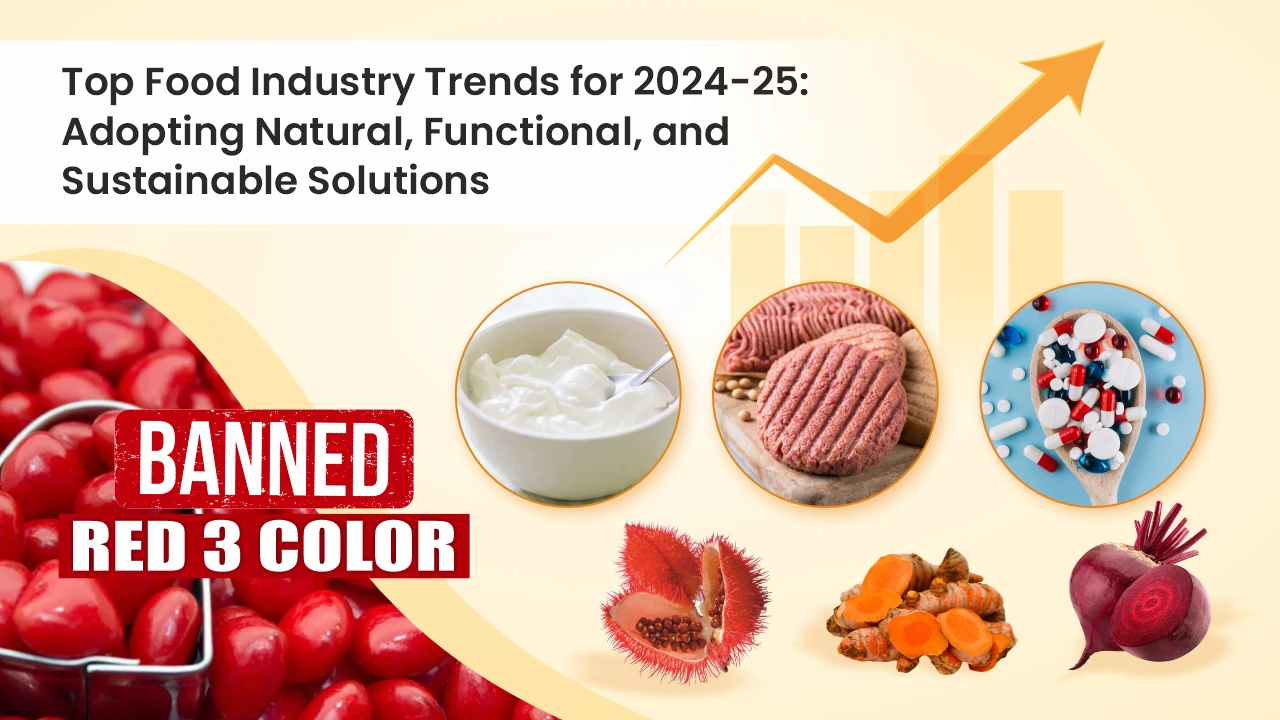
Natural food colours, plant-based foods, and sustainable clean-label trends for 2024–25 by Vinayak Ingredients.

Several key trends have gained momentum as the food industry progresses through 2024-2025.

1. Trend Towards Natural Colours:

Increased health issues and concerns have led to more scrutiny of artificial color, and therefore there has been a large move toward natural food colours. The recent Red no. 3 ban on account of it being linked with health issues has made manufacturers resort to natural food colours for food and beverages. The transition benefits health needs and meets the demand for cleaner labels and transparency.

2. Emphasis on Functional Foods:

Shoppers are increasingly seeking foods that are beneficial to them beyond mere sustenance. Functional foods, enriched with probiotics, vitamins, and minerals, are gaining popularity for their potential to improve digestion, immunity, and general health. This opens the doors to enriching daily products with health-improving ingredients.

3. Ethical and Sustainable Production:

Sustainability remains a major issue, and customers demand products that are ecologically friendly and ethically made. This includes regenerative agricultural policies, carbon-free processes, and biodegradable packaging. Companies are beginning to adopt green policies in accordance with these ideals and reduce their impact on the environment.

4. Boom in Plant-Based Alternatives:

The market for plant-based foods continues to grow, with food technologies improving the taste, texture, and nutrition of meat and dairy alternatives. Developments in plant-based protein and dairy products support the increasing ranks of consumers following vegetarian and vegan diets, in addition to those wishing to lower meat intake due to health or environmental considerations.

5. Emphasis on Ingredient Quality and Transparency:

Customers are placing greater importance on the quality and origin of ingredients used in their food products. There is an increasing demand for natural, minimally processed ingredients and open labeling that gives transparency to product contents. This trend calls for manufacturers to focus on high-quality inputs and open communication with consumers.

At Vinayak Ingredients, we have actively positioned our products to facilitate these changing trends. Our wide variety of natural food colours, branded as Ecocol, offers stable and vibrant options to replace artificial dyes, catering to increasing consumer demand for clean-label solutions. For example, our Annatto extract gives attractive yellow to orange shades that are ideal for dairy and confectionery applications, while Curcumin-based colors provide intense yellow shades with the added antioxidant effect.

To meet the growing demand for functional foods, our spray-dried fruit and vegetable powders deliver natural flavor, color, and nutritional value. These powders are well-suited for use in beverage premixes, nutraceuticals, functional supplements, and health supplements that appeal to wellness-oriented consumers who want added value in their food options.

Our commitment to sustainability is evidenced through our eco-conscious manufacturing methods and creation of products that promote sustainable production practices. By using plant-based ingredients and reducing our environmental footprint, we help manufacturers design products that resonate with the values of consumers who care about the environment.

In addition, we prioritize ingredient quality and transparency through our natural, minimally processed additives. Our ingredients are formulated to assist manufacturers in fulfilling the consumer expectation for transparency and healthfulness, making the final products well-aligned with existing market demand. We ensure that our natural food colours meet both visual appeal and health-conscious standards, making them the ideal choice for next-generation food applications.

These trends indicate a common movement towards healthier, sustainable, and transparent food production, with opportunities for innovation and convergence with consumer values in today’s market environment.