icon-globe
Search Connect with us

Why Brands Are Making The Switch To Natural Food Colors Introduction
Why Brands Are Making The Switch To Natural Food Colors
Introduction

Natural food colors in food and beverage industry innovations

Consumer preference is shifting away from petroleum-derived artificial food color to
natural food coloring, on the basis of reasons including safety, transparency, and
sustainability. It has been witnessed in consumers, regulators, and food and beverage
manufacturers. Natural food dyes are trending as consumers become more sensitive to
sensitivities and potential health impacts created by artificial colorings, such as
hyperactivity among children and allergic responses among sensitive parties. Food and
beverage regulatory bodies across the globe have responded with tighter labeling
regimes or new prohibitions, pushing the food and beverage industry towards plant
food. This is driven by shifting customer values and health issues.

The Market Trend towards Natural Colors

The global natural food colors market is set to grow sizably, fueled by regulatory limits
on artificial dyes and increasing consumer affinity for natural and healthier products.
High growth will be witnessed in the Asia-Pacific region, with market revenue from
USD 346.4 million in 2022 growing to USD 717.3 million in 2030, corresponding to a
CAGR of 9.5%. It is also fueled by widespread high-volume uptake across numerous
industries.

The Undisclosed Challenge: Reformulation of Products using Natural Colors

Formulation change to accommodate natural colors is with technical challenges. They
are mostly less stable than synthetic colorants, are sensitive to heat, light and pH.
Technical innovation is overcoming these issues. Techniques like microencapsulation,
nanoemulsions, and refined extraction processes have enhanced heat, light, and pH
stability. These innovations preserve color, improve shelf life, and provide new
possibilities for natural color in demanding applications. Breakthroughs in encapsulation
and ingredient delivery systems allow natural colorants to preserve strength under
different process conditions. Regulatory Pressure on Synthetic Colors
Certain artificial colors are banned or stric labeled in most areas.

EFSA, the European Food Safety Authority, has outlawed food dyes linked to
hyperactivity in children.

In the U.S., the Food and Drug Administration prohibited a sequence of petroleum-
based dye products, such as FD&C Red No. 3, in cosmetics and certain foods, on grounds
of safety. California has also passed a bill prohibiting the use of a number of artificial
food colorings in children's food for hyperactivity and other health causes by 2027. The
regulatory environment forces the industry to use plant-based colors such as
anthocyanins, carotenoids, and betalains. Sustainability and Consumer Perception
Natural dyes are usually derived from renewable crops, vegetable and fruit processing
waste or by-products, such as skin, seeds, and pulp.
Use of co-products in this way minimizes food waste and improves circular economy
operations. A case in point is grape skin, to be used for anthocyanin pigments, which
often comes from wine waste production, and carrot pomace can be processed to
produce beta-carotene. The method, apart from reducing the environmental footprint,
also reinforces agricultural value chains as it improves farmers' and processors'
revenues.

Conclusion

The movement towards natural colors in foods is the intersection of regulatory,
technological, and consumer forces. Formulation hurdles remain, but ongoing progress
in pigment stabilization is making natural options increasingly viable to large-scale
production.
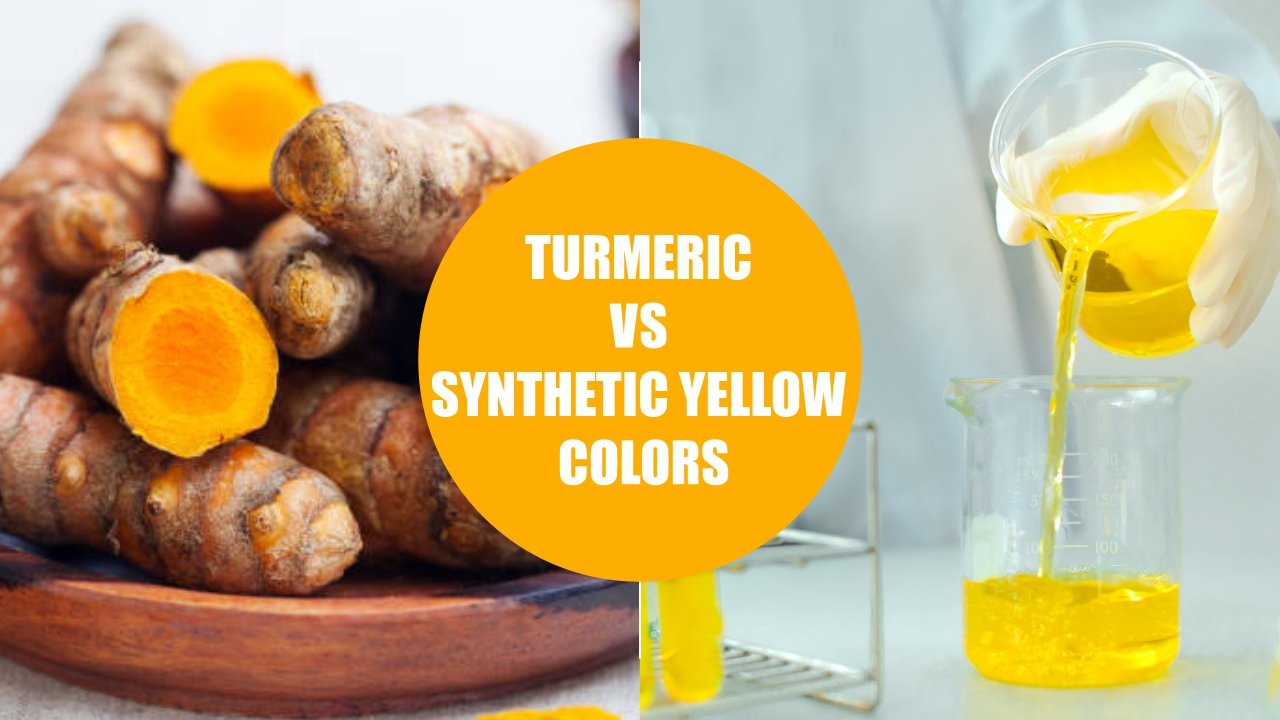
Turmeric vs Artificial Yellow Colors

Turmeric vs Artificial Yellow Colors​

What is Turmeric Color or Curcumin, and Why is it used in Food?

Turmeric color is obtained from the Curcuma longa rhizome, whose main active ingredient, curcumin, is responsible for the characteristic bright yellow color. Traditionally applied in food and medicine, it is increasingly becoming relevant in food processing on account of its bright color and natural origin. Turmeric color in processed food has the virtue of warm shade, ease of use, and compatibility with oil and water-based applications. It finds wide application in blends, snacks, sauces, pickles, rice foods, and dairy foods. Its usability in dry mix applications and heat-treated foods allows it to be the most sought-after yellow (PMC) by manufacturers as a stable natural alternative.

Health Concerns Associated with Synthetic Yellow Pigments

Dyes like Tartrazine (Yellow 5) and Sunset Yellow (Yellow 6) are petroleum-based and still used as additives in most packaged food. Various studies have linked them to health issues. For instance, studies suggest that tartrazine is likely to induce hyperactivity in children (CSPI). In certain groups, such dyes have also been reported to trigger allergic reactions and immunologic responses. Regulatory agencies such as EFSA and FDA have examined these dyes and, in a few instances, mandated warning labels. Their chemical structure, especially their azo moieties, has been the focus of toxicological research for decades.

Natural Turmeric Color: Health Benefits Beyond Coloring

Curcumin, the pigment in turmeric, has been studied at length for its biological activity. It has antioxidant and anti-inflammatory activities. Research indicates that it can reduce oxidative stress (Healthline) and maintain joint function. There is also emerging evidence that it plays a role in improving metabolic and cardiovascular health. Curcumin acts on cellular signaling and maintains the body’s own detoxification processes. These qualities make it a compound of interest for both the food and nutraceutical industries.

Comparison of Performance: Color Strength, Stability & Shelf Life

  • Color Strength

Turmeric color provides a rich, golden-yellow hue. Although it might need greater inclusion levels than artificial dyes, formulation developments such as microencapsulation have improved its pigment retention and consistency (MDPI). It is consistently reliable in both transparent and opaque formulations and is available for a broad range of food uses.

  • Stability

ECOCOL’s Curcumin is pH and heat-sensitive. It shows excellent heat stability across various applications. It works best in the pH range of 3.0-6.0. It offers high color payoff with small dosages.

  • Shelf Life

Synthetic dyes usually have a longer shelf life, but new formulations of turmeric color have significantly bridged the gap. Turmeric colors can last for up to 12  months if stored in low-humidity and light-proof packaging. Spray drying and emulsification are among the methods that have made them easier to use in many food matrices without affecting performance.

Why Choose Vinayak: Reliable Manufacturer & Exporter of Turmeric Color to the USA

At Vinayak, we are expert manufacturers of natural turmeric color in various forms, custom-made for food and beverage manufacturers worldwide.

Our Ecocol range provides 

  1. Powdered and Liquid Form
  2. Oil Soluble (OSL) and Water Soluble (WSL) Grades
  3. Stable Color Pay-Off Across Applications
  4. Heat and pH Stable Formulations

We provide turmeric color solutions for food and beverage producers in regulated markets such as the USA with high-performance, quality, safety, and formulation meeting solutions, perfect for replacing synthetic yellow dyes in large volumes.

Contact Us

If you’re looking to replace synthetic yellow colors with turmeric-based alternatives or want customized formulation support, reach out to us:

✉️ inquiry@vinayakcorporation.com 🌐 vinayakcorp.aufy.net/

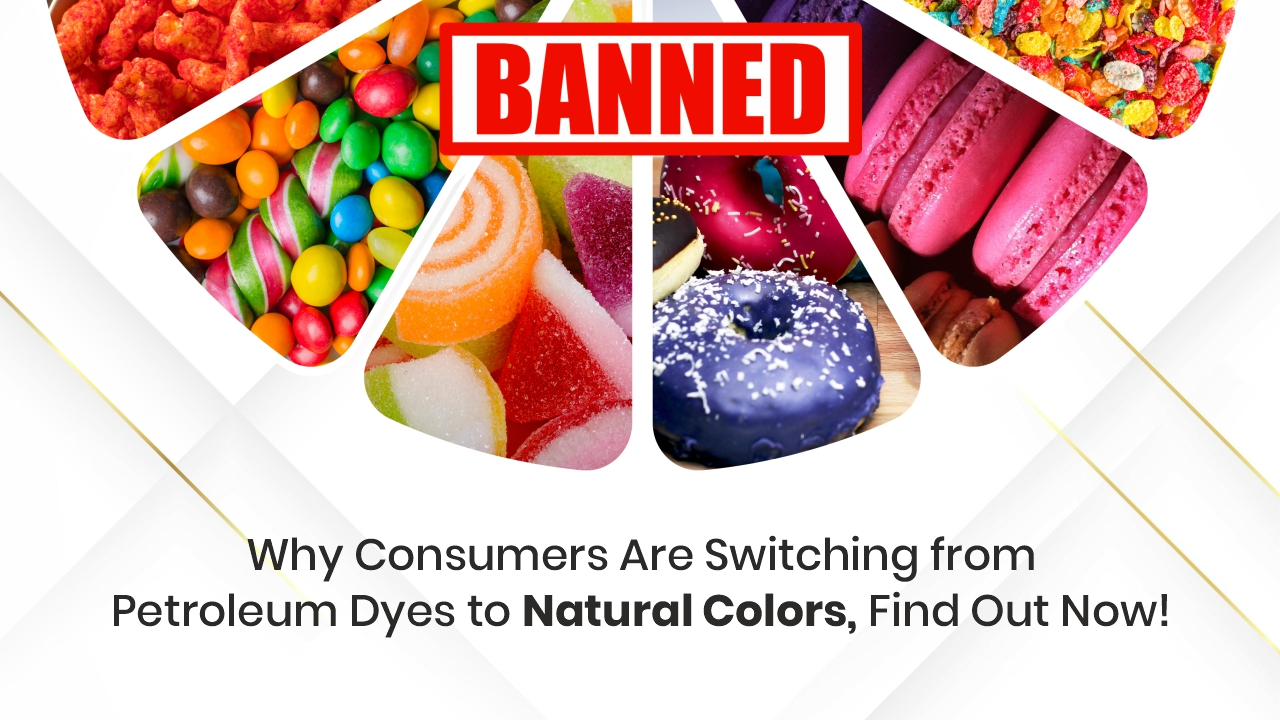
Why Consumers Are Switching from Petroleum Dyes to Natural Colors, Find Out Now!

Why Consumers Are Switching from Petroleum Dyes to Natural Colors, Find Out Now!​

As the world’s food industry turns away from more opaque and health-risk ingredients, synthetic dyes are under growing scrutiny. Among the most controversial are petroleum-based dyes. Orange B and Citrus Red No. 2, among others such as Red 40, Brilliant Blue, and Yellow 3, are banned, under assessment, or subject to regulatory phase-outs in light of consumer safety concerns.

Food and beverage producers are now being pushed, not only by regulatory agencies but also by increasingly knowledgeable consumers, to reformulate with safer, natural ingredients. Here, our Ruby Realm and Tropical Mellow color lines provide a timely and technically viable solution.

The Decline of Petroleum-Based Synthetic Dyes in Food Industry

Petroleum-based synthetic dyes have been utilized for years for their bright color, reliability, and affordability. Orange B and Citrus Red No. 2 were used in sausage casings and coloring the rind of citrus fruits to make it look more even. Serious safety issues have been raised due to their origin from coal tar and petroleum distillates, and increasing toxicological evidence, leading to regulatory re-evaluation and compelling the industry to move towards finding safer, natural alternatives to color.

Global Regulations Drive Phase-Out of Harmful Synthetic Food Dyes

Several researches have linked artificial colorings with allergic responses, behavioral problems such as children’s hyperactivity, and even carcinogenicity in test animals. All these have prompted regulatory actions around the globe. Orange B, initially approved by the FDA in 1966 for exclusive use in sausage casings (no more than 150 ppm), has not been used since 1978 when its sole U.S. manufacturer suspended production. Nevertheless, it was technically still listed until recently. As of 2025, the FDA has taken the first steps to officially withdraw Orange B’s approval as part of a larger initiative to phase out petroleum dyes.

Citrus Red No. 2 is still allowed on non-organic orange rind in the U.S., but is up for final phase-out.

The European Union has banned various synthetic colorants already and requires warning labels on others.

This changing regulatory environment is a clear indicator: petroleum-based dyes like synthetic dyes are being phased out in favor of less hazardous alternatives.

The Technical Challenge of Replacing Synthetic Colors with Natural Alternatives

Regulatory prohibitions are merely half of the picture. Global brands are also facing increasing consumer demand for “recognizable ingredients” and “free-from” labeling. But replacing synthetic color isn’t just a labeling issue; it’s a technical challenge that needs scrutiny. In the past, natural colors have been problematic with heat stability, pH sensitivity, and batch-to-batch variation. This has made reformulation difficult, especially in applications like beverage, bakery, or confectionery, where color stability is totally critical.

Vinayak’s Natural Color Solutions: Stable, Scalable Alternatives to Synthetic Dyes

At Vinayak Ingredients, we’ve created Natural color solutions namely Ruby Realm and Tropical Mellow, they are engineered to overcome the historical limitations of plant-based pigments. These solutions are formulated for high performance in demanding food and beverage applications, offering improved stability across heat, light, and pH conditions. With consistent batch-to-batch quality and broad application versatility, they represent a practical, scalable alternative for manufacturers looking to move away from petroleum-based synthetic dyes.

Ruby Realm: Natural Red to Pink Color Solutions for Heat-Stable Applications

Ruby Realm: Is a range of Natural color solutions in the red to pink spectrum offering a variety of heat-stable colors in both powder and liquid forms useful across multiple applications

Rubra Red – A proprietary blend that provides a heat-stable red shade based on natural vegetable extracts. 

Carmine – A natural cochineal insect-derived pigment with an intense red color and high light and pH stability in a broad variety of foods.

Beetroot – A vegetable-based colour delivering a bright pink to red colour, preferably used in low-heat or cold-process products because it is prone to heat and light degradation.

Suitable for deep red to reddish-pink shades

Tropical Mellow: Heat-Stable Natural Colors in the Yellow to Orange Spectrum

Tropical Mellow: Is a range of Natural color solutions in the orange to yellow spectrum offering a variety of heat-stable colors in both powder and liquid useful forms across multiple applications

Curcumin – It is obtained from the root of turmeric and imparts a yellow pigment with antioxidant properties. It’s applicable for use in sauces, snack foods, and ready meals.

Beta Carotene – A natural pigment derived from carrots and other vegetables, it gives a golden yellow to orange colour and is extremely stable in heat and light.

Annatto – It is obtained from the seeds of the achiote tree and gives yellow to orange colors and is used extensively in dairy, bakery, and savory applications.

Paprika – It is obtained from red pepper pods which are dried and gives orange to reddish rich colors and is suitable for oil-based products and processed food. Formulated for uniform dispersion and color retention over time

Both series are available in oil and water-dispersible format (application dependent), and compatible with most current manufacturing equipment.

Why Natural Colors Are the Future

The shift to natural colors is not simply about compliance with regulations; it’s a decision for sustainability. Petroleum-based dyes depend on chemicals and high-energy processes. Natural colors, when responsibly sourced and processed, provide a more sustainable option.

In a consumer environment where consumers increasingly reward sustainability and transparency, embracing clean-label colorants is a competitive strategy.

Future-Proof Your Brand with Vinayak’s Natural Color Reformulation Solutions

With colors such as Orange B and Citrus Red No. 2 phasing out, reformulation is not only expected, it’s unavoidable. Manufacturers will get a competitive edge as they can easily cope with future regulations, customer demands, and brand security targets.

Vinayak Ingredients stands poised to help drive this shift with natural color solutions that bring performance and confidence of mind.

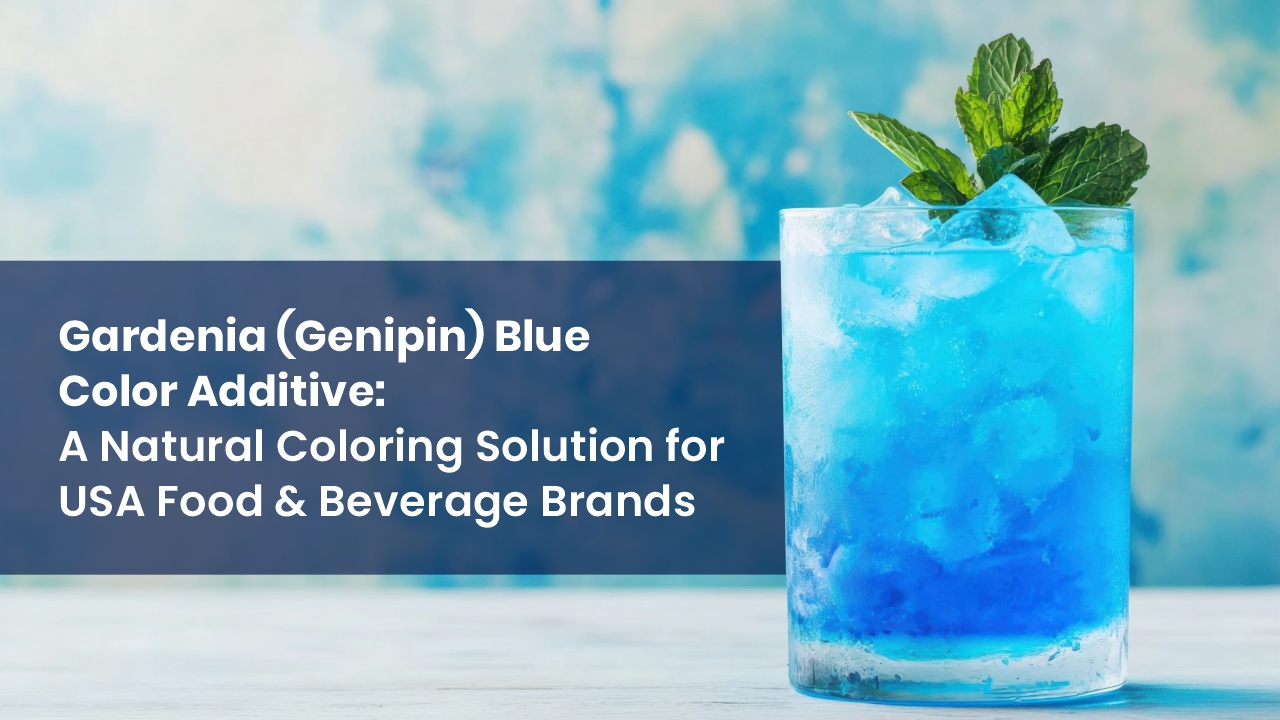
Gardenia (Genipin) Blue Color Additive: A Natural Coloring Solution for USA Food & Beverage Brands

Gardenia (Genipin) Blue Color Additive: A Natural Coloring Solution for USA Food & Beverage Brands

Natural and Plant-Based food colors are gaining popularity in the US over the past few years due to consumer education, brand stewardship, and changing regulatory agendas. One of the latest developments is the FDA approval of Gardenia (Genipin) Blue, and other natural options like spirulina blue food color, both of which are plant-based blue color additives. It is the fourth natural color approved by the FDA. For food and beverage producers seeking to substitute synthetic dyes without sacrificing intensity or stability, Gardenia Blue is an excellent FDA-approved natural blue color solution.

What is Gardenia (Genipin) Blue?

Gardenia or Gardenia jasminoides contains Genepin a natural blue pigment, recently approved as a natural food color by the US FDA. The blue pigment is obtained from an enzymatic reaction between genipin, a chemical constituent of the fruit, and amino acids. This gives a strong blue color ideal for the large majority of food and beverage uses. Gardenia has been used for centuries in traditional Asian foods and herbal preparations, and its introduction into the U.S. market marks a major step forward in expanding the palette of approved natural colors.

Why Food & Beverage Brands in the USA Are Switching to Natural Blue Colors

The consumer purchase curve is moving conclusively towards ingredients of natural origin. A global survey states that nearly 61% of consumers deliberately avoid products containing artificial coloring, and U.S.-based studies reinforce the fact that a majority make it a point to scan ingredient labels regularly before buying(pmc.ncbi.nlm.nih.gov, pmc.ncbi.nlm.nih.gov). This increased vigilance is encouraging brands to reformulate away from artificial additives such as Brilliant Blue FCF, Red 40 and others that have been researched in depth for possible associations with behavioral problems and allergic responses in sensitive individuals (pmc.ncbi.nlm.nih.gov, uab.edu).  The recent FDA approval of Gardenia (Genipin) Blue takes advantage of this opportunity by providing a natural, high-performance substitute appropriate for use in categories such as functional drinks, plant-based milk alternatives, and naturally colored confectionery.

Applications of Gardenia Blue in Food & Beverages

Due to its intense color and stability, Gardenia Blue can be used in a wide variety of applications. It is stable in both water-soluble and oil soluble systems and is recommended for:

  • Flavored and sparkling drinks
  • Frozen and ice cream desserts
  • Confectionery items like jellies and gummies
  • Yogurts and dairy-free products 
  • Cereals and snack coatings 
  • Specialty baked foods and icings

Gardenia Blue vs Brilliant Blue FCF: A Natural and Safer Alternative

Brilliant Blue FCF (FD&C Blue No.1) is commonly used because of its strong color and ability to withstand heat, based on it’s petroleum source, its long-term health effects have raised concern. Some studies have associated it with allergic reactions as well as behavioral adverse effects like hyperactivity among children, particularly when taken together with other artificial colorings.

Gardenia Blue, is plant-based natural food colorant. It contains no documented genotoxic or carcinogenic potential at approved levels, and its historical use in Asian markets contributes to its safety profile. 

USA Regulatory Status & Safety of Gardenia Blue

In July 2025, the FDA formally listed Gardenia (Genipin) Blue as an exempt from certification color additive under 21 CFR Part 73. Under this status, manufacturers can apply the genotype without undertaking the rigorous certification procedure applicable for synthetic colorings. The FDA made the determination following data submitted in a color additive petition, which established the safety of genipin blue when used as a food and beverage coloring.

Toxicological tests upheld the lack of genotoxicity and harmful effects at appropriate exposure levels. The choice is in agreement with global safety assessments, further bolstering the regulatory faith in this natural colorant.

Sustainability & Natural Origin: Why Gardenia (Genipin) Blue Color is a Responsible Choice

Aside from health and regulatory benefits, Gardenia Blue is unique in sustainable sourcing and low processing. The gardenia fruit is grown in a number of regions of Asia under conditions with low environmental pressure and few chemical inputs. Its production process is not affected by severe solvents or synthetic intermediates, and the pigment is biodegradable when in final use. This makes Gardenia Blue an attractive option for companies seeking to reduce their environmental footprint through ingredient disclosure requirements.

Technical Features of Vinayak’s Gardenia (Genipin) Blue Color Additive

Vinayak Ingredients’ Ecocol provides a stable, food-grade Gardenia Blue natural color for use in food and beverage systems offering consistent color payoff in processing conditions.Available in both powder and liquid forms with tailored oil or water solubility. Our can be customized to suit individual application requirements Our range of Gardenia color is customisable in concentration tailored for your specific needs in beverage, dairy, confectionery, and snack formats.

Vinayak’s development is backed by complete regulatory records and technical support, guaranteeing an easy transition for manufacturers who would like to incorporate Gardenia Blue into their production processes.

Why Select Vinayak Ingredients as Your Gardenia (Genipin) Blue Color Supplier in the USA

With decades of natural food ingredient experience, Vinayak Ingredients provides dependable supply, consistent quality, and technical expertise. Our Gardenia Blue is designed to comply with U.S. regulatory standards and is supported by safety information, application assistance, and a focus on innovation. We collaborate with manufacturers to maximize performance in actual formulations, assisting brands in staying in step with evolving consumer demands while driving operational efficiency.

  • Vinayak Ingredients supplies Gardenia Blue color to food manufacturers across the USA. Our natural blue color complies with FDA standards and is ideal for food applications requiring safe, stable coloring alternatives to synthetic dyes.

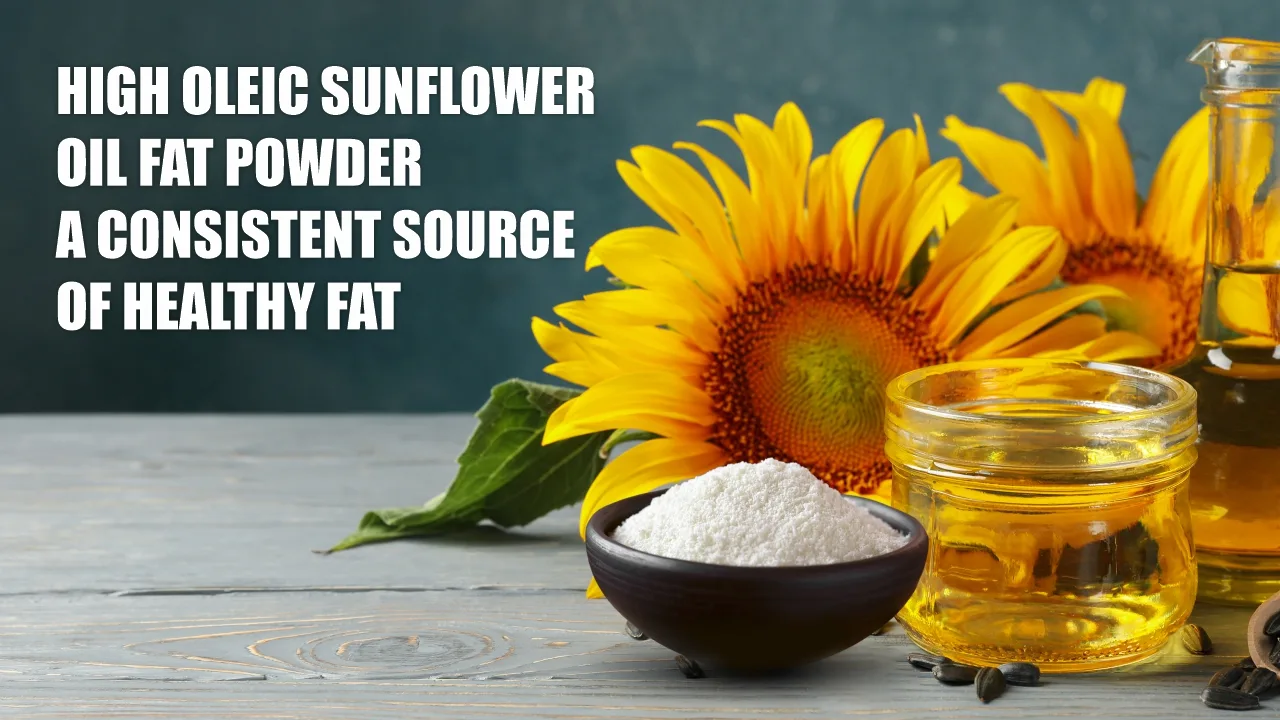
High Oleic Sunflower Oil Powder A Consistent Source of Healthy Fats

High Oleic Sunflower Oil Powder: A Consistent Source of Healthy Fats

A key challenge in the effort to nourish people more healthfully is finding effective ways to deliver healthy fats in a stable, functional form. Saturated or hydrogenated fats, commonly found in processed packaged foods, offer low nutritional value and are linked to various health risks.. In contrast, there is increasing demand for ingredients with better fat quality in day-to-day use products. High Oleic Sunflower Oil Powder addresses this need by providing a dry, convenient source of healthy monounsaturated fats.

Powdered high oleic sunflower oil in a wooden bowl with healthy food products

Why Healthy Fat Matters

As an essential macronutrient for human nutrition, fats maintain energy function and support essential processes including hormone synthesis, brain function, and the absorption of fat-soluble vitamins. Nevertheless, the composition of the fat you eat plays a significant role in your health. Monounsaturated fats, like oleic acid, are thought to be more cardioprotective, while excessive consumption of saturated fats accelerates cardiovascular illness.

What is High Oleic Sunflower Oil Powder?

High Oleic Sunflower Oil Powder, It is manufactured through a spray-drying process that converts liquid oil into a stable powder form. The final product is a fat-fortified ingredient with nutritional as well as process advantages. The powdered form retains the natural benefits of the parent oil, including its high oleic acid content and natural antioxidants like vitamin E.
It is easy to incorporate in dry applications like nutritional powders, snack mixes, instant drinks, or dietary supplements where liquid oils cannot be readily incorporated because of stability or handling constraints.

For formulators looking to improve the quality of fats in dry and shelf-stable applications, our High Oleic Sunflower Oil Powder offers a reliable source of monounsaturated fats with superior oxidative stability. It is ideal for nutritional powders, snack mixes, supplements, and bakery products, delivering health benefits without compromising formulation functionality.

Nutritional Benefits

The main nutritional component in HOSO fat powder is its oleic acid content, a monounsaturated fatty acid with cholesterol level control ability. Substitution of saturated fats with oleic acid has been associated with improved heart health markers. High oleic oils are naturally resistant to oxidation, and this is the added factor contributing to improved shelf life without other added synthetic preservatives.
High Oleic Sunflower Oil Fat Powder has low carbohydrate or sugar calorie contribution. This positions it as an ideal ingredient to be utilized in energy-dense, fat-containing nutritional formulations.

A Common Formulation Problem Overcome

Most food and nutrition applications face challenges incorporating healthy fats in a dry, shelf-stable form. Liquid oils provide texture, rancidity, separation, and processing challenges. In the meantime, ffat powders may contain ingredients that do not align with nutritional goals, including excess saturated fats or fillers reducing fat levels.

HOSO Fat Powder is easy to formulate with and enables product formulators to enhance the fat quality of their product without sacrificing stability or use.

Industry Uses

Applications for this product include:

Nutritional Foods: Blended into meal replacement shakes, protein products, and sports products to add healthy fat content with improved oxidative stability compared to polyunsaturated oils.

Snacks & Dry Mixes: Adds texture and quality of fat in ready-mix snacks, breakfast cereals, and snack bars.

Baking & Confectionery: Adds fat content that builds up mouthfeel and structure in dry baked products.

Supplements: Can be added to powdered supplement blend or encapsulated for proprietary health formulas, particularly for cardiovascular and metabolic health.

The Advantage for Product Developers

Using High Oleic Sunflower Oil Fat Powder as a food additive or supplement helps enhance the fatty acid profile of formulations. With its elevated monounsaturated fatty acid content, it is a great candidate for saturated fat replacement in dry applications. It also offers logistical benefits, being easier to store, transport, and blend than liquid oils.

Conclusion

High Oleic Sunflower Oil Fat Powder presents a functional and nutritionally appropriate answer to the most intractable formulation problem, how to introduce healthy fats to shelf-stable, dry foods. By providing high concentration of oleic acid as a powder, it bridges the gap between product performance and nutrition technology.

As more information comes on the market regarding the impact of dietary fat on health, foods such as this will play an ever-greater role in assisting manufacturers to bring their formulations into alignment with consumer demands for healthier nutrients.

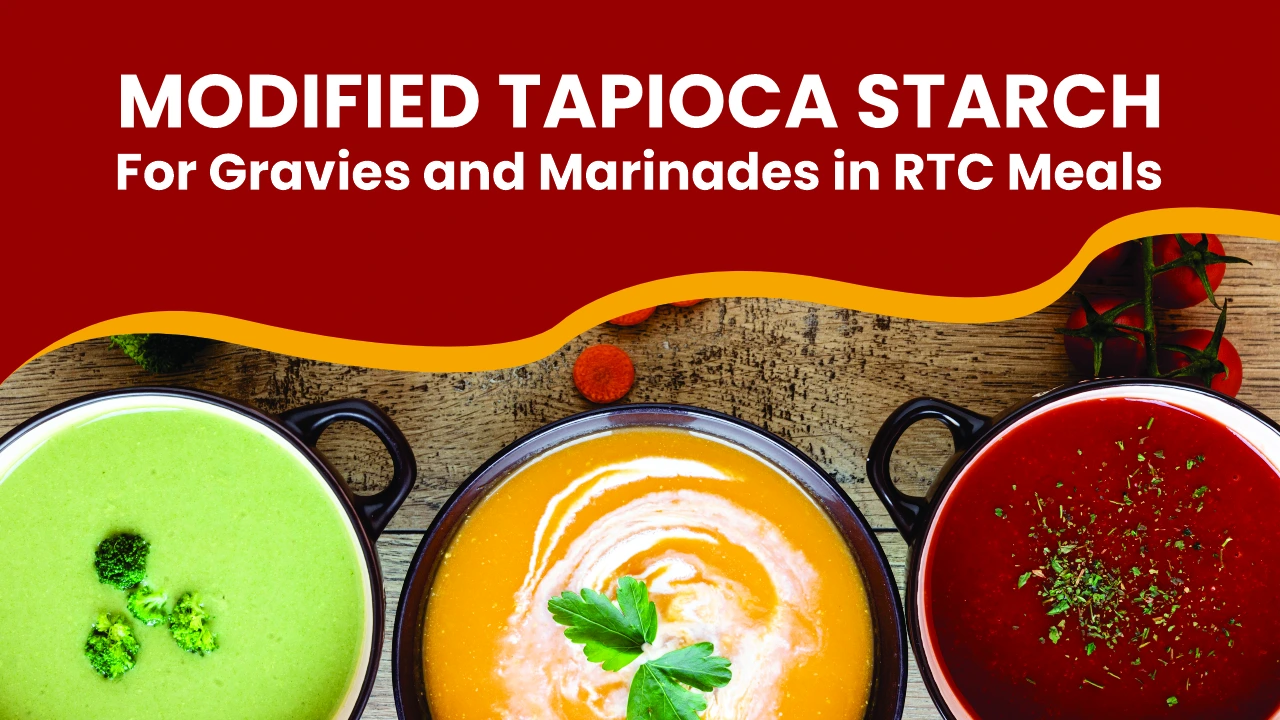
Modified Tapioca Starch for Ready Meal Gravies and Marinades

Modified Tapioca Starch for Ready Meal Gravies and Marinades

HYDENSO modified tapioca starch for gravies, sauces, and marinades in ready meals for improved texture and stability

Promoting Functionality in Gravies and Marinades for RTC Use

Gravies and marinades are essential components of the ready-to-cook (RTC) meal category. Applicable in products like a rich curry base to seasoned marinades for frozen meats, these products directly affect the sensory experience. Not only do they provide consistent texture and taste, but they must also withstand industrial cooking, freezing, packaging, and reheating conditions. Enter HYDENSO, a modified tapioca starch for gravies and sauces that is specifically designed for today’s food processing.

Being a trusted food starch supplier for ready meals, we assist manufacturers in overcoming the technological issues that tend to undermine product stability and sensory value.

HYDENSO: Modified Starch Designed for Real-World Processing

HYDENSO is a modified tapioca starch for gravies, sauces, and marinades, a cook-up type. It acts as a stabilizer, thickener, and bulking agent with high heat, acidity, and shear resistance. It adds to smoothness, firmness, and sheen, characteristics required for superior gravies, pour-over sauces, and intricate marinades in RTC products.

This modified tapioca starch for gravies is designed to maintain its integrity during aggressive processing conditions, including cooking, high shear mixing to freezing and reheating. It prevents breakdown, lumping, and syneresis, common issues in gravies and sauces that use conventional starches.

Enhancing Gravies for Shelf Stability and Reheating

In gravies, HYDENSO maintains viscosity and mouthfeel integrity both during manufacturing and consumer usage. It offers a clean, shiny finish and dense texture without dominating the taste. Its excellent clarity and high viscosity make it perfect for curry bases, Western brown gravies, or Asian-type sauces. Modified tapioca starch for gravies provides stability even under long-term shelf life and multiple freeze-thaw cycles.

Marinades That Deliver Coating, Retention, and Consistency

Ready meal marinades typically must uniformly coat proteins or vegetables, suspend spices evenly, and maintain moisture during cooking. HYDENSO is particularly good at all these functions. It makes the marinades bind to surfaces, enhances water-binding, and averts spice sedimentation, all of which are crucial to providing consistent flavor and juiciness in RTC meat, tofu, or paneer dishes.

Versatility Beyond the Core: Sauces, Fillings, and More

HYDENSO’s versatility goes far beyond gravies and marinades. It works exceptionally well in soups, ketchups, cream fillings, chutneys, cheese alternatives, and even frozen meat pies. This means it is an essential solution for multi-component ready meal brands creating several sauces and fillings.

As a reliable food starch supplier for ready meals, we offer starch solutions that deliver across product lines and processing conditions and enable you to save reformulation time and ensure consistency in production.

Why HYDENSO RTC Product Development?

  1. High freeze-thaw stability for frozen gravies and sauces.
  2. Rich, smooth texture with gloss and body.
  3. Good resistance to syneresis, acid, heat, and mechanical shear.
  4. Balanced flavor that complements for broad use in many types of cuisine.
  5. Consistent performance with sauces, marinades, soups, and ready meal trays.

HYDENSO provides functional reliability, process stability, and uniform sensory quality, making it the modified tapioca starch for gravies of choice for gravies and marinades used in the ready meals sector. As your food starch supplier for ready meals, we help bring reliability and quality to every tray.

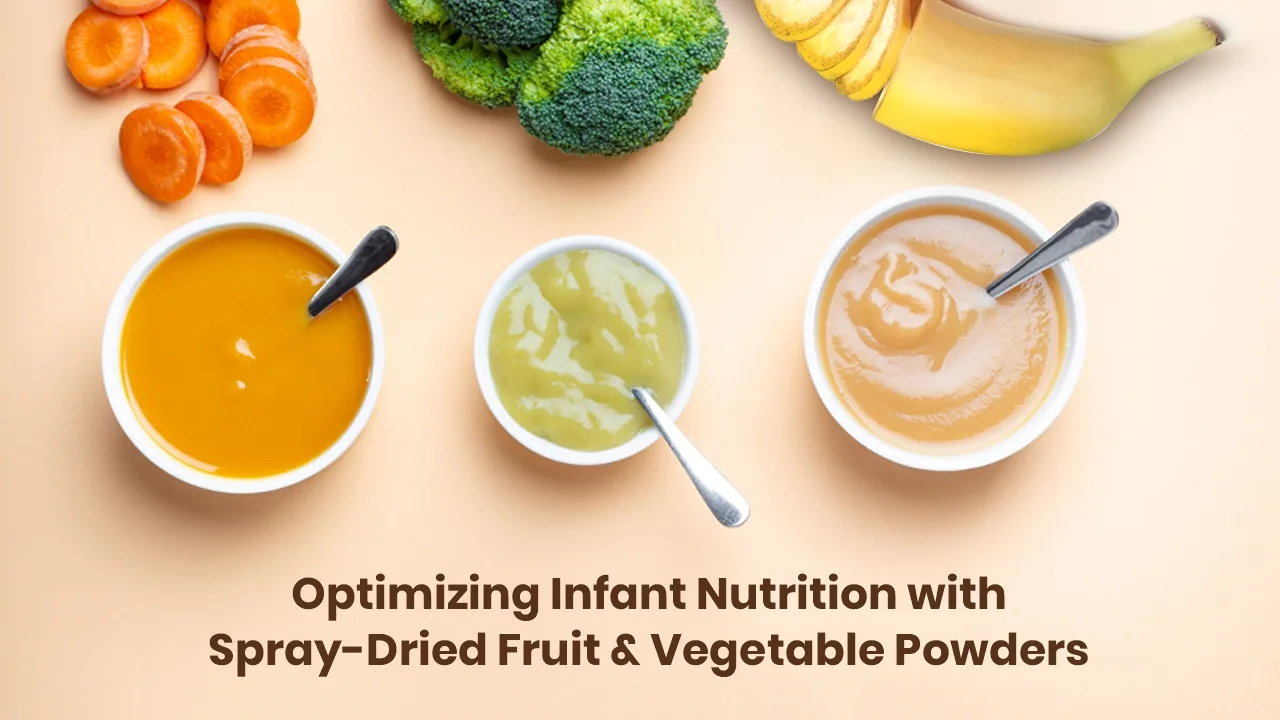
Optimizing Infant Nutrition with Spray-Dried Fruit and Vegetable Powders

Optimizing Infant Nutrition with Spray-Dried Fruit & Vegetable Powders

Natural spray-dried powders for infant nutrition made from banana, spinach, carrot, and mango

Introduction to Spray-Dried Fruit and Vegetable Powders for Infant Nutrition

Fruits and Vegetables are a significant component, especially in infant food. Fresh vegetables and fruits are prone to damage by insects, microbial spoilage, physical or chemical contamination, spoilage, etc. Spray-drying of fresh vegetables and fruits is a convenient way of preserving nutrients and making it shelf-stable. Spray-dried fruits and vegetables are increasingly finding their way into infant food, offering a simple way of delivering essential nutrients in stable, flexible forms. Greater emphasis on accuracy in nutrient delivery and product quality, the powders enable effective fortification of infant foods by manufacturers with assurance of process efficacy and formulation efficacy.

Benefits of Spray-Dried Powder Application to Infant Food

Spray-dried powders are highly convenient and improve shelf life, enabling better formulation. They contain little water, hence easy to transport and store compared to fresh or frozen counterparts. They also fit seamlessly into already installed manufacturing equipment, and batch control and dosing are reduced.

Major Ingredients and Their Nutritional Values

Spinach

Spinach is rich in iron, calcium, folate, and vitamins A, C, and K. Spinach also contains lutein, an antioxidant that has been found to aid vision and infant mental development. All these nutrients aid in hemoglobin development, brain growth, and the formation of bone matrix.

Broccoli

A plant-based source of vitamins C and K, broccoli is linked with immune function, anti-inflammatory processes, and cell protection. It also provides fiber, which is important for metabolic and digestive growth.

Carrot

Carrots contain beta-carotene, the pre-vitamin A, which is used to maintain healthy skin and for the development of eyesight, especially night vision. Their dietary fiber is also used to maintain digestion.

Orange

Oranges offer natural acids and vitamin C. Orange powder enhances immune defense, collagen synthesis for repair of tissues, and enhances the bioavailability of iron—critical for growth and energy.

Mango

Natural sugars, vitamin C, and potassium are found in mangoes. Mango powder provides taste and offers digestive enzymes that serve to promote gastrointestinal comfort in infants.

Banana

Bananas contain their high potassium, vitamin B6, and resistant starch. These are for muscle function, digestion, and slow energy release. Banana powder also contains prebiotic fiber that stimulates good gut bacteria necessary for nutrient absorption.

Strawberry

Strawberries contain vitamin C, manganese, and antioxidant polyphenols. These prevent growing cells from oxidative stress and aid in memory and cognitive development.

Application Areas in Infant Nutrition Products

Spray-dried fruit and vegetable powders for infant nutrition are extremely versatile. They find application in a wide variety of products ranging from weaning foods to toddler snacks, purees, breakfast cereals, and nutritional beverages. Their ability to provide essential nutrients such as iron, vitamin A, and fiber without affecting the texture or stability of the end product is an added advantage. Their neutral flavor and natural color also improve visual acceptance and acceptability of the product.

Conclusion: Strategic Ingredient Choice for Infant Foods

Spray-dried fruit and vegetable powders for infant nutrition are a highly effective and shelf-stable way of boosting the nutritional value of infant food. With high nutrient density, efficiency of production, and versatility across product forms, these powders enable manufacturers to make progressive health-oriented formulations meeting caregiver demands and regulatory requirements.

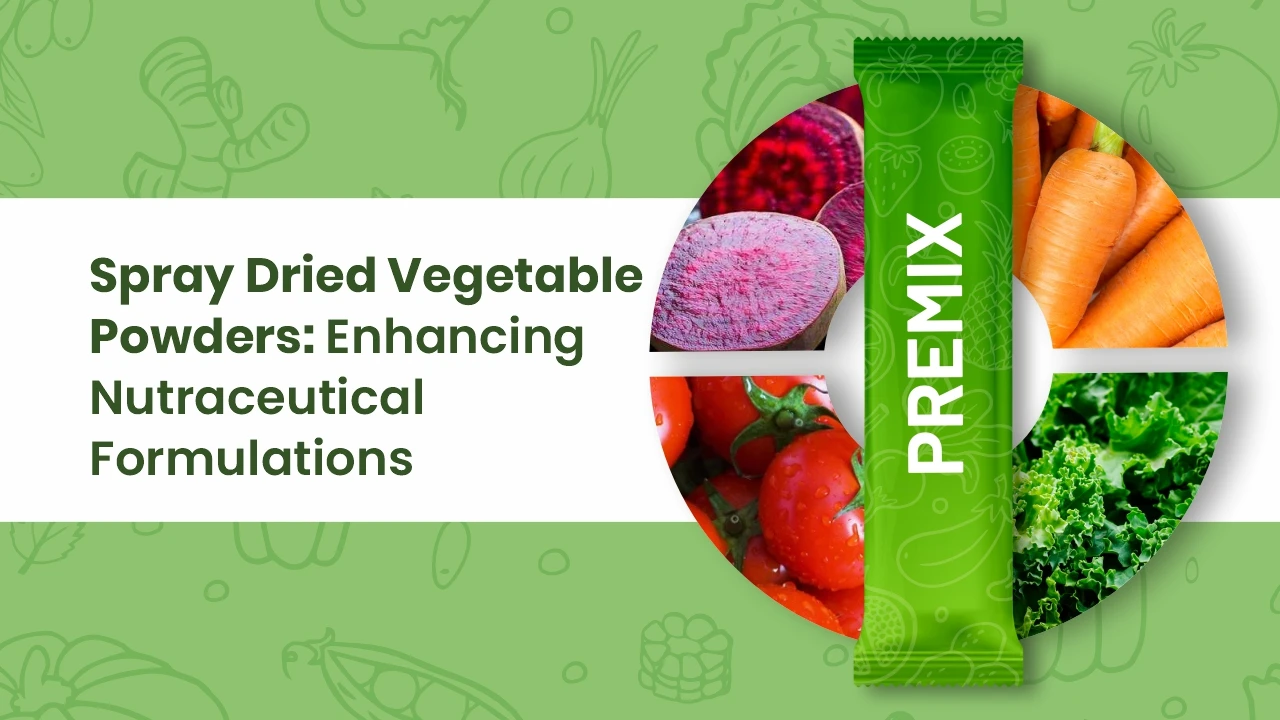
Vegetable Powders for Nutraceuticals: Enhancing Modern Formulations

Vegetable Powders for Nutraceuticals: Enhancing Modern Formulations

The nutraceuticals market is leading the way in a plant revolution. As culture and wellness become mainstream, whole, nutrient-dense ingredients are more and more in demand. vegetable powders for nutraceuticals have emerged as a savvy, science-driven solution that provides concentrated nutrition in convenient formats.

Vegetables such as beetroot, spinach, carrot, kale, and tomato are fruits and vegetables in addition to being functional health enhancers. Upon spray drying, these vegetables become healthy nutritional ingredients for food health formulations. Sprouting from vascular health to immunity and antioxidant defense, every vegetable has a particular health benefit in powdered form.

What Are Spray Dried Vegetable Powders?

Spray drying is a process that transforms liquid vegetable purees or extracts into free-flowing stable powders in an instant low-heat drying process. It contributes to the preservation of the majority of the original nutrients of the vegetable and enhancing shelf life and usability. Spinach, beetroot, carrot, kale, and tomato are typical vegetables to be spray dried for the manufacture of high-performance vegetable powders for nutraceuticals and functional applications.

High-Impact Spray Dried Vegetable Powder for Nutraceutical Applications

Beets

Beetroot powder is rich in nitrates and iron. It is most suitable for pre-workout drink powders, energy effervescents, and circulation support tablets due to its ability to increase blood flow, endurance, and oxygen uptake.

Spinach

Iron, magnesium, and folate are all found plentifully in spinach powder. It fights fatigue, enhances immunity, and aids red blood cell formation. It is commonly used in immunity candies, daily greens blends, and iron supplements.

Carrot

Carrots are rich in Beta-carotene and vitamin A. It is an antioxidant and enhances eye and skin health. Carrot Powder can be blended into numerous applications like effervescent tablets, dietary supplements, and functional beverages.

Kale

Kale is rich enough in calcium, fibre, and vitamins C and K. Kale has anti-inflammatory, bone-building, and detoxing activities. Kale powder is frequently utilized in green smoothie blends, fibre supplements, and powdered detox beverages.

Tomato

Tomatoes have a lot of Vitamin C and lycopene. It is best to use in cardiovascular blends, men’s supplements, and antioxidant fizzes due to its heart-friendly and antioxidant nature. Tomato powder includes antioxidant characteristics that make it an ideal supplement for skin supplements.

How Spray Dried Vegetable Powders Improve Formulations

They dissolve readily and provide natural nutrients with colour and flavour appeal in premix or ready-to-mix beverages. They add some benefits to in the functional segments. Capsules, sachets, gummies, or chewables offer convenient formulation and neat nutrition. Such spray-dried powders for gummies are particularly beneficial for the formulation of plant-based products that appeal to health-conscious consumers.

In growing demand for vegetable powders in nutraceuticals, gummies continue to grow in popularity because of their appealing shape and ease of use. Spray-dried powders for gummy applications offer better masking of flavors, homogenous texture, and shelf life, yet offer required nutrients in an acceptable state.

Wrapping Up: The Benefits of Spray Dried Vegetable Powder

Whole vegetable dietetic benefits are now in convenient, stable, and flexible forms with spray-dried vegetable powders. Vegetable powders for nutraceuticals offer manufacturers and formulators the perfect platform for developing more intelligent, plant-based, and natural ingredients. Flexible in uses for products such as RTM beverages, effervescents, or new-generation gummies, the utilization of vegetable powders for nutraceuticals ensures functional nutrition that can be trusted by consumers.

Do you wish to boost your vegetable strength in nutraceutical products?

Get in touch with us to learn about our extensive line of products of spray-dried powder and functional formulations that are specifically tailored for foods, drinks, and supplements.

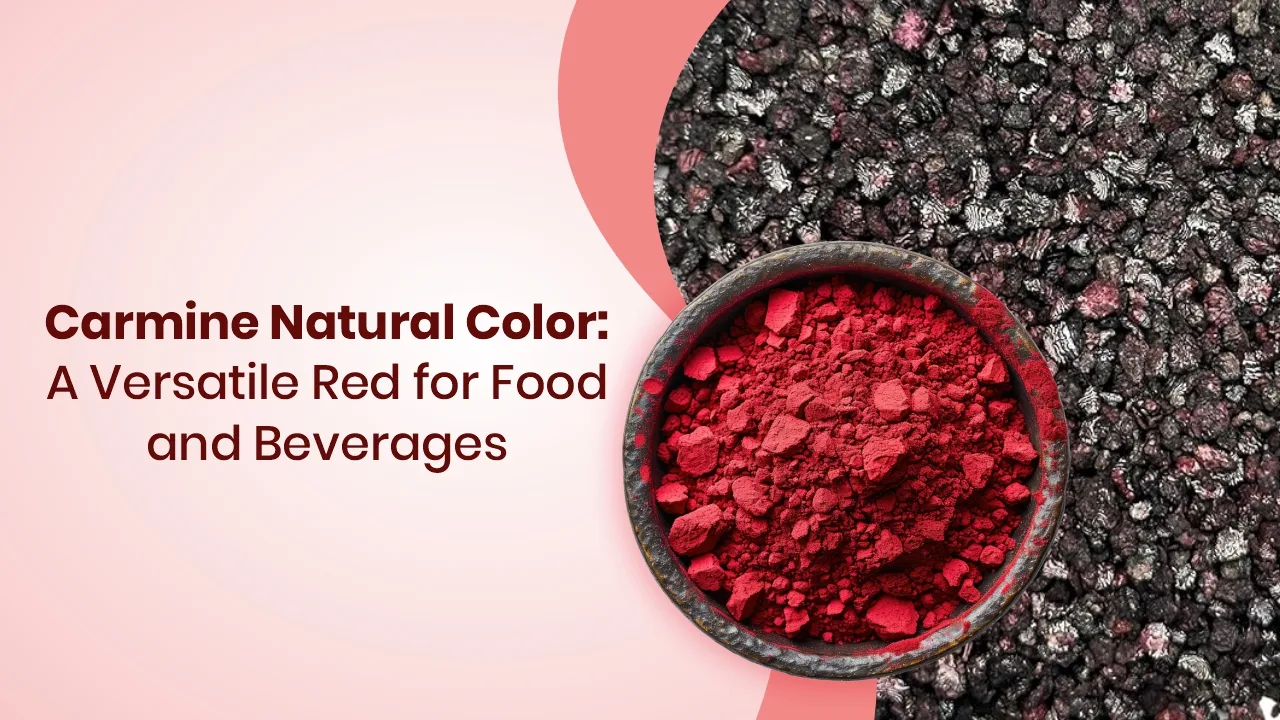
Carmine Natural Color: A Versatile Red for Food and Beverages

Carmine Natural Color: A Versatile Red for Food and Beverages

In today’s continuously changing landscape of food and beauty colorants, Carmine Natural Color is a time-trusted, top-of-the-line formulation for product manufacturers in need of a natural red food colour. Renowned for its good pigmentation, superior formulation stability, and extensive applications across industries, Carmine is still one of the go-to choices of product developers around the world. As the world continues to rise in demand for natural food coloring formulations.A Natural Red from Cochineal Insects.

Carmine is obtained from the cochineal insect (Dactylopius coccus), which is widely distributed in Central and South America. The insects live on cacti and secrete a red-colored pigment known as carminic acid, which is collected and purified for commercial purposes. This pigment is traditionally used in food coloring as well as in coloring textiles for centuries.

After processing, Carmine Natural Color (E120) is present in powder and liquid forms. It is used extensively by regulatory agencies in the food and cosmetic markets and is known as one of the most stable and efficient natural red dyes on the market.

Cochineal-derived Carmine Natural Color powder for U.S. food and beverage industry

A Versatile Shade Scale: From Pink to Deep Red

Carmine has a wide choice of red shades, ranging from pale pinks to strong crimson colors. Final color effect is determined by a number of factors such as product formulation, dosage, and processing conditions. In low pH applications, the pigment is inclined towards lighter pink-red shades, whereas in neutral or higher pH systems, it creates deeper and stronger reds.

This versatility renders Carmine a versatile natural colorant for various sets of visual effects in foods, drinks, and cosmetics.

Stability Across pH and Processing Conditions

One of the key strengths of Carmine Natural Color is its heat stability and pH variability. It can last in a pH of about 3 to 8, which means that it can be used with acidic foods as well as neutral matrices. Carmine is also resistant to frequent heat processes such as baking, boiling, and pasteurization so that the color is retained over product shelf life.

This strong stability renders Carmine suitable for processed foods and drinks that call for long-lasting, consistent coloration.

Applications of Carmine in Food, Beverages & Cosmetics

Carmine is applied in a broad range of applications such as:

  • Dairy products: flavored yogurts, milkshakes, ice creams

  • Bakery products: cakes, icings, fillings

  • Confectionery: hard candies, gummies, marshmallows

  • Beverages: syrups, cordials, juices

  • Nutraceuticals: chewable tablets, protein gummies

  • Cosmetics: lipsticks, blushes, eye makeup

Its high color strength and natural source make it a superior substitute for artificial red dyes like Erythrosine which was recently banned by the USFDA in food and can also  be  used in personal care applications.

Vinayak’s Know-How in Carmine Natural Color

At Vinayak Ingredients, we are experts in offering top-quality, application-specific Carmine Natural Color solutions. Our Carmine is available both in powder and liquid forms and is specially designed to perform well across various product categories. If you’re developing for dairy, bakery, beverages, or nutraceuticals, Vinayak guarantees color performance that’s vibrant, stable, and compliant.

Our R&D assistance and customer-specific tailoring establish us as a reliable business partner for companies wanting to enhance product attractiveness with natural food coloring. Our global regulatory compliance and traceability in the supply chain are also top priorities for all of our natural color products.

Need a Dependable Natural Red Food Colour?

Collaborate with Vinayak Ingredients for high-quality Carmine Natural Color solutions that provide stunning visuals, long-term stability, and consistent performance.

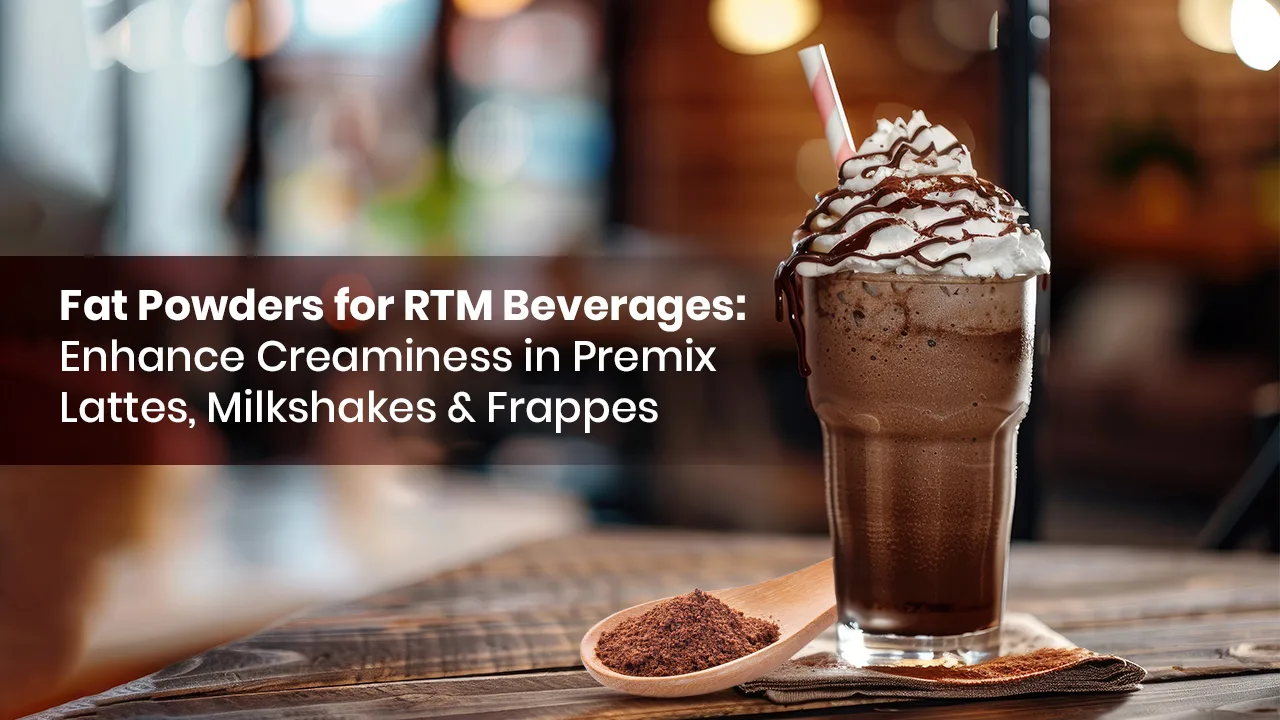
Fat Powders for RTM Beverages: Enhance Creaminess in Premix Lattes, Milkshakes & Frappes

Fat Powders for RTM Beverages: Enhance Creaminess in Premix Lattes, Milkshakes & Frappes

Ready-to-mix (RTM) drinks have revolutionized the way people consume their go-to café-style treats. From cold lattes and frappes to thick milkshakes and protein drinks, the types of beverages that consumers can enjoy with ease and convenience are endless. At the hub of this extravagance is a subtle yet integral ingredient that maximizes both flavor and texture: fat powders.

As a trusted fat powder supplier for beverage premixes, Vinayak Ingredients ensures consistent quality and performance for your RTM applications.

Fat powders are dry-form ingredients that introduce the richness and smoothness of fats into powdered beverage premixes, yet with enhanced stability and convenience over traditional oils or dairy creamers. They assist in providing the mouthfeel and body that make reconstituted beverages feel truly rewarding.

Vinayak Ingredients fat powders for RTM beverages in USA.

Why Fat Powdersin Premix Beverages

Some of the main challenges in creating RTM drinks are delivering a creamy, balanced mouthfeel without requiring refrigeration or fresh dairy. Fat powders bridge this divide. They add a smooth, silky texture to beverages once reconstituted with water or milk, enhancing drinkability and backing up flavor intensity.

Whether it’s the velvety texture of an ice-cold latte, the rich body of a milkshake premix, or the well-balanced creaminess of a powdered protein drink, fat powders play a vital role in completing the beverage experience.

Fat Powders We Provide: Plant-Based Creaminess, Naturally

At Vinayak Ingredients, a reliable fat powder supplier for beverages, we offer a diverse portfolio of plant-based fat powders specifically formulated to meet the various needs of RTM beverage systems. Our range includes:

●  Sunflower Fat Powder contains a clean, neutral taste that enhances beverages without dominating them. It’s perfect for coffee premixes and flavored lattes where subtlety and texture are key.

●  Groundnut Fat Powder contributes a nutty warmth and rich mouthfeel. It blends seamlessly into chocolate, malt, or caramel-flavored mixes, offering depth and indulgence.

●  Coconut Fat Powder provides a soft sweetness and silky finish, ideal for tropical-themed premix drinks, vegan milkshakes, and exotic frappes.

●  MCT Fat Powder offers a light, rounded creaminess with a neutral flavor and is well-suited for functional mixes like keto-friendly RTM coffees or performance nutrition shakers.

●  HOSO (High Oleic Sunflower Oil) Fat Powder provides a neutral flavor with light smoothness, ideal for clean-label premix beverages requiring high oxidative stability.

●  Soybean Fat Powder delivers balanced creaminess with a hint of natural bean-like flavor, making it ideal for plant-protein premixes, soy lattes, and dairy alternatives.

Promoting Stability and Shelf Life in Powdered Beverages

Beyond flavor and texture, fat powders provide functional benefits that support large-scale manufacturing of powdered drink premixes. Their dry state contributes to a longer shelf life, making them ideal for mass distribution and ambient storage.

They dissolve easily upon mixing and remain stable in various reconstitution conditions, ensuring the final beverage looks visually appealing and retains its creaminess over time.

These powders offer formulation versatility, succeeding in dairy-based mixes, plant-based systems, and functional beverage blends. Whether the goal is indulgence, health, or a combination of both, fat powders adapt seamlessly to different premix formats.

As a specialized fat powder supplier for beverages, we help brands meet texture and stability goals with tailor-made fat powder solutions that support ease of reconstitution and sensory excellence.

Making a Lasting Beverage Experience

Today’s consumers expect more than just taste from their drink mixes—they seek texture, consistency, and that unmistakable creamy sensation that mimics fresh-made beverages. Fat powders enhance the experience in an understated yet powerful way. They smoothen flavor edges, round off taste profiles, and elevate the overall quality perception.

Each sip of a reconstituted frappe or the silky mouthfeel of a protein latte owes much of its appeal to the thoughtful use of premium fat powders. Though subtle in presence, their impact is clearly felt in every sip.

In Conclusion

In the evolving world of ready-to-mix beverages, creating consistently indulgent, stable, and easy-to-use products is key. With sunflower, groundnut, coconut, MCT, and other plant-derived fat powders, beverage formulators can craft mixes that deliver on richness, convenience, and sensory appeal, without compromise.

From instant lattes and powdered frappes to thick milkshake blends and fitness shakes, fat powders offer a custom approach to creating creamy, craveable drinks with shelf stability and ease of preparation.

Vinayak Ingredients is your trusted fat powder supplier for beverages, offering innovative, plant-based fat powder solutions designed to elevate the quality of every premix product.